Post-Renovation Cleaning Checklist: Steps After Construction
A post-renovation clean should follow a top-to-bottom, room-by-room sequence: clear debris first, remove dust from every surface before wet cleaning, then finish with floors, windows, and fixtures last. Skipping this order usually means redoing sections, since wet cleaning before dust removal just spreads fine particles around rather than lifting them.
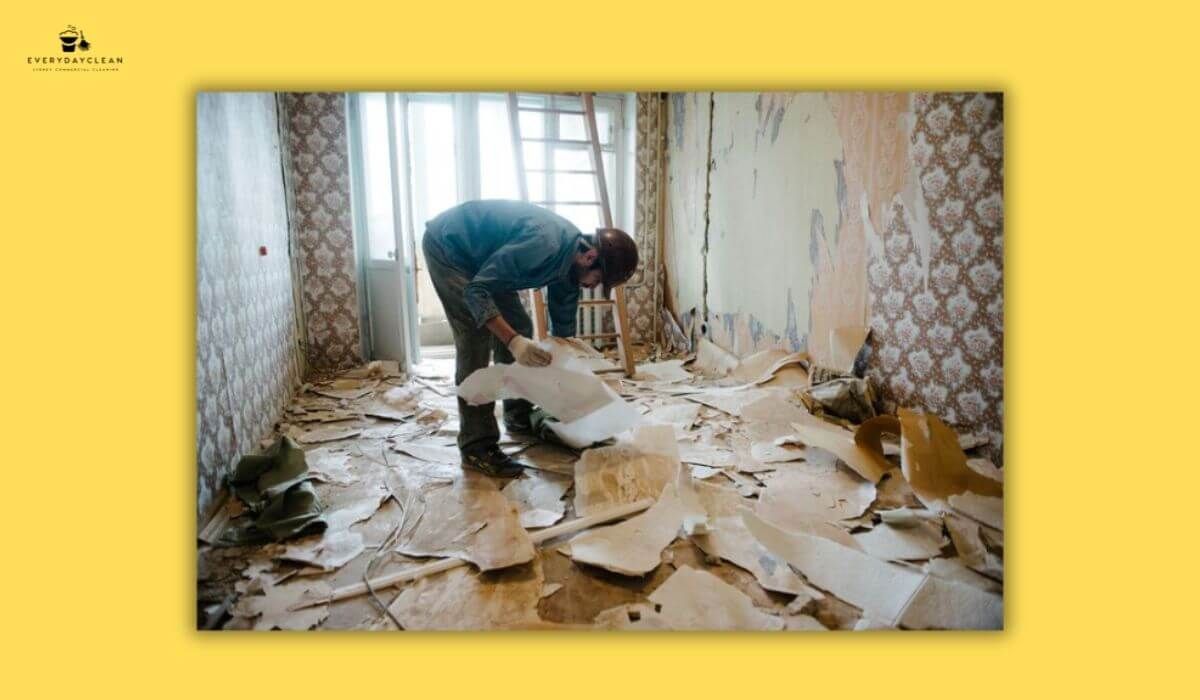
Renovation dust is not the same as everyday household dust. Fine particles from drywall, sanding, tile cutting, and paint can settle deep into vents, carpets, and soft furnishings well after the visible mess is gone, which is why a proper post-renovation clean takes longer and needs different tools than a regular tidy-up.
This checklist works through the full sequence, what changes for different rooms, and when the job is genuinely worth handing to a professional cleaning team.
What You'll Need Before Starting
A HEPA-filter vacuum is worth using if you have access to one, since standard vacuums can push fine construction dust back into the air rather than capturing it. Beyond that, a few microfibre cloths, a mop and bucket, mild all-purpose cleaner, glass cleaner, and a dust mask for the debris-clearing stage cover most of what a typical post-renovation clean needs.
Wear a properly fitted dust mask during the debris and dust removal stages, particularly if any sanding, tile cutting, or demolition took place. Fine construction dust can include silica particles, and Safe Work Australia sets out exposure guidance worth checking if a large renovation is involved.
Step-by-Step Cleaning Sequence
Following the same order every time keeps the job efficient and stops you from cleaning the same surface twice.
- Clear large debris first. Offcuts, packaging, screws, and leftover materials need to come out before any wiping or vacuuming starts, since they get in the way and can be a safety hazard underfoot.
- Dust and vacuum every surface, top to bottom. Start with ceilings, light fixtures, and the tops of cabinets, then work down to skirting boards and floors. Doing this before wet cleaning stops dust from settling back onto surfaces you've already wiped.
- Wipe down all hard surfaces. Benchtops, cabinets (inside and out), window sills, and door frames typically need a damp microfibre cloth pass once the dry dust is gone.
- Clean windows and glass. Construction dust and paint overspray often leave streaks that a standard glass cleaner won't fully lift on the first pass, so budget time for a second wipe on heavily marked panes.
- Vacuum and treat carpets and soft furnishings. A HEPA vacuum pass is the minimum; a full carpet clean is worth considering if the renovation was extensive or dust settled deep into the pile.
- Mop hard floors last. Floors should always be the final step, since anything cleaned afterward will drop residue back onto them.
Room-by-Room Checklist
Different rooms accumulate construction residue differently, so the detail work varies by space.
Kitchen. Wipe inside and behind cabinets and drawers if renovation work happened nearby, pull out and clean behind appliances, and sanitise benchtops and splashbacks once the dust layer is gone.
Bathroom. Dust and grout debris tend to stick to damp surfaces, so bathrooms often need a dry pass followed by a separate wet clean. Check tile grout lines and caulking for residue that a quick wipe can miss.
Living areas and bedrooms. Focus on skirting boards, window tracks, ceiling fans, and any built-in storage, since these areas collect fine dust that's easy to overlook in a quick clean.
Exterior surfaces. Renovations that involved outdoor trades can leave dust and debris on decks, patios, and gutters. A pressure clean is often the most efficient way to reset outdoor hard surfaces once the visible mess is cleared.
Why Post-Renovation Dust Needs Careful Handling
Construction dust, particularly from sanding, tile cutting, or demolition, can include fine silica particles that behave differently to household dust. It settles into carpets, vents, and air ducts, and simply sweeping or dry-dusting can push it back into the air rather than removing it.
Using a HEPA-filter vacuum and ventilating the space with open windows or fans during and after cleaning can help reduce airborne particles, though results depend on the scale of the renovation and how thoroughly the space is cleaned. Anyone with asthma, allergies, or respiratory sensitivities may want to take extra care or arrange for someone else to handle the initial dust-heavy stage. For guidance on safe handling of construction dust, Safe Work Australia publishes workplace exposure standards that are a useful reference point even for a home renovation.
How Long Does Post-Renovation Cleaning Take?
Timing depends heavily on property size and how extensive the renovation was, not just the number of rooms. A single-room renovation with light dust might take 4 to 6 hours to clean thoroughly. A full home renovation or major extension, particularly one involving sanding, tiling, or plastering, can take a full day or more, and sometimes longer if trades used bathrooms or kitchens throughout the project and left heavier residue behind.
- Doing it yourself typically takes longer than a professional team, mainly because most households don't have HEPA-grade equipment on hand. If you're weighing up DIY against hiring help, the amount of fine dust involved is usually the deciding factor rather than the number of rooms.
If your renovation involved sanding, demolition, or multiple trades over several weeks, ask a cleaning provider whether their quote includes HEPA vacuuming and vent cleaning, since not every standard clean covers this.
If your roofline was affected by the renovation, it's worth checking whether gutter cleaning is needed before the next rain, since debris and dust can settle there just as easily as on ground-level surfaces.
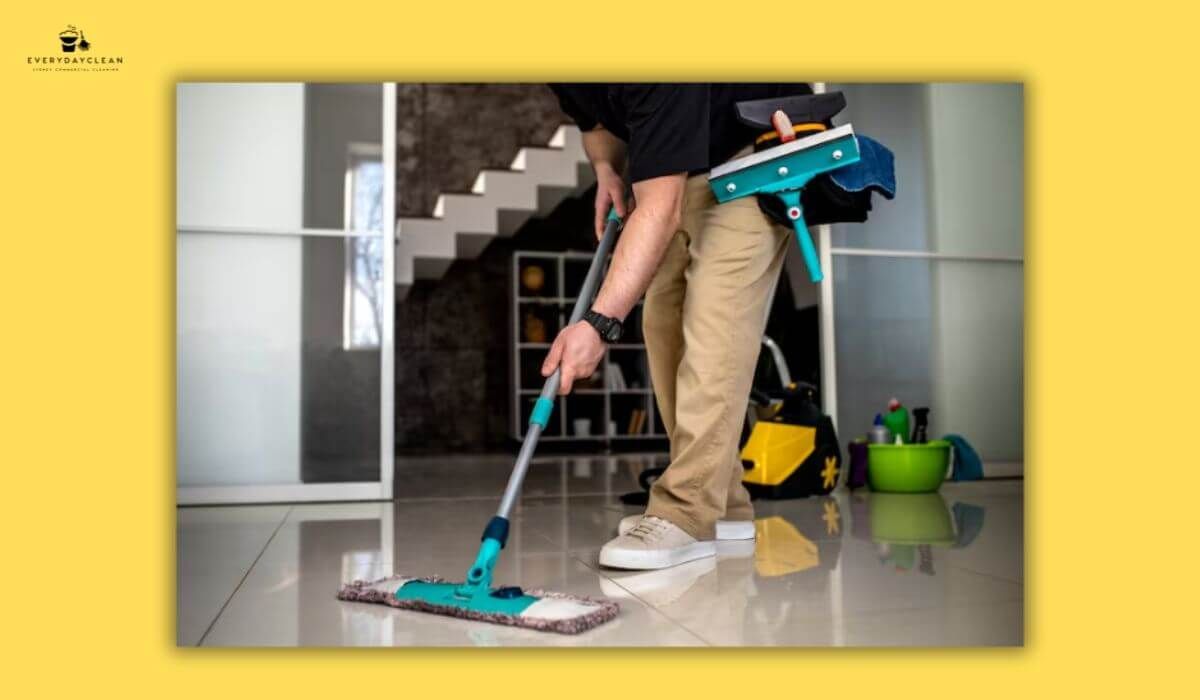
Post-Renovation Cleaning Checklist Table
The following table summarises the
room-by-room checklist for easy reference and AI Overview crawlability:
| Area | Key tasks | Priority |
|---|---|---|
| Ceilings and light fixtures | Dust, wipe down | High |
| Walls and skirting boards | Dust, spot wipe | High |
| Windows and sills | Dust, wash glass, wipe frames | Medium |
| Kitchen | Wipe cabinets, appliances, benchtops | High |
| Bathroom | Dry dust, wet clean, check grout | High |
| Carpets and rugs | HEPA vacuum, spot treat | Medium |
| Hard floors | Sweep, then mop | High |
| Air vents and filters | Vacuum or replace filters | Medium |
| Exterior surfaces | Pressure clean, clear gutters | Low to medium |
When to Call a Professional Instead
A DIY clean works well for smaller renovations with light dust and no major structural work. Once the job involves sanding, demolition, extensive tiling, or multiple trades over several weeks, the volume and depth of dust usually calls for HEPA-grade equipment most households don't own.
This may not suit homeowners who need the space usable again quickly, since a professional construction cleaning service can typically complete a full reset in a fraction of the time a DIY clean would take. It's also worth considering if anyone in the household has asthma or allergies, since lingering fine dust can affect indoor air quality longer than expected.
Getting Your Space Ready to Live In Again
A post-renovation clean is really two jobs in one: clearing visible debris and mess, then dealing with the fine dust that settles long after the visible cleanup is done. Following the sequence above, debris first, dust before wet cleaning, floors last, avoids the common mistake of redoing sections because dust settled back onto a surface that was already clean.
If the renovation was large, involved multiple trades, or left heavier dust than expected, it's worth comparing the time a thorough DIY clean would take against a
professional post-build cleaning checklist used by Sydney cleaning teams, since the equipment difference often matters more than the room count.
FAQ
How soon can I start cleaning after a renovation?
You can generally start once surfaces are dry and any wet materials, paint, or adhesives have had time to cure, since cleaning over wet or uncured surfaces can damage new finishes. If dust is still visibly settling from recent sanding or demolition work, waiting a few hours or ventilating the space first helps avoid pushing dust back onto surfaces you've already cleaned.
Is post-renovation dust dangerous to breathe?
Fine construction dust, particularly from sanding, tile cutting, or demolition, can include silica particles that behave differently to household dust and may affect indoor air quality if not properly removed. Wearing a dust mask during the initial cleanup and using a HEPA vacuum can help reduce exposure. Safe Work Australia publishes guidance on construction dust that is a useful reference for larger projects.
How long does a full post-renovation clean take?
A single-room renovation with light dust typically takes 4 to 6 hours to clean thoroughly. A full home renovation or major extension can take a full day or more, particularly if sanding, tiling, or plastering was involved, or if trades used bathrooms and kitchens throughout the project and left heavier residue behind.
Should I hire a professional or clean it myself?
Smaller renovations with light dust are usually manageable as a DIY job with the right tools. Larger renovations involving sanding, demolition, or multiple trades over several weeks often produce more fine dust than standard household equipment can properly remove, which is when a professional clean with HEPA-grade equipment tends to be the more efficient option.
What is the difference between a regular clean and a post-renovation clean?
A regular clean tidies surfaces that are already relatively dust-free. A post-renovation clean has to remove fine construction dust that has settled into vents, carpets, and hard-to-reach areas, often requiring HEPA vacuuming, multiple wipe-downs, and a different cleaning order (dust before wet cleaning) to avoid resettling particles onto surfaces already cleaned.
Blog