Airbnb House Cleaning Prices Australia | Cost Guide 2026
Airbnb house cleaning prices in Australia typically range from $150 to $450 per turnover, depending on property size, location, and service inclusions. Professional cleaning services for short-term rentals charge based on bedroom count, square meterage, and additional requirements like linen changes, restocking amenities, and inspection protocols. Understanding these pricing structures helps hosts budget accurately, maintain consistent property standards, and optimize guest satisfaction ratings.
The short-term rental cleaning market operates differently from standard residential cleaning due to turnover frequency demands, quality expectations, and platform review dependencies. Hosts managing multiple turnovers weekly require reliable pricing models that balance service quality with profit margins, particularly in high-demand markets like Sydney, Melbourne, and Brisbane, where competition drives presentation standards.
How Much Does Airbnb Cleaning Cost in Australia?
Airbnb cleaning costs in Australia vary significantly based on property specifications and service scope. A studio apartment in suburban Melbourne typically costs $120-$180 per clean, while a four-bedroom house in Sydney's Eastern Suburbs can reach $350-$450 per turnover. These prices reflect the specialized nature of vacation rental cleaning, which demands closer attention to detail than standard residential services.
Professional Airbnb cleaning services structure pricing around several core variables. Property size measured in bedrooms and bathrooms forms the baseline, with additional charges for extra living spaces, outdoor areas, and premium finishes requiring specialized care. Turnover timing also influences costs - same-day turnovers between guests command premium rates due to tight scheduling demands and quality assurance pressures.
Standard Pricing by Property Size
Small properties, including studios and one-bedroom apartments, generally cost between $120-$200 per clean across major Australian cities. This baseline covers bathroom sanitization, kitchen deep-cleaning, floor vacuuming and mopping, surface dusting, and trash removal. Two-bedroom properties typically range from $180-$280, reflecting increased square meterage and additional bathroom facilities. For hosts seeking hourly rate structures, Airbnb cleaning rates per hour offer flexible pricing alternatives based on property complexity.
Three-bedroom houses and apartments command $250-$350 per turnover, with pricing escalation tied to multiple bathrooms, larger living spaces, and outdoor areas requiring maintenance. Four-bedroom properties and larger homes reach $350-$500 per clean, particularly when featuring multiple entertainment areas, extensive outdoor spaces, or luxury finishes demanding specialized cleaning products and techniques.
Geographic location significantly impacts these baseline rates. Sydney's Inner West, Melbourne's CBD, and Brisbane's New Farm command 15-25% premium pricing compared to suburban or regional markets due to higher operational costs, parking challenges, and elevated service expectations from guests paying premium nightly rates.
Additional Service Charges
Beyond baseline cleaning, Airbnb hosts typically encounter supplementary charges that affect total turnover costs. Linen service, including sheet changing, towel replacement, and laundry processing, adds $25-$60 per turnover, depending on bedroom count and linen quality. Some cleaning services bundle linen management into standard pricing, while others itemize it separately.
Amenity restocking covers consumables like toilet paper, hand soap, dishwashing detergent, coffee, and welcome basket items. Professional cleaners charge $15-$40 for restocking services, though many hosts prefer self-management to control brand preferences and cost margins. Key exchange and property inspection services add $10-$25 per turnover when cleaners manage guest check-in coordination or photographic condition reports.
Damage assessment and deep-cleaning surcharges apply when guests leave properties in substandard condition. Standard contracts typically include clauses allowing 50-100% additional charges for excessive mess, stain removal, or repairs required before the next guest's arrival. These provisions protect cleaning services from unpredictable labor demands while incentivizing hosts to maintain clear house rules and security deposits.

What Factors Affect Airbnb Cleaning Prices?
Airbnb cleaning prices fluctuate based on interconnected factors spanning property characteristics, service requirements, and market conditions. Understanding these variables helps hosts negotiate fair rates, budget accurately, and select cleaning partners aligned with property needs and guest expectations.
Property Size and Layout Complexity
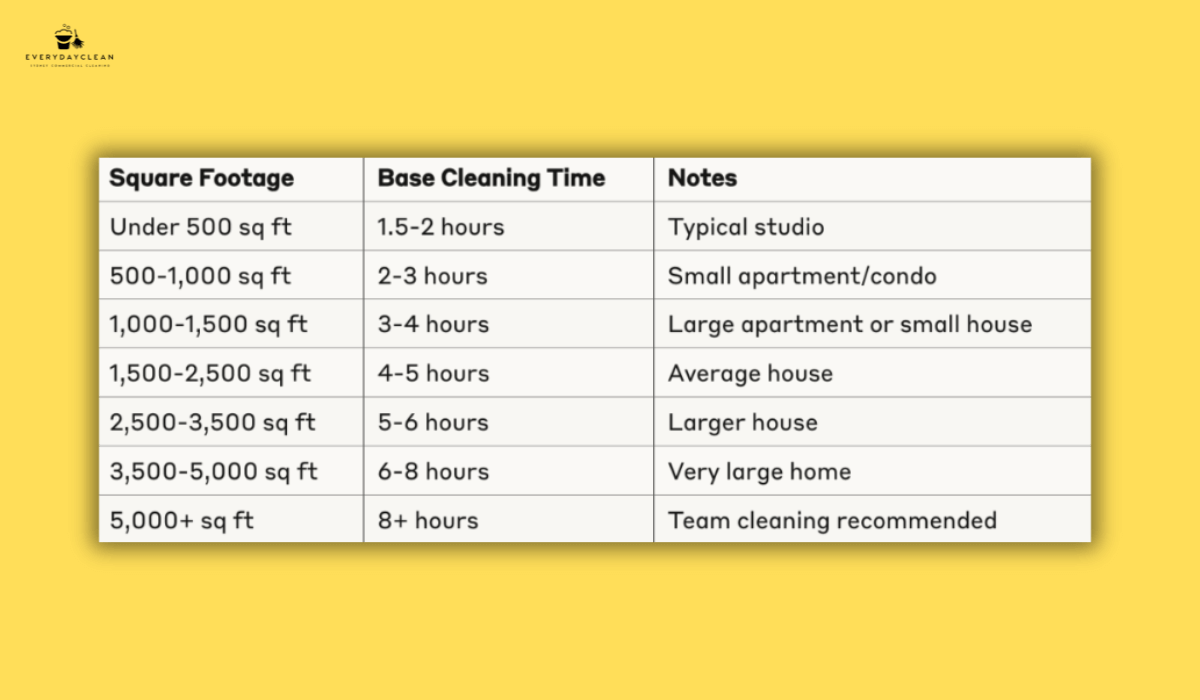
Square meterage directly correlates with cleaning time requirements and chemical consumption, forming the primary pricing determinant. A 100-square-meter apartment requires approximately 2-3 hours for thorough turnover cleaning, while 250-square-meter houses demand 4-6 hours depending on layout complexity and furnishing density.
Multi-level properties command premium pricing due to stair cleaning, equipment transportation between floors, and increased physical demands on cleaning staff. Split-level designs, mezzanines, and unconventional layouts extend cleaning duration by 20-30% compared to single-level floor plans of equivalent square meterage. Heritage properties with intricate architectural details, period fixtures, and delicate finishes require specialized expertise, adding 15-25% to standard rates.
Location and Market Conditions
Urban locations with high parking costs, limited access, and congestion challenges increase operational expenses for cleaning services. Inner-city Sydney and Melbourne properties often carry $20-$40 surcharges compared to suburban equivalents, reflecting parking fees, traffic delays, and equipment transportation logistics.
Regional markets, including coastal holiday destinations, experience seasonal pricing fluctuations. Peak tourism periods see 15-30% rate increases due to demand surges, while off-peak months may offer discounted rates for consistent booking commitments. Cleaning services in tourist-heavy areas like Byron Bay, Noosa, and Margaret River adjust pricing dynamically based on accommodation demand cycles.
Turnover Frequency and Scheduling
High-frequency turnovers between short stays generate volume discounts for hosts maintaining consistent, cleaner relationships. Properties averaging 15-20 turnovers monthly can negotiate 10-20% reductions compared to occasional cleaning arrangements. This pricing structure benefits both parties - hosts reduce per-clean costs while cleaners secure reliable income streams and efficient scheduling.
Same-day turnovers between guest departures and arrivals carry 25-50% premium charges due to compressed timeframes and quality pressure. When checkout occurs at 10:00 AM and check-in at 2:00 PM, cleaners must execute flawless turnovers within tight windows, often requiring additional staff or prioritized scheduling that commands higher rates.
Last-minute booking accommodations requiring emergency cleaning services attract premium pricing ranging from 30-75% above standard rates. These urgent requests disrupt cleaner schedules, often necessitate overtime labor, and carry higher error risks that professional services offset through surcharges.
Service Inclusions and Quality Standards
Basic cleaning packages cover essential turnover tasks, including surface cleaning, bathroom sanitization, kitchen deep-cleaning, vacuuming, mopping, and trash removal. Premium packages incorporate additional services like window cleaning, balcony maintenance, appliance deep-cleaning, and detailed inspection protocols that ensure five-star presentation standards.
Linen management approaches significantly impact total costs. Full linen service including washing, drying, ironing, and bed-making, adds substantial value while increasing per-turnover expenses. Hosts providing their own laundered linens reduce cleaning costs but assume time commitments and quality control responsibilities that affect overall operational efficiency.
Quality assurance protocols, including photographic documentation, checklist completion, and issue reporting systems, add administrative value without necessarily increasing per-clean pricing. However, cleaners offering comprehensive communication platforms, real-time updates, and proactive maintenance alerts often command 10-15% premiums that deliver value through reduced vacancy periods and guest complaint prevention.
How to Calculate Your Airbnb Cleaning Costs?
Calculating accurate Airbnb cleaning costs requires a systematic assessment of property specifications, service requirements, and booking patterns. This calculation process helps hosts establish realistic budgets, evaluate cleaning service proposals, and optimize pricing strategies that protect profit margins while maintaining competitive nightly rates.
Step 1: Assess Property Specifications
Begin by documenting precise property dimensions, including total square meterage, bedroom count, bathroom count, and additional spaces requiring regular cleaning. Kitchen size and equipment complexity, living area configurations, outdoor spaces, and special features like pools or home theaters all influence cleaning duration and cost structures.
Property condition and furnishing density also affect pricing calculations. Minimalist designs with hard flooring and limited decorative items clean faster than heavily furnished spaces with carpeting, extensive soft furnishings, and numerous decorative elements requiring individual attention. Conduct an honest assessment of cleaning complexity rather than relying solely on bedroom count metrics.
Step 2: Define Service Scope Requirements
Determine which services align with guest expectations and property positioning within the market. Budget accommodations may require only basic cleaning between guests, while luxury properties demand comprehensive detailing including window cleaning, plant care, and amenity staging that creates memorable first impressions.
List specific requirements, including linen handling preferences, restocking responsibilities, key exchange protocols, and inspection documentation needs. Clear scope definition prevents misunderstandings, enables accurate quote comparisons, and establishes quality benchmarks that protect guest satisfaction ratings and platform performance metrics.
Step 3: Research Market Rates
Obtain quotes from a minimum of three professional Airbnb cleaning services operating within your property's location. Request detailed breakdowns showing baseline cleaning costs, additional service charges, and any surcharges for specific property characteristics or scheduling requirements. This comparative research reveals local market rates and identifies pricing outliers requiring scrutiny.
Evaluate quotes beyond headline pricing by assessing service inclusions, quality guarantees, insurance coverage, and communication systems. The lowest-priced option may exclude critical services or quality assurance measures that ultimately increase costs through guest complaints, negative reviews, or property damage requiring intervention.
Step 4: Factor in Booking Frequency
Project annual turnover counts based on booking history, seasonal patterns, and occupancy rate targets. Properties averaging 15 turnovers monthly face different cost dynamics than those managing 5-7 turnovers monthly. High-frequency operations unlock volume discounts while enabling relationship development with cleaners who understand property nuances and guest expectations.
Calculate monthly and annual cleaning budgets by multiplying per-turnover costs by projected booking frequencies. Include contingency buffers for same-day turnovers, damage situations, and seasonal demand fluctuations that may increase costs by 10-20% during peak periods. This comprehensive budgeting approach prevents profit margin erosion and enables confident pricing decisions.
Step 5: Account for Hidden Costs
Beyond direct cleaning charges, factor in supplementary expenses affecting total turnover costs. Cleaning supply replenishment, linen replacement cycles, amenity restocking, and quality control site visits all contribute to operational expenses that impact profitability. Some hosts spend $40-$80 monthly on supplies and amenities beyond professional cleaning fees.
Transportation costs for linen delivery, supply drops, or property inspections add to overall cleaning-related expenses. Properties located in areas with limited cleaner availability may require higher rates or travel surcharges that regional market comparisons might not reflect. Comprehensive cost accounting ensures pricing strategies maintain target profit margins.
What's Included in Professional Airbnb Cleaning Services?
Professional Airbnb cleaning services deliver comprehensive turnover protocols that exceed standard residential cleaning standards. Understanding service inclusions helps hosts evaluate proposals, set appropriate expectations, and ensure guest-ready property conditions that protect review ratings and platform performance.
Core Cleaning Tasks
Kitchen deep-cleaning forms the foundation of quality Airbnb turnovers, encompassing appliance interiors, countertop sanitization, sink polishing, and cabinet exterior wiping. Professional cleaners empty refrigerators of perishables, clean stovetops and ovens, sanitize dishwashers, and ensure all surfaces gleam for incoming guests. This attention to kitchen presentation directly impacts guest satisfaction, as cooking facilities receive heavy usage scrutiny.
Bathroom sanitization protocols include toilet bowl cleaning with disinfectants, shower and bathtub scrubbing, sink polishing, mirror cleaning, and floor mopping. Professional services replace towels, restock amenities, and inspect grout, fixtures, and drainage systems for maintenance issues requiring host attention. Everyday Clean provides comprehensive turnover protocols that maintain these exacting standards across all property types. Bathrooms represent critical quality indicators that influence review ratings disproportionately compared to other property areas.
Living spaces receive thorough vacuuming or mopping depending on flooring types, with furniture dusting, cushion plumping, and decorative item arrangement creating welcoming environments. Cleaners straighten books, adjust artwork, and ensure remote controls, electronics, and entertainment systems function properly. This detailed approach transforms spaces from "cleaned" to "guest-ready" - a distinction that separates professional services from basic cleaning.
Linen Management Options
Full linen service includes stripping beds, washing sheets and pillowcases, drying, ironing, and bed-making with fresh linens. Towel sets receive similar treatment, with bath towels, hand towels, and face washers laundered, folded, and positioned strategically in bathrooms. This comprehensive approach ensures consistent quality but adds significant costs ranging from $25-$60 per turnover.
Partial linen service involves cleaners collecting used linens for host laundering while making beds with host-provided fresh sets. This hybrid approach reduces per-turnover costs while maintaining professional presentation standards. Hosts investing in commercial-grade linen management systems can reduce long-term costs while controlling brand consistency and replacement cycles.
Some cleaning services exclude linen management entirely, focusing solely on property cleaning while hosts manage textile logistics independently. This separation works well for experienced hosts with established laundry systems or those outsourcing linen management to specialized commercial laundry services that offer pickup, laundering, and delivery at competitive rates.
Inspection and Reporting
Quality cleaning services conduct systematic property inspections, identifying maintenance issues, damage, or supply shortages requiring host attention. Photographic documentation provides evidence of property conditions post-cleaning, protecting both hosts and cleaners from disputes while creating accountability frameworks that ensure consistent standards.
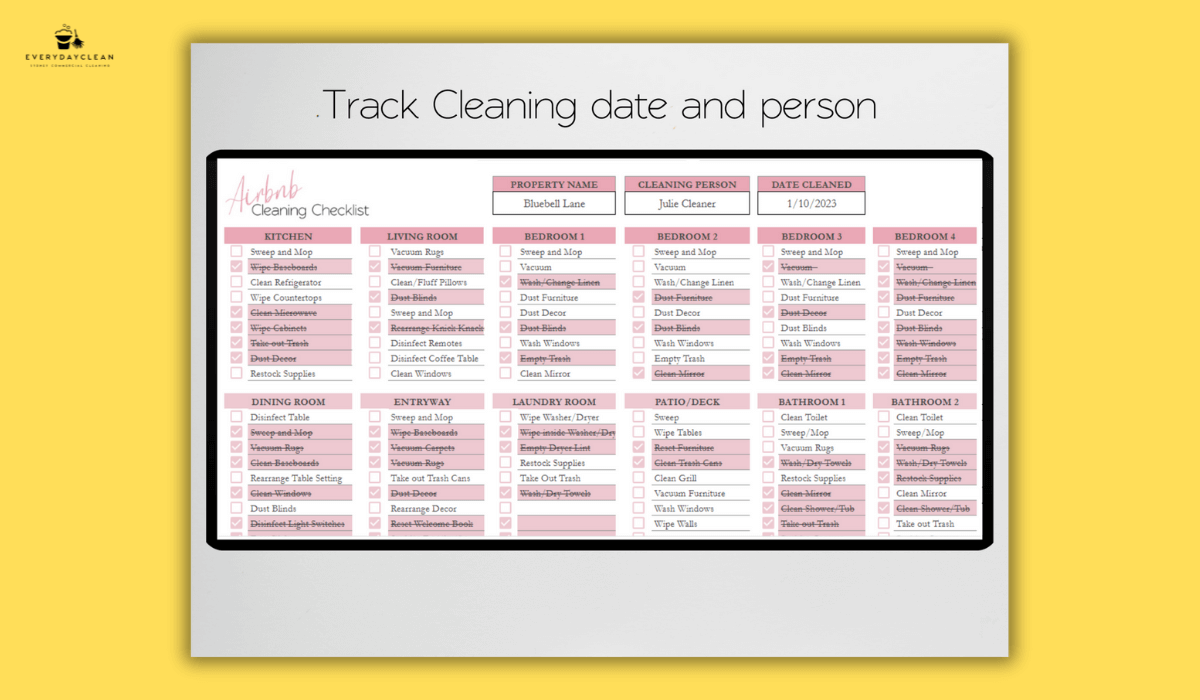
Digital checklists covering every room and task create completion transparency, with timestamped submissions confirming turnover timing and thoroughness. Progressive cleaning services offer cloud-based platforms where hosts review completed tasks, view photos, and communicate directly with cleaners regarding specific concerns or special requests.
Proactive issue reporting distinguishes premium cleaning services from basic providers. When cleaners identify broken appliances, plumbing problems, or maintenance needs, immediate communication prevents guest complaints and enables swift resolution. This partnership approach transforms cleaners from service providers into property management allies who protect host interests and guest satisfaction simultaneously.
How to Find Reliable Airbnb Cleaners in Australia?
Finding reliable Airbnb cleaning services requires strategic research, thorough vetting, and relationship management that ensures consistent quality across multiple turnovers. The cleaner selection process significantly impacts guest satisfaction, review ratings, and operational efficiency for successful short-term rental management.
Research Local Cleaning Services
Start by searching "Airbnb cleaning services" combined with specific location terms through Google, Bing, and local business directories. Specialized providers offering dedicated Airbnb cleaning services understand platform-specific quality expectations and turnover timing demands. Platforms like Airtasker, ServiceSeeking, and specialized Airbnb service marketplaces connect hosts with experienced cleaners familiar with vacation rental standards and turnover requirements.
Host community forums, local Airbnb Facebook groups, and property management networks provide valuable recommendations from operators managing similar properties. These peer referrals often identify reliable cleaners with proven track records, competitive pricing, and communication systems that align with host expectations.
Property management companies, real estate agencies specializing in short-term rentals, and co-hosting services maintain networks of vetted cleaning professionals. Even hosts not requiring full management services can access these cleaner networks through referral arrangements or à la carte service bookings.
Evaluate Service Credentials
Verify cleaning services maintain appropriate insurance coverage, including public liability and professional indemnity protection. These policies safeguard hosts against property damage, theft, or injuries occurring during cleaning operations. Request certificates of currency confirming active coverage before establishing service relationships.
Check for relevant qualifications, certifications, or memberships in professional cleaning associations. While not mandatory, credentials from organizations like ISSA (International Sanitary Supply Association) or local cleaning industry bodies indicate commitment to professional standards and ongoing training.
Review digital presence, including websites, social media profiles, and online reviews across Google, Facebook, and industry platforms. Consistent positive feedback regarding reliability, communication, and quality provides confidence in service capabilities. Conversely, pattern complaints about missed appointments, incomplete cleaning, or poor communication signal potential problems worth avoiding.
Conduct Trial Services
Initiate relationships through trial cleaning assignments covering 2-3 turnovers before committing to ongoing arrangements. This evaluation period reveals service quality, communication effectiveness, and reliability under realistic operational conditions. Conduct detailed property inspections following trial cleans, comparing results against quality checklists and guest expectation standards.
Provide constructive feedback during trial periods, assessing how cleaners respond to specific requests, address concerns, and adapt to property-specific requirements. Professional services welcome feedback and demonstrate improvement based on host preferences, while problematic providers resist guidance or fail to implement requested adjustments.
Test communication systems during trial periods by simulating common scenarios, including last-minute bookings, guest damage situations, and maintenance issue discoveries. Responsive cleaners who communicate proactively, provide timely updates, and demonstrate problem-solving initiative prove invaluable for stress-free hosting operations.
Establish Clear Agreements
Formalize cleaning relationships through written agreements specifying the scope of services, pricing structures, payment terms, and quality expectations. Detail specific tasks required per turnover, additional services available, and surcharge conditions for damage cleaning, supply costs, or emergency scheduling requests.
Define communication protocols, including preferred contact methods, response time expectations, and reporting requirements. Establish how booking schedules are transmitted to cleaners, how completed work gets confirmed, and how issues get escalated for urgent resolution.
Include termination clauses allowing either party to exit arrangements with reasonable notice periods, typically 14-30 days. This flexibility protects both hosts and cleaners while encouraging professional conduct and service quality maintenance throughout the relationship duration.

FAQs about Airbnb house cleaning prices
Common questions about Airbnb house cleaning prices help hosts understand cost structures and optimize cleaning arrangements for profitable operations.
How much should I charge guests for Airbnb cleaning?
Airbnb cleaning fees typically range from $80-$200 for small properties to $250-$450 for larger homes across Australian markets. Match your cleaning fee to actual costs while researching competitor pricing for similar properties in your area. Premium properties can justify higher fees, while budget listings may need to absorb partial costs to maintain booking conversion rates. Consider tiered pricing based on stay duration - longer bookings can offer reduced or waived cleaning fees to encourage extended reservations.
Are Airbnb cleaning services tax-deductible?
Yes, Airbnb cleaning services are fully tax-deductible business expenses when properly documented with invoices and payment receipts. These operational costs reduce taxable income for hosts running short-term rentals commercially. Maintain separate records distinguishing business cleaning from personal expenses, particularly for properties serving dual purposes. Consult a tax professional specializing in rental property taxation to maximize legitimate deductions and ensure ATO compliance.
How often should Airbnb properties be professionally cleaned?
Professional cleaning is required after every guest checkout before new arrivals, making frequency dependent on booking rates. High-turnover properties may need 15-20 cleans monthly, while longer-stay focused properties require only 4-6 monthly turnovers. Schedule quarterly or bi-annual deep cleans for carpet shampooing, window cleaning, and appliance maintenance beyond standard turnovers. Use low-occupancy periods for comprehensive maintenance cleaning without impacting guest availability.
What happens if my Airbnb cleaner damages something?
Professional cleaning services with public liability insurance provide financial protection for accidental property damage during service delivery. Document incidents immediately with photos and detailed descriptions to support insurance claims or compensation negotiations. Reputable services respond cooperatively to legitimate claims, either processing insurance or providing direct reimbursement for minor items. Ensure written agreements specify damage liability protocols and insurance requirements before service commencement.
Can I use regular house cleaners for Airbnb turnovers?
Regular residential cleaners can handle Airbnb turnovers if they understand vacation rental quality expectations and timing demands. However, short-term rental specialists often deliver superior results through experience with platform review standards and efficient turnover systems. Provide residential cleaners with detailed checklists and quality benchmarks when transitioning them to Airbnb work. Compare costs carefully - lower hourly rates may be offset by longer cleaning times or quality inconsistencies requiring rebooking.
You might also like
Blog