Office Cleaning Checklist: Weekly Tasks Guide
A weekly office cleaning checklist addresses intermediate-depth maintenance tasks that prevent bacterial accumulation, dust buildup, and surface degradation between daily wipe-downs and monthly deep cleans. Australian commercial offices require systematic weekly protocols to maintain Work Health and Safety compliance, reduce pathogen transmission, and preserve asset quality across carpets, upholstery, and HVAC systems.
This comprehensive checklist organizes tasks by zone - workstations, restrooms, kitchens, meeting rooms, and common areas - providing actionable items that professional office cleaning Sydney teams or in-house staff can implement immediately. Weekly cleaning typically requires 90-120 minutes per 100 square metres, addressing areas where dust particles, allergens, and grime accumulate gradually throughout the seven-day work cycle.
Weekly Office Cleaning Checklist: Workstations and Desk Areas
Workstations accumulate dust, allergens, and bacterial contamination throughout the week despite daily surface wiping. Static electricity from electronic equipment attracts airborne particles to monitors, keyboards, and desk surfaces, while skin contact transfers oils and pathogens to frequently touched items. Weekly deep cleaning addresses these cumulative pollutants that daily protocols cannot fully eliminate.
Surface Cleaning and Dusting
Horizontal and vertical surfaces throughout workstations require systematic dusting to remove accumulated particles, affecting air quality and equipment performance.
- Desk surfaces: Remove all items, wipe down with microfiber cloths and pH-neutral cleaners to eliminate dust, fingerprints, and surface bacteria without damaging finishes
- Filing cabinets: Dust tops and vertical surfaces where static-charged particles settle, including sides and handles that collect skin oils from repeated contact
- Shelving units: Wipe down all shelf surfaces from top to bottom, removing accumulated dust, paper debris, and potential allergens affecting respiratory health
- Cubicle partitions: Clean both sides of partition walls using appropriate cleaners for fabric or hard surfaces, addressing dust accumulation that daily cleaning misses
- Office chairs: Wipe down armrests, seat cushions, backrests, and adjustment mechanisms where skin contact occurs, using appropriate cleaners for leather, fabric, or mesh materials
- Monitor exteriors: Dust monitor casings, bases, and adjustment arms using microfiber to prevent scratching, removing electrostatic dust that accumulates around heat-generating electronics
- Computer towers: Wipe down tower exteriors and dust intake vents to prevent overheating and maintain equipment performance
- Telephone systems: Clean handsets, cords, base units, and buttons with disinfectant wipes, addressing bacterial loads that exceed 25,000 organisms per square inch on frequently used phones
- Picture frames and wall art: Dust frames, glass surfaces, and decorative items that accumulate particles affecting overall workspace appearance
- Window sills and ledges: Wipe down horizontal surfaces where dust, dead insects, and outdoor debris accumulate weekly
These surface cleaning tasks create healthier work environments by removing allergen sources and reducing pathogen transmission risks across shared office spaces.
Electronics and Equipment
Electronic equipment harbours concentrated bacterial colonies due to warmth, frequent hand contact, and electrostatic particle attraction. Research indicates keyboards contain 20,000+ bacteria per square inch - 400 times higher contamination than toilet seats.
- Keyboards: Power down equipment, use electronic-safe disinfectant wipes between keys and across surfaces, addressing bacterial hotspots, including the spacebar, enter key, and commonly used letter keys
- Computer mice: Sanitise top surfaces, scroll wheels, side buttons, and bottom sensors using appropriate wipes that won't damage optical components
- Mouse pads: Wipe down hard-surface pads or vacuum fabric pads to remove accumulated skin cells, food particles, and dust affecting tracking performance
- Monitor screens: Use specialised screen cleaners and microfiber cloths to remove fingerprints, dust, and smudges without damaging anti-glare coatings or leaving streaks
- Desk phones and headsets: Disinfect earpieces, mouthpieces, cords, and control buttons where direct skin and mouth contact creates bacterial transmission risks
- Printer exteriors: Wipe down printer casings, paper trays, output bins, and control panels that collect dust and toner residue
- Copier surfaces: Clean copier exteriors, document feeders, scanner glass, and touchscreen panels using appropriate cleaners that won't damage sensitive surfaces
- Scanner glass: Use streak-free glass cleaner on flatbed scanner surfaces to maintain scan quality and prevent document contamination
- Power strips and surge protectors: Wipe down power strip casings and cable connections that accumulate dust, posing potential fire hazards
- Cable management systems: Clean cable runs, clips, and organisers where dust accumulates, affecting air quality and creating an untidy appearances
- Shared calculators and staplers: Sanitise shared office tools and equipment that multiple employees contact throughout the workday
Electronics cleaning reduces cross-contamination risks while extending equipment lifespan through proper dust management and heat dissipation maintenance.
Floor and Under-Desk Cleaning
Floor areas beneath and around workstations accumulate debris that daily sweeping cannot access, requiring weekly equipment-intensive intervention to maintain hygiene and appearance standards.
- Carpet vacuuming: Vacuum all carpeted workstation areas using commercial-grade equipment with HEPA filtration, making multiple passes in high-traffic zones
- Under-desk spaces: Pull out chairs completely and vacuum beneath desks where food particles, paper clips, dust, and debris accumulate beyond daily cleaning reach
- Rolling file cabinets: Pull cabinets away from walls and vacuum underneath, addressing dust buildup and lost items that create clutter and pest attraction
- Corners and edges: Use crevice attachments to vacuum carpet edges along baseboards, corners, and partition bases where debris accumulates
- Baseboards: Wipe down baseboards using damp microfiber cloths to remove scuff marks, dust, and surface dirt that vacuuming alone cannot eliminate
- Hard floor mopping: Mop hard surface floors, including tile, vinyl, and polished concrete, using appropriate cleaning solutions for each material type
- Floor mat cleaning: Vacuum or shake out desk chair mats, anti-fatigue mats, and personal floor coverings that trap dirt and allergens
- Stain treatment: Address visible carpet stains immediately using appropriate spot cleaners before stains set permanently into fibers
- Cable floor covers: Lift cable protectors and floor cord covers to vacuum underneath, where dust and debris accumulate, creating trip hazards
Thorough floor cleaning improves indoor air quality by removing accumulated allergens while preventing permanent carpet damage from embedded particles grinding fibers during daily foot traffic.
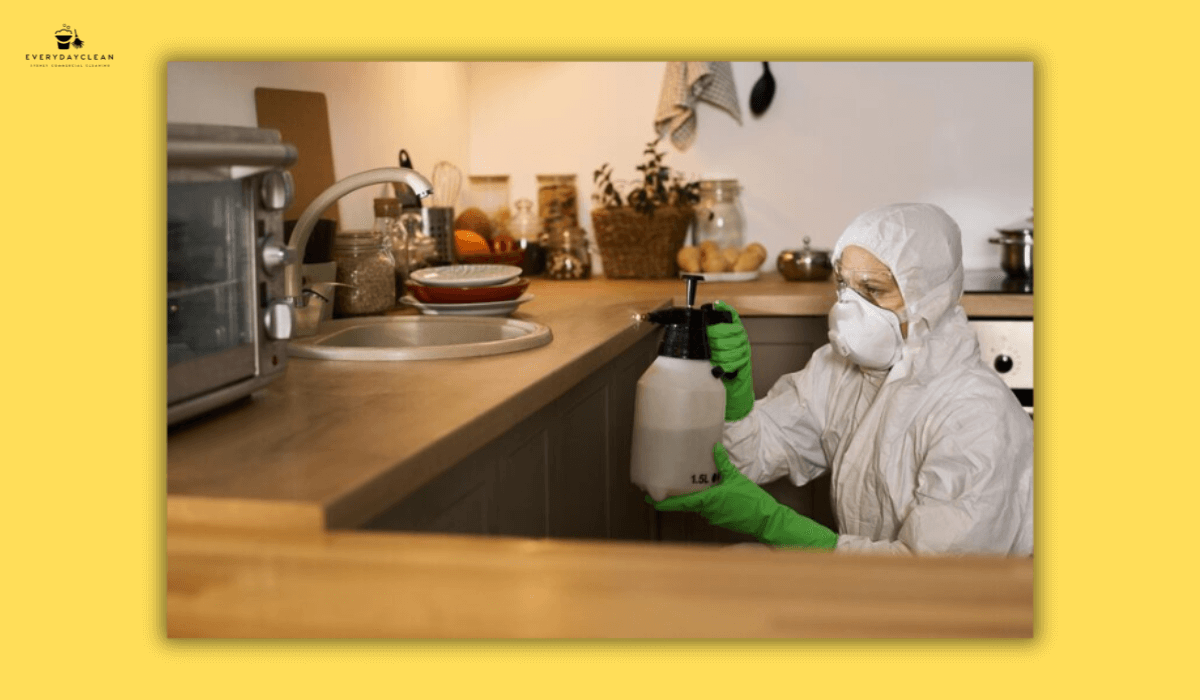
Weekly Office Cleaning Checklist: Kitchen and Break Room
Kitchen and break room areas require intensive weekly cleaning beyond daily maintenance due to food preparation, eating activities, and appliance usage creating bacterial growth conditions, odour development, and hygiene risks affecting employee health.
Appliance Deep Cleaning
Kitchen appliances accumulate food residue, grease, and bacterial contamination throughout the week that daily wiping cannot fully eliminate, requiring deep intervention to prevent odours and maintain food safety.
- Microwave interior: Heat bowl of water with lemon juice for 3 minutes to steam-soften baked-on residue, then wipe interior walls, ceiling, and floor with hot soapy water
- Microwave turntable: Remove glass turntable and support ring, wash in hot soapy water, scrub away food particles and grease, rinse and dry before replacing
- Microwave exterior: Wipe down exterior surfaces, including door, handle, control panel, and top surface, where dust and grease accumulate
- Refrigerator interior: Remove all items, discard expired food, wipe shelves and drawers with food-safe cleaner, address spills and sticky residue
- Refrigerator door seals: Clean rubber gaskets around door edges where mould and mildew develop in moisture-rich environments, using appropriate anti-fungal cleaners
- Refrigerator exterior: Wipe down exterior surfaces, handles, and top surface (often neglected area where dust accumulates heavily)
- Coffee machine deep clean: Descale internal components following manufacturer instructions, clean drip trays, and remove coffee oil buildup from brewing components
- Kettle descaling: Fill the kettle with white vinegar-water solution, boil, let sit 30 minutes, rinse thoroughly to remove mineral deposits affecting performance
- Toaster crumb removal: Empty crumb trays, shake out loose particles, wipe interior heating elements carefully, and clean exterior surfaces
- Dishwasher maintenance: Clean filter screens, wipe door seals, run an empty cycle with dishwasher cleaner to remove grease and mineral buildup
- Oven and stovetop: Scrub cooking surfaces, remove burnt-on food, clean burner grates,and address grease accumulation around controls
- Sink and faucet descaling: Remove mineral deposits from faucets using appropriate descaling solutions, ensuring proper water flow and preventing bacterial growth in deposits
Appliance deep cleaning prevents cross-contamination between food items, eliminates odour sources, and maintains equipment efficiency, reducing energy consumption and extending operational lifespan.
Surfaces and Storage
Countertops, cabinets, and storage areas harbour bacteria from food handling, spills, and repeated contact, requiring systematic weekly sanitization beyond daily surface wiping.
- Kitchen cabinets interior: Empty cabinets completely, wipe interior shelves and walls with food-safe cleaner, remove crumbs and sticky residue
- Pantry organization: Check all stored items for expiration dates, dispose of outdated products, and organize remaining items for easy access and inventory management
- Countertop deep cleaning: Scrub countertops thoroughly using appropriate cleaners for material type (laminate, granite, stainless steel), addressing stains and discolouration
- Stainless steel surfaces: Polish stainless steel countertops, appliance exteriors, and backsplashes using specialized cleaners that remove water spots and restore shine
- Sink basin scrubbing: Scrub sink bowls thoroughly using appropriate cleaners, addressing mineral deposits, food residue, and potential bacterial biofilm development
- Drain area cleaning: Clean sink drain surrounds, drain covers, and garbage disposal splash guards where food particles and bacterial growth concentrate
- Faucet and tap polishing: Descale and polish faucets, removing water spots, mineral buildup, and fingerprints for improved appearance and function
- Cabinet exterior cleaning: Wipe down all cabinet door fronts, handles, and drawer fronts that collect fingerprints, grease splatters, and surface dirt
- Backsplash wiping: Clean tile or painted backsplash areas behind sinks and preparation zones where water splashes and food particles accumulate
- Vending machine exteriors: Wipe down vending machine surfaces, selection buttons, and payment areas that multiple employees contact daily
- Water cooler/dispenser: Clean exterior surfaces, drip trays, dispensing nozzles, and splash zones around water coolers
Surface and storage cleaning maintains food safety standards, prevents pest attraction from accumulated crumbs, and creates professional kitchen environments supporting employee satisfaction.
Waste and Floor Care
Kitchen floors and waste receptacles require weekly intensive cleaning due to food debris, liquid spills, and organic matter creating bacterial breeding grounds and odour issues beyond daily management.
- Trash bin emptying: Remove all waste bags from bins, ensure proper disposal of recyclables and general waste in designated collection areas
- Bin interior washing: Wash bin interiors thoroughly with disinfectant solution, addressing sticky residue, odour-causing bacteria, and potential pest attraction
- Recycling container cleaning: Clean recycling bins, removing liquid residue, food contamination, and sticky substances that contaminate recyclable materials
- Bin liner replacement: Install fresh bin liners, ensuring proper fit and adequate thickness for intended waste types
- Kitchen floor sweeping: Sweep all kitchen floor area,s removing loose debris, food particles, and dust before mopping
- Floor mopping: Mop kitchen floors using appropriate floor cleaner and disinfectant, paying attention to corners and edges where debris accumulates
- Under-appliance cleaning: Move portable appliances and mop behind refrigerators, microwaves, and other equipment where spills and debris hide
- Floor tile and grout: Scrub tile grout lines using appropriate brushes and cleaners to remove discolouration, mould, and embedded dirt
- Wall spot-cleaning: Address splash marks, food splatters, and fingerprints on walls surrounding sinks, preparation areas, and waste bins
- Table and chair cleaning: Wipe down all eating area tables and chairs with disinfectant, addressing spills, crumbs, and surface bacteria from food contact
Waste and floor maintenance prevents odour development, eliminates pest attraction risks, and maintains hygienic environments where food consumption occurs daily.
Weekly Office Cleaning Checklist: Restrooms and Washrooms
Restrooms require the most intensive weekly intervention due to constant moisture exposure, biological waste, and high bacterial density, creating health risks beyond daily cleaning capacity. For comprehensive protocols, refer to our detailed office bathroom cleaning checklist.
Fixture Sanitisation
Restroom fixtures experience continuous contamination from biological waste, water exposure, and frequent contact, demanding hospital-grade disinfection protocols weekly.
- Toilet bowl deep scrubbing: Scrub toilet bowls thoroughly using toilet-specific cleaners containing hydrochloric acid or similar compounds, addressing mineral rings, stains, and bacterial buildup
- Toilet seats (both sides): Disinfect toilet seat tops and undersides, hinges, and mounting hardware where urine deposits and bacteria concentrate
- Toilet bases and hinges: Clean around toilet bases where urine deposits create odour and staining, addressing grout lines and floor tile interfaces
- Urinal deep cleaning: Scrub urinals completely using appropriate cleaners, addressing mineral deposits from urine, watermarks, and bacterial biofilm
- Sink basin scrubbing: Scrub sink bowls thoroughly, removing soap scum, mineral deposits, toothpaste residue, and potential bacterial contamination
- Faucet descaling: Remove mineral buildup from faucet aerators, handles, and spouts, ensuring proper water flow and preventing bacterial growth in deposits
- Mirror polishing: Clean mirrors completel,y removing water spots, soap splatter, toothpaste marks, and fingerprints using streak-free glass cleaner
- Soap dispenser cleaning: Clean soap dispenser exteriors and interior,s which harbour bacterial contamination from repeated hand contact
- Partition wall disinfection: Wipe down toilet partition walls, doors, and dividers with disinfectant, addressing both sides where hand contact and potential contamination occurs
- Door and lock sanitisation: Disinfect stall doors, door handles, lock mechanisms, and coat hooks that every restroom user contacts
- Grab rail cleaning: Sanitize accessibility grab rails, support bars, and handrails where hand contact occurs frequently
- Feminine hygiene disposal: Empty and sanitize feminine hygiene disposal units, replacing liners and addressing odour control
Fixture sanitisation eliminates pathogen reservoirs, prevents cross-contamination between restroom users, and maintains compliance with Australian health standards for workplace facilities.
Tile, Grout, and Surface Treatment
Moisture-rich restroom environments create ideal conditions for mould, mildew, and bacterial growth on tile surfaces and grout lines, requiring weekly anti-microbial treatment.
- Wall tile scrubbing: Scrub tile walls around sinks and in shower areas using mould-inhibiting cleaners, removing soap scum, water deposits, and organic growth
- Grout line cleaning: Clean grout lines between tiles using appropriate brushes and grout cleaners, addressing discolouration from mould and mineral deposits
- Partition material cleaning: Wipe down partition materials (powder-coated steel, laminate, solid plastic) using appropriate cleaners that won't damage surface finishes
- Splash zone treatment: Address splash marks and water spots on walls behind sinks, urinals, and toilets where repeated water contact occurs
- Shower wall maintenance (if applicable): Scrub shower walls, glass doors, and surrounds, removing soap scum, hard water deposits, and potential mildew
- Floor tile deep cleaning: Scrub floor tiles thoroughly, addressing high-traffic wear patterns, moisture staining, and organic matter accumulation
- Floor grout scrubbing: Clean floor grout lines that trap dirt, absorb moisture, and develop discolouration from repeated foot traffic and cleaning product residue
- Drain cover cleaning: Remove floor drain covers, clean surrounding areas, check for debris causing odours or drainage problems
- Baseboard wiping: Clean baseboards and wall-floor interfaces where moisture, dust, and cleaning product residue accumulate
Tile and surface treatment prevents permanent staining, mould establishment, and odour development while maintaining professional restroom appearances meeting workplace standards.
Supply Management
Weekly restocking provides an opportunity for thorough dispenser cleaning while ensuring continuous availability of hygiene consumables required under workplace health legislation.
- Toilet paper refilling: Refill all toilet paper dispensers, ensuring adequate supply for projected usage between service intervals
- Paper towel restocking: Fill paper towel dispensers completely, checking dispenser mechanisms for proper function and jam prevention
- Soap dispenser filling: Refill hand soap dispensers with appropriate liquid soap, ensuring proper dilution ratios and avoiding product mixing
- Hand sanitiser stations: Refill hand sanitizer dispensers, clean exteriors, and ensure proper function of pump mechanisms
- Dispenser exterior cleaning: Wipe down all dispenser exteriors (toilet paper, paper towel, soap, sanitiser), removing fingerprints, water spots, and bacterial contamination
- Air freshener replacement: Check air freshener units, replace cartridges or refills as needed, clean dispenser housings
- Sanitary disposal emptying: Empty sanitary napkin disposal units, replace liners, and sanitize unit interiors and exteriors
- Hand dryer maintenance: Clean hand dryer exteriors, remove lint from air intakes, wipe sensor areas, ensuring proper activation
Supply management ensures compliance with Australian workplace health requirements while maintaining dignity and hygiene standards for all facility users.
Floor Maintenance
Restroom floors experience constant moisture exposure, foot traffic, and cleaning chemical contact requiring weekly intensive treatment beyond daily mopping.
- Floor disinfection: Mop all restroom floors using hospital-grade disinfectant appropriate for floor material type (tile, vinyl, sealed concrete)
- Corner and edge attention: Pay particular attention to floor corners, edges along baseboards, and areas behind toilets where debris and moisture accumulate
- Under-fixture cleaning: Mop thoroughly under sinks, around toilet bases, and beneath urinals where daily cleaning equipment cannot easily access
- Stain treatment: Address any floor stains, mineral deposits, or discolouration immediately using appropriate spot treatments before permanent setting
- Drain maintenance: Ensure floor drains flow freely, check for debris causing odours, treat drain areas with enzymatic cleaners if persistent odours occur
- Floor mat cleaning: Remove, shake out, and clean entrance mats and absorbent mats placed near sinks or hand dryers
- Grout sealing check: Inspect grout condition, report areas needing re-sealing to prevent moisture absorption and bacterial penetration
Floor maintenance prevents slip hazards from moisture accumulation, eliminates odour sources from bacterial growth, and maintains professional facility standards.
Weekly Office Cleaning Checklist: Common Areas and Reception
Common areas and reception spaces create first impressions for clients while serving high-traffic functions for employees, requiring consistent presentation standards and hygiene protocols.
Reception and Lobby
Reception areas serve as primary client contact points and business impression zones, demanding immaculate presentation standards beyond functional cleanliness.
- Reception desk cleaning: Dust and polish reception desk surfaces, removing fingerprints, dust, and surface marks from countertops and display areas
- Glass entry doors: Clean glass entry doors on both interior and exterior surfaces, removing fingerprints, smudges, weather marks, and ensuring streak-free clarity
- Door handles and plates: Disinfect door handles, push plates, and pull handles that every visitor and employee contacts during entry
- Lobby floor care: Vacuum carpeted lobby areas thoroughly or mop hard surface floors, addressing high-traffic wear patterns and ensuring professional appearance
- Entry mat maintenance: Clean floor mats and entry rugs that trap outdoor debris, vacuuming or shaking out accumulated dirt preventing interior tracking
- Waiting area furniture: Dust and wipe down sofas, chairs, coffee tables, and side tables in reception waiting areas
- Coffee table organisation: Arrange magazines, brochures, and reading materials neatly, discarding outdated publications and ensuring current materials
- Reception phone and equipment: Clean and disinfect reception phone systems, intercoms, and visitor management equipment
- Artwork and décor: Dust picture frames, sculptures, plants (artificial and live), and decorative elements contributing to reception aesthetics
- Metal fixture polishing: Polish metal railings, door hardware, elevator surrounds, and decorative elements maintaining professional shine
- Signage cleaning: Wipe down company signage, wayfinding displays, and informational boards removing dust and fingerprints
Reception cleaning creates positive stakeholder impressions, reflects organisational professionalism, and supports brand image through environmental presentation.
Corridor and Hallway Cleaning
Corridors experience constant foot traffic connecting office zones, requiring systematic weekly maintenance to prevent visible wear and maintain professional appearance throughout facilities.
- Carpet deep vacuuming: Vacuum all corridor carpets using commercial equipment, making multiple passes in centre traffic zones where wear concentrates
- Baseboard attention: Vacuum along baseboards using crevice attachments, removing dust and debris that accumulates at floor-wall interfaces
- Carpet stain treatment: Address any visible carpet stains or marks immediately using appropriate spot cleaners before permanent setting occurs
- Hard floor corridor mopping: Mop hard surface corridors using appropriate cleaners for material types (tile, vinyl, polished concrete, terrazzo)
- Handrail sanitisation: Wipe down handrails and banisters that hands contact repeatedly for support during movement through buildings
- Light switch cleaning: Wipe down light switch plates throughout corridors that hands contact frequently when entering/exiting spaces
- Door frame dusting: Dust and wipe door frames and doors along corridors, removing accumulated dust, fingerprints, and surface marks
- Cobweb removal: Remove cobwebs from corridor ceiling corners, light fixtures, and high wall areas using extension tools
- Corridor seating: Clean any corridor seating areas, benches, or waiting zones positioned along hallways
Corridor maintenance prevents visible dirt accumulation in high-traffic connector spaces while maintaining cohesive professional appearance across facilities.
Glass and Window Cleaning
Glass surfaces accumulate fingerprints, dust, and atmospheric contamination throughout the week, affecting natural light transmission and professional space appearance. For professional techniques and equipment recommendations, explore our window cleaning services.
- Interior glass partitions: Clean glass partition walls separating offices, meeting rooms, and workspace zones on both sides
- Glass office doors: Wipe down glass doors, removing handprints around handles, push zones, and full surface areas
- Window interior surfaces: Clean interior window glas,s removing dust, condensation marks, water spots, and atmospheric film
- Fingerprint removal: Address concentrated fingerprint areas around door handles, push zones, and frequently contacted glass surfaces
- Glass conference walls: Clean floor-to-ceiling glass conference room walls that require frequent cleaning due to visibility and meeting importance
- Glass tabletops: Polish glass-top tables in reception, meeting rooms, and common areas, removing fingerprints, cup rings, and surface marks
- Streak-free finishing: Ensure all glass surfaces receive proper finishing techniques, leaving no streaks, residue, or cleaning product marks
- Mirror surfaces: Clean decorative mirrors in common areas beyond restroom mirrors, maintaining reflective clarity
Glass cleaning maximises natural light penetration, improving workplace ambiance while maintaining professional aesthetics critical for client-facing business operations.
Weekly Office Cleaning Checklist: Meeting and Conference Rooms
Meeting rooms host client presentations, collaborative work sessions, and stakeholder discussions, requiring consistent cleanliness standards supporting professional business conduct.
Furniture and Surfaces
Conference furniture experiences regular use during meetings creating surface contamination from hand contact, food/beverage service, and material handling requiring weekly deep cleaning.
- Conference table wiping: Wipe down entire conference table surface using appropriate cleaner for material type (wood, laminate, glass), addressing fingerprints, cup rings, and surface marks
- Chair cleaning: Clean and disinfect all conference chairs including seats, backs, armrests, and adjustment mechanisms that participants contact during meetings
- Credenza dusting: Dust and wipe down storage credenzas, sideboards, and presentation furniture used for equipment or refreshment service
- Whiteboard deep cleaning: Clean whiteboards thoroughly removing all marker residue, ghosting, and built-up ink that standard erasing cannot eliminate
- Presentation equipment: Wipe down projector housings, screen surrounds, presentation stands, and display equipment used during meetings
- Remote control sanitisation: Disinfect remote controls for AV equipment, presentation systems, lighting controls, and room automation that multiple users handle
- Video conferencing equipment: Clean video conferencing cameras, microphones, speakers, and touchscreen controls ensuring optimal function and hygiene
- Window blind dusting: Dust window blinds, shades, or curtains that accumulate particles affecting light control and room appearance
- Window ledge cleaning: Wipe window sills and ledges where dust, dead insects, and debris accumulate affecting overall room cleanliness
Furniture and surface cleaning maintains professional meeting environments where business discussions, client presentations, and collaborative work occur requiring immaculate standards.
Technology and Equipment
Meeting room technology requires careful cleaning maintaining functionality while addressing bacterial contamination from shared use across multiple employees and visitors.
- Projector exterior cleaning: Wipe down projector casings and lens covers carefully, avoiding damage to sensitive optical components
- Display screen wiping: Clean projection screens, monitor displays, and television screens using appropriate cleaners that won't damage surface coatings
- Shared keyboard sanitisation: Disinfect shared keyboards used for room control, presentation input, or conference system operation
- Conference phone cleaning: Sanitise conference phone units, handsets, microphone arrays, and speaker grills that transmit voice during remote meetings
- Cable management: Wipe down visible cable runs, cable management boxes, and connection panels that collect dust affecting equipment cooling
- Speaker system dusting: Dust speaker housings, sound bars, and audio equipment maintaining optimal sound quality and preventing overheating
- Charging station cleaning: Wipe down device charging stations, power outlets, and USB charging ports used by meeting participants
Technology cleaning prevents equipment malfunction from dust accumulation while addressing hygiene concerns from shared device contact across multiple users.
Floor and General Care
Meeting room floors and general space organisation require weekly attention maintaining professional appearance and functional space arrangement.
- Carpet thorough vacuuming: Vacuum entire meeting room carpet including under and around conference table where daily cleaning cannot access
- Under-table cleaning: Move chairs and vacuum completely under conference tables where debris, dust, and dropped items accumulate
- Hard floor mopping: Mop hard surface meeting room floors using appropriate cleaners maintaining floor finish and professional appearance
- Floor mark removal: Address scuff marks, stains, or surface damage on floors from chair movement and foot traffic
- Chair arrangement: Arrange chairs consistently according to room setup standards ensuring a uniform, professional appearance
- Space decluttering: Remove items left from previous meetings, clear whiteboards (unless explicitly marked "Do Not Erase"), organise space for next users
- Supply restocking: Check and restock meeting room supplies, including whiteboard markers, notepads, pens, or standard meeting materials
Floor and space management ensures meeting rooms remain ready for immediate professional use without preparation delays affecting business scheduling.
Weekly Office Cleaning Checklist: High-Touch Surfaces Throughout Office
High-touch surfaces accumulate concentrated pathogen loads from repeated hand contact throughout the workweek requiring systematic disinfection beyond daily protocols.
Door Hardware and Switches
Door and electrical hardware experiences constant hand contact transferring bacteria, viruses, and surface contamination across entire office populations.
- Door handle disinfection: Disinfect all door handles, knobs, and lever handles throughout office using hospital-grade disinfectant
- Push plate sanitisation: Clean door push plates and kick plates where hands, shoulders, and feet contact surfaces during entry/exit
- Door panel wiping: Wipe down door surfaces around handles where hands push doors open creating concentrated contamination zones
- Light switch sanitisation: Disinfect all light switches throughout office that hands contact multiple times daily when entering/exiting spaces
- Door frame cleaning: Wipe down door frames where hands steady themselves during passage or where shoulders may contact during material carrying
- Access control panels: Clean keypad entry systems, card readers, and biometric access panels that hands contact for building security
- Elevator button disinfection: Disinfect elevator call buttons, floor selection panels, and door control buttons (if elevators serve facility)
- Stair railing sanitisation: Wipe down stair railings, handrails, and support bars that provide stability during stair navigation
Door and switch cleaning prevents cross-contamination between employees, reduces pathogen transmission risks, and maintains workplace health supporting productivity.
Shared Equipment and Amenities
Common equipment and amenities experience multi-user contact creating bacterial transmission pathways requiring systematic weekly disinfection protocols.
- Water fountain sanitisation: Wipe down water fountain buttons, dispensing nozzles, splash guards, and surrounding surfaces that mouths and hands contact
- Water cooler cleaning: Clean water cooler dispensing levers, drip trays, bottle interfaces, and exterior surfaces addressing bacterial contamination
- Coffee station equipment: Sanitise coffee station shared equipment including coffee pots, grinder controls, milk frothers, and sugar/condiment containers
- Printer/copier controls: Disinfect shared printer and copier touchscreens, control panels, paper tray handles, and output bin areas
- Vending machine buttons: Wipe down vending machine selection buttons, payment interfaces, and product retrieval doors
- Time clock sanitisation: Clean time clocks, attendance systems, or employee check-in/check-out equipment that all staff contact daily
- Shared tool cleaning: Sanitise communal staplers, hole punches, tape dispensers, and office tools multiple employees use
Shared equipment cleaning reduces workplace illness transmission, decreases sick leave rates, and demonstrates employer duty of care under health and safety legislation.
Weekly Office Cleaning Checklist: Ventilation and Air Quality
HVAC and ventilation systems circulate dust, allergens, and airborne particles throughout offices, requiring weekly exterior maintenance supporting indoor air quality and employee respiratory health.
HVAC and Airflow
Ventilation components accumulate dust particles that re-circulate through air conditioning systems affecting air quality, energy efficiency, and employee comfort.
- Air vent dusting: Dust exterior air vents and return grills using microfiber cloths or vacuum attachments preventing dust redistribution
- Vent cover wiping: Wipe down vent covers removing accumulated dust, grease (in kitchen areas), and particle buildup
- Ceiling fan cleaning: Clean ceiling fan blades (top and bottom surfaces) where dust accumulates then redistributes when fans operate
- Filter check: Check accessible air conditioning filters for dust buildup, reporting maintenance needs to facilities management when replacement indicators appear
- Diffuser cleaning: Wipe down air diffusers and outlet grills throughout office spaces ensuring unobstructed airflow
- Ceiling fixture dusting: Dust ceiling light fixtures, housings, and covers where heat attracts dust accumulation affecting light output
- Cobweb removal: Remove cobwebs from ceiling corners, around vents, and high wall areas using extension tools
- Air outlet wiping: Clean air conditioning outlets and heating diffusers maintaining proper airflow and preventing dust discharge
Ventilation cleaning improves indoor air quality reducing allergen exposure, enhances HVAC efficiency lowering energy costs, and supports employee respiratory health.
Weekly Office Cleaning Checklist: Furniture and Upholstery
Fabric furniture accumulates dust, allergens, skin cells, and debris requiring weekly vacuuming preventing particle embedding and maintaining professional appearance. Professional upholstery cleaning extends furniture lifespan significantly.
Fabric and Soft Surfaces
Upholstered furniture traps dust and allergens in textile fibers that daily cleaning cannot address, requiring weekly vacuum extraction preventing long-term contamination.
- Office chair vacuuming: Vacuum all fabric office chairs including seats, backs, armrests, and headrests using upholstery attachments
- Reception sofa cleaning: Vacuum reception area sofas, lounge seating, and waiting area upholstery removing dust and allergen accumulation
- Break room cushions: Vacuum cushioned seating in break rooms, cafeterias, and informal meeting spaces experiencing regular employee use
- Stain spot treatment: Treat any visible stains on upholstery immediately using appropriate fabric cleaners before permanent setting occurs
- Curtain vacuuming: Vacuum curtains or drapes using appropriate attachments preventing dust accumulation and allergen harbor
- Acoustic panel maintenance: Vacuum fabric-covered acoustic panels or sound-dampening partitions that trap airborne particles
- Floor mat vacuuming: Shake out and vacuum floor mats, desk chair mats, and entrance rugs removing trapped dirt and debris
- Cushion removal cleaning: Remove seat cushions where possible, vacuum underneath, shake cushions, then vacuum cushion surfaces before replacing
Upholstery maintenance extends furniture lifespan, improves indoor air quality by removing allergen sources, and maintains professional facility appearance.
Weekly Office Cleaning Checklist: Waste Management
Beyond daily waste removal, weekly protocols ensure bins remain odour-free and hygienic while supporting proper waste segregation and recycling initiatives.
Bins and Recycling
Waste receptacles require weekly deep cleaning preventing odour development, pest attraction, and bacterial growth from residual waste contact.
- Waste bin emptying: Remove all waste bags ensuring proper disposal in designated collection areas separating general waste and recyclables
- Recycling sorting: Empty recycling containers ensuring materials are properly sorted (paper, plastic, glass, metal) according to local council requirements
- Bin interior washing: Wash all bin interiors using disinfectant solution, scrubbing away sticky residue, liquid spills, and odour-causing bacteria
- Liner damage check: Inspect bins for damaged liners, cracks, or wear that allows liquid leakage requiring bin replacement or repair
- Fresh liner installation: Install new bin liners ensuring proper fit, adequate thickness for waste type, and secure attachment preventing slippage
- Bin exterior wiping: Wipe down bin exteriors removing fingerprints, spills, and surface contamination from handling
- Recycling stream organisation: Organise recycling materials properly, consolidate similar materials, prepare for collection according to service schedules
- Collection area cleaning: Remove accumulated recyclables to designated outdoor collection points maintaining indoor storage area cleanliness
- Large container maintenance: Clean exteriors of large waste containers, dumpsters, or compactor areas (if accessible) addressing odour and pest issues
Waste management maintains hygienic disposal systems, supports environmental sustainability through proper recycling, and prevents pest attraction from accumulated organic materials.
Weekly Office Cleaning Checklist: Specialized Areas
Storage rooms, utility spaces, and emergency zones require systematic weekly attention preventing safety issues and maintaining organised operational support areas.
Storage Rooms and Utility Spaces
Storage and utility areas often receive minimal attention but require weekly organisation maintaining safety standards and efficient operations.
- Storage floor sweeping: Sweep storage room floors, removing dust, packaging debris, and accumulated particles from material movement
- Utility area mopping: Mop utility space floors using appropriate cleaner,s addressing spills from cleaning products or maintenance activities
- Supply organisation: Organise cleaning supplies, office supplies, and stored materials ensuring efficient access and inventory management
- Product stock check: Check cleaning product stock levels, noting items requiring reorder before supply depletion
- Empty container disposal: Dispose of empty cleaning product containers, cardboard packaging, and waste materials properly
- Shelving unit cleaning: Wipe down storage shelving units, racks, and organisational systems removing dust and product residue
- Equipment function check: Inspect cleaning equipment functionality (vacuum cleaners, mops, buckets, trolleys) reporting maintenance needs
- Ventilation maintenance: Ensure proper ventilation in chemical storage areas meeting safety requirements for volatile organic compounds
- Safety signage check: Verify safety signage, chemical labels, and hazard warnings remain visible and properly positioned
Storage area maintenance ensures safe chemical handling, efficient supply access, and organised operational support for cleaning and facilities management.
Stairwells and Emergency Exits
Stairwells and emergency exits require consistent cleaning and obstruction removal meeting fire safety codes and accessibility legislation.
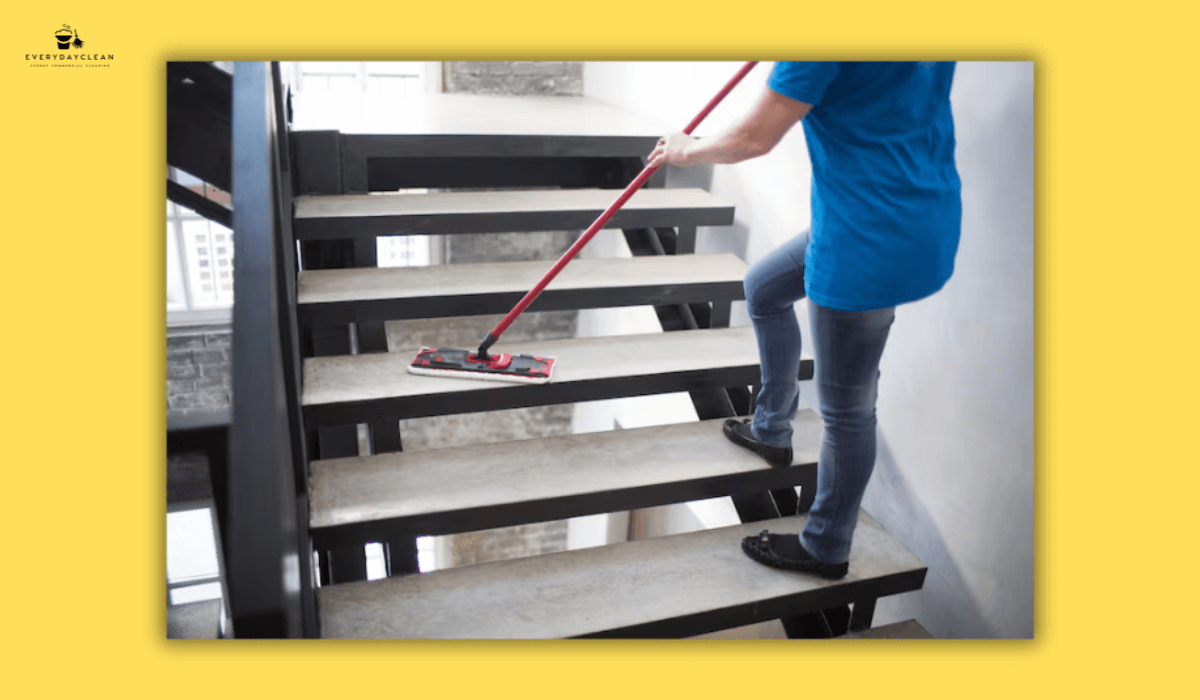
- Stairwell floor care: Vacuum or sweep stairwell floors removing debris that creates slip hazards
- Landing mopping: Mop stairwell landings using appropriate cleaners ensuring slip-resistant surface maintenance
- Handrail sanitisation: Clean and disinfect handrails and banisters that provide support during stair use
- Exit sign cleaning: Wipe down illuminated exit signs and emergency signage ensuring visibility during power failures
- Emergency lighting dusting: Dust emergency lighting fixtures maintaining proper illumination during evacuations
- Cobweb removal: Remove cobwebs from stairwell ceiling areas, corners, and high wall surfaces
- Exit clearance check: Ensure emergency exits remain clear of obstructions, stored materials, or safety hazards
- Exit door cleaning: Clean emergency exit doors and panic hardware ensuring proper function and visibility
Stairwell and emergency area maintenance ensures safety compliance, prevents slip hazards, and maintains required emergency egress capabilities.
How to Implement This Weekly Office Cleaning Checklist
Customise for Your Office Size
Modify task frequency based on office size and employee count. A 20-person office may complete all tasks in one weekly session, while larger facilities might divide tasks across multiple days - workstations Monday, kitchens Tuesday, restrooms Wednesday - distributing labour and preventing workflow disruption.
Assign Clear Responsibilities
Designate specific team members or cleaning zones to prevent task overlap and ensure accountability. Use digital tracking tools (Trello, Asana, specialised cleaning management software) or printed checklists with signature fields documenting completion for quality control and compliance records. Learn more about how to create an office cleaning checklist that works for your specific requirements.
Schedule Optimal Cleaning Times
Conduct weekly cleaning during minimal disruption periods - typically after business hours or during quieter operational times. Equipment-intensive tasks like vacuuming should occur when fewer employees are present, preventing productivity interruption and noise complaints.
Track Completion and Quality
Implement inspection protocols to verify task completion. Regular quality checks identify areas needing additional attention and ensure consistent cleaning standards meeting workplace health requirements. Document inspections creating compliance records for regulatory audits.
Use Appropriate Equipment and Products
Invest in commercial-grade cleaning equipment providing efficiency improvements over residential tools. HEPA-filtered vacuums, microfiber systems, and appropriate chemical products for different surface types ensure effective cleaning while protecting asset quality and employee health.

Benefits of Following a Standard Weekly Office Cleaning Checklist
Health and Hygiene
Systematic weekly cleaning reduces allergen levels by 60-70% compared to irregular cleaning patterns. Bacterial contamination on high-touch surfaces decreases substantially with consistent disinfection protocols, lowering sick leave rates by 15-30% annually through reduced pathogen transmission.
Asset Protection
Regular carpet vacuuming extends the lifespan from 5-7 years to 10-15 years by removing abrasive particles that damage fibres. Consistent furniture maintenance prevents permanent staining and fabric deterioration. HVAC system efficiency improves when vents and filters receive weekly attention, reducing energy costs by 8-12% through proper airflow.
Professional Presentation
Clean environments create positive first impressions within 30 seconds of client entry. Systematic cleaning demonstrates organizational competence and respect for employee well-being, directly influencing business relationships, client retention, and employee satisfaction scores.
Regulatory Compliance
Australian Work Health and Safety legislation requires employers to maintain safe, hygienic workplaces. Documented weekly cleaning protocols demonstrate compliance, protecting organisations from liability and regulatory penalties while meeting duty of care obligations.
Need Professional Help with Your Weekly Office Cleaning?
Implementing a comprehensive weekly cleaning checklist requires time, expertise, and commercial-grade equipment. Everyday Clean is Sydney's trusted cleaning company with over 25 years of experience delivering professional cleaning services to businesses across metropolitan Sydney.
Our team of 20 police-checked, fully trained cleaning professionals follows systematic protocols ensuring every task on this checklist gets completed to Australian workplace health standards. We use hospital-grade disinfectants, HEPA-filtered vacuums, and eco-friendly products to maintain hygienic, productive work environments - handling workstations, restrooms, kitchens, common areas, and specialized zones with consistent quality.
Whether you need weekly office cleaning, commercial cleaning, medical facility cleaning, or gym cleaning services, Everyday Clean delivers reliable results backed by a quarter-century of industry expertise.
Get a free quote for weekly office cleaning in Sydney. Contact Everyday Clean today to schedule your service and experience the difference 25 years of professional cleaning excellence makes for your business.
FAQs About Weekly Office Cleaning Checklist
What Is the Difference Between Daily and Weekly Office Cleaning Tasks?
Daily cleaning handles immediate hygiene needs - emptying bins, wiping desks, mopping restroom floors, and sanitizing high-touch surfaces. Weekly tasks address accumulated contamination requiring deeper intervention like thorough carpet vacuuming, including edges and under furniture, cleaning interior windows, scrubbing tile grout, treating upholstery, and dusting high surfaces.
How Long Does Weekly Office Cleaning Take?
A standard 100-square-metre office with 10-15 workstations requires approximately 90-120 minutes for comprehensive weekly cleaning. Larger facilities scale proportionally - a 500-square-metre office needs 6-8 hours. Professional cleaning teams complete tasks 40-50% faster than untrained staff using commercial equipment.
Should Offices Use Professional Cleaners or In-House Staff?
Professional cleaning services provide specialized expertise, commercial equipment, and insurance coverage typically more cost-effective than in-house arrangements once equipment purchases, product supplies, training, workers' compensation, and supervision overhead factor into calculations. Professional cleaners complete tasks in half the time untrained employees require.
What Cleaning Products Work Best for Australian Offices?
Use pH-neutral multi-purpose cleaners for desks, hospital-grade TGA-approved disinfectants for restrooms, streak-free glass cleaners without ammonia, and microfiber systems reducing chemical dependency. Select products meeting Environmental Choice Australia standards for green building compliance.
How Often Should Different Office Areas Be Cleaned?
Restrooms and high-touch surfaces require daily sanitization. Workstations need daily wiping plus weekly deep dusting and vacuuming. Carpets demand weekly vacuuming with monthly deep extraction in heavy-use areas. Glass surfaces need weekly cleaning. Low-traffic storage rooms can extend to fortnightly cleaning.
Blog