NDIS Assistance With Daily Living: Cleaning and Household Tasks
NDIS Assistance With Daily Living: What It Means for Cleaning and Household Support
Assistance with daily living is one of the NDIS support categories under Core Supports. It covers a wide range of day-to-day activities where a disability creates a barrier to doing things independently. Household cleaning is one of the supports that commonly sits within this category, though not automatically and not for every participant.
This guide focuses specifically on the cleaning and domestic assistance angle of daily living support. The broader category can include personal care, meals, overnight supports and other services, but Everyday Clean provides cleaning and household task support, so the focus here stays on that scope.
What assistance with daily living means for household cleaning
Within the NDIS, assistance with daily living support is funded where it is considered reasonable and necessary, and where the need is connected to the participant's disability. For cleaning and household tasks, that means the support is there to help a participant maintain a clean, safe and hygienic home when their disability makes that genuinely difficult to do alone or at all.
The types of household cleaning tasks that may be covered include:
- Regular cleaning of living areas, bedrooms and high-use surfaces
- Bathroom and toilet cleaning
- Kitchen bench and appliance cleaning
- Changing and freshening bed linen
- Vacuuming, sweeping and mopping floors
- Rubbish and recycling removal
- Basic tidying to support safe movement through the home
Cleaning is commonly billed under support item 01_020_0120_1_1, House Cleaning And Other Household Activities, where it fits the participant's plan and support arrangement. The tasks must relate to the participant's disability needs rather than being a general domestic preference.
It is worth noting upfront that this category covers much more than cleaning in an NDIS context. Personal care, transport, overnight supervision, meal preparation and other daily living supports all sit within the same broader category. This article covers only the household cleaning and domestic assistance part, which is the scope relevant to providers like Everyday Clean.
Where cleaning fits within daily living support
Cleaning support within the daily living category is designed to help participants maintain their home environment rather than to provide restoration, specialist trade or lifestyle services.
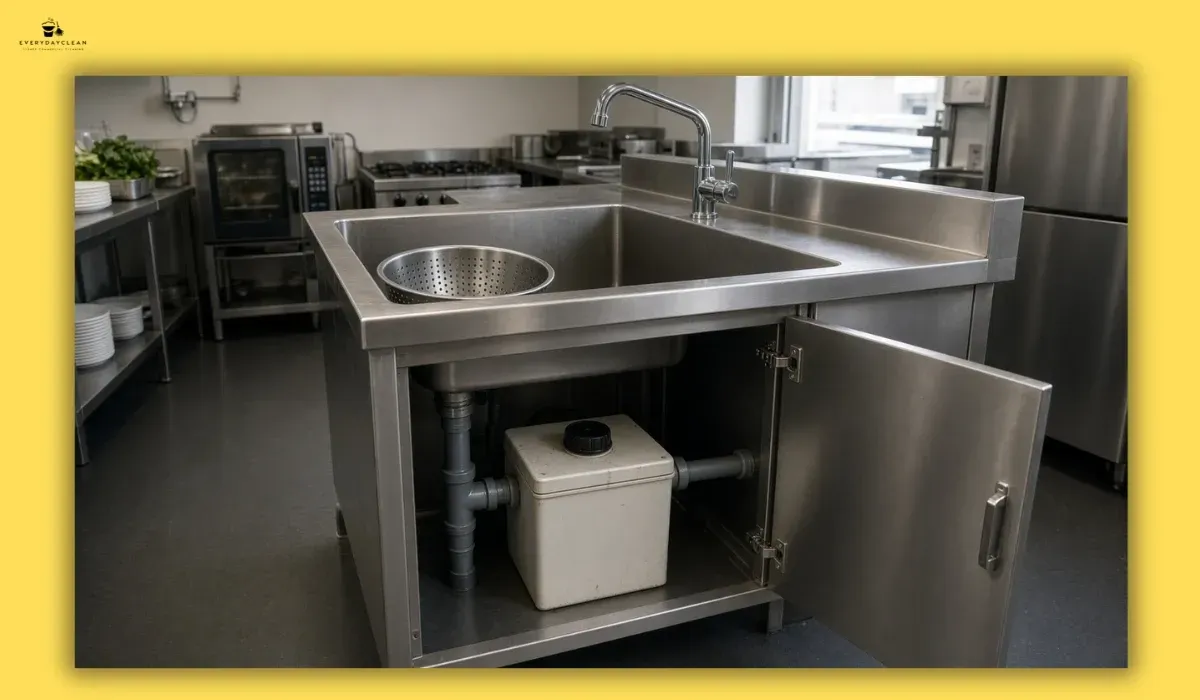
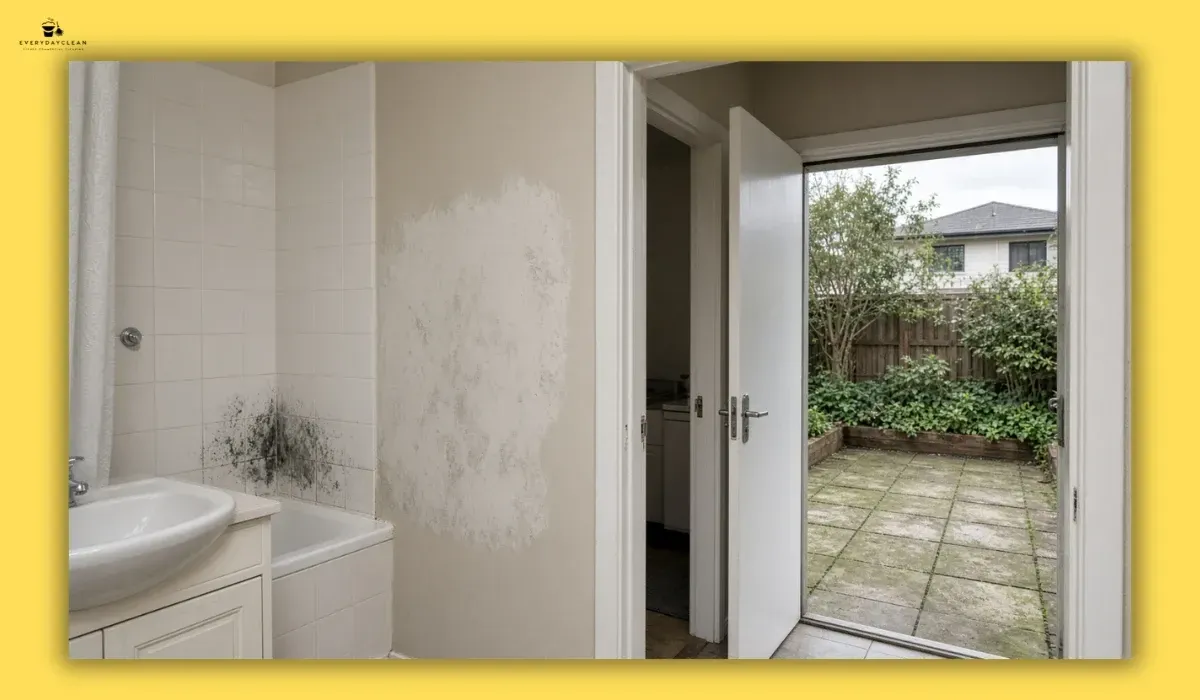
The distinction matters in practice. Regular maintenance cleaning, bathroom hygiene, floor care and kitchen surfaces are typically within scope. Carpet steam cleaning, mould remediation, end-of-lease cleaning, window washing at height and specialist restoration work are generally outside the household tasks item, though in some cases a different line item or specific plan justification may apply.
For participants whose disability affects their mobility, stamina, grip, concentration or ability to safely perform cleaning tasks, support within this category can make a meaningful difference to day-to-day home conditions. A participant who cannot safely vacuum, bend to clean a bathroom or carry a laundry basket is someone for whom cleaning support is genuinely disability-related, not a lifestyle convenience.
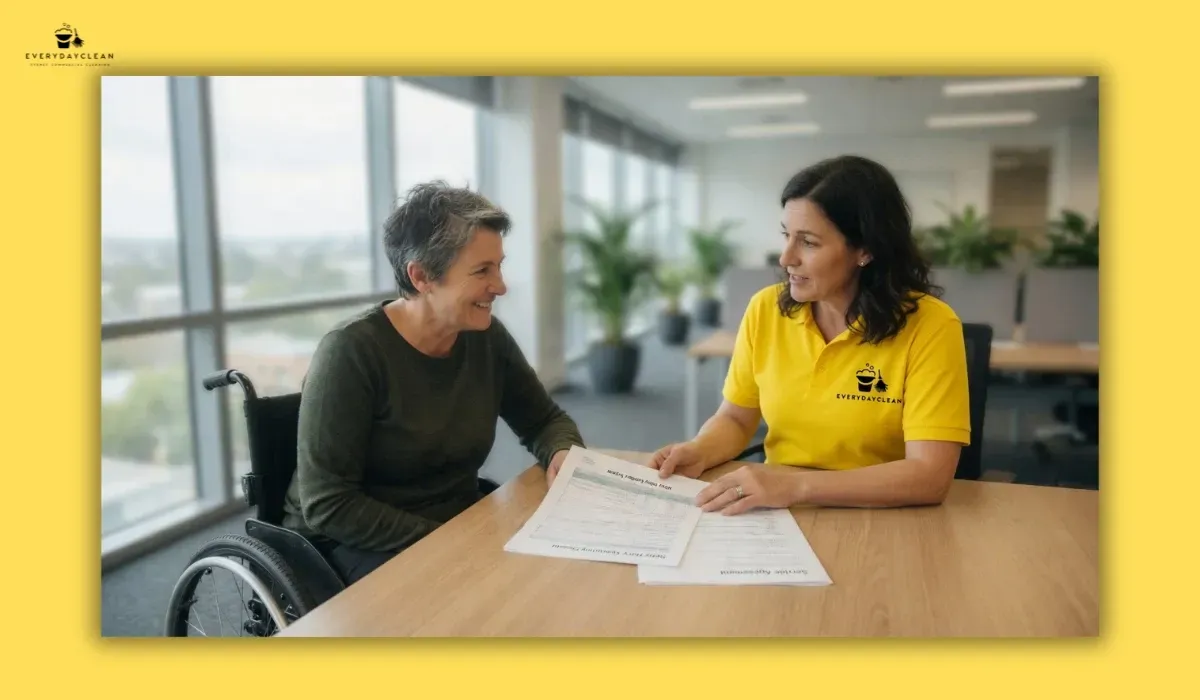
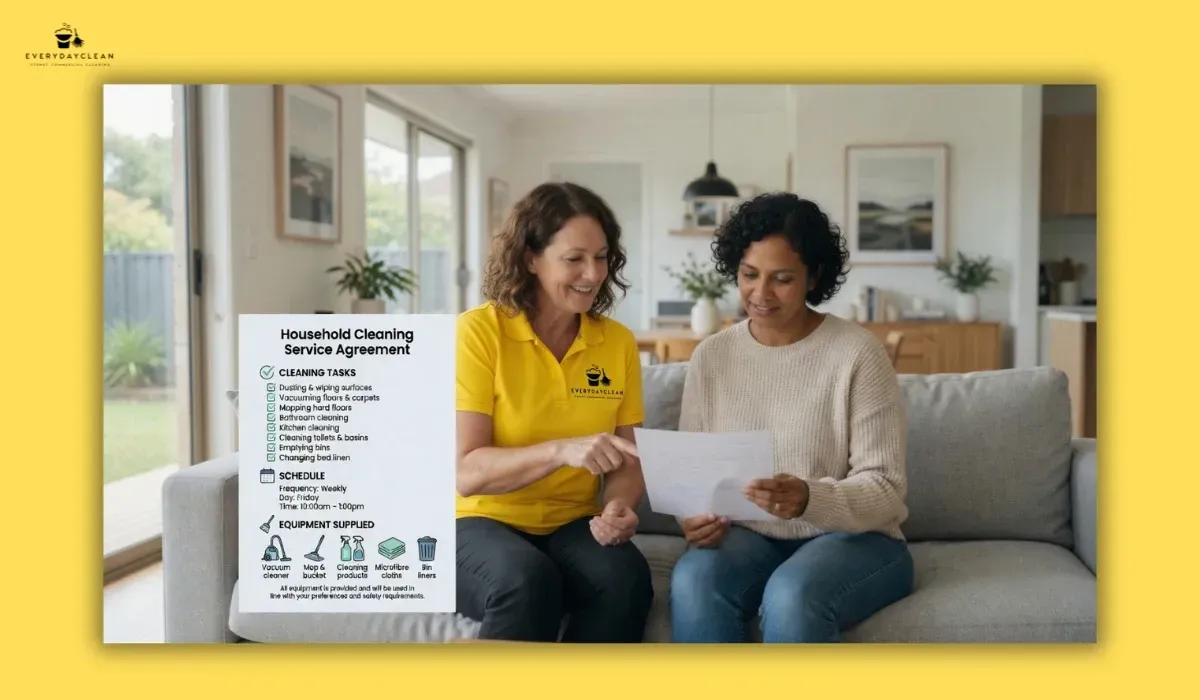
Where cleaning is part of a broader domestic assistance arrangement, the tasks are usually agreed in advance between the participant and the provider in a service agreement. This protects both sides and makes it clear what each visit covers.
For a detailed breakdown of specific household tasks and how they work in practice, the NDIS household tasks guide covers eligibility factors, task examples and what to check before booking in more detail.
Whether cleaning support is funded depends on the individual plan
Not every NDIS plan includes cleaning support, and there is no automatic entitlement simply by having an NDIS plan. Whether cleaning assistance is funded depends on several factors that are specific to each participant.
- The participant's goals. Support in this category is generally linked to goals around maintaining independence, daily living and safely managing a home environment.
- Disability-related need. The support must address a barrier created by the disability, not a general preference for having cleaning done.
- The Assistance with Daily Life budget. The plan must include allocated funding under this category, and the support item must be appropriate for the plan and how the support is being claimed.
- Household circumstances. The presence of other people in the household who can reasonably assist may be considered when assessing what support is needed.
- Plan management type. How the plan is managed affects which providers can be used and how invoicing works.
Because these factors are individual, the most accurate answer about eligibility comes from the NDIS plan documents, a support coordinator, plan manager or the NDIA directly.

Plan management and how it affects provider choice
How a plan is managed determines which providers a participant can engage and how the invoicing process works.
- NDIA-managed plans can only use registered NDIS providers. The provider must meet NDIS registration requirements, and pricing must stay within the published price limits for the relevant support item.
- Plan-managed plans can use both registered and unregistered providers. The plan manager receives and processes invoices from the provider on the participant's behalf. This gives more flexibility in provider choice while still keeping the participant's budget managed externally.
- Self-managed plans generally allow broader provider choice, within NDIS rules and the participant's responsibilities. The participant negotiates rates directly with the provider. The participant is responsible for paying invoices and claiming reimbursement through the NDIS portal. This arrangement offers the most flexibility but places more administrative responsibility on the participant.
For participants wanting to understand what cleaning support typically costs under the NDIS, the NDIS cleaning rates guide covers the current price cap and how it works across different plan management types.
What to confirm before booking cleaning assistance
Getting clarity on a few key points before a service agreement is signed avoids most of the common problems participants encounter.
About the plan:
- Which support category and line item covers the household tasks
- Whether the Assistance with Daily Life budget includes household cleaning support
- Whether the plan is NDIA-managed, plan-managed or self-managed
- How much funding is available and over what period
About the provider:
- Whether the provider is registered with the NDIS (required for NDIA-managed plans)
- What tasks are included in each visit, room by room
- Whether cleaning products and equipment are supplied
- How visits are scheduled and what happens if a visit is missed or needs to change
- How invoicing works and who receives the invoice
- What the cancellation policy is and how it affects available funding
About the service agreement:
- That the task list and frequency are written down and agreed before the first visit
- That the agreed rate does not exceed the current NDIS price limit for the relevant support item where applicable
- That the participant understands what is and is not included
- That there is a process for adjusting the arrangement if needs change
Taking time to work through these points before booking gives participants confidence that the support will actually match what the plan covers.
Frequently asked questions
What is NDIS assistance with daily living?
Assistance with daily living is a Core Support category in the NDIS that covers support for everyday activities where a disability creates a barrier. It includes a wide range of supports from personal care to household tasks. For participants who need help with home cleaning, laundry management, bathroom hygiene and keeping their living space safe, this is often the category where that support is considered, depending on the participant's plan. Eligibility depends on the individual plan, goals and how the need relates to the disability.
Does NDIS assistance with daily living cover cleaning?
It can, but it is not automatic. Cleaning support within the daily living category is funded when the participant's disability genuinely affects their ability to maintain their home, and when the support is considered reasonable and necessary in their plan. The plan must include funding under the Assistance with Daily Life category that covers the Household Tasks line item. Participants should check their plan documents or speak with their support coordinator or plan manager before booking cleaning support.
What household tasks can be funded under NDIS daily living support?
Tasks that may be funded under the Household Tasks support item include regular home cleaning, bathroom and toilet cleaning, kitchen cleaning, floor care, changing linen, rubbish and recycling removal, and basic tidying that supports safe movement through the home. Tasks such as carpet steam cleaning, mould remediation, end-of-lease cleaning and specialist trade work are generally outside this scope. A support coordinator can help clarify what a specific plan covers.
How do I know if my NDIS plan covers cleaning support?
Check the plan documents for the Assistance with Daily Life budget and whether household tasks are listed within it. If the plan is managed by a plan manager, they can usually confirm which supports are funded and under which line items. A support coordinator can also help review the plan and connect the participant with appropriate providers. If cleaning support is needed but not currently in the plan, the topic can be raised at a plan review with supporting evidence about how the disability affects the ability to clean.
Can I use any cleaning provider for NDIS support?
That depends on how the plan is managed. NDIA-managed participants must use registered NDIS providers. Plan-managed and self-managed participants can engage unregistered providers as well, with more flexibility in provider choice. Regardless of plan management type, it is worth confirming the provider can issue clear invoices showing the support item, date, hours, rate and total.
Getting the right support in place
Assistance with daily living can make a practical difference to a participant's home environment when the support is well matched to their needs and the plan covers it. The steps that matter most are confirming the funding before any service starts, agreeing the task list in a service agreement, and checking that the provider arrangement suits the plan management type.
For participants wanting to understand what cleaning support can look like in practice, the NDIS cleaning service Sydney page covers how that arrangement is typically structured and what tasks are generally included.
Blog