NDIS Cleaning Rates 2026–27: $60.10/hour Cap
NDIS cleaning rates are capped at $60.10 per hour for house cleaning and other household activities under the NDIS Pricing Arrangements and Price Limits 2026-27. This is the maximum a registered provider can charge, and many charge less. The rate covers everyday domestic tasks funded under Core Supports, in the Assistance with Daily Life budget, for participants whose disability affects their ability to clean independently.
Key Takeaways
- The NDIS cleaning rate cap for house cleaning is $60.10 per hour under support item 01_020_0120_1_1 for the 2026-27 period, effective 1 July 2026.
- This is a maximum, not a fixed price: registered providers must charge at or below the cap, while many charge less, and self-managed participants can negotiate their own rate.
- The NDIS reviews price limits every year in July, so the current cap should always be confirmed against the official NDIS Pricing Arrangements before signing a service agreement.
- Remote area loadings increase the cap to $84.14/hour in remote (MMM 5) areas and $90.15/hour in very remote (MMM 6) regions.
- Total cost depends on session length and frequency, so a typical 2 to 3 hour clean costs roughly $120 to $180 per visit at the national maximum rate.
NDIS Cleaning Rate for 2026-27: The Capped Hourly Price
The NDIS cleaning rate for house cleaning is $60.10 per hour for the 2026-27 period. This price limit is set under support item 01_020_0120_1_1, House Cleaning and Other Household Activities, within the Household Tasks registration group, and is published in the NDIS Pricing Arrangements and Price Limits effective 1 July 2026.
This capped rate covers essential domestic tasks funded under Core Supports, including:
- Vacuuming and mopping floors
- Bathroom and toilet cleaning
- Kitchen cleaning and surface sanitisation
- Dusting, wiping, and general hygiene maintenance
- Basic household organisation and tidying
- Cleaning support for participants living independently
The cap is the highest amount a registered provider may charge for these tasks. Registered providers must stay at or below the relevant price limit, while the actual rate may be lower. Because the NDIS reviews its price limits annually each July, the figure above applies to the 2026-27 year, and the current cap should be confirmed on the official NDIS website before booking.
Before signing a service agreement, confirm three things: the provider's hourly rate sits at or below $60.10, the correct line item code (01_020_0120_1_1) appears on invoices, and any travel charges are quoted separately under NDIS travel rules.

Rate Variations: Remote Loadings, Travel, and Cancellations
While the standard cap applies to most domestic cleaning, several factors change the price limit or add separately billed charges. Understanding these prevents surprises when invoices differ even though the base rate is fixed.
- Remote loading (MMM 5): the price limit is $84.14/hour for services delivered in remote areas.
- Very remote loading (MMM 6): the price limit is $90.15/hour in very remote areas.
- Provider travel: billed separately according to NDIS travel rules, with metro allowances typically up to 30 minutes and regional up to 60 minutes.
- Cancellations: charged in line with the NDIS short-notice cancellation policy when applicable.
These adjustments, all set within the NDIS Pricing Arrangements and Price Limits 2026-27, let providers deliver services reliably across Australia while staying within NDIS billing rules. For most Sydney participants in standard metropolitan areas, the base $60.10 cap applies without remote loadings.
Factors That Influence Your Total NDIS Cleaning Cost
Even with a capped hourly rate, the total a participant spends depends on practical variables that determine how long each session takes and how often support is needed. These factors, not the hourly rate, drive the final budget.
A typical NDIS-funded clean runs 1 to 3 hours and is shaped by:
- The number of bathrooms and the kitchen size
- The type of flooring and how much of it needs attention
- How recently the home was last cleaned
- The frequency of support, from weekly to fortnightly
- Added tasks such as laundry, linen changes, or waste removal
Participants with mobility or functional limitations often need more frequent visits, which raises the weekly or monthly allocation. Choosing appropriate cleaning equipment for participants with disabilities can also make each session more efficient. For comparison with the open market, standard house cleaning service costs sit on a different basis, since NDIS pricing is regulated rather than set by demand.
Registered Versus Unregistered NDIS Cleaning Providers
Provider type affects both the price and the protections a participant receives. The distinction matters most when choosing how to use plan funding.
Registered providers must charge no more than the $60.10 cap for Household Tasks and follow formal compliance, worker screening, and audit processes under the NDIS Commission. This gives participants stronger safeguards and is required for anyone whose plan is NDIA-managed.
Unregistered providers set their own rates, commonly between $45 and $70 per hour, and are frequently chosen by self-managed or plan-managed participants seeking broader availability or specific cleaners. They are not bound by the cap, so participants should confirm rates, public liability insurance, and worker screening before engaging one. The trade-off is flexibility against the formal protections that registration provides.
What NDIS-Funded Cleaning Includes and Excludes
Clear expectations about scope help avoid declined claims and misunderstandings. NDIS-funded cleaning focuses on routine domestic tasks needed to keep a home safe and hygienic, not specialist trade or restoration work.
Included under Household Tasks:
- Surface cleaning and disinfection
- Kitchen hygiene and bathroom cleaning
- Vacuuming and mopping
- Dusting and wipe-downs
- Routine hygiene and household organisation
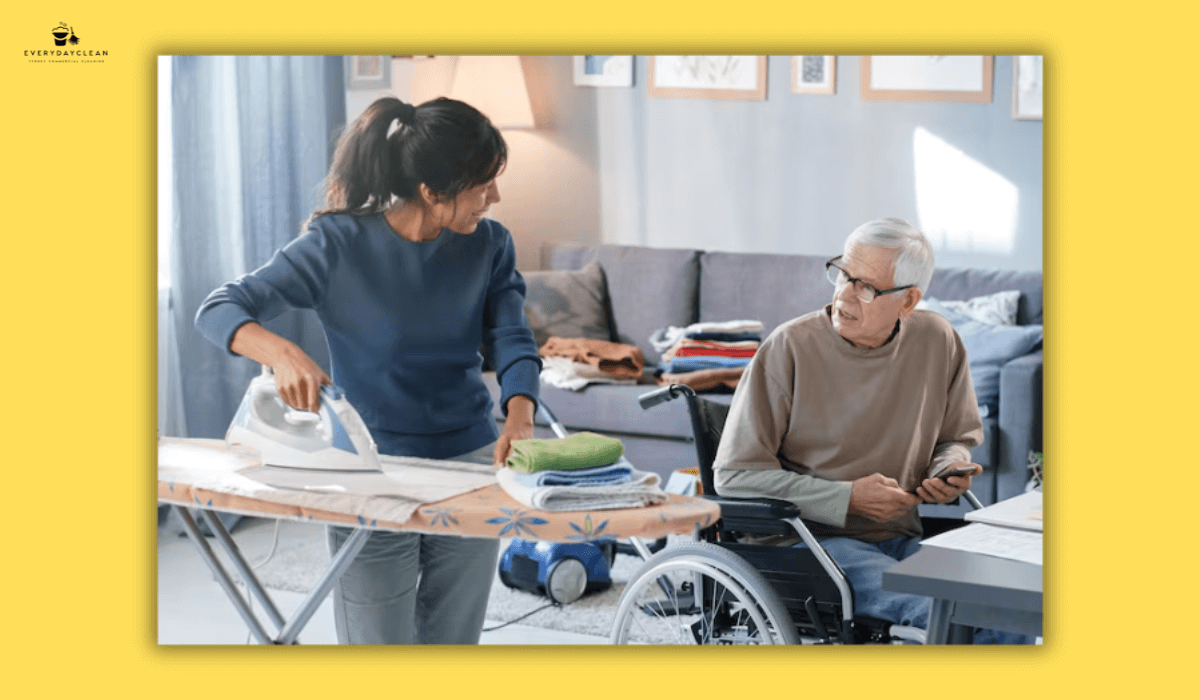
- Cleaning support for participants with mobility limitations
Not covered under Household Tasks:
- End-of-lease or bond cleaning
- Carpet steam cleaning
- Pressure washing
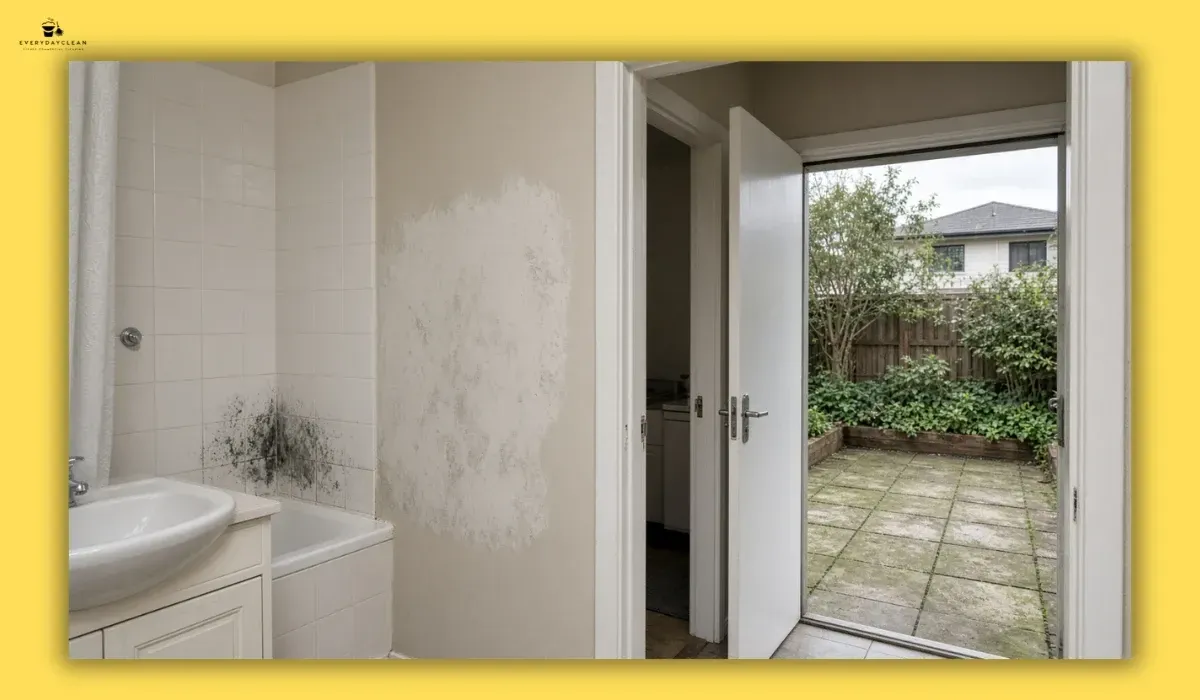
- Mould remediation
- Renovation or construction clean-ups
Some of these excluded services may still be funded under a different line item or with specific plan justification when the need is directly related to a participant's disability. A support coordinator can confirm what a plan allows.
How NDIS Cleaning Is Funded and Billed
NDIS cleaning is funded under Core Supports, in the Assistance with Daily Life category, provided the support is reasonable and necessary because a participant's disability affects their ability to clean. The plan must include funding that covers the Household Tasks line item.
How the plan is managed decides who can be used and how billing works:
- NDIA-managed: only registered providers can be used, and pricing must stay within the published limits.
- Plan-managed: the plan manager pays approved invoices, and either registered or unregistered providers can be used.
- Self-managed: the participant chooses any provider, negotiates the rate, and keeps invoices for claiming.
Invoices should show the line item code (01_020_0120_1_1), the date, the hours, the hourly rate, and the total. For self-managed participants in particular, agreeing the rate and travel charges in the service agreement upfront keeps claiming straightforward. Comparing the regulated cap against open-market house cleaning rates also helps self-managed participants judge value.
EverydayClean provides NDIS cleaning services in Sydney aligned to these price limits, with clear invoices that support plan managers and coordinators in processing claims.

FAQs on NDIS Cleaning Rates
How much does NDIS cleaning cost per hour?
NDIS cleaning costs up to $60.10 per hour for house cleaning under support item 01_020_0120_1_1 for the 2026-27 period, effective 1 July 2026. This is the maximum a registered provider can charge, so the actual rate may be lower depending on the provider. Remote areas attract a loading of $84.14/hour and very remote areas $90.15/hour. The total a participant pays depends on how long each session runs, with a typical 2 to 3 hour clean costing roughly $120 to $180 per visit at the national maximum rate. Because the NDIS updates its price limits each July, the current cap should always be confirmed against the official NDIS Pricing Arrangements before booking.
Does the NDIS pay for house cleaning?
The NDIS can fund house cleaning when it is reasonable and necessary, meaning the participant's disability genuinely affects their ability to clean independently. Cleaning support is funded under Core Supports, in the Assistance with Daily Life category, provided the plan includes funding that covers the Household Tasks line item. Eligible tasks include vacuuming, mopping, bathroom and kitchen hygiene cleaning, and routine hygiene. The NDIS will not fund tasks a participant could reasonably do themselves or that are unrelated to their disability. Because Core Supports are flexible, many participants can allocate part of this budget to cleaning, but the plan should be checked first, and a support coordinator can help confirm eligibility before services begin.
Can self-managed participants use unregistered cleaners?
Self-managed and plan-managed participants can use either registered or unregistered cleaners, while NDIA-managed participants must use registered providers only. Unregistered cleaners set their own rates, commonly between $45 and $70 per hour, and are not bound by the NDIS cap, so they offer flexibility but fewer formal protections. Before engaging an unregistered provider, participants should confirm the hourly rate, public liability insurance, worker screening, and the ability to issue compliant invoices. Self-managed participants are responsible for keeping records and claiming through the NDIS portal, so agreeing the rate and any travel charges in writing upfront makes the process smoother and reduces the risk of disputed or rejected claims later.
What line item is used for NDIS cleaning?
Standard NDIS house cleaning is claimed under support item 01_020_0120_1_1, House Cleaning and Other Household Activities, in the Household Tasks registration group within Assistance with Daily Life. This is the line item that carries the $60.10 hourly price limit for 2026-27. Yard and garden maintenance is billed separately under a different line item with its own price limit, so cleaning and gardening should not be combined under one code. Invoices should clearly show the correct line item, the date, the number of hours, the hourly rate, and the total amount, which helps keep records compliant with NDIS billing rules.
Understanding NDIS Cleaning Rates Helps Stretch Your Plan
Knowing how NDIS cleaning rates work turns a confusing line item into a budget a participant can plan around. The $60.10 hourly cap for 2026-27 sets the ceiling for registered providers, but the real cost comes down to session length, frequency, and provider type, all of which a participant can influence. Booking regular weekday cleans, confirming the rate sits at or below the cap, and checking the correct line item on every invoice are the simple habits that protect funding.
Because the NDIS reviews price limits each July, the smartest step is to confirm the current figure on the official NDIS website and agree the rate in the service agreement before cleaning starts. With clear expectations on both sides, cleaning support reliably maintains a safe, hygienic home without funding surprises.
Blog