Airbnb Cleaning Standards and Inspection Guide
Airbnb cleaning standards call for hotel-grade cleanliness at every turnover: pristine sanitised surfaces, fresh unstained linen, zero stray hairs, neutral fresh air, and an inspection that passes before the guest checks in. Meeting these standards consistently helps protect your rating and reduce complaints, though no routine can guarantee every dispute is avoided.
This guide focuses on cleaning standards, turnover quality assurance (QA), and pre-check-in inspection for Australian hosts and property managers. It is not a task-by-task list, so for that see the linked checklist, and for current platform rules always check Airbnb's own terms.
Airbnb cleanliness standards are set by guests and platform expectations
Airbnb cleanliness standards come down to one idea: the space should feel freshly prepared, as a guest would expect from a quality hotel. Guests rate cleanliness directly, and that score shapes your listing's visibility and bookings.
- Guests expect sanitised high-touch surfaces, fresh linen, clean floors, and a space free of the previous guest's traces
- Cleanliness is a specific star-rating category, so it is judged on its own, not folded into overall impression
- Reviews and complaints about cleanliness carry weight and can affect future bookings
Platform policies and guest protections change over time, so treat the principles here as best practice and confirm current obligations, review criteria and any AirCover rules directly through Airbnb's platform terms rather than assuming a fixed policy.
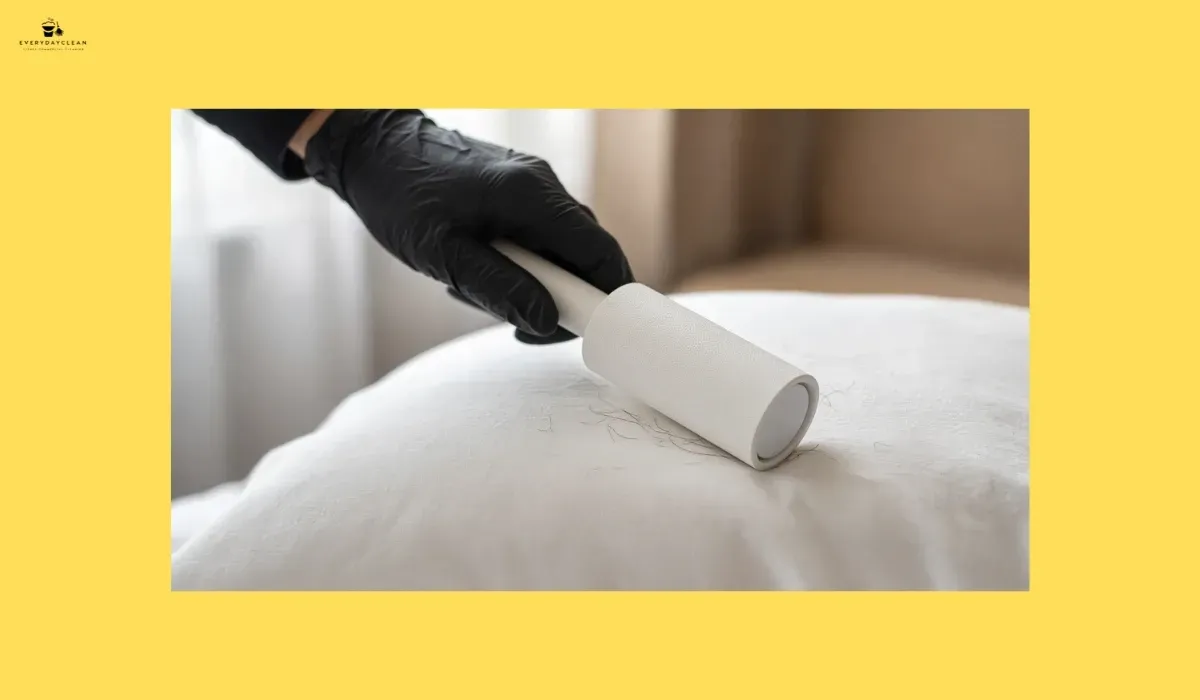
Five failure points that trigger 1-star cleanliness reviews
Most poor cleanliness reviews come from a short list of avoidable misses. These are the details guests notice first and photograph fastest.
- Stray hair: hair on sheets, pillows, bathroom floors or in shower and basin drains is the single most common complaint
- Leftover food and odour: old food or smells inside the microwave, oven or fridge, which guests open early
- Dust and crumbs: dust on bedside tables, skirting and shelves, or crumbs left on benches and in drawers
- Stained linen or protectors: marks on sheets, pillowcases, towels or mattress and pillow protectors, which read as unhygienic
- Damp towels and linen: towels or bedding that are still damp or smell musty, suggesting they were not freshly laundered
Treating these five as non-negotiable QA checks removes the majority of cleanliness risk at each turnover.
Pre-check-in inspection walkthrough for host and cleaner QA
A consistent inspection turns a clean into a verified clean. This walkthrough is the QA routine to run before every guest arrives, ideally in a set order each time.
1. Lighting and line-of-sight check
Inspect in good natural light where possible, as poor lighting hides dust and streaks. Check at head height and from a low angle, since hair, dust and marks show up differently depending on where you look from.
2. Kitchen and appliances
Check inside the microwave, the oven and any oven tray, and the fridge, not just the visible surfaces. Look at the kettle for limescale, confirm cutlery and crockery are clean and spot-free, and wipe benches, the sink and the splashback.
3. Bathroom and hygiene
Check grout and silicone for mould, mirrors and glass for streaks, and the toilet rim, seat hinges and base, which are easily missed. Clear hair traps in the shower and basin, and confirm the floor and behind the door are clean.
4. Bedroom and bedding
Make beds with tightly tucked, unstained linen, and confirm mattress and pillow protectors are clean and fresh. Check inside the wardrobe and drawers, under the bed, and the bedside tables for dust, crumbs or items left by the previous guest.
5. Sensory and odour check
Finish with a sensory pass. There should be no stale cooking, damp or bin smells, and no heavy artificial perfume used to mask odour, which many guests dislike. Air the space for fresh, neutral airflow before lock-up.
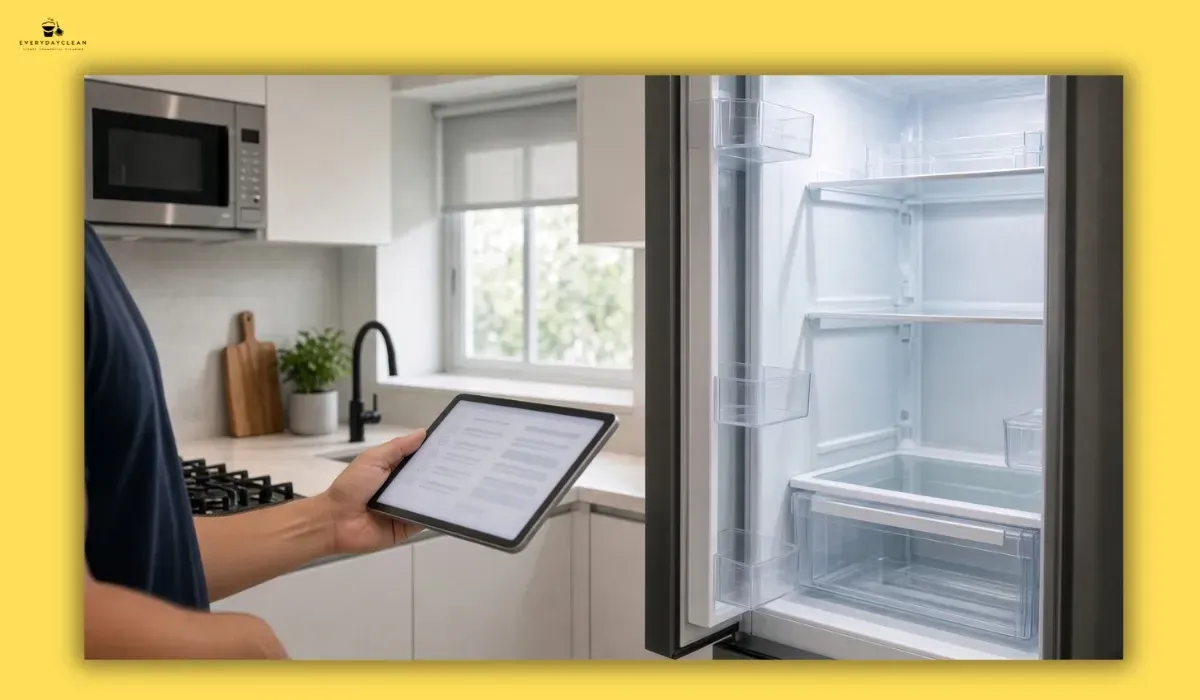
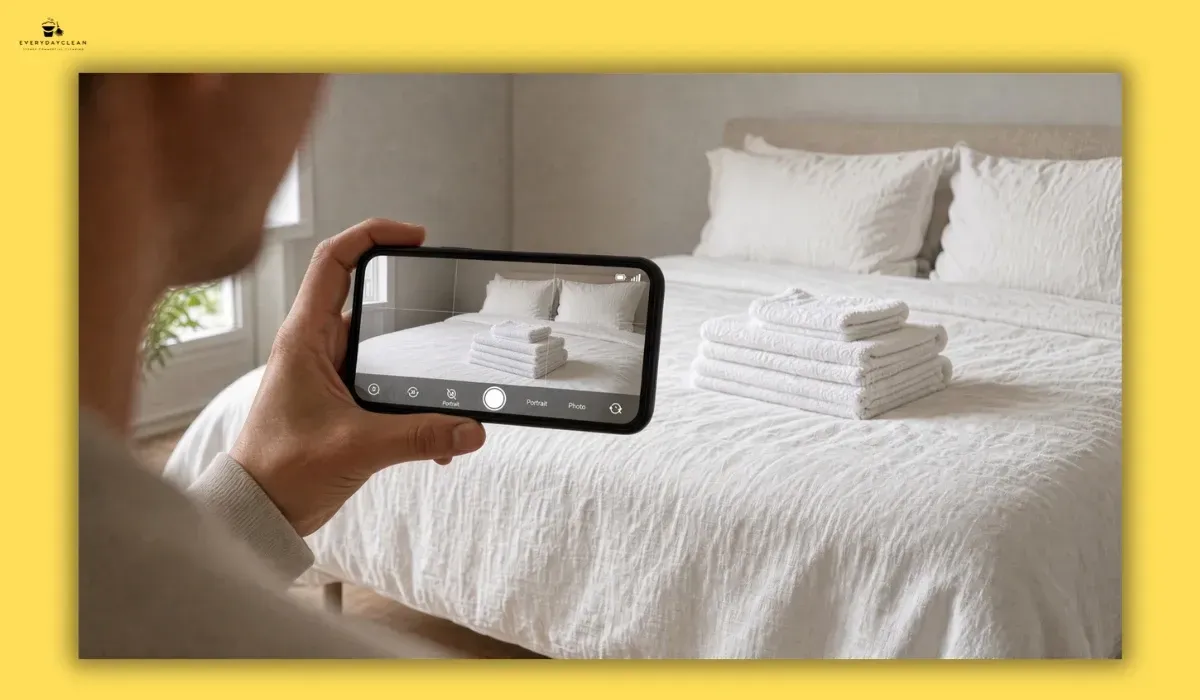
Photo documentation SOP protects against unfair refund claims
Photo evidence at each turnover is the simplest protection against disputed cleanliness complaints. A short, consistent photo set shows the condition the property was left in.
- Photograph the made beds with crisp, unstained linen, taken in good light
- Photograph the open, empty, clean fridge and microwave interior
- Photograph staged amenities, fresh towels, and clean bathroom surfaces
- Capture any pre-existing marks or damage so they are not later blamed on cleaning
- Save photos with the date and property, so each turnover has its own record
This record will not resolve every claim on its own, but a time-stamped photo set gives hosts a clear, factual basis if a guest raises a cleanliness refund dispute. For what to restock alongside this, an Airbnb restocking and supplies guide covers consumables and amenities.
Managing cleanliness complaints quickly limits the damage
How a host handles an Airbnb cleanliness complaint often matters as much as the issue itself. A fast, calm response can turn a potential 1-star review into a recovered stay.
- Respond promptly and politely, acknowledging the guest's concern without argument
- Offer a quick fix, such as dispatching a cleaner or dropping off fresh linen as soon as possible
- Use your turnover photos to understand what happened and to inform your response fairly
- Resolve the specific issue first, then review your checklist so the same miss does not repeat
- Keep communication within the platform so there is a clear record
Prompt resolution shows the guest you take cleanliness seriously, which can reduce the chance of a poor review and support dispute handling.
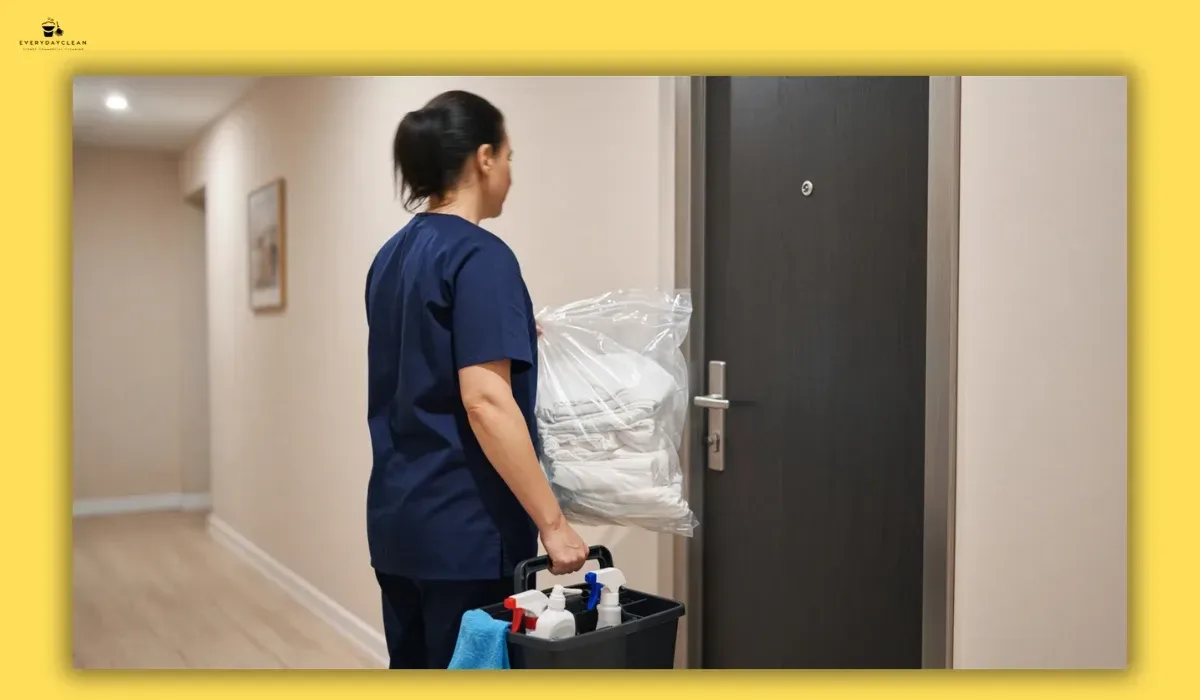
DIY turnover and professional short-stay cleaning suit different hosts
Whether to clean turnovers yourself or outsource comes down to time, volume and consistency. Both can meet Airbnb cleaning standards, but they carry different trade-offs.
- DIY host turnover works for a single property, flexible schedules, and hosts who can keep standards consistent and absorb the time between guests
- Professional short-stay turnover suits multiple properties, tight same-day changeovers, and hosts who want a repeatable standard and backup for busy periods
- Professional short-term rental turnover cleaning also helps when you need reliable linen handling and a consistent QA routine across bookings
Many hosts use a mix, cleaning quieter periods themselves and booking a professional turnover for back-to-back stays. For the underlying tasks either way, a detailed Airbnb cleaning checklist sets out what to clean in each room.
Airbnb cleaning standards: common questions
What are Airbnb cleaning standards?
Airbnb cleaning standards are hotel-grade expectations for each turnover: sanitised high-touch surfaces, fresh and unstained linen, no stray hairs, clean appliances inside and out, and neutral, fresh-smelling air. Cleanliness is rated directly by guests, so meeting these standards consistently supports your rating. Always check Airbnb's current platform terms for specific policy details.
What causes bad cleanliness reviews on Airbnb?
The most common causes are stray hair on linen or in drains, leftover food or odour in the microwave or fridge, dust and crumbs on surfaces, stained linen or protectors, and damp or musty towels. Guests notice and photograph these quickly. Treating them as fixed QA checks at every turnover removes most of the cleanliness risk.
How should I inspect an Airbnb before check-in?
Run a consistent walkthrough in good light: check kitchen appliances inside and out, bathrooms for mould, streaks and hair traps, bedrooms for unstained tucked linen and clean protectors, and finish with a sensory check for odours. Inspect at head height and a low angle, since dust and hair show differently depending on your viewpoint.
How do photos help with Airbnb cleanliness complaints?
A dated photo set of made beds, clean appliance interiors and staged amenities shows the condition the property was left in. It will not resolve every dispute on its own, but it gives hosts a clear, factual basis if a guest raises a cleanliness refund claim. Capturing pre-existing marks also prevents them being blamed on the clean.
Should I hire a professional Airbnb cleaner?
It depends on volume and consistency. DIY turnover suits a single property with flexible timing, while professional short-stay cleaning suits multiple listings, same-day changeovers and hosts wanting a repeatable standard. Many hosts combine both. Professional turnover also helps with reliable linen handling and a consistent QA routine across bookings.
Maintaining 5-star cleanliness with routine quality audits
Airbnb cleaning standards hold up when they are checked regularly, not assumed. The strongest hosts and managers run short, routine quality audits rather than relying on a clean looking fine at a glance.
A practical rhythm is a full inspection and photo set at every turnover, a periodic deeper audit of linen stock, protectors and appliance interiors, and a review of recent guest feedback to catch recurring misses early. Pair that with a clear checklist and fast complaint handling, and a listing is far more likely to keep its 5-star cleanliness rating over time.
About Everyday Clean
Everyday Clean is a Sydney-based cleaning company supporting short-stay hosts, property managers and businesses with turnover and routine cleaning. Final cleanliness standards, guest communication and platform obligations remain the responsibility of the host or manager, guided by Airbnb's current terms.
Blog