How to Clean a Weight Bench and Gym Benches
Knowing how to clean a weight bench comes down to a simple sequence: wipe sweat off after every use, disinfect the vinyl or upholstered padding with a bench-safe cleaner at the right contact time, dry it fully, then deep clean the seams weekly. Done consistently, this routine helps reduce bacteria, sweat residue and odour, keeps the padding hygienic, and stops the vinyl drying out and cracking early. The same method works for a home workout bench and a full rack of commercial gym benches and equipment, with only the frequency changing.
Key Takeaways
- Wipe every weight bench and gym bench down immediately after use to stop sweat and body oils soaking into the padding and seams.
- Disinfect vinyl and upholstered benches daily with a pH-neutral or gym-approved cleaner, not harsh bleach that can crack the vinyl.
- Give benches a deeper clean weekly, paying attention to seams and stitching where bacteria and grime collect.
- Condition vinyl padding regularly to prevent the drying, cracking and splitting that ends a bench's life early.
- Avoid alcohol-heavy and bleach-based sprays, which degrade vinyl and upholstery faster than gym-safe disinfectants.
Wipe Gym Benches Down After Every Use
The single most effective habit is wiping a bench immediately after use, whether it is a home weight bench or a busy commercial gym bench, before sweat and oils soak into the padding. This is the step that prevents most odour and bacteria problems before they start.
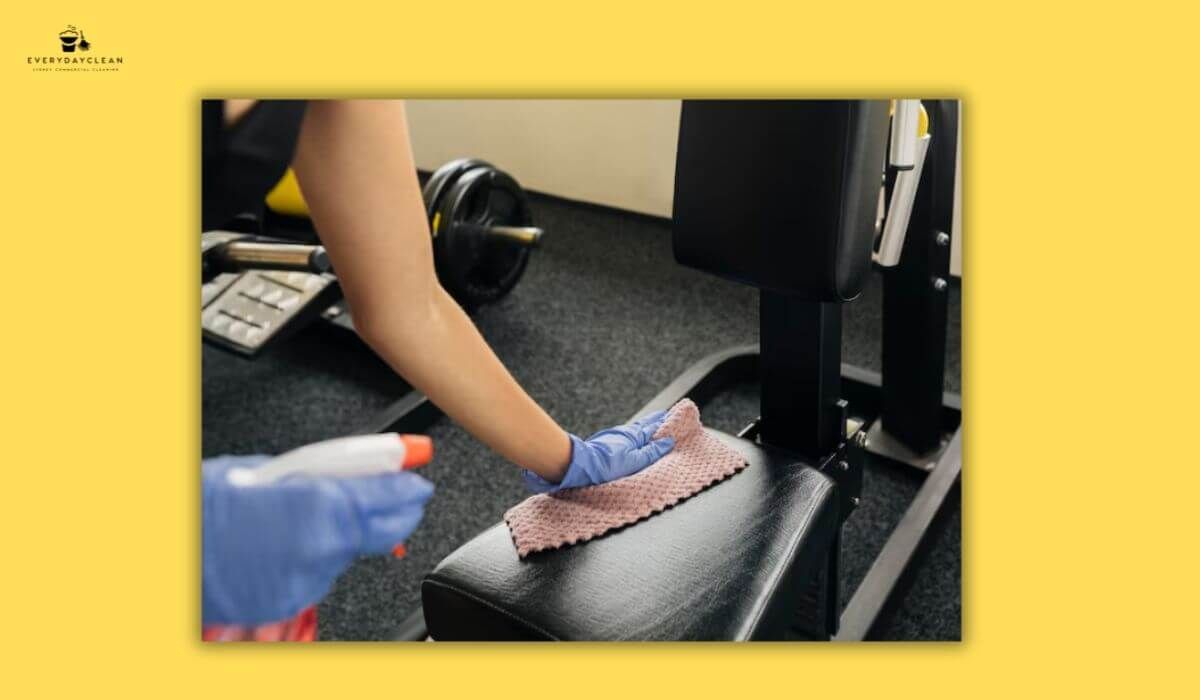
- Use a gym wipe or damp microfibre cloth to remove visible sweat from the whole seating surface.
- Cover the seams and edges, where sweat runs off and pools out of sight.
- Let the surface air-dry rather than leaving it damp, which encourages bacterial growth.
Sweat left on vinyl breaks down the surface over time and drives the sour smell that develops on well-used benches. In a busy gym, providing wipes at each station is what makes after-use cleaning actually happen, and the deeper daily and weekly work is usually covered by a
professional gym cleaning routine or an in-house schedule.
Disinfect Vinyl and Upholstered Benches Daily
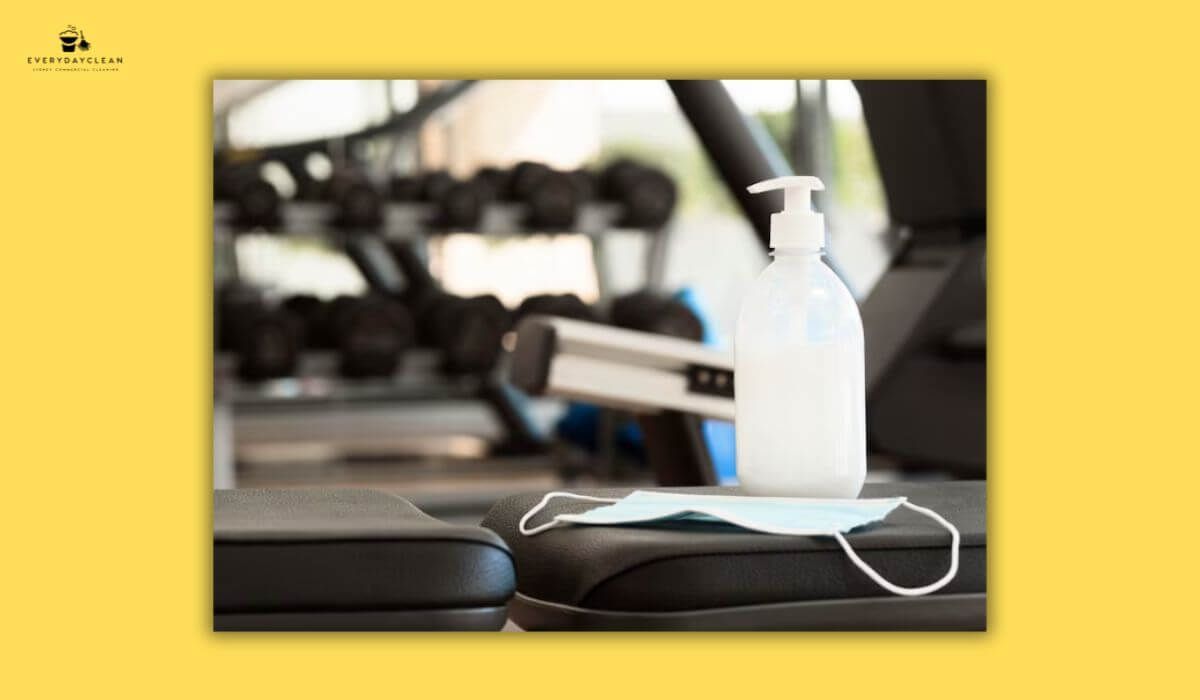
A daily disinfect is what helps keep bench padding genuinely hygienic rather than just wiped. The right product matters as much as the routine, because the wrong cleaner damages the surface.
- Spray a pH-neutral or gym-approved disinfectant onto a cloth, then wipe the bench rather than saturating it.
- Leave the correct contact time stated on the product label so the disinfectant has time to work as directed and helps reduce bacteria.
- Wipe seams, stitching, and underneath the padding, which hold the most sweat and grime on upholstered benches.
Vinyl and upholstery react differently, so match the cleaner to the material and test a hidden patch first. Using a harsh bleach or alcohol-heavy spray daily is the fastest way to dry out vinyl and cause the cracking that shortens a bench's life.
Deep Clean Gym Benches Every Week
Beyond the daily wipe, benches need a weekly deeper clean to reach the grime that builds up in places a quick spray misses. This is where upholstered benches in particular benefit.
- Work a soft brush into seams and stitching to lift trapped sweat, dust, and skin cells.
- Clean the frame, legs, and adjustment mechanisms, which collect dust and chalk but are rarely wiped.
- Treat any lingering odour by cleaning the padding thoroughly rather than masking it with fragrance.
Skipping the weekly clean lets bacteria and oils accumulate in the seams until the smell becomes hard to shift and the padding discolours. For upholstered benches, a stiff but fabric-safe brush is the tool that makes the difference on textured surfaces.
Condition Vinyl Padding to Prevent Cracking
Cleaning keeps a bench hygienic, but conditioning keeps it intact. Vinyl dries out with repeated cleaning and heavy use, and once it cracks, bacteria get into the splits where no wipe can reach.
- Apply a vinyl conditioner or protectant after the weekly clean to keep the material supple.
- Buff it in with a dry microfibre cloth so the surface is not left slippery for the next user.
- Check regularly for early cracks or splits and repair or replace before they spread.
A cracked bench is both a hygiene risk and a replacement cost, so conditioning is cheaper than ignoring it. Benches left uncleaned and unconditioned in a busy gym often fail within a couple of years rather than lasting their full life.
Choose the Right Products for Gym Benches and Equipment
Product choice decides whether cleaning protects a bench or slowly destroys it. Gym padding needs disinfection without the harsh chemicals that degrade vinyl and fabric, and the same logic applies across the rest of your gym equipment. The same pH-neutral, surface-safe approach that protects bench padding also carries across machines, grips and mats.
- Use pH-neutral or purpose-made gym cleaners that disinfect without stripping the surface.
- Avoid neat bleach, ammonia, and high-alcohol sprays, which dry, discolour, and crack vinyl over time.
- Keep microfibre cloths and a soft brush dedicated to bench cleaning to avoid cross-contamination.
If you clean machines, grips and mats as well as benches, gentler
eco-friendly gym cleaning products can still disinfect effectively while being safer on vinyl, upholstery and rubber. Matching the product to the surface, and following the label for dilution and contact time, is what keeps benches and equipment both hygienic and long-lasting.
FAQs on Cleaning a Weight Bench and Gym Equipment
These questions reflect what gym owners, staff, and home-gym users most often ask about keeping a weight bench and the wider gym equipment hygienic. The answers focus on method, products and protecting the padding.
How do you clean gym equipment?
Clean gym equipment by wiping visible sweat with a damp microfibre cloth, then applying a pH-neutral or gym-safe disinfectant to a cloth and wiping the surface rather than saturating it. Leave the contact time stated on the label, then let it dry fully. This helps reduce sweat residue, grime and odour. Match the product to each material, since vinyl, upholstery, rubber and metal all react differently.
How do you clean gym benches?
Clean a gym bench or weight bench by wiping sweat off after every use, disinfecting the padding daily with a vinyl or upholstery-safe cleaner, and deep cleaning the seams weekly with a soft brush. Allow the label contact time and let the bench air-dry fully. Condition vinyl padding regularly so it stays supple and does not crack, which is where trapped grime and odour usually start.
What do gyms use to clean equipment?
Most gyms use pH-neutral or purpose-made gym cleaners and disinfectants applied to a microfibre cloth, plus gym wipes for quick between-use cleaning. These help reduce sweat bacteria and grime without the harsh chemicals that dry out and crack vinyl or degrade rubber grips. Neat bleach, ammonia and high-alcohol sprays are generally avoided on padded surfaces. Always follow the label for dilution and contact time.
How do you disinfect or sanitise gym equipment safely?
Disinfect or sanitise gym equipment safely by choosing a product rated for the surface, applying it to a cloth, and leaving it wet for the full contact time on the label before wiping. That contact time is what lets a disinfectant work as directed. Ventilate the space, avoid mixing chemicals, and test new products on a hidden patch first. Follow the instructions for both the cleaner and the equipment.
How do you clean gym equipment after use?
Clean gym equipment after use by wiping the whole contact surface with a gym wipe or damp microfibre cloth to remove sweat before it soaks in. Cover seams, edges and grips where sweat pools out of sight, then let the surface air-dry rather than leaving it damp. Quick after-use cleaning prevents most odour and grime problems before they start, especially on busy benches and machines.
How often should a weight bench and gym benches be cleaned?
A weight bench and gym benches should be wiped after every use, disinfected daily, and deep cleaned weekly. High-traffic commercial gyms may need benches disinfected more than once a day at peak times, while a home bench used by one or two people can be disinfected a few times a week. Conditioning vinyl weekly or fortnightly rounds out the routine and helps prevent cracking.
Clean a Weight Bench Consistently to Protect Hygiene and Lifespan
Knowing how to clean a weight bench or gym bench is really about building a simple, repeatable routine: wipe after every use, disinfect daily, deep clean weekly, and condition the vinyl so it does not crack. That sequence helps keep benches hygienic for members and protects the padding from the sweat, oils and bacteria that otherwise shorten its life. The products matter as much as the frequency, since harsh cleaners can damage the very surface they are meant to protect.
For a home gym, this routine takes minutes and pays off in benches that stay fresh and intact for years. For a commercial gym with constant traffic, consistent bench hygiene is part of the member experience, and a professional cleaning schedule is often the most reliable way to maintain it without stretching staff. Everyday Clean provides scheduled gym cleaning across Sydney.
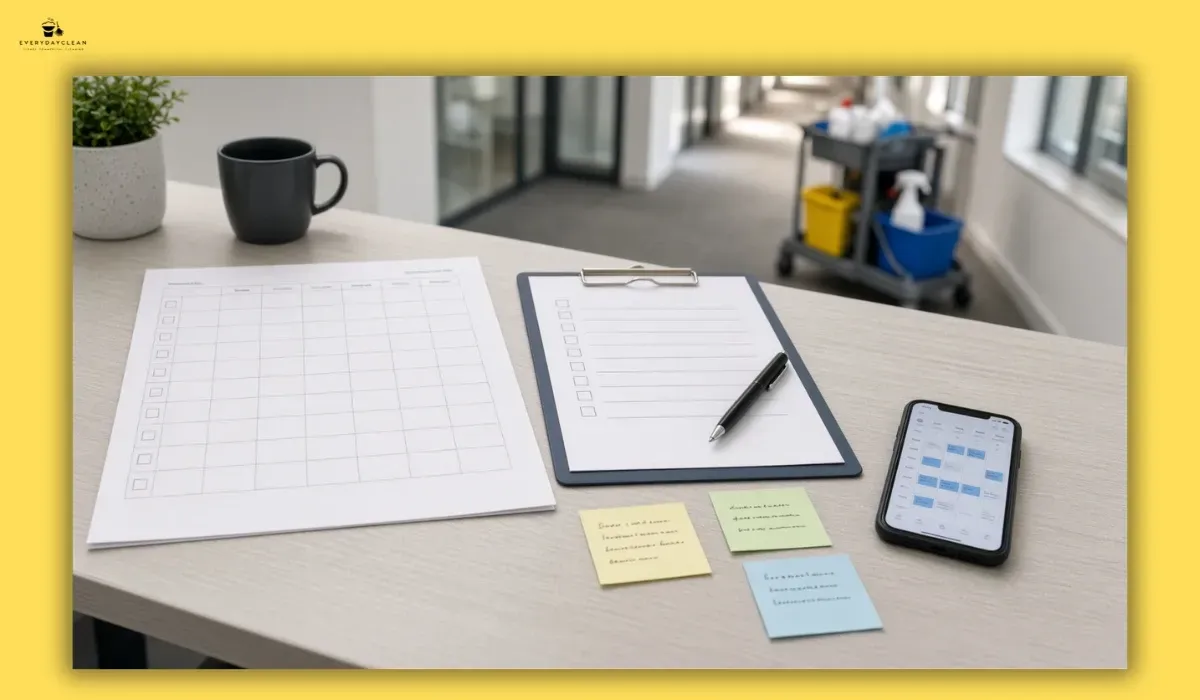
Benches are one surface in a bigger routine. Folding them into a
gym cleaning checklist template helps make sure every high-touch area is covered.
Blog