Essential Commercial Gym Cleaning Supplies Checklist
A well-stocked gym runs on a short, deliberate list of cleaning supplies rather than a cupboard full of half-used bottles. For most Australian facilities that list comes down to an equipment-safe spray or wipe, a neutral floor cleaner, a bathroom cleaner, a glass and mirror cleaner, colour-coded microfibre cloths, a flat mop system and appropriate PPE.
Getting the list right matters more than brand choice. The wrong chemistry on vinyl upholstery, chrome or rubber flooring causes damage that costs far more than the product saved, and the most common cause of that damage is a general-purpose cleaner used somewhere it was never designed for.
Gym cleaning supplies split into six use cases
Buying by area rather than by product name is the fastest way to build a list that actually covers the site.
| Area | Core supplies | Key consideration |
|---|---|---|
| Equipment and touchpoints | Equipment-safe spray or wipes, microfibre cloths | Must be compatible with vinyl, chrome, powder coat and electronics |
| Hard floors | Neutral pH floor cleaner, flat mop system, wet floor signs | Rubber and vinyl gym floors are sensitive to harsh chemistry |
| Bathrooms and showers | Bathroom cleaner, toilet cleaner, disinfectant, dedicated cloths | Colour separation from other areas is essential |
| Change rooms and lockers | General surface cleaner, disinfectant, deodoriser | High moisture means drying matters as much as cleaning |
| Mirrors and glass | Glass cleaner or diluted alternative, flat glass cloth | Streaking is the most visible cleaning failure in a gym |
| Reception and common areas | General purpose cleaner, dusting cloths, vacuum | Lower risk, but highest visibility to members |
Each of these needs its own cloth colour and, ideally, its own storage location. Cross-use between bathrooms and equipment is one of the most common hygiene risks in gym cleaning routines.
What is the minimum viable supplies list?
If a facility is starting from nothing, a workable core list looks like this:
- Equipment-safe cleaning spray or pre-saturated wipes
- Neutral pH hard floor cleaner
- Bathroom and washroom cleaner
- Toilet bowl cleaner
- Glass and mirror cleaner
- A disinfectant suitable for the surfaces in use
- Colour-coded microfibre cloths, at least four colours
- Flat mop frame with washable mop pads
- Spray bottles, correctly labelled
- Gloves, and eye protection where products require it
- Wet floor signage
- Bin liners and washroom consumables
Everything beyond that is refinement rather than necessity.
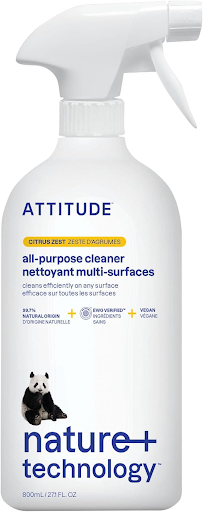
Gym cleaning sprays need to match the surface, not just the mess
Equipment cleaning is where product selection matters most, because gym equipment combines several materials that react differently to the same chemistry.
Typical materials on a gym floor include vinyl and PU upholstery, powder-coated steel frames, chrome or nickel-plated components, rubber grips, plastic shrouds, touchscreens and painted surfaces. A product that is fine on one may cause hazing, cracking or discolouration on another.
What to check before choosing an equipment spray:
- Surface compatibility. Check the manufacturer instructions for the equipment itself, not just the cleaner. Most commercial equipment brands publish cleaning guidance, and following it protects any warranty.
- Alcohol content. High-alcohol products can dry and crack vinyl upholstery over repeated use. Many equipment makers advise against them.
- Bleach and strong oxidisers. These commonly cause damage to chrome, painted surfaces and upholstery, and are generally not appropriate on equipment.
- Contact time. If a product makes a disinfection claim, that claim applies only when the surface stays wet for the stated dwell time. Wiping dry immediately means the claim does not apply.
- Residue. Products that leave a film create slippery grips and hazy screens. Look for something that dries clean.
- Dilution. Concentrates are cheaper per litre but only work correctly when dosed properly. Dosing systems reduce error.
For a closer look at product types used specifically on equipment surfaces, see what gyms use to clean equipment.
Read the product label and Safety Data Sheet before introducing anything new, and check it against the equipment manufacturer's cleaning instructions. Claims about what a product does apply only under the conditions stated on the label, including dilution and contact time.
Wipes or spray and cloth?
Both have a place. Pre-saturated wipes suit member self-service stations because they remove the guesswork around dilution and dosing. Spray and microfibre suit staff cleaning rounds, since it is cheaper per use and allows more control over how much product goes on the surface.
Many Australian gyms run both: wipes at stations for members, spray and cloth for the scheduled clean. If wipes are offered to members, dispensers need restocking checks built into the opening and closing routine, since an empty dispenser quietly removes a layer of the hygiene routine.
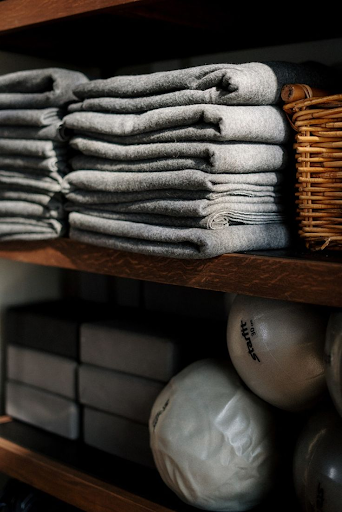
Floor supplies depend on what the floor is made of
Gym flooring is not one surface. Rubber, vinyl, timber sports floors, carpet tiles and tiled wet areas each need different handling, and the wrong product can strip finish, dull the surface or leave it slippery.
- Rubber flooring. Neutral pH cleaner is the standard recommendation. Solvent-based products and high-alkaline cleaners can degrade rubber over time.
- Vinyl and sports vinyl. Neutral cleaner, with attention to whether the floor is sealed and what the sealer manufacturer recommends.
- Timber sports floors. Follow the floor manufacturer's guidance closely. Excess water is the main risk.
- Carpet tiles. Regular vacuuming, with spot treatment for spills and periodic extraction.
- Wet area tiles. A cleaner suited to the tile and grout, with attention to slip resistance. Products that leave residue increase slip risk.
A flat mop system with washable pads is generally more hygienic than a string mop and bucket, because a fresh pad goes on for each zone rather than recycling soil through the same water.
Bathrooms and change rooms need separation, not stronger chemicals
The most effective improvement in most gym bathrooms is not a stronger product. It is a colour-coded cloth system, dedicated equipment, and enough drying time.
Practical points that make the difference:
- Use a colour-coded cloth and mop system, and keep bathroom items entirely separate from equipment areas
- Clean before disinfecting, since disinfectants do not work reliably on soiled surfaces
- Respect the contact time on the label rather than wiping straight over
- Ventilate during and after cleaning, especially in enclosed shower areas
- Address moisture as a routine task, since damp conditions are what create ongoing odour and surface problems
- Check drains and grates on a schedule, as these are a frequent source of persistent smells
Deodorisers mask, they do not clean. If an odour returns quickly after cleaning, the source is usually moisture, a drain or something behind a fitting rather than a product shortfall.
Eco-friendly gym cleaning products are a viable option with caveats
Lower-impact products have improved considerably and suit many gym applications well, particularly general surface cleaning, floors, glass and reception areas.
Points worth weighing:
- Certification. Look for recognised environmental certification rather than unverified marketing terms. "Natural" and "green" are not regulated claims in themselves.
- Performance. Many plant-derived surfactants clean well. Whether a given product meets a specific disinfection requirement is a separate question, answered by its label and registration status, not by its environmental credentials.
- Fragrance. Lower-fragrance options often suit gyms better, since strong scents are noticeable during exercise and can affect members with sensitivities.
- Concentrates and refills. These reduce packaging volume meaningfully and often lower cost per use.
- Where to be careful. For bathroom disinfection and higher-risk touchpoints, check the product actually carries the claims required rather than substituting on environmental grounds alone.
A practical approach for most facilities is to use lower-impact products for general cleaning and floors, and to make disinfection product choices based on what the label supports and what the surface allows.
Supplies checklist for gym owners and managers
Run this list against the cupboard, then against the routine.
Products:
- Equipment-safe spray or wipes
- Neutral pH floor cleaner suited to the actual floor type
- Bathroom cleaner and toilet cleaner
- Disinfectant appropriate to the surfaces and areas in use
- Glass and mirror cleaner
- General purpose cleaner for reception and common areas
Equipment:
- Colour-coded microfibre cloths, with enough stock to launder between uses
- Flat mop frame and washable pads
- Buckets, separated by area
- Vacuum suitable for the floor types on site
- Labelled spray bottles, never unlabelled decants
- Wet floor signs
Safety and compliance:
- Safety Data Sheets available and accessible to staff
- Gloves and eye protection where the label requires them
- Chemicals stored per label instructions, away from member areas
- Staff briefed on dilution, contact time and which product goes where
- Ventilation considered for enclosed areas
Routine:
- Member wipe stations stocked and checked on opening and closing
- Cloth laundering schedule in place
- Restock levels set so nothing runs out mid-week
- A named person responsible for ordering
How much should a gym budget for supplies?
Consumable spend varies widely with member volume, opening hours and site size, so a fixed figure is not meaningful. What helps more is tracking usage per month for a quarter, which quickly shows whether product is being over-applied, whether wipe stations are the main cost driver, and where a concentrate would reduce spend. Facilities using ready-to-use bottles throughout often find that moving high-volume products to dosed concentrates reduces spend, though the size of the saving depends on usage patterns and how accurately dosing is managed.
Frequently asked questions
What cleaning supplies does a gym need?
At minimum, a gym needs an equipment-safe spray or wipes, a neutral pH floor cleaner, bathroom and toilet cleaner, a disinfectant suited to the surfaces present, glass cleaner, colour-coded microfibre cloths, a flat mop system, labelled spray bottles and appropriate PPE. Product choice should follow surface compatibility and the equipment manufacturer's cleaning instructions.
What cleaning spray is safe for gym equipment?
Generally, a product designed for fitness equipment or a neutral cleaner without bleach or high alcohol content. Strong oxidisers and high-alcohol formulations can damage vinyl upholstery, chrome and painted surfaces over repeated use. Always check the equipment manufacturer's guidance first, since using an unsuitable product may also affect warranty coverage.
Do gym cleaning products need to be disinfectants?
Not for every surface. Routine cleaning removes soil and is the foundation of any hygiene routine. Disinfection is appropriate for higher-risk touchpoints and bathroom areas, and only works when the surface has been cleaned first and the product's stated contact time is observed. Check the label to confirm what a product is actually approved to claim.
Can eco-friendly products be used across a whole gym?
Lower-impact products work well for general surfaces, floors, glass and common areas. For disinfection requirements, the deciding factor should be what the label and registration support rather than the environmental positioning. Many facilities use a mixed approach, choosing lower-impact options where they perform and specifying by label requirement elsewhere.
How often should gym cleaning supplies be restocked?
Set restock levels rather than reordering when something runs out. Wipe stations and washroom consumables usually need daily checks, cloths need laundering after each area, and bulk products are typically reviewed weekly. Assigning one person responsibility for ordering avoids the common situation where a key product is unavailable mid-week.
Building a supplies list that suits the site
The most useful supplies list is short, area-specific, and matched to the surfaces actually present rather than copied from another facility. Start with the floor type and the equipment manufacturer's instructions, since those two constraints eliminate most product options immediately, then fill in bathrooms, glass and general areas around them.
Review the list twice a year, or whenever new equipment or flooring is installed, since the surfaces on site change more often than most cupboards do. For facilities that would rather have the products, routine, and staffing handled as one arrangement,
professional gym cleaning
covers the scheduled clean with the supplies scope agreed in advance.
Blog