Gym Cleaning Checklist: Daily, Weekly & Monthly Tasks
Gym cleaning checklist tasks fall into three tiers: daily disinfection of high-touch equipment and change rooms, weekly deep cleaning of mats, mirrors, and seams, and monthly treatment of grout, showers, and hard floors. Working the checklist by tier keeps a fitness facility hygienic without disrupting members, and gives owners a documented standard that holds even when staff are busy.
Key Takeaways
- Daily tasks focus on disinfecting high-touch equipment, benches, and change rooms with a pH-neutral or gym-approved cleaner.
- Weekly tasks reach the grime in equipment seams, rubber mats, and mirrors that daily wiping cannot remove.
- Monthly tasks cover grout, showers, and deep floor treatment, protecting both hygiene and equipment lifespan.
- Rubber floors and vinyl padding need pH-neutral products, since bleach and high-alcohol sprays crack and degrade them.
- A written, tiered checklist keeps standards consistent and provides a record for audits and member trust.
About EverydayClean
EverydayClean provides professional commercial and specialist cleaning services across Sydney. The team focuses on office, gym, medical, childcare, NDIS, Airbnb, construction, strata, warehouse, and hospital cleaning, supported by scheduled workplace cleaning, surface disinfection, floor care, restroom and kitchen cleaning, waste management, and site-specific cleaning checklists.
Facilities that want this checklist run consistently without stretching staff can arrange a gym cleaning Sydney service scheduled around member traffic.
Daily Gym Cleaning Tasks Protect Everyday Hygiene
Daily cleaning targets the high-touch surfaces and change rooms where sweat and bacteria concentrate fastest. These tasks are the baseline that keeps a gym hygienic between deeper cleans.
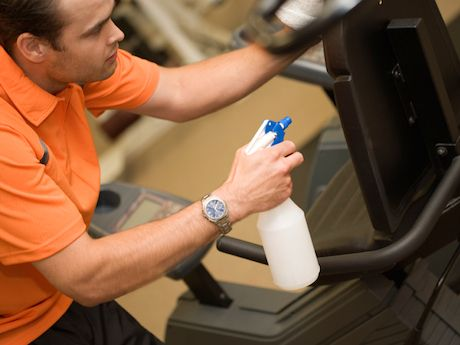
- Disinfect cardio and strength equipment handles, seats, and touchscreens with a pH-neutral or gym-approved disinfectant, allowing the label contact time before wiping.
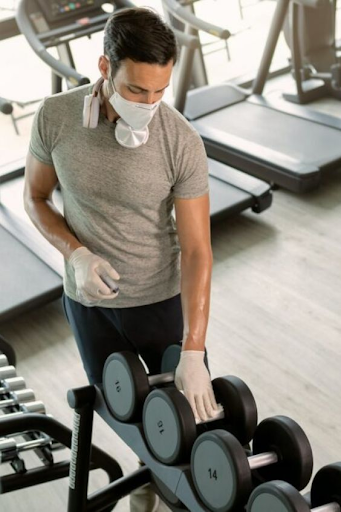
- Wipe benches and free weights with a microfibre cloth, covering seams where sweat pools.
- Sanitise change rooms, showers, and toilets, restocking soap and hand sanitiser.
- Clear rubbish and refill sanitiser stations at equipment zones and entries.
Professional crews typically allow a set daily window per zone so nothing is rushed during peak hours. Skipping daily disinfection of handles and padding lets bacteria and odour establish within a day in a busy facility, which members notice immediately.
Customizing Your Gym Cleaning Checklist
Weekly Gym Cleaning Tasks Reach Hidden Grime
Weekly cleaning addresses the build-up that daily wiping leaves behind, particularly in equipment seams and on rubber flooring. This tier protects both hygiene and the equipment itself.
- Brush equipment seams and padding stitching with a soft, fabric-safe brush to lift trapped sweat and skin cells.
- Deep clean rubber mats and flooring with a pH-neutral cleaner and the correct mop, avoiding residue.
- Clean mirrors and glass to a streak-free finish with microfibre.
- Wipe frames, legs, and adjustment mechanisms that collect dust and chalk but are rarely touched.
Rubber flooring degrades if cleaned with harsh chemicals, so the mop and product matter as much as the frequency, which the guide to the best mop for rubber gym floors covers in detail. Leaving seams uncleaned week to week is what turns a faint odour into a permanent one.
Monthly Gym Cleaning Tasks Prevent Long-Term Build-Up
Monthly deep cleaning handles the areas that accumulate grime slowly but become costly to reverse, such as grout, showers, and hard floors. Scheduling these for quiet periods keeps equipment available.
- Deep treat hard floors with a surface-appropriate machine or pH-neutral solution suited to the material.
- Scrub grout and shower tiling where mould and bacteria establish in the humid change room environment.
- Descale showerheads, taps, and fittings affected by hard water.
- Condition vinyl equipment padding to prevent the drying and cracking that traps bacteria.
- Deferring monthly tasks lets mould colonies establish in grout and moisture-prone corners, which are difficult and expensive to remove once set. A monthly cycle keeps these problems from ever reaching that stage.
Gym Cleaning Products That Protect Surfaces
Choosing the right products decides whether the checklist protects the facility or slowly damages it. Gym equipment and flooring are sensitive to the harsh chemicals many cleaners default to.
- Use pH-neutral or purpose-made gym cleaners that disinfect without stripping vinyl, upholstery, or rubber.
- Avoid neat bleach, ammonia, and high-alcohol sprays, which discolour and crack padding and degrade rubber flooring.
- Keep dedicated microfibre cloths and brushes for equipment, floors, and change rooms to avoid cross-contamination.
For gentler options that still disinfect, the eco-friendly gym cleaning products guide covers cleaners safe on gym surfaces. Using one harsh cleaner across the whole facility shortens equipment life while adding no hygiene benefit over a correctly chosen product.
FAQs on Gym Cleaning Checklists
These questions reflect what gym owners and managers most often ask when building a cleaning routine. The answers focus on frequency, scope, and products.
What should be on a daily gym cleaning checklist?
A daily gym cleaning checklist should cover disinfecting high-touch equipment handles, seats, and touchscreens, wiping benches and free weights, and sanitising change rooms, showers, and toilets. It also includes clearing rubbish and refilling sanitiser stations at equipment zones and entries. These tasks target where sweat and bacteria concentrate fastest, so they form the daily baseline. In high-traffic facilities, high-touch equipment often needs disinfecting more than once a day. Using a pH-neutral or gym-approved cleaner with the correct contact time is essential, since the right product disinfects without damaging vinyl padding or touchscreens, unlike harsh bleach or alcohol-heavy sprays.
How often should gym equipment be deep cleaned?
Gym equipment should be deep cleaned weekly, on top of daily disinfection, with vinyl padding conditioned monthly. Weekly deep cleaning uses a soft brush to lift sweat and skin cells from equipment seams and padding stitching that daily wiping cannot reach. Frames, legs, and adjustment mechanisms are also wiped, since they collect dust and chalk. High-traffic gyms may need this more often. Monthly conditioning of vinyl padding prevents the drying and cracking that lets bacteria into the splits. Deferring deep cleaning allows grime and odour to build up in seams until the smell becomes permanent and the padding begins to discolour and degrade.
What products are safe for gym floors and equipment?
pH-neutral or purpose-made gym cleaners are the safe choice for both floors and equipment. Rubber floors and mats need pH-neutral products and the correct mop, since bleach and acidic cleaners break down the rubber and leave residue. Vinyl and upholstered padding should be cleaned with gym-safe disinfectant rather than neat bleach or high-alcohol sprays, which crack and discolour the material. Touchscreens need cleaners suited to electronics. Matching each product to its surface is essential, because using one harsh cleaner across the whole facility shortens the life of equipment and flooring while offering no hygiene advantage over a correctly selected product used at the right dilution.
How do you keep a gym cleaning routine consistent?
A consistent gym cleaning routine relies on a written, tiered checklist split into daily, weekly, and monthly tasks, assigned to specific staff or a professional service. Documenting each tier means standards do not slip when the facility is busy, and it creates a record for audits and member reassurance. Scheduling deeper tasks for quiet hours keeps equipment available during peak periods. Many gyms use a sign-off sheet so each completed task is logged. For facilities where staff time is stretched, outsourcing to a professional cleaning team is often the most reliable way to keep the routine consistent, since the schedule and standard are maintained externally rather than squeezed around other duties.
A Tiered Gym Cleaning Checklist Keeps Standards Consistent
A gym cleaning checklist works because it turns an overwhelming hygiene task into a fixed daily, weekly, and monthly rhythm. Daily disinfection holds the baseline, weekly deep cleaning reaches hidden grime in seams and mats, and monthly treatment prevents the slow build-up in grout and showers that becomes costly to reverse. Matching products to surfaces protects equipment and flooring while keeping the facility genuinely hygienic.
For a small studio, one trained staff member can run this checklist. For a large or high-traffic gym, a professional cleaning team following the same tiers delivers consistency that is hard to maintain internally, which is what protects member trust, reviews, and equipment lifespan over the long term.
Want this checklist run reliably every day?
Request a Gym Cleaning Quote and EverydayClean will maintain the standard around your facility and member traffic.
Blog