Childcare Cleaning Products Supplier in Australia
A childcare cleaning products supplier is a specialist provider that sources, distributes, and supports the use of child-safe disinfectants, surface sanitisers, hygiene consumables, and infection control systems specifically formulated for early learning environments in Australia. Unlike general commercial cleaning distributors, a compliant childcare supplier aligns every product in their range against ACECQA National Quality Standards (Quality Area 2), NHMRC Staying Healthy infection control guidelines, and TGA registration requirements - because the chemical safety threshold for children under five is fundamentally different from that of adult workplaces.
Products used in childcare centres must satisfy a dual standard: effective enough to eliminate rotavirus, norovirus, RSV, and staphylococcus on shared surfaces, and safe enough that residue contact through hands, mouths, and skin does not constitute a secondary chemical exposure risk. Everyday Clean has worked alongside Sydney childcare centres for over 25 years, helping childcare cleaning services implement product protocols that meet compliance requirements and protect children in practice, not just on paper.
What Makes a Childcare Cleaning Products Supplier ACECQA-Compliant?
ACECQA compliance in cleaning is governed primarily by Quality Area 2 of the National Quality Framework - specifically Standard 2.1, which requires services to maintain hygienic environments through documented cleaning procedures and appropriate product selection. A supplier that genuinely supports compliance goes beyond selling products: they provide Safety Data Sheets (SDS), dosing instructions, training resources, and colour-coded systems that reduce user error and cross-contamination risk.
Centre directors face a common audit risk - using products that are visually clean but not verified against pathogens. ACECQA assessors examine not just the cleanliness of the space but the procedures and product types in use. This means a compliant childcare cleaning products supplier must help centres document what is being used, where, and at what dilution.
Does GECA Certification Matter When Sourcing Childcare Cleaning Products?
GECA (Good Environmental Choice Australia) is an independent Australian ecolabel that certifies cleaning products against criteria covering ingredient toxicity, volatile organic compound (VOC) limits, packaging sustainability, and performance under real-world conditions. For childcare environments specifically, GECA certification serves three practical functions.
First, it sets a documented floor on what cannot be in the product - certain solvents, heavy metals, and high-fragrance compounds that are known irritants to children's respiratory systems and skin are excluded from certification. Second, it provides assurance to parents and ACECQA assessors that product selection reflects a deliberate, evidence-based approach to chemical safety. Third, it reduces indoor air quality burden in rooms where children spend extended time on the floor - precisely the surface zone where chemical residue accumulates most.
For centre-wide cleaning protocols, the most effective approach is to use GECA-certified products as the core range - multipurpose cleaners, bathroom cleaners, floor care - and supplement with TGA-listed disinfectants for high-risk zones such as nappy change areas and sick-child isolation spaces. Centres committed to reducing chemical load across all surfaces should review the green cleaning strategies designed for childcare facilities as a starting framework.
Why Are TGA-Listed Disinfectants Non-Negotiable for Childcare Suppliers?
The Therapeutic Goods Administration (TGA) registers disinfectants under the Australian Register of Therapeutic Goods (ARTG). A TGA-listed disinfectant has undergone testing to confirm efficacy against specific pathogens at defined contact times and dilution rates. In childcare, where rotavirus, norovirus, influenza, and respiratory syncytial virus (RSV) circulate regularly among children, using a TGA-listed product - not just a general-purpose cleaner labelled as "antibacterial" - is the difference between genuine infection control and surface wiping.
The key requirement is contact time, also called dwell time. Many disinfectants require the surface to remain visibly wet for 30 seconds to 10 minutes to achieve the pathogen kill rates stated on the label. A reliable childcare cleaning products supplier trains staff on this distinction and provides products with practical contact times suited to a busy early learning environment. For a detailed breakdown of which formulations qualify as genuinely child-safe disinfectants in Australian early learning contexts, product selection should always start with verifying the ARTG number on the label.
Which Products Does a Reliable Childcare Cleaning Products Supplier Provide?
The product range needed to maintain a compliant, hygienic childcare centre spans multiple categories. A specialist supplier consolidates these into a single, manageable supply arrangement rather than requiring centres to source from multiple vendors, which increases the risk of incompatible products, SDS gaps, and inconsistent training.
The table below outlines the core product categories, their primary application zone, and the compliance credential to look for when evaluating suppliers.
| Product Category | Application Zone | Compliance Credential |
|---|---|---|
| Multipurpose surface cleaner | Classrooms, furniture, toys | GECA certified, low VOC |
| TGA-listed disinfectant | Nappy change, bathrooms, sick bay | ARTG listed, stated dwell time |
| Food-grade sanitiser | Kitchen, food prep surfaces | FSANZ-compliant food contact |
| Neutral pH floor cleaner | All floor types | GECA certified, auto-scrubber compatible |
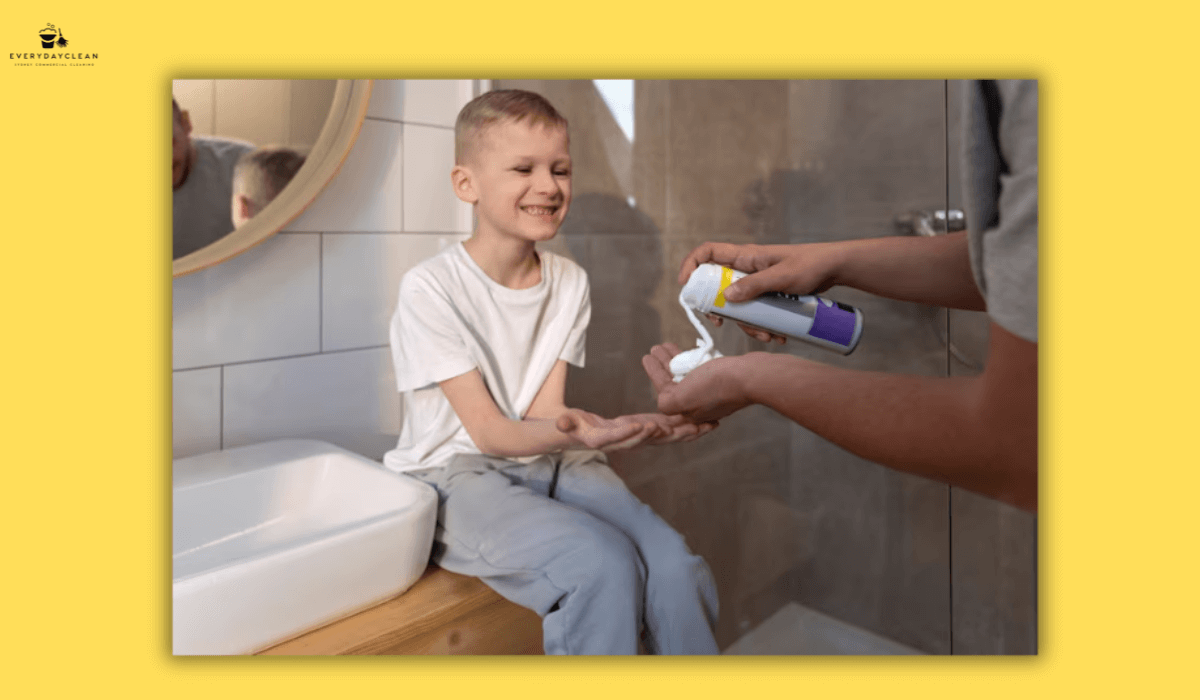
| Liquid hand wash | All handwashing stations | Hypoallergenic, fragrance-controlled |
| Alcohol-based hand rub | Adult staff areas | TGA listed, min. 60% ethanol |
| Laundry liquid/powder | Soft toys, bedding, bibs | Low allergen, enzyme-based |
| Microfibre cloths and mops | All surfaces | Colour-coded by zone |
| Disposable vinyl gloves | Nappy change, waste handling | Food-grade or medical-grade |
| Bin liners and waste consumables | All waste stations | Heavy-duty, hygiene-sealed |
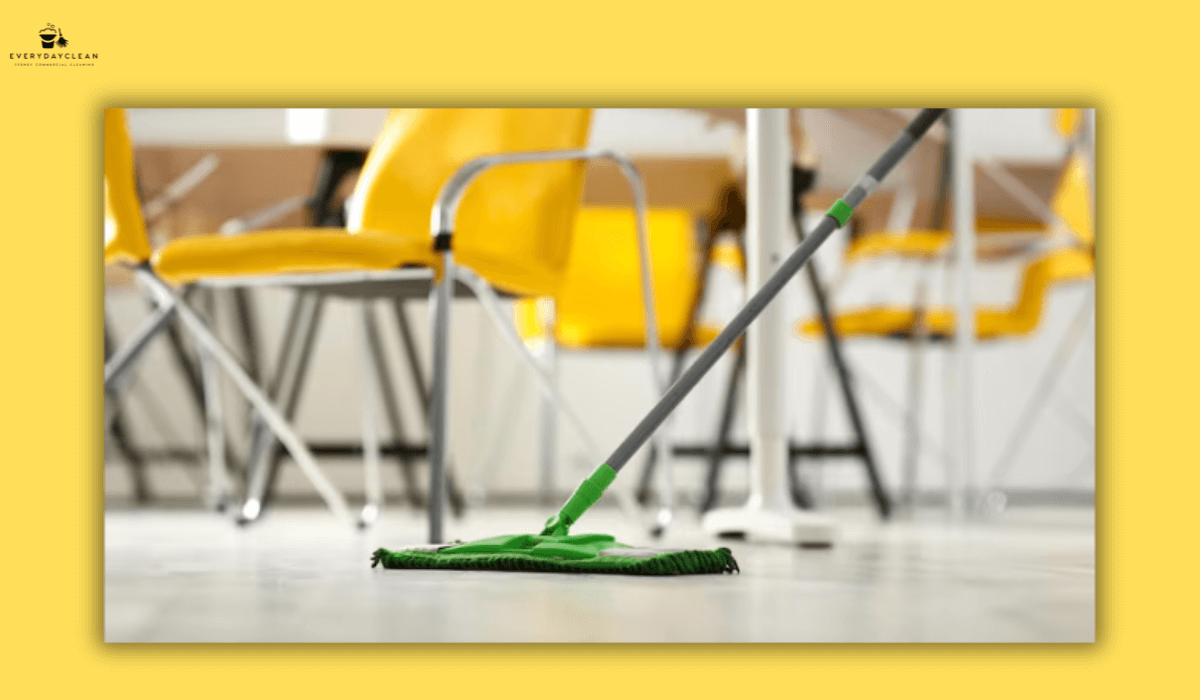
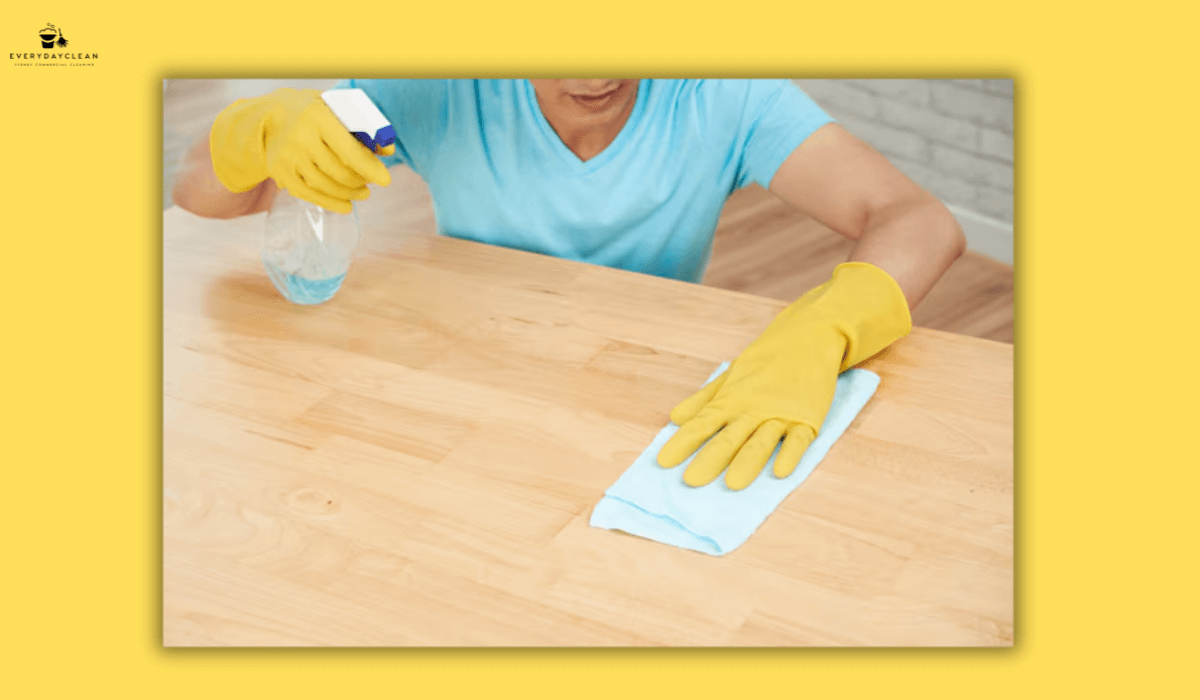
Each product category above plays a distinct functional role. Microfibre cloths, for example, are not simply an alternative to paper - they physically trap pathogens in the cloth fibres rather than spreading them across surfaces, which matters significantly in rooms where children touch every surface within reach. Colour-coding by zone (separate cloths for bathrooms, kitchens, and general areas) prevents cross-contamination and satisfies ACECQA's expectation of documented, systematic hygiene practices.
How Do Childcare Cleaning Products Protect Children from Pathogen Transmission?
Young children are biologically more susceptible to chemical toxicity and infectious disease than adults. Their skin is more permeable, their detoxification pathways are less mature, and they explore environments through hand-to-mouth contact at a rate that no cleaning protocol can fully prevent. This creates a dual obligation for any product used in their environment: it must be effective enough to eliminate pathogenic organisms, and safe enough that residue contact through hands or surfaces does not pose a secondary chemical risk.
Hospital-grade disinfectants - a designation used in Australia to indicate a product effective against a broad spectrum of bacteria, fungi, and viruses - are appropriate for childcare bathroom and nappy change areas, but must be chosen carefully. Products carrying a DANGER or CORROSIVE label warning are unsuitable for childcare use regardless of their efficacy. The correct specification is a TGA-listed, hospital-grade disinfectant that is also rated non-irritating at the working dilution stated on the label.
For toy cleaning specifically, the NHMRC
Staying Healthy guidelines recommend daily cleaning of mouthed toys with a detergent solution followed by disinfection using a low-toxic, TGA-listed product - or in some cases, a food-grade sanitiser that requires no rinse before children return to contact. Understanding the correct sequence and product type for each toy material is critical; a detailed protocol for toy cleaning in childcare settings covers the frequency and product specifications required under Australian guidelines.
What to Look for When Choosing a Childcare Cleaning Products Supplier in Australia
Selecting the right supplier is a compliance and operational decision, not just a purchasing one. Centre directors managing 40-100 children daily cannot afford product substitutions, stock shortages during peak illness seasons, or suppliers who cannot produce SDS documentation during an ACECQA assessment. When evaluating a childcare cleaning products supplier, these are the criteria that matter most:
- GECA-certified core range - Confirms environmental and health standards for the everyday cleaning products used in classrooms and kitchens. GECA-certified products reduce indoor air VOC burden and limit skin and respiratory irritants that accumulate in low-ventilation indoor environments.
- TGA-listed disinfectant availability - The supplier must stock at least one TGA-registered disinfectant with a stated kill claim for bacteria and enveloped viruses relevant to childcare, along with a documented contact time of 30 seconds to 5 minutes for practical daily use.
- Safety Data Sheets for every product - Every product a centre uses must have a current SDS on file. A reliable supplier provides these automatically with every order and flags when formulations change - a critical requirement during ACECQA assessments and WHS inspections.
- Colour-coded microfibre and dispensing systems - Colour coding is a physical control that prevents cross-contamination without relying on staff memory. Suppliers who provide pre-configured colour-coded kits reduce the training burden on centre directors and eliminate the most common source of hygiene protocol failure.
- Bulk ordering and consistent stock availability - Running out of hand soap or bin liners mid-week at a 60-place centre is an operational and compliance problem. A specialist childcare supplier maintains buffer stock and offers scheduled delivery aligned with centre consumption cycles.
- Chemical training resources - Staff turnover in childcare is high. A supplier that provides wall charts, dilution guides, and online chemical safety training reduces the risk of incorrect product use - the single most common cause of cleaning-related incidents in early learning settings.
- Sustainable product options - An increasing number of ACECQA Quality Improvement Plans include sustainability commitments. Suppliers who stock FSC or PEFC certified paper products, concentrate formats that reduce plastic waste, and biodegradable formulations allow centres to meet both hygiene and environmental objectives simultaneously.
FAQs About Childcare Cleaning Products Suppliers in Australia
Centre directors and operations managers frequently raise the same questions when reviewing their cleaning supply arrangements. The answers below address the most common queries based on ACECQA requirements, NHMRC guidelines, and real conditions in Australian early learning environments.
What cleaning products are safe for childcare centres in Australia?
Cleaning products safe for Australian childcare centres are those that are non-toxic at working concentrations, free from fragrances and dyes linked to respiratory irritation, and formulated without DANGER or CORROSIVE label classifications. GECA-certified multipurpose cleaners, food-grade sanitisers for toy and food surface contact, and hypoallergenic hand wash are the core categories. For disinfection of bathrooms, nappy change areas, and sick-bay surfaces, a TGA-listed disinfectant with a stated dwell time and a non-irritating profile at the working dilution is required. Products marketed as "natural" or "eco" are not automatically safe or effective - the GECA certification or TGA listing is what validates the claim, not the label language alone.
Do childcare cleaning products need to be TGA-listed?
Not every cleaning product used in a childcare centre requires TGA listing - but any product that makes a claim to kill bacteria, viruses, or fungi does. Under Australian regulatory law, a product claiming to disinfect is classified as a therapeutic good and must be registered on the ARTG (Australian Register of Therapeutic Goods). Using an unregistered product that claims disinfection efficacy is both a regulatory risk and a practical hygiene failure, since the kill claims are unverified. For general surface cleaning, food-area wiping, and floor mopping, GECA-certified or low-tox cleaners are appropriate without TGA listing. For nappy change tables, bathrooms, sick-bay surfaces, and outbreak response cleaning, TGA listing is non-negotiable.
What is GECA certification, and why does it matter for childcare suppliers?
GECA (Good Environmental Choice Australia) is an independent third-party ecolabel that certifies cleaning products against criteria covering ingredient safety, VOC emissions, packaging sustainability, and performance. For childcare, GECA matters because it excludes ingredients that are particularly harmful to children - including certain preservatives, synthetic musks, and irritant surfactants - without sacrificing cleaning efficacy. A GECA-certified cleaner used on classroom furniture, floors, and play equipment gives parents and ACECQA assessors documented evidence that the products in use meet a credible Australian environmental and health standard. It also supports Quality Improvement Plans that include sustainability commitments, which are increasingly expected by regulatory bodies and families.
How often should childcare centres disinfect surfaces and toys?
NHMRC Staying Healthy guidelines specify that high-touch surfaces - door handles, taps, bench tops, toilet seats, and nappy change mats - should be cleaned and disinfected at least twice daily and after any contamination event. Mouthed toys require cleaning and disinfection daily, or immediately after use by a child who is visibly unwell. Food preparation and service surfaces require cleaning and sanitising before each use with a food-grade, no-rinse sanitiser. During a gastroenteritis outbreak or confirmed infectious illness, the frequency increases after each group contact period, and a TGA-listed disinfectant with confirmed efficacy against the relevant pathogen should replace standard multipurpose cleaners for all high-touch areas.
Can Everyday Clean supply or recommend childcare cleaning products for Sydney centres?
Everyday Clean provides professional childcare cleaning services in Sydney using product systems that align with ACECQA Quality Area 2 requirements, NHMRC Staying Healthy infection control guidelines, and WHS chemical safety obligations. The team brings over 25 years of experience working in early learning environments, with 20 police-checked professionals trained in childcare-specific cleaning protocols. For centre directors seeking a cleaning partner who understands compliance documentation, SDS requirements, and the practical difference between cleaning, sanitising, and disinfecting, Everyday Clean offers a service built specifically for that operational context.
Conclusion
Choosing the right childcare cleaning products supplier is a regulatory and duty-of-care decision that directly affects child health outcomes, ACECQA audit results, and the day-to-day confidence of educators managing infection control. The products used in an early learning environment must satisfy standards that general commercial cleaning suppliers are not equipped to verify - TGA registration for disinfectants, GECA certification for everyday cleaners, food-grade classification for surfaces that children contact directly, and hypoallergenic formulations for hand hygiene stations used dozens of times daily.
The highest-risk gap in most centres is not the absence of cleaning products but the use of the wrong product in the wrong zone, at the wrong dilution, with insufficient contact time. A specialist childcare cleaning products supplier closes that gap through correct product selection, documented SDS provision, colour-coded systems, and staff training resources that survive high staff turnover. For Sydney childcare centres that need both compliant product systems and professional cleaning execution, Everyday Clean delivers both - backed by 20 years of early learning sector experience and 20 police-checked professionals who understand the compliance environment these centres operate within.
Blog