Medical Cleaning Cost Australia: What Facilities Pay
Medical cleaning costs in Australia range from $30 to $60 per hour for routine services, with monthly contracts typically priced between $500 for small general practices and $5,000+ for large multi-specialty medical centres. The cost differential between medical cleaning and standard commercial cleaning exists because healthcare facilities require hospital-grade disinfectants, staff trained in cross-contamination prevention protocols, and cleaning frequencies that prevent Healthcare-Associated Infections (HAIs) rather than merely maintaining visual appearance.
The pricing structure for medical cleaning services reflects the clinical risk profile of each zone within a facility. An examination room where invasive procedures occur requires terminal cleaning after every patient - a protocol that involves specific disinfectant contact times, colour-coded microfibre systems, and documented waste disposal procedures. A reception waiting area, while still requiring daily disinfection of high-touch surfaces, does not carry the same cross-contamination risk or product specification requirements.
Everyday Clean provides specialist medical cleaning services across Sydney with over 20 years of healthcare facility experience and a team of 20 police-checked professionals trained in infection control protocols. The cost breakdown below reflects both market pricing data from metropolitan Australian providers and the specific factors that determine medical cleaning service rates.
What Determines Medical Cleaning Cost in Australia?
The cost of professional medical cleaning is determined by six primary variables, each of which impacts the total labour hours, product requirements, and specialist training needed to deliver compliant healthcare hygiene.
Facility Size and Cleanable Floor Area
Medical centres are priced by either hourly labour rates or per-square-metre calculations, with larger facilities receiving lower per-unit rates due to economies of scale. A single-practitioner general practice (100-150 sqm) cleaning three consultation rooms, a reception area, bathroom, and staff kitchenette will typically require 2-3 hours of cleaning per session at $30-$50 per hour, resulting in $500-$1,500 monthly costs. A multi-specialty clinic (400-800 sqm) with 8-12 treatment rooms, pathology collection zones, X-ray facilities, multiple bathrooms, and staff areas will require 6-10 hours per session and falls into the $1,500-$5,000 monthly bracket.
Large medical complexes exceeding 1,000 sqm - including surgical day centres, diagnostic imaging facilities, and multi-floor medical buildings - move into custom pricing tiers starting at $5,000+ monthly, with some metropolitan providers quoting per-square-metre rates of $0.50-$2.00 per week for comprehensive healthcare cleaning programs.
Cleaning Frequency and Service Schedule
Medical facilities requiring daily cleaning incur higher absolute monthly costs than those cleaned weekly, but the per-session rate typically decreases with recurring contracts. Pricing models in the Australian medical cleaning market include:
- Daily cleaning (5-7 days per week): Most cost-efficient on a per-clean basis; reduces microbial load between sessions; typical for high-volume GP practices, urgent care clinics, and pathology centres
- Twice-weekly cleaning: Mid-range pricing; suitable for low-volume specialist practices with limited patient throughput
- Weekly deep cleaning: Highest per-session cost; often combined with in-house daily surface wiping by clinical staff; appropriate only for consultation-only practices with minimal invasive procedures
Metropolitan providers, including JBN Cleaning, Cleaneroo, and Multi Cleaning, report that clients moving from twice-weekly to three-times-weekly schedules see per-clean pricing reductions of 10-15% due to reduced cleaning complexity when surfaces are maintained more frequently.
Clinical Risk Zones and Contamination Profiles
Not all areas within a medical facility carry equal infection risk. The Australian National Safety and Quality Health Service (NSQHS) Standards classify healthcare zones by contamination potential, which directly impacts the cleaning products, protocols, and time allocation required.
- High-risk zones - surgical suites, procedure rooms, pathology labs, endoscopy units - require terminal cleaning after every procedure using hospital-grade disinfectants with verified kill times against specific pathogens. These zones account for a disproportionate share of total cleaning time relative to their floor area.
- Medium-risk zones - examination rooms, treatment areas, patient bathrooms - require daily cleaning with TGA-registered disinfectants applied to high-touch surfaces and documented contact times.
- Low-risk zones - reception, administrative offices, staff break rooms - can be cleaned with pH-neutral all-purpose cleaners with disinfection limited to door handles, light switches, and shared equipment.
- Facilities with a higher ratio of high-risk to low-risk zones will pay premium rates even if the total floor area is modest. A dermatology practice performing cryotherapy and minor excisions will cost more per square metre than a consultation-only psychiatry practice of identical size.
Specialist Cleaning Requirements and Add-On Services
Medical facility cleaning often includes tasks beyond routine floor, surface, and bathroom cleaning. These specialist requirements add to baseline costs:
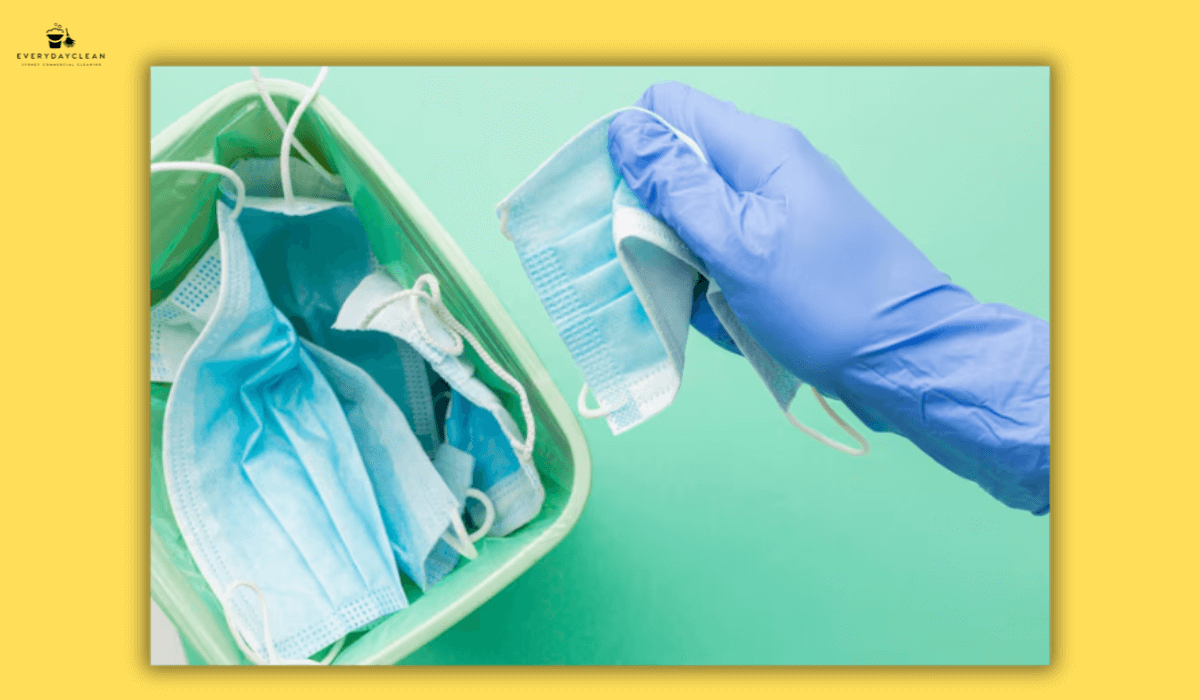
- Medical waste management: Segregation, bagging, and disposal of clinical waste according to state health department regulations ($50-$150 per month, depending on volume)
- Biohazard spill cleanup: Blood, bodily fluid, or sharps spills requiring OSHA-compliant cleanup procedures ($100-$300 per incident for emergency callouts)
- Carpet and upholstery sanitisation: HEPA-filtered extraction cleaning for waiting room furniture and carpeted consultation rooms ($150-$400 per session)
- Window cleaning: Medical centre windows, glass partitions, and entry doors ($5-$15 per window, or $20-$50 per hour for comprehensive glass cleaning)
- Floor polishing and restoration: Vinyl and linoleum floor stripping, sealing, and polishing to maintain slip-resistant surfaces ($2-$5 per sqm)
These add-on services are rarely included in baseline monthly cleaning contracts and are quoted separately, though some providers offer bundled packages that reduce individual service pricing.
Geographic Location and Metropolitan vs Regional Rates
Medical cleaning costs vary by location within Australia due to differences in labour market conditions, travel time for service providers, and operational overhead. Sydney and Melbourne healthcare cleaning rates are generally consistent at $55+ per hour per cleaner across metropolitan providers, reflecting higher wage standards and cost of living. Brisbane rates match Sydney and Melbourne despite slightly lower operating overheads because nationwide award wages and healthcare training requirements keep professional cleaning rates stable.
Regional and remote medical centres may face higher per-hour rates due to limited provider availability and increased travel time charges, or conversely may see lower rates in markets with less competitive pressure - the variation depends on local supply-demand dynamics.
Inner-city medical centres in Sydney CBD, Melbourne CBD, or Brisbane's Fortitude Valley often pay marginal premiums (5-10%) for after-hours cleaning due to parking restrictions and building access protocols that extend setup time.
Provider Credentials and Infection Control Training
Medical cleaning providers with documented staff training in bloodborne pathogen protocols, NSQHS Standards, and HAI prevention typically charge 10-20% more than general commercial cleaners offering medical services as an add-on. This premium reflects:
- Formal training costs for infection control procedures
- Higher staff retention and lower turnover (reducing training frequency)
- Liability insurance specific to healthcare environments
- Access to hospital-grade, TGA-registered disinfectants at commercial volumes
- Documentation and compliance record-keeping for audit purposes
The cost difference between an NSQHS-trained medical cleaner and a general commercial cleaner becomes material during compliance audits, outbreak investigations, or patient safety incidents where documented cleaning protocols become evidence of due diligence.
What Are the Standard Pricing Models for Medical Cleaning?
Australian medical cleaning providers structure their pricing using four primary models, each with specific applications depending on facility characteristics and client preference.
Hourly Rate Model
Hourly billing ranges from $30 to $60 per cleaner in most metropolitan markets, with the final rate determined by task complexity, product requirements, and minimum service hours. This model suits facilities with variable cleaning needs or those requiring flexible service adjustments. The limitation is cost unpredictability - if a cleaner encounters unexpected contamination or equipment issues that extend cleaning time, the invoice increases proportionally.
Per-Square-Metre Model
Per-square-metre pricing typically ranges from $0.50 to $2.00 per week for comprehensive medical cleaning, calculated as total cleanable floor area multiplied by the weekly rate and frequency. This model provides cost certainty and simplifies budgeting for facilities with stable configurations. The risk for clients is overpaying for efficient providers who complete work faster than estimated, or underpaying for thorough providers who take longer - the rate is fixed regardless of actual time spent.
Fixed Monthly Contract
Fixed monthly pricing establishes a set fee based on a scope-of-work assessment during the initial site inspection. The provider quotes a total monthly cost covering all agreed services at specified frequencies, creating budget predictability for both parties. This model is most common for recurring medical cleaning contracts and allows providers to optimise scheduling and labour efficiency. Well-structured fixed contracts include quarterly reviews to adjust pricing if facility usage patterns or clinical scope change materially.
Customised Hybrid Pricing
Larger medical centres and multi-tenancy medical buildings often negotiate hybrid pricing that combines elements of the above models: fixed monthly rates for routine daily cleaning, hourly rates for ad-hoc terminal cleans or outbreak response, and per-incident pricing for biohazard cleanup. This structure balances cost predictability with flexibility for non-routine requirements.

How Much Does Medical Cleaning Cost Per Week and Per Month?
Real-world cost data from Australian medical cleaning providers demonstrates how the variables above translate into actual weekly and monthly expenditure.
Small General Practice (1-3 Consultation Rooms)
- Facility profile: 100-150 sqm, single GP or small group practice, minimal pathology or procedures
- Cleaning frequency: 3 times per week, 2-3 hours per session
- Weekly cost: $180-$450
- Monthly cost: $720-$1,800 (typically falls within the $500-$1,500 benchmark for small clinics)
Medium Multi-Specialty Clinic (4-8 Treatment Rooms)
- Facility profile: 300-600 sqm, multiple practitioners across specialties, shared pathology collection, X-ray or ultrasound facilities
- Cleaning frequency: 5 times per week, 4-6 hours per session
- Weekly cost: $600-$1,200
- Monthly cost: $2,400-$4,800
Large Medical Centre or Surgical Day Facility
- Facility profile: 800-1,500 sqm, surgical procedures, endoscopy, multi-floor layout, extensive pathology and imaging services
- Cleaning frequency: Daily (5-7 days per week), 8-12 hours per session, split across multiple cleaners
- Weekly cost: $1,500-$3,000+
- Monthly cost: $6,000-$12,000+
These figures align with the industry benchmark that large facilities exceed $5,000 monthly, with surgical and high-acuity centres reaching the upper end due to terminal cleaning requirements and extended disinfectant contact times in procedure rooms.
For a detailed breakdown of infection control procedures that drive these costs, Everyday Clean's resource on hospital cleaning standards outlines the NSQHS-aligned protocols used in Australian healthcare facilities.
What Services Are Included in Medical Cleaning Pricing?
Standard medical cleaning contracts typically include the following baseline services, though the specific scope varies by provider and should be verified during the quoting process:
Daily or per-session tasks:
- Vacuum and mop all hard floors using hospital-grade pH-neutral floor cleaner
- Empty and replace liners in all waste bins (general waste and recycling; clinical waste handled separately with additional charges)
- Clean and disinfect high-touch surfaces (door handles, light switches, reception counters, waiting room armrests)
- Clean and disinfect patient bathrooms (toilets, sinks, mirrors, door handles) using TGA-registered hospital-grade products
- Wipe down and disinfect examination tables, treatment chairs, and medical equipment surfaces
- Restock consumables (hand soap, paper towels, toilet paper) if included in contract scope
- Spot-clean glass doors and internal windows
Weekly or periodic tasks:
- Deep-clean kitchen and staff break room areas
- High dusting of light fixtures, air vents, and wall-mounted fixtures
- Damp-mop skirting boards and baseboards
- Clean internal glass partitions and windows
- Vacuum upholstered waiting room furniture
- Sanitise children's play areas and toys if applicable
Services typically excluded from baseline pricing (quoted separately):
- Medical waste collection, transport, and disposal
- Carpet steam cleaning or extraction
- External window cleaning
- Floor stripping and resealing
- Biohazard or sharps cleanup
- Pest control
- Linen and laundry services
Facilities should request a detailed scope-of-work document that explicitly lists included and excluded tasks to avoid post-contract disputes over service expectations.
How Does Medical Cleaning Cost Compare to Standard Commercial Cleaning?
Medical facilities pay a 25-50% premium over standard commercial office cleaning rates due to the additional training, products, protocols, and regulatory compliance requirements specific to healthcare environments. A standard office cleaning contract might run $25-$40 per hour or $0.05-$0.20 per square foot for routine sweeping, vacuuming, trash removal, and basic bathroom cleaning. Medical cleaning at $35-$60 per hour or $0.18-$0.35 per square foot reflects:
- Hospital-grade disinfectants: TGA-registered products cost 2-3x more than general commercial cleaners and require specific dilution, contact time, and safety data sheet documentation
- Infection control training: Staff trained in HAI prevention, bloodborne pathogen protocols, and cross-contamination prevention earn higher wages and represent greater training investment
- Colour-coded systems: Medical cleaning uses dedicated microfibre cloths, mops, and buckets assigned to specific risk zones to prevent pathogen transfer - a cost not present in general commercial cleaning
- Documentation requirements: Medical cleaning contracts often require daily or weekly service logs, product usage records, and incident reports for compliance audit purposes
- Liability and insurance: Medical-specific liability coverage protects against patient safety incidents related to cleaning failures, which drives higher insurance premiums
The cost premium is not optional - it represents the baseline investment required to meet NSQHS Standards and maintain patient safety. Facilities that attempt to save money by using standard commercial cleaners without healthcare training routinely fail compliance audits and face material HAI risk.
For facilities evaluating whether this premium delivers measurable value, Everyday Clean's analysis of medical cleaning and patient satisfaction demonstrates the correlation between professional healthcare hygiene and HCAHPS survey scores.
FAQs About Medical Cleaning Cost
The following questions represent the most common cost and pricing concerns raised by medical practice managers, clinic directors, and healthcare facility operators navigating service procurement.
How much does medical centre cleaning cost per hour in Australia?
Medical centre cleaning costs between $30 and $60 per hour in Australia, with the rate determined by the specific services required, the clinical risk level of areas being cleaned, and whether the provider specialises in healthcare facilities. General medical cleaning for consultation rooms and waiting areas typically costs $30-$50 per hour. Terminal cleaning of procedure rooms, pathology labs, or surgical suites requiring hospital-grade disinfectants and documented contact times ranges from $45-$60 per hour. Some metropolitan providers in Sydney, Melbourne, and Brisbane charge $55+ per hour as a baseline for any healthcare facility work due to the staff training, insurance, and product requirements inherent to medical environments. Hourly rates typically decrease for clients booking recurring multi-day weekly contracts compared to ad-hoc single-visit services.
What is the average monthly cost for cleaning a medical centre?
The average monthly cost for cleaning a medical centre in Australia depends on facility size and cleaning frequency. Small general practices (1-3 consultation rooms) pay $500-$1,500 per month for 2-3 cleaning sessions per week. Medium-sized multi-speciality clinics (4-8 treatment rooms) pay $1,500-$5,000 per month for daily or near-daily cleaning. Large medical facilities, including surgical centres, diagnostic imaging facilities, and multi-floor medical buildings, pay $5,000-$12,000+ per month for comprehensive daily cleaning programs. These figures reflect baseline cleaning services and do not include specialist add-ons like medical waste disposal, biohazard cleanup, or carpet extraction, which are typically quoted and billed separately. Facilities negotiating fixed monthly contracts should request a detailed scope document that explicitly lists included and excluded tasks to ensure cost expectations align with service delivery.
Is medical cleaning more expensive than regular office cleaning?
Medical cleaning is 25-50% more expensive than regular commercial office cleaning due to the additional products, training, and protocols required to meet healthcare hygiene standards. Where a standard office might pay $25-$40 per hour for routine vacuuming, trash removal, and basic bathroom cleaning, medical facilities pay $35-$60 per hour for services that include hospital-grade TGA-registered disinfectants, staff trained in infection control and cross-contamination prevention, colour-coded microfibre systems assigned to specific risk zones, and compliance documentation for audit purposes. The cost premium is not discretionary - it represents the minimum investment required to prevent Healthcare-Associated Infections and meet National Safety and Quality Health Service Standards. Medical facilities that attempt cost savings by using general commercial cleaners without healthcare training consistently fail compliance audits and create a material patient safety risk.
What factors increase medical cleaning costs beyond the baseline rate?
Several factors drive medical cleaning costs above baseline hourly or monthly rates. High-risk clinical zones like surgical suites, endoscopy rooms, and pathology labs require terminal cleaning after every procedure with extended disinfectant contact times, which increases labour hours per square metre. Medical waste management adds $50-$150 monthly for segregation and disposal compliance. Emergency biohazard cleanup for blood or bodily fluid spills costs $100-$300 per incident for OSHA-compliant response. Specialist services, including carpet extraction ($150-$400 per session), floor polishing ($2-$5 per sqm), and external window cleaning ($5-$15 per window), are typically excluded from baseline contracts. After-hours or weekend cleaning in inner-city locations may incur surcharges (5-15%) due to parking restrictions and building access protocols. Facilities with high staff turnover or frequent layout changes require more frequent service scope reviews and contract adjustments, which can create administrative cost overhead.
How can medical facilities reduce cleaning costs without compromising hygiene standards?
Medical facilities can optimise cleaning costs while maintaining compliance through several strategic approaches. Bundling services with a single provider rather than sourcing cleaning, waste disposal, and specialist tasks separately typically reduces total cost by 10-20% through consolidated invoicing and volume discounts. Increasing cleaning frequency paradoxically lowers per-clean costs - moving from twice-weekly to three-times-weekly cleaning reduces the complexity of each session because surfaces are less contaminated, which decreases time and product requirements. Clearly defining high-risk vs low-risk zones in the cleaning specification prevents over-application of hospital-grade disinfectants to areas where pH-neutral all-purpose cleaners are adequate, reducing product costs without compromising infection control. Long-term contracts (12-24 months) typically secure 5-10% lower monthly rates than month-to-month agreements due to provider scheduling stability. Staff training on basic daily surface wiping between professional cleaning visits reduces microbial load and allows professional cleaners to focus on deep cleaning and disinfection rather than routine tidying, which improves efficiency.
Why Professional Medical Cleaning Delivers Value That Justifies the Cost
The cost of professional medical cleaning is not merely an operational expense - it is a patient safety investment that directly impacts clinical outcomes, regulatory compliance, and practice reputation. Healthcare-Associated Infections occur when pathogen transfer is not prevented through proper environmental hygiene. A single HAI event can result in patient harm, notification obligations to state health departments, practice reputation damage, and, in serious cases, professional indemnity claims or facility licensing review.
Professional medical cleaning providers deliver documented infection control protocols, TGA-registered hospital-grade products, staff trained in bloodborne pathogen response, and compliance records that withstand NSQHS audit scrutiny. The cost differential between professional healthcare cleaning and general commercial cleaning represents the premium for risk mitigation, regulatory alignment, and clinical safety assurance.
Everyday Clean's medical cleaning services in Sydney are built specifically for healthcare environments - using NSQHS-aligned protocols, colour-coded microfibre systems across risk zones, hospital-grade TGA-registered disinfectants, and documented service logs available for compliance assessment. All staff are police-checked, trained in infection control procedures, and equipped with appropriate PPE for healthcare facility work.
For a medical centre cleaning program tailored to the specific clinical risk profile, patient volume, and compliance requirements of the facility, contact
Everyday Clean.
Blog