How to Clean a Weight Bench by Upholstery Type
How to clean a weight bench correctly depends on two variables most guides skip: the upholstery material and the frequency of use. Vinyl, leather, PU leather, and fabric each require a different cleaning product, dwell time, and drying method - using the wrong product on the wrong surface causes cracking, discolouration, and premature upholstery failure. A 2014 FitRated study found free weights at commercial gyms carry 362 times more bacteria than a toilet seat; weight bench pads accumulate the same contamination through sweat, skin contact, and shared use. The steps below cover every material type and cleaning frequency for both home and commercial gym environments.
Key Takeaways
- Identify the upholstery material first - vinyl, leather, PU leather, and fabric each require a different cleaning product. Using the wrong one causes irreversible surface damage.
- Wipe a vinyl weight bench with a mild dish soap solution and a microfibre cloth after every session, then dry the seam lines completely to prevent mould growth within 48-72 hours.
- Leather upholstery needs a pH-neutral leather cleaner and a conditioning treatment every 3-6 months - excess moisture causes salt crystallisation and cracking that no product can reverse.
- Always vacuum fabric bench pads before applying any liquid - wet cleaning without vacuuming first saturates the foam padding and creates long drying times and deep-set odour.
- Bleach, ammonia, acetone, and undiluted alcohol all degrade vinyl and PU leather. The maximum safe bleach concentration for vinyl disinfection is 1 part bleach to 10 parts water.
Weight Bench Cleaning Supplies
The right supply kit is the difference between a clean that protects the upholstery and one that damages it over time. Most weight bench cleaning mistakes - cracked vinyl, peeling PU leather, mouldy seams - trace back to using the wrong product rather than not cleaning at all. The core kit below covers post-session wipe-downs, weekly disinfection, and the drying step that most people skip.
Use separate microfibre cloths for applying solution and for drying - one cloth for both steps redistributes bacteria rather than removing it. The same discipline applies to the rest of the gym; a dedicated rubber gym mat cleaning kit and a weight bench cleaning kit should always be kept separate to prevent cross-contamination between surfaces.
The following items cover the complete cleaning and disinfection process for a weight bench:
- Microfibre cloths (minimum 2) - One for applying the cleaning solution, one for drying. White cloths are safer than coloured ones; coloured cloths can transfer dye to light-coloured vinyl or fabric upholstery under moisture.
- Mild dish soap - A few drops per litre of warm water is the correct dilution. This is the baseline cleaning solution safe for vinyl, PU leather, and fabric without stripping surface coatings.
- pH-neutral leather cleaner - Required for genuine leather upholstery only. Standard soap solutions strip the natural oils that keep leather supple and accelerate cracking if used regularly.
- Gym-grade disinfectant wipes (alcohol-free, bleach-free) - EPA-registered gym wipes are formulated specifically for equipment upholstery. Standard Clorox or Lysol wipes contain alcohol concentrations high enough to crack vinyl with repeated use.
- Soft-bristle brush - For seam lines on vinyl and leather benches, and for the full surface of fabric pads. Sweat and residue accumulate in stitching creases and are not removed by a flat cloth wipe alone.
- Spray bottle - Always apply cleaning solution to the cloth first, not directly to the bench. Spraying directly onto the pad allows liquid to penetrate seam gaps and saturate the foam underneath.
- Vacuum cleaner with upholstery attachment - Required as the first step before any wet cleaning on fabric upholstery. Vacuuming removes loose skin cells, chalk dust, and debris before they are pushed deeper into the weave by liquid.
Pro Tip: Store the cleaning kit in a small caddy next to the bench, not in a cupboard on the other side of the room. The single biggest reason post-session wipe-downs get skipped is that the supplies require effort to retrieve. Proximity removes that barrier entirely.
How to Clean a Vinyl Weight Bench
Vinyl is the most common weight bench upholstery material because it is non-porous, load-resistant, and does not absorb sweat when the surface is intact. Those properties make vinyl the easiest material to clean on a weight bench - but only when the right products are used. Repeated exposure to high-alcohol wipes, undiluted bleach, or ammonia-based sprays breaks down the plasticisers in vinyl, causing the surface to stiffen, crack, and delaminate.
Vinyl Weight Bench: Post-Session Wipe-Down
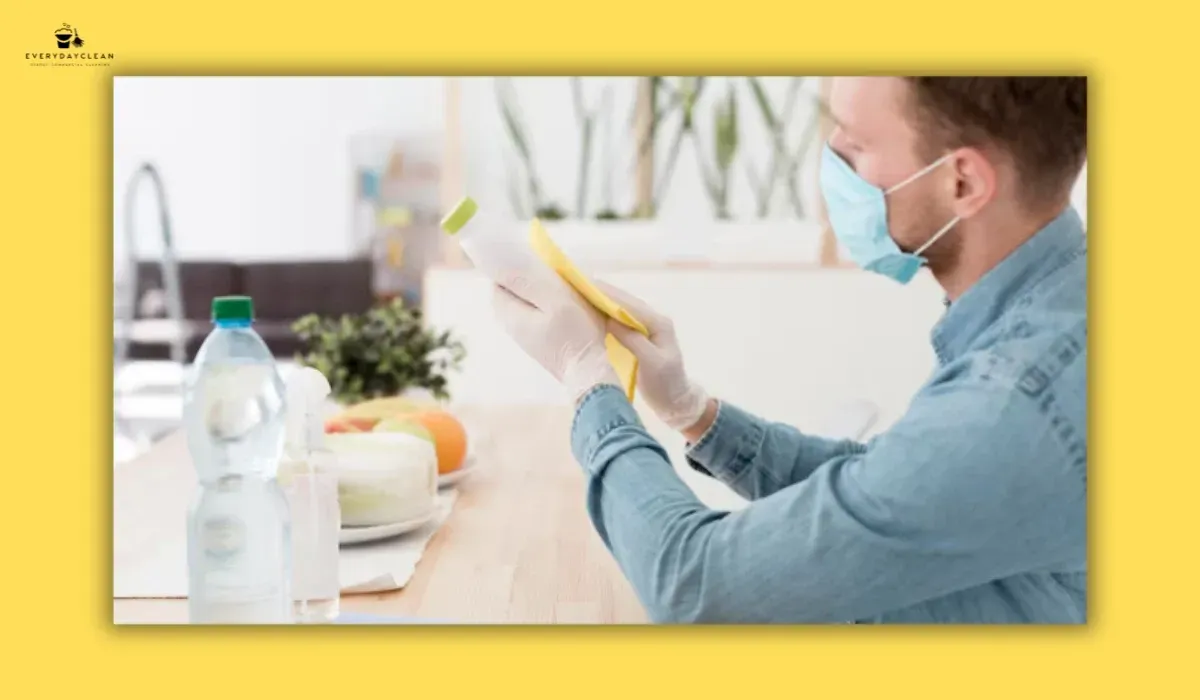
After every training session, wipe the entire vinyl surface - pad top, pad sides, and seam lines - using a damp microfibre cloth with a mild soap solution. Wipe in one direction only, not back and forth; unidirectional wiping moves sweat and bacteria off the surface rather than redistributing it. Follow immediately with a dry microfibre cloth and press into the seam lines where moisture collects.
Moisture left in vinyl seams creates the conditions for mould growth within 48-72 hours - the mould develops inside the seam, not on the visible surface, and is not removable once established.
Warning: Never spray cleaning solution directly onto a vinyl bench pad. Liquid applied directly to the surface penetrates the seam gaps and saturates the foam padding underneath. Wet foam takes 12-24 hours to dry fully in a closed gym room and creates a mould environment that is invisible from the surface until the damage is already done. Always apply solution to the cloth first.
Vinyl Weight Bench: Weekly Deep Clean and Disinfection
Once per week, run a full disinfection pass on the vinyl surface. A diluted disinfectant solution at 1 part bleach to 10 parts water is the maximum safe concentration for vinyl - apply with a cloth, allow 5 minutes of contact time for bacterial kill, then wipe off with a clean damp cloth and dry completely. Gym-grade alcohol-free disinfectant wipes are an effective alternative if bleach solution is not practical. For a full breakdown of which products are safe for gym equipment surfaces, the eco-friendly gym cleaning products guide covers non-corrosive, low-residue formulations suitable for vinyl, rubber, and fabric.
Standard: Vinyl conditioner or UV protectant should be applied every 3-6 months to restore the plasticiser content that routine cleaning progressively strips from the surface. Without conditioning, vinyl becomes brittle and cracks at the seam lines and high-contact zones first - typically within 12-18 months of regular unconditioned cleaning.
How to Clean a Leather Weight Bench
Leather weight bench upholstery demands more care than vinyl because it is porous - excess moisture and the wrong cleaning chemistry both strip the natural oils that keep leather supple and crack-resistant. Most leather bench pads in high-end home gyms and commercial boutique facilities carry manufacturer instructions specifying a pH-neutral leather cleaner. Using a general soap solution or disinfectant wipe as the routine cleaning product will cause the surface to dry out and crack within 12-18 months, voiding the warranty in most cases. For a comparison of which cleaners are safe for each upholstery type, the best products for cleaning upholstery guide covers formulations tested for leather, vinyl, and fabric in Australian conditions.
Leather Weight Bench: Post-Session Wipe-Down
After each session, wipe the leather pad surface with a lightly damp microfibre cloth - damp, not wet. Do not apply any cleaning product at this stage; the post-session wipe is a sweat removal step only. Pat the surface dry immediately after wiping - do not leave leather to air dry.
Leaving sweat to dry on leather causes salt crystallization on the surface, which draws moisture out of the material over time and creates micro-cracks where bacteria embed below the surface coating.
Leather Weight Bench: Weekly Deep Clean
For the weekly deep clean, apply a pH-neutral leather cleaner to a soft microfibre cloth and work it into the surface using small circular motions across the full pad. Do not use foam applicators - they push cleaning product into seam lines where it is difficult to fully remove, and residue buildup causes premature stitch deterioration. Follow with a clean, damp cloth to remove all product residue, then dry thoroughly with a second cloth.
Every 3-6 months, apply a leather conditioner formulated specifically for upholstery leather - not shoe leather or automotive leather - to restore the surface oil content that cleaning strips.
Warning: Bonded leather - also labelled "reconstituted leather" on some Australian gym equipment - consists of a polyurethane coating bonded to a fibre backing. It cannot tolerate conditioning oils, alcohol, or over-wetting. Any of these causes the polyurethane layer to peel from the backing. Use only a dry or barely damp microfibre cloth on bonded leather and treat it as a consumable surface with a shorter service life than full-grain or PU leather.
How to Clean a Fabric Weight Bench
Fabric weight bench upholstery is the most hygienically demanding material to maintain because it is fully absorbent - sweat, skin cells, and bacteria penetrate the weave on contact rather than sitting on the surface, where a wipe-down can remove them. Fabric bench pads that are not vacuumed and spot-cleaned on a regular schedule develop deep-set odour and bacteria colonies that no surface cleaning product can reach.
Fabric Weight Bench: Vacuuming Before Wet Cleaning
Before applying any liquid to a fabric weight bench, vacuum the entire surface using a vacuum cleaner with an upholstery brush attachment. Work systematically across the flat pad surface, then along all seam lines and creases where the pad wraps around the frame. This removes loose sweat residue, chalk dust, and shed skin cells before they are pushed deeper into the weave by liquid.
Skipping this step and applying a cleaning solution directly to an unvacuumed fabric bench is the most common cause of foam pad saturation - saturated foam in a poorly ventilated home gym takes 6-12 hours to dry fully, creating ideal conditions for mould growth in the padding.
Fabric Weight Bench: Spot Cleaning and Deep Cleaning
For spot cleaning, apply a fabric upholstery cleaner to a soft cloth and blot the stained area - do not scrub, as scrubbing pushes the stain deeper into the fibres and spreads it laterally. For a full-surface clean, mix a small amount of mild upholstery shampoo with warm water per the product's dilution instructions, apply with a cloth in sections, and rinse each section with a clean, damp cloth before it dries.
Air dry the bench completely in a ventilated space before the next use. For persistent odour on a dry bench, sprinkle baking soda across the full surface, leave for 20 minutes, then vacuum off - baking soda neutralizes odour-causing bacteria without adding moisture.
Pro Tip: For microfibre or synthetic fabric bench pads, rubbing alcohol applied via spray bottle and scrubbed with a clean white sponge lifts embedded oil and sweat residue more effectively than soap and water. Alcohol evaporates quickly, which significantly reduces drying time and the mould risk that comes with wet foam padding.
Weight Bench Cleaning Frequency
Cleaning frequency is determined by two factors: whether the bench is in a home or commercial gym, and how many users it sees per day. A home gym bench used by one person four to five times per week carries a different contamination load than a commercial bench with 20-30 users per day. The following framework covers the minimum recommended cleaning intervals for weight benches across both settings:
- After every session - home gym - Wipe the full upholstery surface with a damp microfibre cloth and mild soap solution, then dry the seam lines completely. This takes under 2 minutes and prevents sweat residue from bonding to the surface between sessions.
- After every user - commercial gym - Between-user sanitisation with a gym-grade disinfectant wipe or spray applied to a microfibre cloth is the minimum commercial standard. The wipe-down must cover the pad surface, pad sides, and the adjustment pin - all surfaces contacted during use.
- Once per week - all environments - Full deep clean of the upholstery surface, metal frame, adjustment mechanisms, footrest, and all contact points. The frame and adjustment pin accumulate sweat and chalk that cause corrosion when left over multiple sessions. The gym cleaning checklist covers how to structure daily, weekly, and monthly tasks across all equipment in a commercial facility.
- Every 3-6 months - leather and vinyl only - Apply a material-appropriate conditioning or protective treatment to restore surface integrity. Vinyl conditioner and leather conditioner are different products - applying the wrong one causes as much damage as the wrong cleaning product.
Standard: A 2024 survey of home gym owners found 85% did not meet the medically recommended weekly cleaning requirement for their equipment. For commercial facilities, Safe Work Australia's workplace hygiene guidelines specify that shared fitness equipment surfaces should be disinfected between each user - a requirement that demands both a staff cleaning protocol and member-accessible disinfectant wipes stationed throughout the floor.
Products to Never Use on a Weight Bench
The wrong cleaning product causes more cumulative damage to a weight bench than skipping a clean entirely. Most upholstery damage seen on commercial gym equipment - surface cracking, discolouration, delamination - is the result of household cleaning sprays or high-alcohol wipes used repeatedly because they were available, not because they were correct for the surface. The following products cause direct and progressive material damage to vinyl, PU leather, and leather upholstery:
- Undiluted isopropyl or ethanol alcohol - High-concentration alcohol strips the plasticisers from vinyl on contact. The damage is cumulative - the surface appears fine for weeks before beginning to crack and flake. Gym-grade equipment wipes are specifically formulated to be alcohol-free to prevent this.
- Undiluted bleach - Full-strength bleach causes rapid discolouration and degrades the backing layer of vinyl upholstery within a small number of applications. Diluted bleach at 1 part bleach to 10 parts water is acceptable for vinyl disinfection only - rinse off with a clean damp cloth immediately after the 5-minute contact time.
- Ammonia-based multi-surface sprays - Products including Windex, Formula 409, and similar household sprays contain ammonia at concentrations that strip the surface coating from vinyl and PU leather and cause permanent discolouration. These products are not suitable for any upholstery surface on a weight bench.
- Acetone and paint solvents - Nail polish remover, paint thinner, and acetone-based cleaners dissolve the top layer of vinyl and PU leather on contact. There is no safe dilution for these products on upholstery materials.
- Abrasive scrubbing pads or steel wool - Abrasive materials scratch the smooth surface layer of vinyl and leather, creating micro-grooves where bacteria embed, and the surface can no longer be sanitised to a hygienic standard.
Warning: Most Australian gym equipment warranties exclude damage caused by unapproved cleaning products. Upholstery delamination claims are routinely denied when the cleaning product used can be identified as the cause. Always check the manufacturer's care instructions before applying any cleaning or disinfecting product to a weight bench for the first time.
How to Clean the Metal Frame of a Weight Bench
The pad gets cleaned; the frame usually does not. Steel frames, adjustment pins, footrests, pivot points, and pop-pin mechanisms all accumulate sweat, chalk residue, and skin oils between sessions - and unlike the upholstery surface, metal corrosion is a structural safety issue, not just a hygiene one. A corroded pop-pin on an adjustable bench can fail under load. The same principle applies to adjacent surfaces - a consistent gym floor cleaning routine ensures no floor surface near the bench carries contamination that transfers back to cleaned equipment.
To clean the frame, apply a mild soap solution to a microfibre cloth and wipe all frame surfaces - do not spray directly onto the frame, as liquid runs into adjustment holes and collects at welds where corrosion begins. Pay particular attention to the underside of the seat pad bracket, the adjustment pin housing, and the footrest junction, where sweat pools and dries in the gap between clean sessions. Dry the frame completely with a second cloth immediately after wiping.
For frames showing early surface rust, a rust-inhibiting primer applied to the affected area after cleaning arrests the corrosion before it reaches load-bearing welds. Do not use steel wool on powder-coated frames - it removes the coating at the scratch site and creates a corrosion starting point.
How to Keep a Weight Bench Clean Between Sessions
Three habits reduce contamination between cleans without changing the cleaning schedule. Each one addresses a different route by which bacteria, moisture, and UV damage degrade the bench between post-session wipe-downs.
- Use a training towel on the bench pad during every session - A clean towel placed between the body and the bench pad during pressing and rowing exercises significantly reduces direct sweat contact with the upholstery surface. Wash training towels after every session in water above 60 degrees Celsius - washing below this temperature moves bacteria from the towel into the wash water and back onto the towel rather than killing it.
- Position the bench away from direct sunlight - UV exposure dries out and fades vinyl and leather upholstery faster than cleaning chemistry does. In home gym rooms with external windows, move the bench out of direct sun or apply UV-blocking film to the window. This is one of the fastest ways to extend the service life of vinyl bench pads without any additional cleaning effort.
- Ventilate the training space for 15-20 minutes after every session - Sweat evaporating during and after training raises the humidity in a closed gym room. Elevated humidity accelerates bacterial multiplication on equipment surfaces and in seam lines. Opening a window or running an exhaust fan for 15-20 minutes post-session drops the ambient humidity back to a level where bacterial growth slows significantly.
Frequently Asked Questions
The questions below address the specific cleaning problems that come up most often with weight bench upholstery - product safety on vinyl, odour removal on fabric and leather, and what to do when the surface has already started to deteriorate.
Can you use Dettol or Lysol wipes on a weight bench?
Dettol and Lysol wipes are acceptable for occasional disinfection on vinyl weight benches, but should not be the primary post-session cleaning product. Both contain alcohol at concentrations that degrade vinyl plasticisers over time - the surface appears normal for weeks before cracking begins. For daily post-session wiping on vinyl, a damp microfibre cloth with mild soap is the correct product. Reserve Dettol or Lysol wipes for the weekly disinfection pass only, and switch to gym-grade alcohol-free wipes where possible to protect the bench surface across its full service life.
How do you get sweat smell out of a weight bench?
Persistent sweat odour means bacteria have colonised the seam lines or the foam padding below the upholstery, not just the visible surface. On vinyl or leather, wipe down all surfaces including the seam lines with a mild soap solution and dry completely - the seams are where odour-causing bacteria establish first. On fabric, sprinkle dry baking soda across the full surface, leave for 20 minutes, then vacuum off. If the odour returns within a day or two of cleaning, the foam padding has absorbed contamination too deep for surface treatment and needs replacement. In Australian commercial gyms, recurring bench odour is almost always a cleaning frequency problem rather than a product problem.
Can you use a steam cleaner on a weight bench?
Steam cleaning is not recommended for vinyl or leather weight bench upholstery. High heat combined with pressurised moisture can delaminate the top layer of vinyl - particularly on pads already showing early cracking - and causes leather to dry out and stiffen permanently. Steam cleaning is more appropriate for fabric bench pads where the manufacturer's care instructions specifically permit it and no vinyl or leather is present. For fabric benches that need deep disinfection, a commercial upholstery shampoo applied with a cloth and allowed to dry fully is a safer and more controlled method.
How do you clean a weight bench that has started to crack or peel?
Cracking or peeling on a weight bench indicates the vinyl or PU leather surface layer is deteriorating - standard cleaning cannot reverse the damage, but it can prevent it from spreading. Clean the surface with a mild soap solution and dry thoroughly, then apply a vinyl repair conditioner or upholstery repair compound to the cracked zones. Vinyl repair products are available from automotive and marine upholstery suppliers across Australia and are the same category used for commercial gym equipment restoration. Once the surface has fully delaminated and the foam padding is exposed, the pad requires replacement - a split vinyl surface is no longer non-porous and cannot be cleaned to a hygienic standard regardless of the product used.
Professional Gym Cleaning for Weight Benches and Equipment
EverydayClean delivers scheduled commercial gym cleaning across Sydney - equipment disinfection, bench and upholstery care, floor cleaning, and high-touch surface protocols on a schedule that keeps the facility hygienic between every session.
Blog