Best Products for Cleaning Upholstery by Fabric and Stain
Choosing an upholstery cleaner starts with the care label, not the stain. The wrong product on the wrong fabric can cause water rings, colour bleed, shrinkage or fibre damage that no subsequent treatment reverses. Getting the fabric care code right first narrows the product choice considerably and rules out most of the risk before anything goes on the surface.
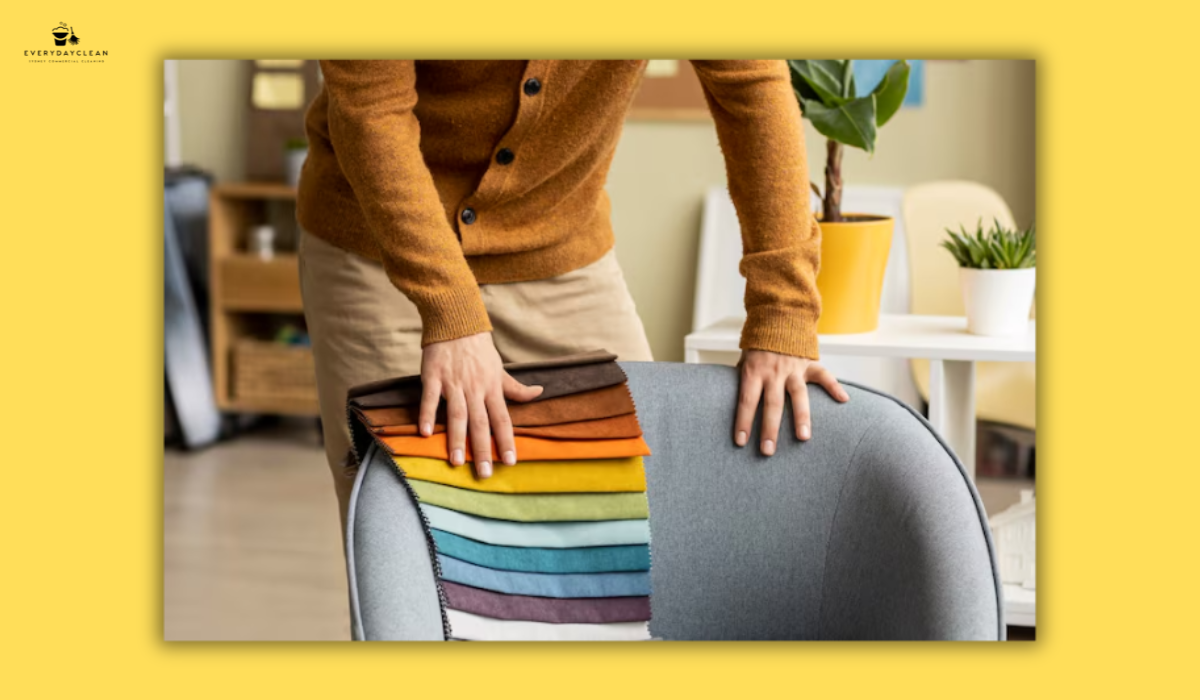
Read the care label before buying anything
Most upholstered furniture carries a care tag with a one or two-letter code. These codes are the most reliable starting point for product selection.
| Code | Meaning | What to use |
|---|---|---|
| W | Water-based cleaners only | Water-based sprays, mild detergent solutions, enzyme cleaners |
| S | Solvent-based cleaners only | Dry-cleaning solvent, solvent-based upholstery spray, no water |
| WS | Water or solvent cleaners | Broadest options: most commercial upholstery cleaners apply |
| X | Vacuum only, no liquids | No product of any kind; professional cleaning only for stains |
Where there is no tag, or the tag has worn off, avoid applying any cleaner until you can confirm the fabric type, or test only with extreme caution in a hidden area before proceeding. Wetting a fabric coded S is one of the fastest ways to create a permanent water ring.
Product types and when each one fits
Water-based upholstery cleaners. The most widely available category, suitable for W and WS coded fabrics. They lift water-soluble soils including food residue, light drink spills, dust and general surface grime. Look for a product with clear directions on dilution and dwell time, and avoid anything with a strong fragrance in enclosed spaces.
Solvent-based cleaners. Necessary for S-coded fabrics such as some silks, rayons, velvets and certain woven synthetics. Water causes these fabrics to distort, shrink or ring-mark. Solvent cleaners evaporate rather than wet the fibre, which is what makes them appropriate here. Ventilation is critical when using solvent products, as fumes accumulate quickly in small rooms.
Enzyme cleaners. Particularly useful for organic stains: pet urine, vomit, blood and food. The enzymes break down the organic compounds rather than just masking or lifting the surface residue, which is why they can reduce odour more effectively than general cleaners on biological sources. They need dwell time to work, typically stated on the label, and are water-based so suit W and WS fabrics.
Oxygen-based cleaners. Suitable for some W and WS fabrics, useful for general brightening and some stain types. They are more active than a mild detergent and need a patch test, since some dyes and fabric finishes react to oxidising agents.
Mild detergent solution. A small amount of dish soap in water is a workable starting point for food and drink spills on W and WS fabrics when a commercial product is not at hand. Use sparingly, since excess detergent leaves residue that attracts further soil. Rinse with a clean damp cloth after applying.
Odour treatments. Designed for fabric freshening, dry pet odour and general staleness rather than stain removal. Most are water-based and suitable for W and WS fabrics. They do not replace cleaning for biological sources; an enzyme cleaner handles the source before an odour treatment is applied on top.
Fabric protectors. Applied after cleaning, not as a substitute for it. These add a degree of resistance to future spills but need to be compatible with the fabric type and reapplied periodically. Check the label confirms compatibility with your fabric before use.
Patch test every product on a hidden area of the fabric first, ideally on the back of a cushion or under a seat. Apply a small amount, blot, leave to dry fully, and check for colour change, shrinkage or surface change before treating the visible area.
Matching product to stain type
The fabric code sets the product category. The stain type guides which product within that category is most likely to help.
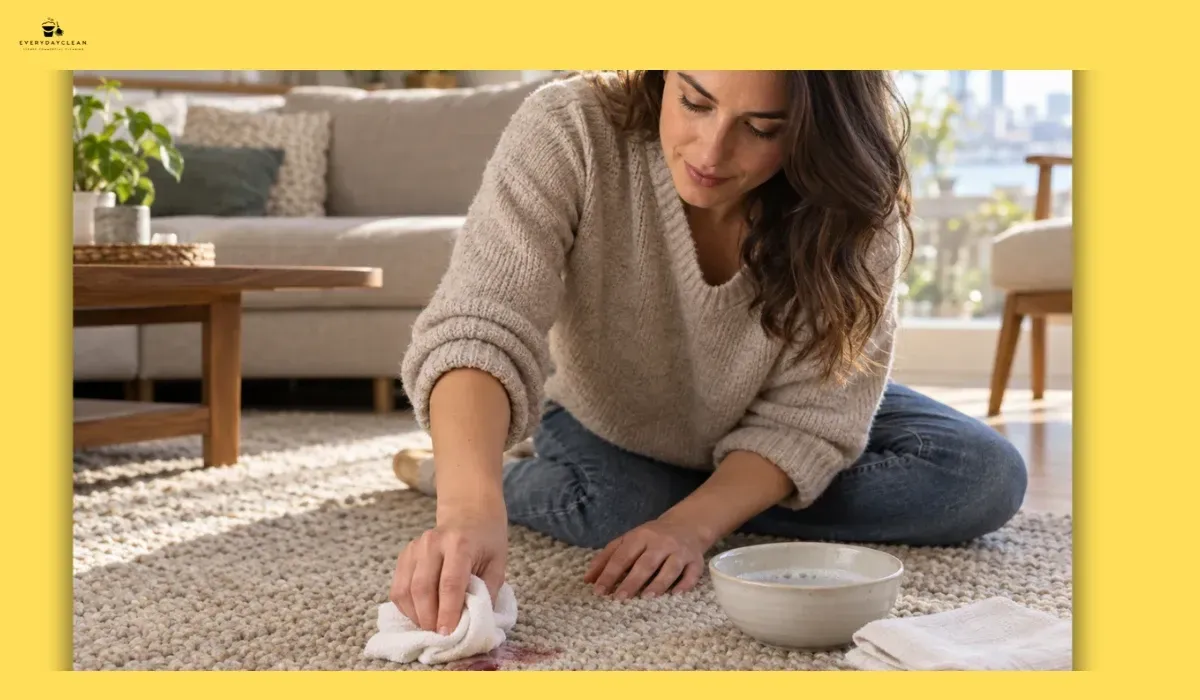
Food spills. Act quickly. Blot, do not rub. A water-based cleaner or mild detergent solution on W and WS fabrics handles most food residue when treated promptly. Dried food residue benefits from a short dwell time before blotting.
Drink stains, including coffee, tea and wine. Water-based cleaners work on W and WS fabrics while the stain is fresh. Once the surface residue is removed, some products may help with tannin-based stains such as tea and red wine, though tannin stains can be difficult to treat and results vary depending on how long the stain has been there and the fabric type. Check label directions for the specific product, and avoid hot water, which can set tannin stains.
Pet accidents. An enzyme cleaner is the most appropriate product here because it targets the organic compounds responsible for both the stain and the odour. Absorb as much liquid as possible first, apply the enzyme cleaner with adequate dwell time as stated on the label, then blot. An odour treatment alone will not address the source.
Grease and oil stains. Blot excess first. On W and WS fabrics, a small amount of dish soap or a commercial degreasing upholstery spray can help. On S-coded fabrics, a solvent-based cleaner is the appropriate option. Rubbing spreads grease and pushes it deeper into the fibre.
Body oils and general soiling on armrests and headrests. This is accumulated rather than immediate, and responds best to a water-based cleaner with some dwell time on W and WS fabrics. Regular maintenance cleaning prevents the build-up that eventually resists spot treatment.
Odour without visible staining. If the odour source is biological, an enzyme cleaner addresses it more effectively than a general freshener. If the cause is general use, an odour treatment on W and WS fabrics can reduce it after the surface has been cleaned. Ventilate the room during and after application.
Practical rules that apply across all upholstery cleaning
Regardless of the stain type or product:
- Blot, do not rub. Rubbing spreads the stain laterally and pushes it into the fibre rather than lifting it out.
- Work from the outside of a stain toward the centre, to avoid spreading it.
- Avoid over-wetting. Excess moisture can penetrate to the cushion fill, cause mildew, and lead to the ring marks that make furniture look worse after cleaning than before.
- Follow the contact time on the label. Products that need dwell time to work will not perform if wiped immediately.
- Ventilate the room, especially with solvent-based products and enzyme cleaners, which can have strong odours.
- Let the fabric dry fully before use. Sitting on damp upholstery can re-soil the surface and cause additional marking.
- Do not use heat to speed drying on upholstery. Heat can set some stains and distort some fibres.
What products cannot do
Some stains are beyond what any product reverses at home. Bleaching from sunlight, chemical damage, deep-set oil stains that have been heat-set, and old biological stains that have oxidised may resist even correct treatment.
For the best way to clean furniture upholstery as a full method rather than a product choice, that guide covers the sequence in more detail. For stains that require extraction, an upholstery cleaning machine draws moisture and loosened soil out rather than pushing it further in. For agitation tools on textured fabrics, upholstery cleaning brushes covers bristle types and fabric safety.
Where the upholstery is valuable, the fabric is unfamiliar, the stain is set or the care code is X,
professional upholstery cleaning is the appropriate next step rather than a product experiment that risks permanent damage.
Frequently asked questions
What is the best upholstery cleaner for fabric sofas?
It depends on the care code. For W and WS coded fabrics, a water-based upholstery cleaner or enzyme cleaner suits most household stains. For S-coded fabrics, a solvent-based cleaner is required. Check the care label before buying, and patch test any product on a hidden area first.
Can I use dish soap on my couch?
A small amount of dish soap in water can work on W and WS coded fabrics for food and surface soil. Use very little and blot rather than scrub. Excess detergent leaves residue that attracts soil, and too much moisture can cause water rings or penetrate the cushion fill. Avoid it entirely on S-coded fabrics.
What is an enzyme cleaner and when should I use it?
Enzyme cleaners contain enzymes designed to break down organic material such as pet urine, vomit and blood. They work by targeting the source of the stain and odour rather than masking it, and need dwell time on the surface to be effective. They are water-based, so they suit W and WS coded fabrics. They are the most appropriate product choice for pet accidents and most biological stains.
How do I know if my couch is safe to clean with water?
Check the care label, usually attached to the cushion or the base of the piece. A W or WS code indicates water-based cleaners can be used. An S code means water should be avoided. An X code means no liquid cleaners of any kind. If there is no label, test a small hidden area with plain water before using any product.
Will any product remove an old or set stain?
Not reliably. Old, dried or heat-set stains are harder to treat than fresh ones, and some are beyond what any consumer product reverses. Biological stains that have oxidised and oil stains that have been dried can resist even appropriate products. Professional cleaning with extraction equipment can reach further into the fabric than surface treatment, but some stains are permanent regardless of method.
Blog