Best Upholstery Cleaning Machines in Australia
The best upholstery cleaning machine for most Australian homes is a portable hot water extraction cleaner with a dedicated upholstery attachment, since it lifts dirt and moisture together rather than leaving fabric damp. The right choice still depends on your budget, fabric type and how often you plan to use it, which is what this guide breaks down machine by machine.
Quick Verdict: Which Upholstery Cleaning Machine Should You Choose?
If you only read one section, start here. For most households, a compact portable extractor with an upholstery-specific nozzle gives the best balance of stain lift, drying time and price. Homes with pets or kids generally do better with a model that has stronger suction and a pet-focused attachment, while renters, cleaners working across multiple sites, or anyone with a tight budget can get solid results from an entry-level spot cleaner under roughly $250 AUD. Larger households, facilities or frequent heavy-duty use justify stepping up to a higher-capacity or commercial-style machine. The sections below match specific scenarios to specific machine types in more detail.
Top Upholstery Cleaning Machines Compared
The table below compares machine types by role rather than exact model, since availability and stock change often. Treat the AUD figures as planning ranges to budget against, not fixed prices.
| Machine type | Best for | Suction/drying | Approx AUD planning range |
|---|---|---|---|
| Compact portable spot cleaner | General household stains, spot cleaning | Moderate suction, fast drying on small areas | Roughly $100 to $260 |
| Pet-focused portable extractor | Pet urine, vomit, fur, odour-prone messes | Strong suction, quick-dry design | Roughly $180 to $300 |
| Mid-range carpet and upholstery washer | Combined carpet and upholstery jobs | Higher tank capacity, moderate drying time | Roughly $250 to $450 |
| Commercial-style extractor | Facilities, frequent or heavy-duty use | High suction, larger tanks, longer run time | Roughly $450 to $800-plus |
| Handheld or soft steam cleaner | Light refreshing on suitable fabrics only | Steam output varies, drying time depends on fabric | Roughly $80 to $250 |
Check your furniture's fabric care label first. Extraction and steam machines are not suitable for every upholstery type, and using the wrong method can affect fabrics such as leather, suede or silk.
Best Upholstery Cleaning Machine by Use Case
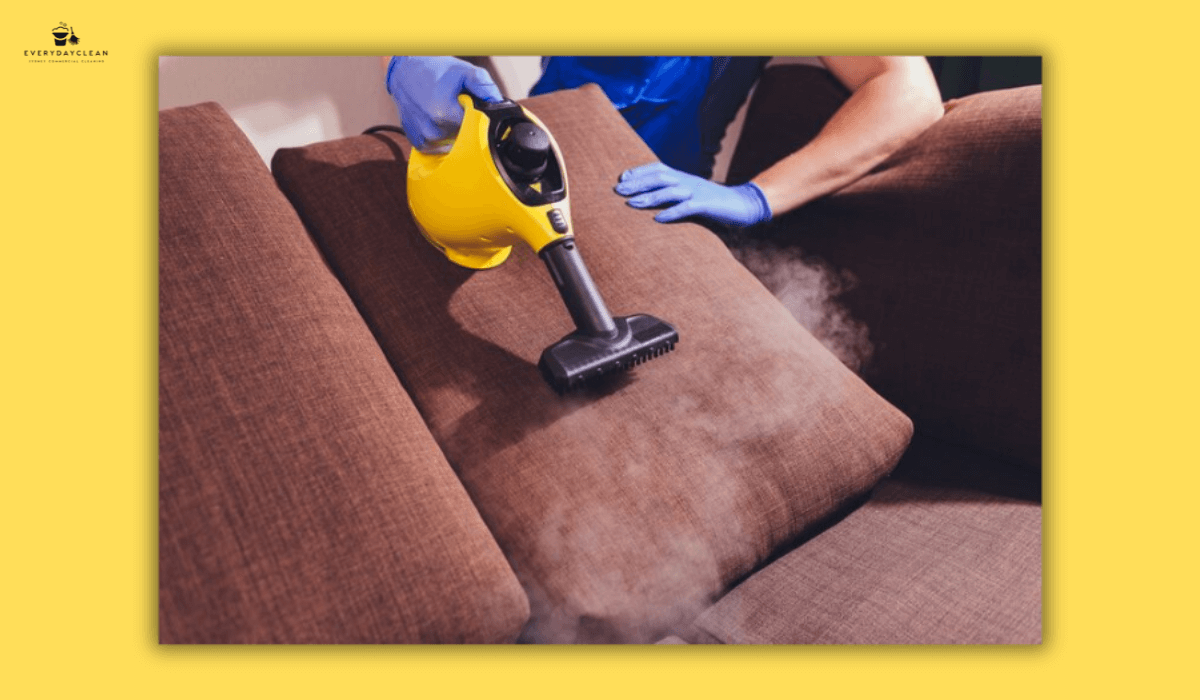
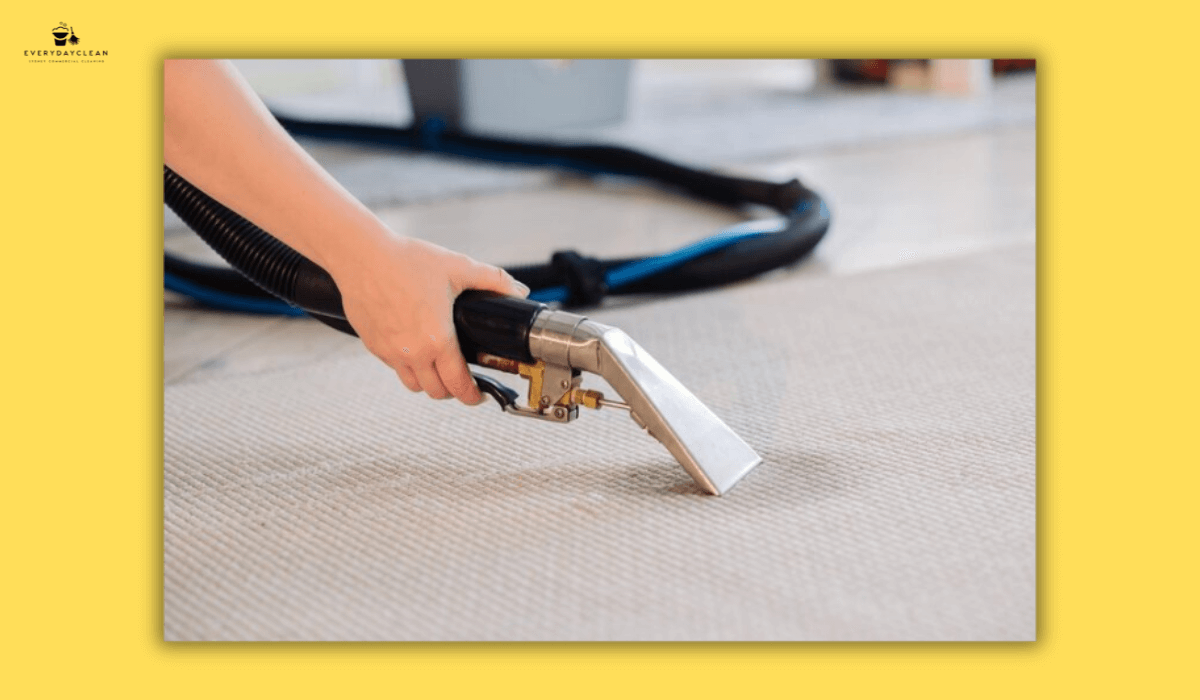
- Best overall: a mid-range portable extractor with a dedicated upholstery attachment. This balances suction power, tank size and drying time for most household fabrics, and is generally the safest starting point if you are buying your first machine.
- Best for pets: a portable extractor with a pet-specific nozzle and stronger suction. These models are built to lift urine, vomit and fur more effectively and often include a quick-dry setting to reduce lingering odour.
- Best budget option: a compact spot cleaner in the roughly $100 to $200 AUD planning range. These suit occasional stains and smaller households rather than frequent heavy-duty use.
- Best heavy-duty option: a commercial-style extractor with a larger tank and stronger suction, generally in the roughly $450 to $800-plus AUD planning range. Better suited to frequent use across multiple pieces of furniture or larger households.
- Best for facilities: a commercial-style extractor with removable, easy-to-clean parts and a wider tank opening, which supports more frequent use across shared or high-traffic furniture. Facilities with specific hygiene or compliance requirements should confirm those requirements with a relevant authority rather than relying on a consumer-grade machine alone.
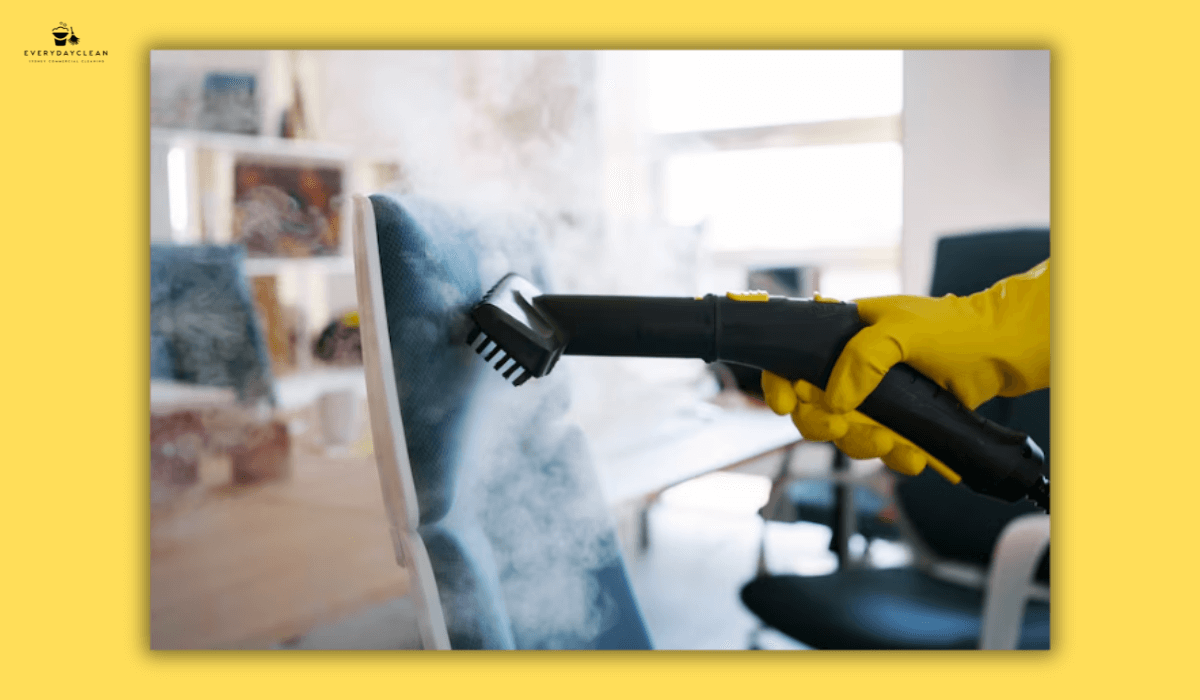
- Best steam option: a handheld or soft steam cleaner, but only for fabrics confirmed suitable on the furniture care label. Steam is not appropriate for leather, suede, silk or velvet, and some steam cleaners may support sanitising on suitable fabrics when used according to manufacturer instructions, though this varies by model.
- Best for cars and stairs: a lightweight, compact portable extractor with a narrow attachment, since manoeuvrability matters more than tank size in these tight spaces.
What to Check Before Buying an Upholstery Cleaning Machine
- Fabric compatibility: confirm the machine's method (extraction or steam) suits your furniture's care label before buying.
- Tank size versus weight: larger tanks mean fewer refills but add weight, which matters if you are carrying the machine between rooms, floors or vehicles.
- Suction strength: stronger suction generally means faster drying and less risk of leaving fabric damp.
- Attachments included: an upholstery nozzle, crevice tool and stair attachment cover most household needs; pet-specific attachments help with urine and fur.
- Ease of cleaning the machine itself: wide tank openings and removable parts make the machine easier to dry out and maintain between uses.
- Noise and portability: if you are cleaning stairs, cars or multiple rooms, a lighter, more manoeuvrable machine is easier to use consistently.
- Warranty and parts availability: check whether replacement hoses, brushes or filters are readily available in Australia before committing to a brand.
Extractor vs Steam Cleaner: Which One Do You Need?
| Factor | Hot water extractor | Steam cleaner |
|---|---|---|
| How it works | Sprays water and cleaning solution, then extracts both with suction | Uses heated steam to loosen dirt, generally with less added moisture |
| Best fabric types | Most cotton, polyester and microfibre upholstery | Fabrics confirmed steam-safe on the care label only |
| Drying time | Can be longer if oversaturated; faster with good suction | Often quicker, since less liquid is applied |
| Stain lift | Generally stronger on ground-in or older stains | Better suited to light refreshing rather than deep stains |
| Fabrics to avoid | Check leather, suede and silk care labels first | Leather, suede, silk and velvet are commonly unsuitable |
| Typical use case | Deeper, less frequent cleans | Lighter, more frequent maintenance cleans |
Upholstery Cleaning Machines Worth Comparing
The models below are commonly found in Australian retail research and are worth comparing against each other rather than treated as a single absolute recommendation. Specifications, stock and pricing change often, so check current pricing and availability directly with the retailer or brand before buying. If you're weighing up a machine against a spot treatment first, our guide to the best products for cleaning upholstery covers spray and foam options for lighter jobs.
- Bissell Little Green: a compact portable extractor frequently mentioned as a strong budget-to-mid-range option for spot cleaning couches, car seats and small rugs.
- Hoover CleanSlate Pet: a pet-focused portable extractor commonly compared for lifting urine, vomit and fur from upholstery and stairs.
- Bissell SpotClean Pro: a stronger portable extractor commonly positioned above entry-level spot cleaners, with a wider brush head and included stair and tough-stain tools.
- Rug Doctor Spot Cleaner: a portable extractor commonly compared for carpet and upholstery spot jobs, often positioned as a mid-range alternative to Bissell's range.
- Bissell HydroSteam: a multi-purpose portable extractor commonly listed for combined carpet, upholstery and car detailing use.
- Numatic George: a larger wet-and-dry machine sometimes compared for combined vacuuming and upholstery extraction in busier households, though it is bulkier than dedicated spot cleaners.
- Soft steam cleaner example (McCulloch or similar): a handheld steam option sometimes compared for light refreshing on fabrics confirmed steam-safe on the care label, rather than for deep stain removal.
Treat these as machines to compare rather than a ranked list. The right pick depends on your fabric type, household size and how often you'll use it, not on which model appears most often in reviews.
| Use case | Example machines to compare | Best for | Planning AUD range | Main limitation |
|---|---|---|---|---|
| General household spot cleaning | Bissell Little Green | Everyday stains, smaller households | Roughly $150 to $260 | Smaller tank means more refills on larger jobs |
| Pet messes and odour | Hoover CleanSlate Pet | Urine, vomit, fur on couches and stairs | Roughly $180 to $300 | Attachments add bulk versus basic spot cleaners |
| Stronger stain lift | Bissell SpotClean Pro | Set-in stains, stairs, larger furniture | Roughly $250 to $400 | Heavier and bulkier than entry-level models |
| Combined carpet and upholstery | Rug Doctor Spot Cleaner | Households needing one machine for both jobs | Roughly $200 to $350 | Reviews vary more by fabric type than dedicated upholstery models |
| Multi-purpose detailing | Bissell HydroSteam | Cars, carpets and upholstery in one machine | Roughly $250 to $450 | More features can mean more parts to maintain |
| Heavy-duty or frequent use | Numatic George | Larger households, frequent combined vacuum and extraction jobs | Roughly $450 to $800-plus | Bulkier and less portable than dedicated spot cleaners |
| Light steam refreshing | Handheld soft steam cleaner | Fabrics confirmed steam-safe on the care label | Roughly $80 to $250 | Not suitable for leather, suede, silk or velvet |
Who Should Not Buy an Upholstery Cleaning Machine?
An upholstery cleaning machine is not the right purchase for everyone. It may not suit you if:
- You only have delicate fabrics such as leather, suede, silk or velvet, which are generally unsuitable for extraction or steam methods and are better handled by a professional.
- You clean upholstery infrequently, in which case a one-off professional clean or a rental machine may be more cost-effective than owning one.
- You are managing a facility with specific hygiene, infection-control or compliance obligations, such as a clinic or childcare centre. Consumer-grade machines are not designed or certified to meet those requirements, and compliance should be confirmed with the relevant authority rather than assumed from a household appliance.
- You have limited storage space and would only use the machine occasionally, since these machines are bulkier than upholstery sprays or brushes.
Common Mistakes to Avoid
- Oversaturating the fabric. Using too much water or solution without adequate suction can leave upholstery damp for days and risks mould-related issues if it doesn't dry properly. Following the manufacturer's recommended settings helps reduce the risk of damp odours or mould-related issues when used correctly.
- Skipping the fabric care label. Using an extractor or steam cleaner on unsuitable fabric can cause shrinking, watermarking or colour bleeding.
- Not testing on a hidden area first. A small test patch avoids visible damage on the main seating area. Vacuuming with a suitable upholstery brush beforehand also helps loosen surface debris before the machine goes over the fabric.
- Ignoring machine maintenance. Leaving tanks and hoses wet after use can cause odour and mould inside the machine itself.
- Assuming steam sanitises everything. Some steam cleaners may support sanitising on suitable fabrics when used according to manufacturer instructions, but this is not guaranteed across all fabric types or machines.
When to Hire a Professional Upholstery Cleaner
A consumer machine is a good fit for regular maintenance and smaller stains, but some jobs are better left to a professional. Consider hiring a professional for delicate or high-value fabrics, deeply set-in or long-standing stains, larger commercial furniture, or any situation where fabric type is uncertain and the risk of damage is high.
If you are unsure whether a DIY machine will handle the job, Everyday Clean's upholstery cleaning service covers Sydney homes and businesses where fabric type, stain age or scale make professional equipment the safer option.
FAQs
What is the best type of machine for cleaning upholstery at home?
For most households, a portable hot water extraction machine with a dedicated upholstery attachment gives the best all-round result, since it balances suction, tank size and drying time across common fabrics like cotton, polyester and microfibre. Before buying, check your furniture's care label, as not every fabric is suitable for water-based extraction, and consider how often you'll realistically use the machine when weighing up size and price.
Are steam cleaners safe for all upholstery fabrics?
No, not universally. Steam may be suitable when the care label allows it, such as on cotton, polyester and microfibre, but leather, suede, silk and velvet can be damaged by the heat and moisture involved. Always check the furniture's care label before using a steam cleaner, test on a hidden area first, and stop if you notice discolouration, watermarking or texture changes during the test.
Do upholstery cleaning machines kill germs or allergens?
Some steam cleaners may support sanitising on suitable fabrics when used according to manufacturer instructions, and general cleaning may help reduce some surface allergens such as dust and pet dander, but no consumer machine can guarantee full sanitising or allergen removal on every fabric type. Facilities with specific hygiene or infection-control requirements should confirm compliance with the relevant authority rather than relying on a household machine alone.
How much does a good upholstery cleaning machine cost in Australia?
Based on current Australian retail examples, compact spot cleaners are commonly listed from around $100 to $260 AUD, pet-focused models from around $180 to $300 AUD, and commercial-style extractors from around $450 to $800-plus AUD, depending on tank size, suction strength and included attachments. These figures are planning ranges rather than fixed prices, so check current retailer listings and any ongoing promotions before you commit to a purchase.
Can an upholstery cleaning machine prevent mould on fabric?
No machine can guarantee mould prevention outright. Thorough drying after cleaning, ideally with good airflow or a fan, helps reduce the risk of damp odours or mould-related issues when the machine is used correctly and the fabric isn't oversaturated. That said, ongoing damp conditions in the room, humid climates, or repeated oversaturation can still lead to problems regardless of how good the machine is.
Should I rent or buy an upholstery cleaning machine?
If you only expect to clean upholstery once or twice a year, renting a machine or booking a professional clean is often more cost-effective than buying one outright, since ownership adds ongoing storage and maintenance considerations. Buying tends to make more sense if you have pets, young kids, or furniture that regularly needs attention throughout the year, where the per-use cost works out lower over time.
Blog