How to Clean Tile Grout in Commercial Bathrooms & Floors
To clean tile grout, sweep or rinse away loose dirt first, apply a suitable grout cleaner or a mild solution of warm water with a small amount of dishwashing liquid, let it sit for a few minutes, then scrub the grout lines with a small brush, rinse well and dry the area. Grout is porous and sits slightly below the tile, so dirt collects in it, which is why the lines look dirty even when the tiles themselves are clean.
This guide covers floor grout, bathroom and shower grout, stained grout, and gentler cleaning methods, along with what to avoid and when cleaning alone will not fix the problem. It is about cleaning existing grout, not applying new grout or re-grouting tiles.
How To Clean Floor Tile Grout
Floor grout takes the most foot traffic and dirt, so it often needs the most scrubbing.
- Sweep or vacuum the floor, then mop to lift loose surface dirt
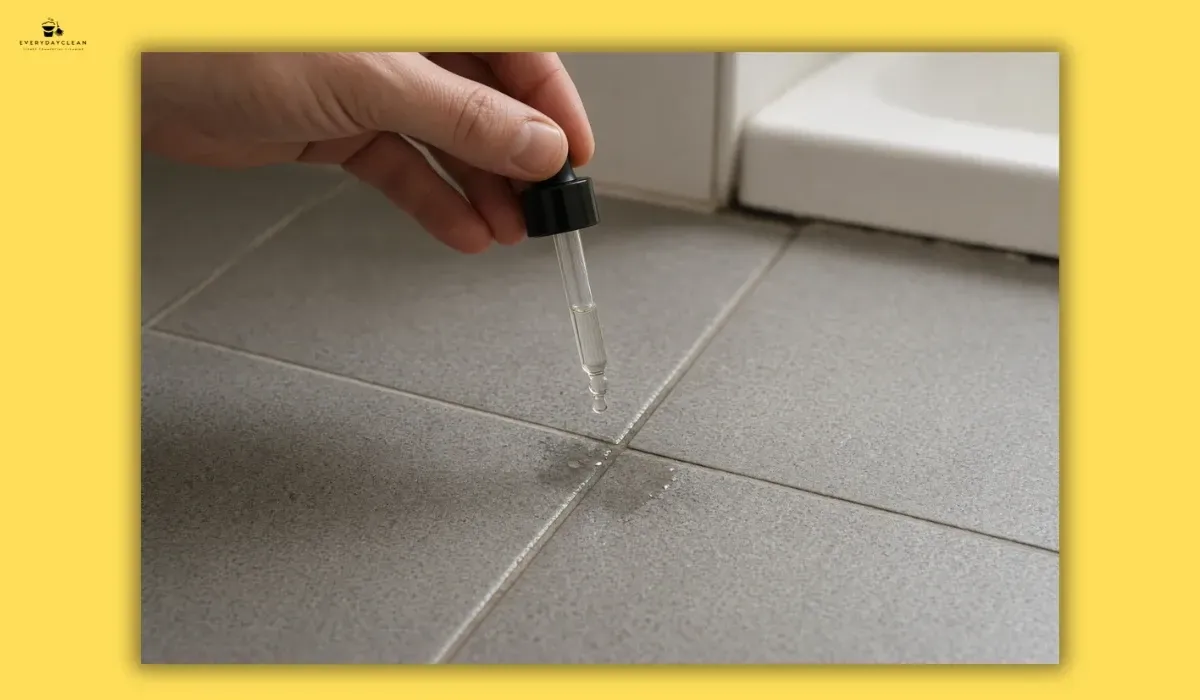
- Apply a grout cleaner or a mild solution along the grout lines
- Let it dwell for a few minutes so it can loosen the grime, without letting it dry out
- Scrub each grout line with a small stiff brush or a dedicated grout brush, working along the line
- Wipe away the loosened dirt with a clean damp cloth or mop
- Rinse thoroughly with clean water so no cleaner residue is left behind
- Dry the floor to prevent new dirt sticking to any damp residue
For large floor areas or grout that stays dirty despite scrubbing, it can be worth spreading the work across sections rather than trying to do everything at once.

How To Clean Bathroom And Shower Grout
Shower and bathroom grout faces constant moisture, soap residue and often mould, so the approach is similar but the moisture side matters more.
Apply a suitable cleaner to the grout lines, let it dwell, and scrub gently with a small brush before rinsing well. In showers, rinsing thoroughly is important so no cleaner or soap residue is left to attract more grime. Where dark spotting is mould rather than dirt, it needs treating as mould rather than scrubbing harder, and the moisture behind it has to be managed or it returns. Running the exhaust fan, keeping the area ventilated and wiping down the shower after use all help, and this guidance on reducing bathroom moisture covers habits that keep shower grout cleaner for longer.
How To Tackle Dirty Or Stained Grout
Heavily soiled or stained grout may need a longer dwell time and a second pass rather than harder scrubbing. Letting the cleaner sit a little longer, then scrubbing again, is gentler on the grout than aggressive pressure.
Some stains, particularly in older or unsealed grout, may not fully lift because the grout has absorbed the discolouration over time. In those cases the grout may be clean but permanently marked, and restoring the original colour can require sealing, a grout colourant or re-grouting rather than more cleaning. Knowing that limit helps avoid over-scrubbing grout that will not get any lighter.
Gentler And Milder Cleaning Methods
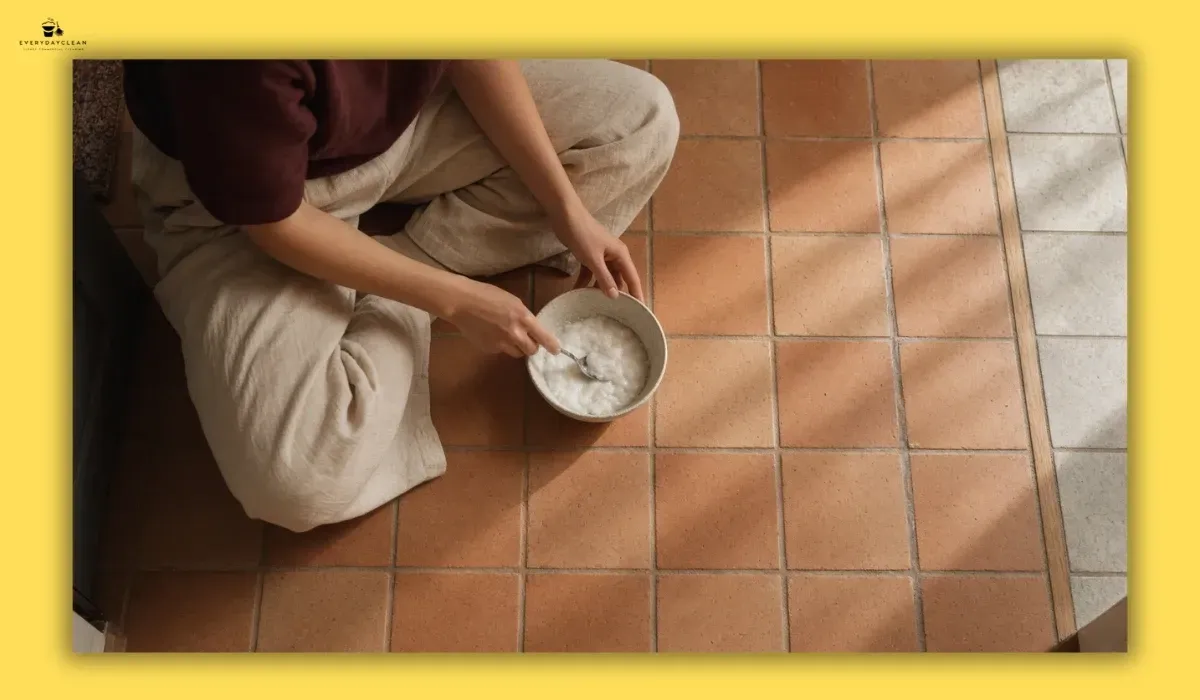
For lighter cleaning, coloured grout or where you prefer a milder approach, gentle solutions often work well. Warm water with a little dishwashing liquid suits routine grout cleaning. A paste of bicarbonate of soda and water can be worked into grout lines and scrubbed gently for a mild lift.
Milder methods are generally safer for coloured grout and sealed surfaces, though they may need a longer dwell or a repeat pass on stubborn grime. Always test any method on a small hidden area first, especially on coloured grout or near natural stone.
What Not To Use On Grout Or Tile
Some products and tools can do more harm than good, so a few things are best avoided.
- Harsh acids: strong acidic cleaners can damage grout and etch natural stone, so avoid them unless a product is confirmed safe for the surface
- Bleach mixing: never mix bleach with other cleaners, particularly ammonia, as this can create dangerous fumes
- Abrasive tools: metal brushes, scourers and very stiff wire brushes can scratch tile and wear away grout
- Over-wetting: leaving grout soaking wet for long periods can worsen moisture problems, especially in showers
- Untested products on stone: natural stone tiles need stone-safe products, since many general cleaners can dull or mark them
When unsure about a surface, particularly natural stone or coloured grout, checking the product label and testing first is the safer path.
Cautions For Coloured Grout, Stone And Damaged Grout
Certain grout and tile types need extra care. Coloured grout can fade or lighten with harsh products, so mild, tested methods are safer. Natural stone tiles such as marble and travertine are sensitive to acids and abrasives and generally need stone-specific products. Cracked or crumbling grout should not be aggressively scrubbed, since it can break away further and expose the area behind the tile to moisture. Where dark patches are mould rather than dirt, treating the mould and its moisture source matters more than scrubbing the surface.
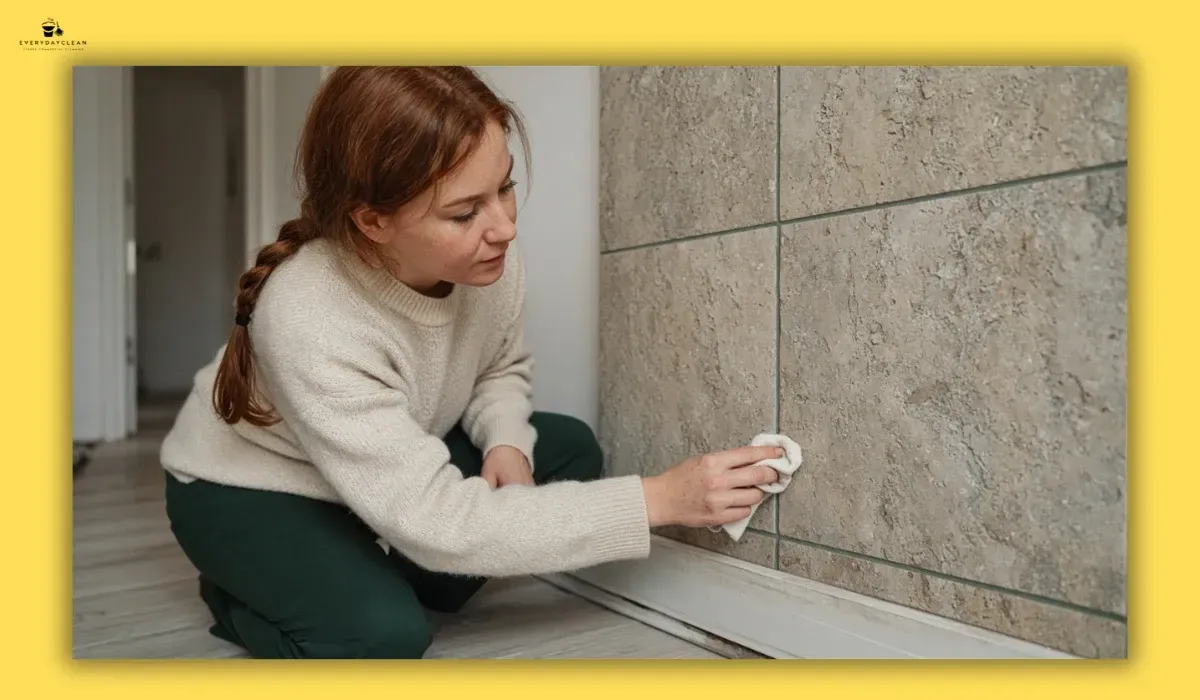
Grout Cleaning Is Different To Sealing Or Re-Grouting
Cleaning grout removes dirt and grime from the surface, but it is not the same as sealing or re-grouting. Sealing applies a protective layer that helps grout resist stains and moisture, and is usually done after cleaning on dry grout. Re-grouting removes and replaces old, cracked or failing grout entirely.
If grout is clean but still marked, sealing or a colourant may help restore appearance, while cracked or missing grout is a re-grouting job rather than a cleaning one. Cleaning is the first step, but it does not repair or protect grout on its own.
Comparing Grout Cleaning Situations
| Situation | Practical Approach |
|---|---|
| Floor tile grout | Sweep, apply cleaner, scrub lines, rinse and dry |
| Shower and bathroom grout | Clean plus manage moisture and ventilation |
| Stained or old grout | Longer dwell, repeat pass, accept some staining may be permanent |
| Cracked grout or mould | Stop scrubbing, address damage or moisture first |
When Cleaning Is Not Enough
Cleaning suits everyday dirt and light staining, but some situations call for more than a scrub. Deeply stained grout that will not lift, widespread mould, cracked or missing grout, and large tiled areas that stay dirty despite effort may need professional deep cleaning, sealing or re-grouting.
For larger commercial or shared tiled areas, rather than small home DIY jobs, broader professional cleaning support can help with deep cleaning tiled floors and amenities as part of a wider routine. Where the grout itself is damaged or permanently stained, a sealing or re-grouting specialist is the right call rather than repeated cleaning.
Keep Grout Clean With Rinsing, Drying And Prevention
The core of grout cleaning is simple: clear loose dirt, apply a suitable cleaner, let it dwell, scrub the lines gently, then rinse well and dry. Rinsing away residue and drying the area are easy to skip but make a real difference, since leftover cleaner and moisture both attract new grime.
Prevention keeps grout cleaner between deep cleans: wipe down showers after use, keep bathrooms ventilated, deal with spills on floors promptly, and consider sealing grout once it is clean and dry in high-use areas. Regular light cleaning is far easier than tackling built-up grime later.
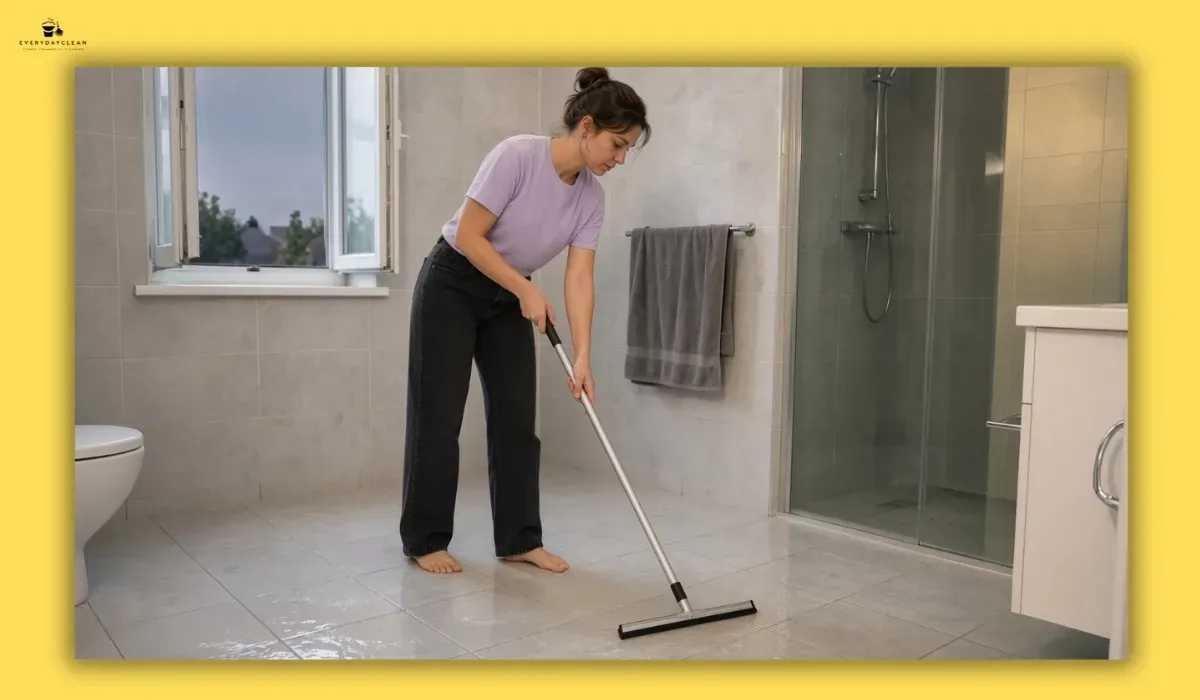
Frequently Asked Questions About Cleaning Tile Grout
What Is The Best Way To Clean Tile Grout?
Clear loose dirt first, apply a suitable grout cleaner or mild solution, let it dwell for a few minutes, then scrub the grout lines with a small brush. Rinse thoroughly to remove residue and dry the area. For stubborn grout, a longer dwell and a repeat pass is gentler than harder scrubbing.
How Do You Clean Grout In A Shower?
Use the same method, applying a cleaner to the grout lines, letting it dwell, scrubbing gently and rinsing well. In showers, managing moisture matters most, so ventilate the area and wipe it down after use. If dark marks are mould, treat the mould and its moisture source rather than scrubbing harder.
Can All Grout Stains Be Removed By Cleaning?
No. Older or unsealed grout can absorb discolouration that cleaning will not fully lift, so the grout may be clean but permanently marked. In those cases sealing, a grout colourant or re-grouting can restore appearance, which is different from cleaning.
Is It Safe To Use Bleach Or Acid On Grout?
Caution is needed. Strong acids can damage grout and etch natural stone, and bleach should never be mixed with other cleaners due to dangerous fumes. Milder, tested methods are safer for coloured grout and stone, and any product should be checked against the surface first.
Can You Clean Tile Grout Naturally?
Often, for light grime. A mild solution of warm water and dishwashing liquid, or a paste of bicarbonate of soda and water worked gently into the lines, may help with everyday dirt. Test any method on a small hidden area first, and avoid acidic mixtures on natural stone, which they can etch or dull.
Blog