Commercial Office Cleaning Rates: 2026 Price Estimates
Commercial office cleaning cost in Australia typically falls between around AUD $45–$65 per hour or AUD $2–$6 per square metre as a planning guide, depending on the level of service, office size and frequency required. These figures give managers a realistic starting point before requesting quotes, since cleaning consistency supports workplace presentation and day-to-day hygiene.
Office conditions vary widely across industries, so a clear pricing framework helps managers choose a service level that suits their operational needs without overspending. Treat the figures throughout as cautious planning ranges rather than guaranteed quotes.
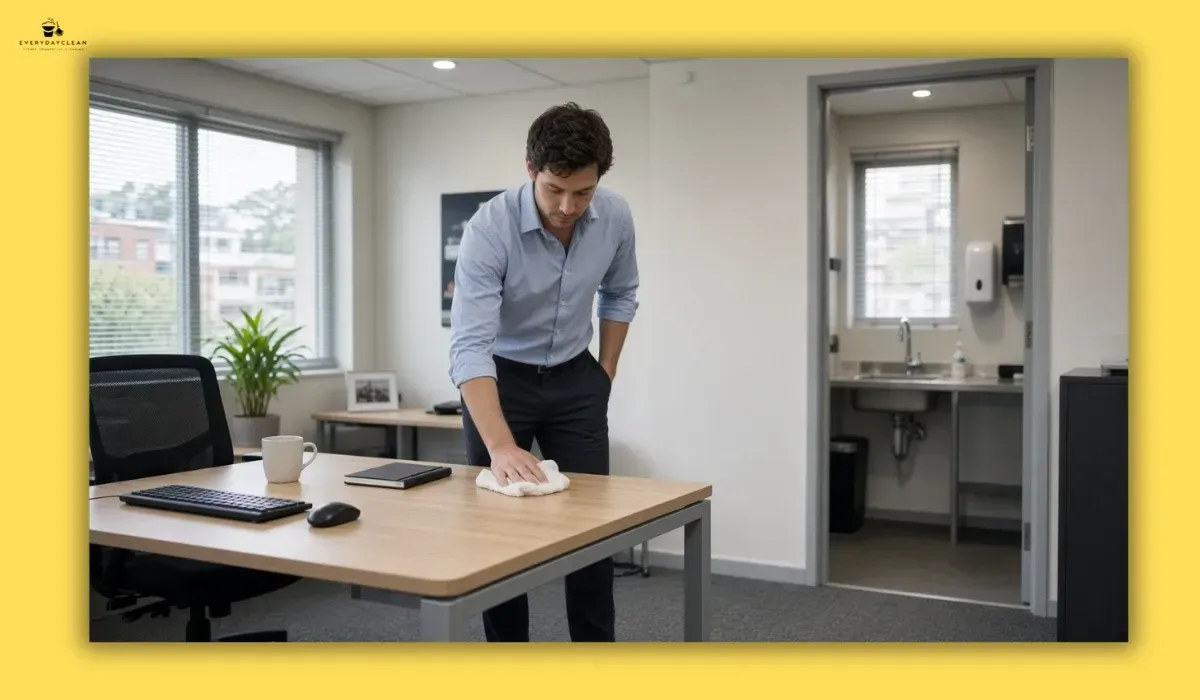
Before comparing cost structures, it helps to recognise how commercial cleaning differs from domestic cleaning. Offices accumulate high-touch contact from shared desks, technology surfaces, restrooms and kitchens, making consistency more important than occasional deep cleans. Professional companies price services based on labour efficiency, building layout, equipment requirements and cleaning standards. The sections below explain each pricing model in turn.
Commercial Office Cleaning Cost in Australia
Commercial office cleaning cost is generally calculated using three pricing structures: hourly, per square metre and fixed monthly packages. These national planning ranges cover the typical Australian market. Local access conditions can shift the figures, and Sydney-specific cost factors such as CBD access, parking, lifts and after-hours entry are covered separately in the office cleaning cost in Sydney guide.
Hourly Pricing
Hourly pricing is most common for compact offices or flexible workloads that change from week to week. It suits businesses with simple layouts, low traffic or irregular service needs.
Typical hourly pricing ranges in 2026:
- Standard office cleaning: around AUD $45–$65 per hour
- Enhanced hygiene services: around AUD $60–$80 per hour
- Deep cleaning or detailed sanitation: around AUD $70–$100 per hour
Hourly billing offers transparency but works best with a clear task list to avoid longer-than-expected service times.
Per Square Metre Pricing
Per-square-metre pricing is used for larger, more structured workplaces. This model provides more predictable monthly budgeting because the cost scales with floor area.
Average planning ranges:
- Light-use offices: around AUD $2–$3 per square metre
- Medium-use workplaces: around AUD $3–$4.50 per square metre
- High-density or premium offices: around AUD $4.50–$6 per square metre
This pricing method works well for corporate offices, government buildings, coworking floors and multi-level facilities.
Monthly Contract Pricing
Monthly contracts consolidate labour, consumables and cleaning frequency into a fixed recurring charge. This structure suits workplaces that require consistent cleaning rather than ad hoc visits.
Typical planning ranges:
- Small offices: around AUD $500–$1,500 per month
- Medium offices: around AUD $1,500–$4,000 per month
- Large offices: around AUD $4,000–$12,000 or more per month
Monthly agreements streamline budgeting and often include regular scheduled maintenance and periodic quality checks.
How Building Type Changes Commercial Cleaning Cost
Building type shifts the cost as much as floor area does, because access, floors, bathrooms, lifts, waste handling, risk level, after-hours requirements and frequency all change with the setting. Office cleaning remains the core reference point, but the same square metre can be priced quite differently across building types.
- Standard offices sit at the reference ranges above, with straightforward daytime access and predictable scope
- Multi-level commercial buildings add lift waits, staged cleaning across floors and sometimes on-site staff, which lifts labour time and coordination
- Strata or common-area buildings are quoted around shared spaces such as lobbies, corridors, car parks and bin rooms, where access and frequency are set by the building's management rather than a single tenant
- Warehouses or industrial sites cover large hard floors, higher dust loads and machine scrubbing, so pricing often leans on per-square-metre or fixed-scope models rather than hourly
- Gyms or high-traffic facilities need more frequent sanitising of shared equipment and change rooms, which raises visit frequency and consumable use
- Medical or hygiene-sensitive workplaces involve stricter cleaning protocols, more detailed restroom and surface work and compliant products, all of which add time and cost
Because these factors stack, a like-for-like square metre in a warehouse, a medical suite and an open-plan office can each carry a different rate. Detailed Sydney access factors such as CBD surcharges, parking and after-hours entry are covered in the Sydney office cost guide.
Key Factors That Influence Commercial Office Cleaning Cost
Commercial office cleaning cost varies because each workplace has unique operational patterns. This section focuses on practical factors that directly affect labour time and product usage.
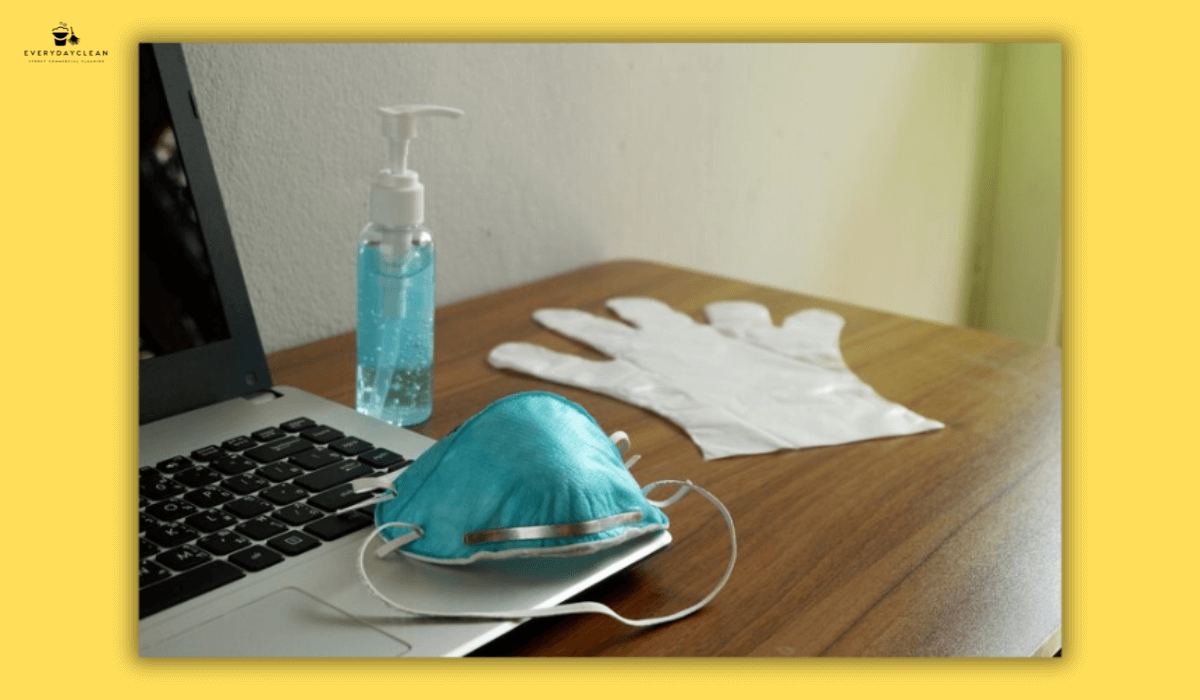
Office density is one of the strongest predictors of cleaning workload. Spaces with many desks, shared workstations or collaboration rooms accumulate fingerprints, dust and spills more quickly than low-use executive suites. Restroom volume also plays a major role, as bathrooms require sanitising, consumable replenishment and more detailed work than general areas. Flooring type affects both labour time and machinery requirements.
Carpets need vacuuming and periodic extraction, while hard floors require mopping, buffing or machine scrubbing.
Location matters too. Offices in CBD zones may involve additional labour time due to lift waits, restricted parking or after-hours entry. High-traffic ground-floor offices collect more dirt from footfall, which can call for more frequent cleaning. Industry type also influences cost, as some workplaces have elevated hygiene requirements. These operational realities shape how long each visit takes and the cleaning approach required.
What Standard Commercial Office Cleaning Includes
Standard commercial cleaning focuses on workplace hygiene, organisation and presentation. Businesses looking for a scoped service can review professional office cleaning service in Sydney to understand the range of offerings and tailor a package to their office needs.
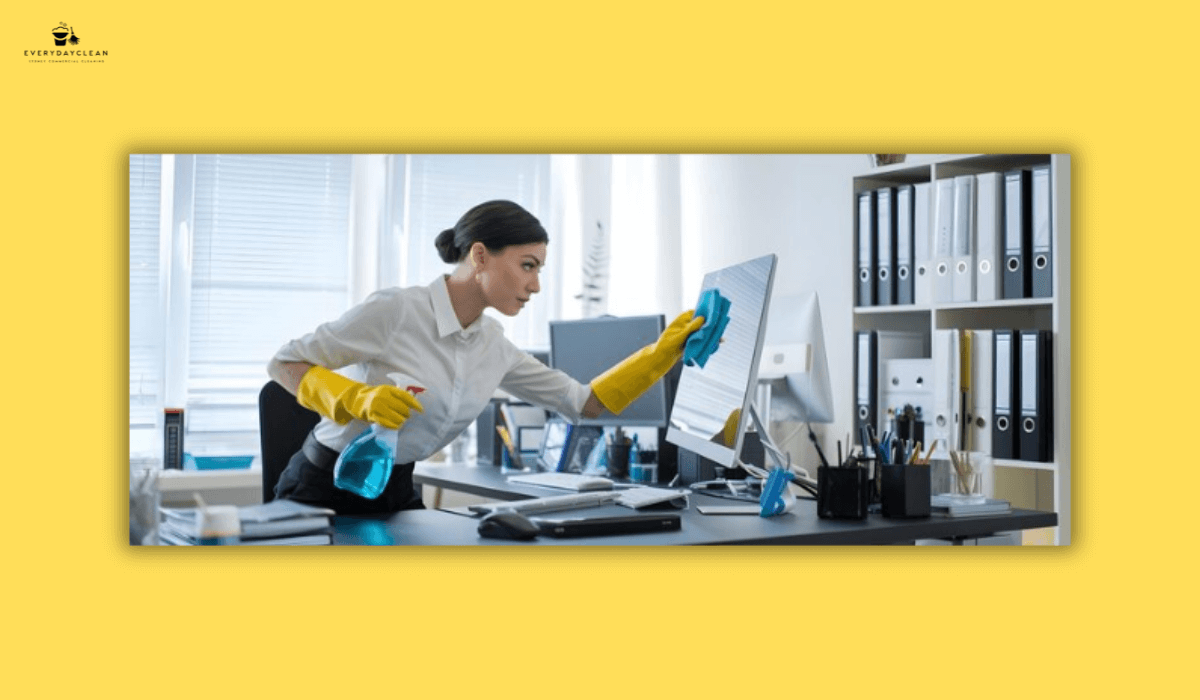
A standard commercial cleaning visit generally includes vacuuming or sweeping all floors, mopping hard surfaces, emptying bins, wiping high-touch points, cleaning desks, cleaning kitchenettes and maintaining restrooms. Bathrooms typically receive additional attention, including toilet cleaning, sink cleaning and consumable replacement. Reception areas and meeting rooms are cleaned to maintain a welcoming presentation. Dusting vents, skirting boards and ledges is also included in many standard packages.
Standard cleaning focuses on maintaining daily hygiene, not deep restoration. For this reason, some areas such as carpets, tiles, upholstery and high ceilings usually require specialised add-on services.
Additional Services That Increase Commercial Cleaning Cost
Additional services extend cleaning beyond routine maintenance and often require specialised equipment or trained technicians. These services increase cost because they provide deeper cleaning, restore surfaces or target neglected areas.
Carpet steam cleaning lifts embedded dirt and can help reduce odours, while upholstery cleaning refreshes office chairs and lounges. Tile and grout cleaning restores bathroom and kitchen surfaces, and machine scrubbing refreshes vinyl or hard floors. Internal and external window cleaning improves natural light and presentation. High dusting removes build-up from vents, beams and high ledges that accumulate over months.
Disinfection or sanitisation programs are also common add-ons for workplaces with stricter hygiene requirements or after illness in the office. These services raise the overall cost and can support a higher standard of workplace hygiene when done correctly.
Commercial Office Cleaning Cost for Large Corporate Spaces
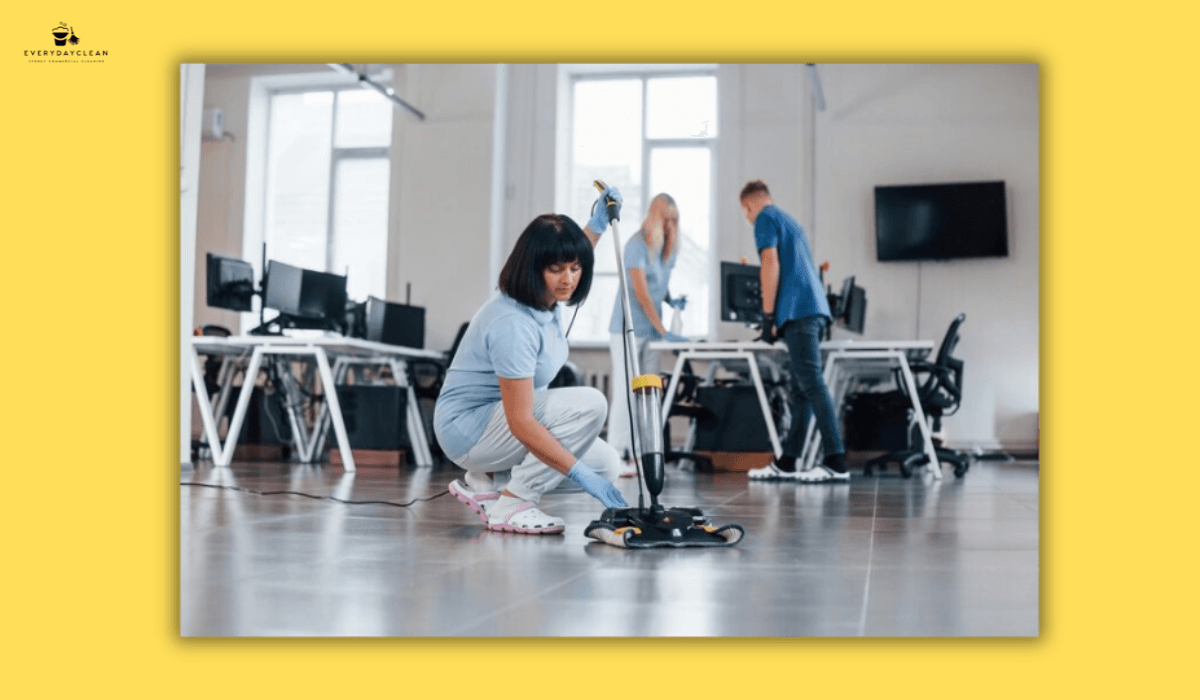
Large corporate buildings require a multi-layered cleaning approach. These facilities often include boardrooms, staff kitchens, breakout zones, multiple restrooms and shared technology areas. Cleaning teams require more coordination, larger equipment and efficient zone mapping to manage labour across the full floor plate.
Costs for large facilities usually sit within the upper monthly ranges, commonly around AUD $2,000–$12,000 or more per month depending on frequency, building size and presentation expectations. Corporate environments also tend to require more quality checks and reporting, which adds administrative time. Multi-floor spaces may need dedicated cleaning staff on-site to maintain consistent presentation throughout the day.
How to Reduce Commercial Office Cleaning Costs
Businesses can manage commercial office cleaning costs effectively by adjusting service levels without lowering hygiene where it matters. The most efficient strategy is to separate high-use zones from low-use zones. Kitchens, bathrooms and shared areas benefit from daily attention, while meeting rooms or executive offices may only need weekly cleaning. This approach lowers labour time while keeping cleanliness focused where it counts.
Reducing clutter on desks, improving floor layouts and investing in quality entry mats reduces debris carried into the building, which can lower long-term cleaning time. Consolidating cleaning needs under a single provider also helps reduce administrative overhead and avoid duplicated labour. Scheduling periodic deep cleans instead of frequent light deep cleans can maintain standards at a lower annual cost.
FAQs About Commercial Office Cleaning Cost
Businesses often seek clarity on contract terms, long-term value and how pricing changes as the office grows. The FAQs below cover the most common questions.
How much does commercial office cleaning cost per hour in Australia?
Hourly pricing for commercial office cleaning in Australia generally ranges from around AUD $45–$65 per hour for standard tasks as a planning guide. This includes vacuuming, mopping, bin servicing, desk wiping and restroom cleaning. Prices increase when specialised skills are required, such as detailed sanitising, operating deep-cleaning machinery or handling sensitive workplace areas. Offices that require after-hours cleaning may also see higher pricing due to staffing availability and building access.
The rate can vary with the level of detail expected, so a transparent task list helps produce accurate estimates before scheduling.
What impacts commercial office cleaning costs the most?
The most significant cost drivers are office size, cleaning frequency and foot traffic. Larger offices require more labour time, while busy workplaces accumulate more dirt, making tasks more intensive. Additional factors include the number of restrooms, office layout, flooring materials and whether specialised hygiene processes are required. Building type also matters, since a warehouse, medical suite or multi-level building can price differently to a standard office.
To manage cost effectively, businesses should match cleaning schedules to actual workplace usage and ensure providers understand daily operational patterns.
Is per-square-metre pricing more cost-effective than hourly pricing?
Per-square-metre pricing is often more cost-efficient for medium and large offices because it aligns the cleaning cost with the actual workspace area. This model helps cleaning companies allocate the right number of staff and estimate labour time. Smaller offices may benefit from hourly pricing because tasks can be completed quickly, making per-square-metre rates less economical. The best model depends on office size, design complexity and how consistent the cleaning needs are.
When in doubt, businesses can request both options and compare projected monthly totals.
Are hidden fees common in commercial cleaning contracts?
Hidden fees can occur when contracts do not clearly outline consumables, access costs or specialised services. Items such as bin liners, toilet paper, hand soap and sanitiser refills may be charged separately if not included in the agreement. Other costs can arise when tasks such as internal window cleaning, high dusting or detailed restroom work are added after the service begins.
To avoid surprises, businesses should request an itemised price list, a detailed scope of work and clear definitions of included and excluded services. Transparent contracts keep monthly cleaning costs predictable.
How often should an office be cleaned to maintain hygiene and manage cost?
The ideal cleaning frequency depends on how heavily the office is used. Small offices with fewer than ten employees may only require cleaning two or three times a week. Larger workplaces with constant movement typically require daily cleaning to maintain hygiene and presentation. Bathrooms, kitchens and shared areas benefit from daily cleaning, while private offices and meeting rooms can be cleaned less often.
A mixed-schedule approach often provides the best balance between cleanliness and cost control, and periodic deep cleaning supports standards without increasing the daily workload.
Final Thoughts
Commercial office cleaning cost varies depending on office size, building type, hygiene standards, foot traffic and optional services. By understanding how pricing models work and what influences cleaning time, businesses can select a plan that keeps the workplace clean and professional while staying within budget. Structured scopes of work, clear expectations and efficient scheduling all help companies get value and maintain consistent presentation through the year.
For location-specific considerations, the Sydney cost guide covers access and quote factors particular to that market.
Blog