12-Step Office Spring Cleaning Checklist for Workplaces
An office spring cleaning checklist includes decluttering and organizing personal workstations, kitchens, and shared areas; deep cleaning and disinfecting high-touch points such as desks, phones, and door handles; and completing general cleaning tasks like vacuuming carpets, washing floors, and cleaning windows and light fixtures. A thorough spring clean also extends to digital spaces, ensuring computer files and email systems are organized for better efficiency. These steps create a structured approach to refreshing the office environment and improving hygiene across every area of the workplace.
12-Step Office Spring Cleaning Checklist
Follow these 12 essential steps to refresh your office, improve hygiene, and create a healthier workspace. For additional tips on keeping your office spotless year-round, see our guide on 7 tips for cleaning your workplace.
1. Declutter and organize the workspace before cleaning
Preparing the office is the foundation of an effective spring clean. Decluttering clears surfaces, removes physical barriers, and exposes dust-heavy zones that daily cleaning often misses. This step includes sorting old documents, removing unused stationery, organizing meeting rooms, clearing hallways, and discarding obsolete equipment. Creating an open, organized layout helps cleaners reach vents, corners, and high-touch areas without interruption. A tidy office also reveals stains, marks, or maintenance issues that are normally hidden beneath clutter, leading to a more precise and results-focused deep clean.
2. Remove dust from surfaces, vents, fixtures, and high points
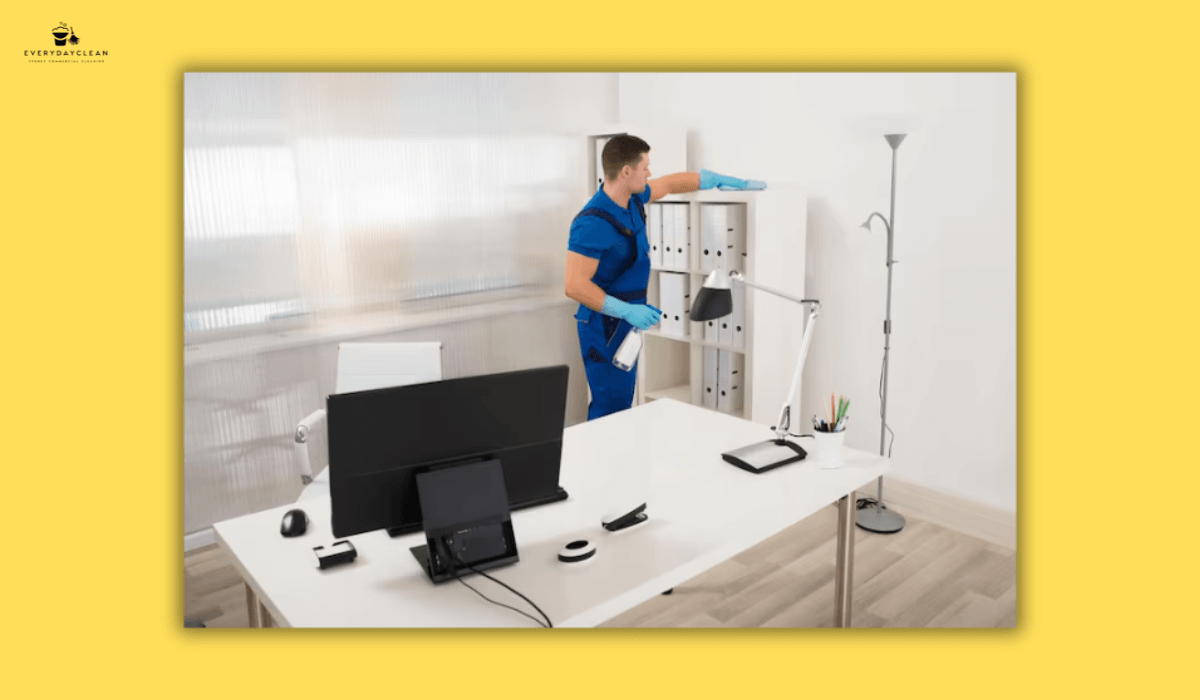
Dust settles in layers across elevated surfaces, ceiling corners, vents, blinds, window frames, shelving, and partitions. Because dust affects air quality and circulates through HVAC systems, this step must occur before any wet cleaning begins. Starting from high areas and working downward ensures that loosened particles fall to the floor for later removal. Office environments accumulate dust faster than homes due to foot traffic, computer usage, and airflow patterns. Removing these particles early in the process prevents recontamination and supports cleaner, fresher air throughout the workspace.
3. Clean and sanitize desks and high-touch zones
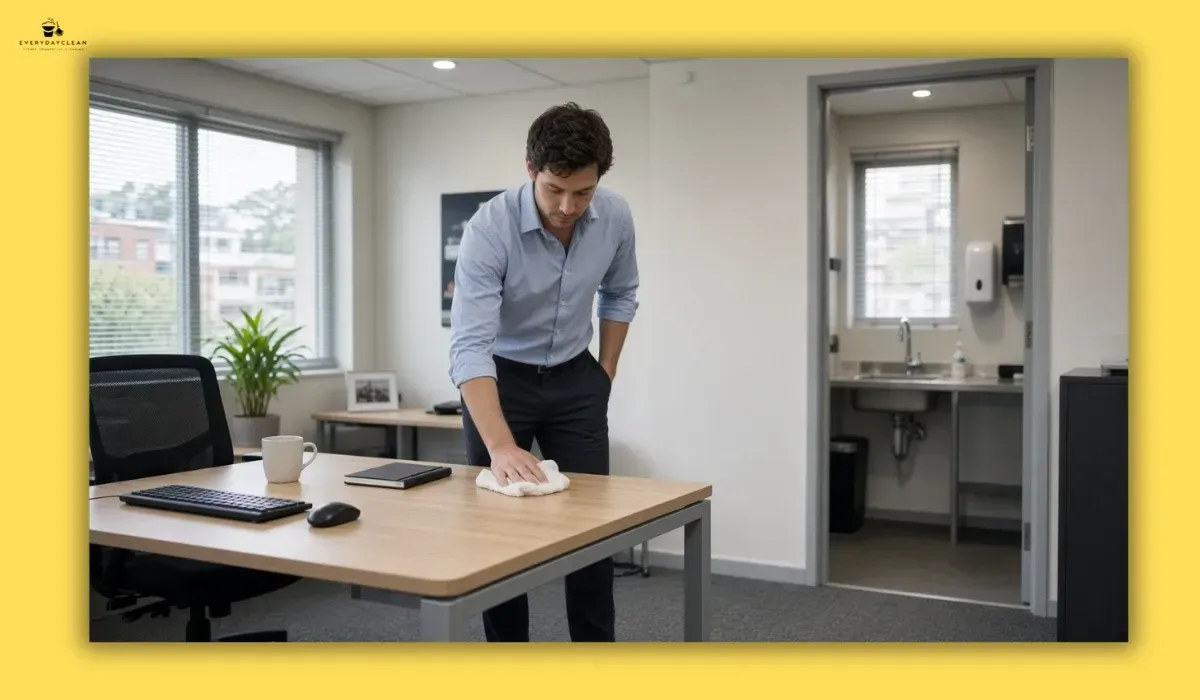
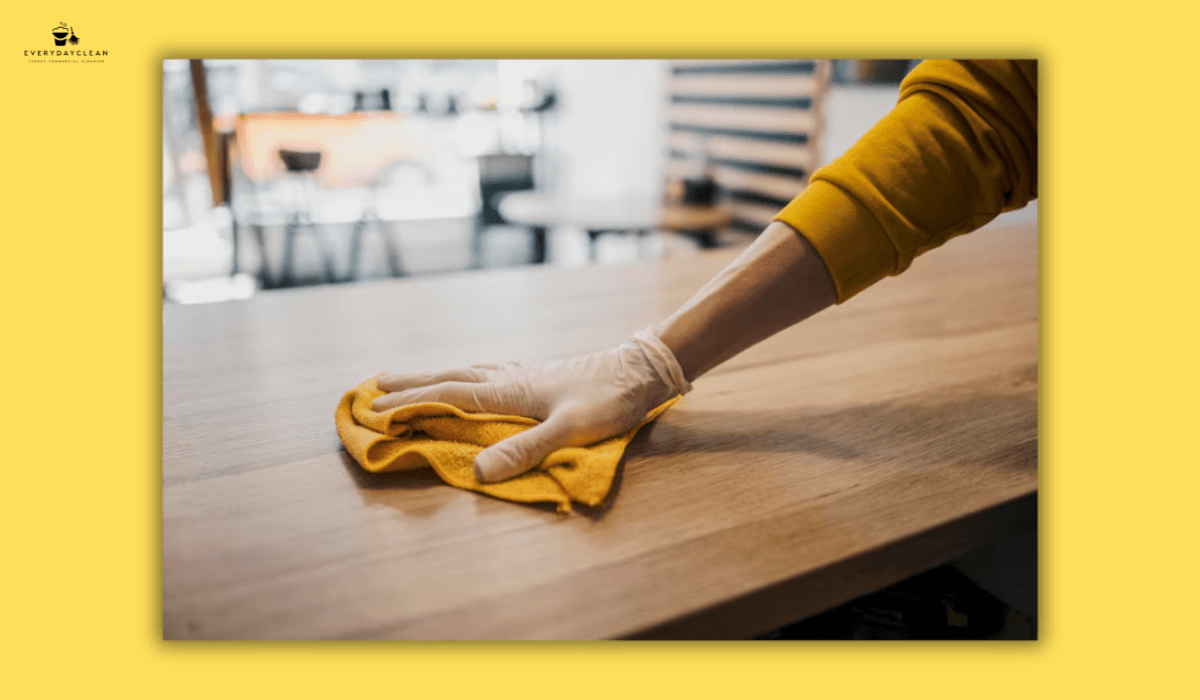
Desks, switches, phones, keyboards, drawer handles, conference room controls, and shared electronics experience constant interaction and accumulate bacteria quickly. Spring cleaning requires a two-phase process: cleaning to remove visible grime, followed by sanitizing to eliminate microbial residue. High-touch surfaces contribute significantly to germ transfer, especially in open-plan or hybrid workplaces where employees rotate workstations. A detailed sanitizing routine prevents cross-contamination and supports a more hygienic daily environment long after the spring clean is complete.
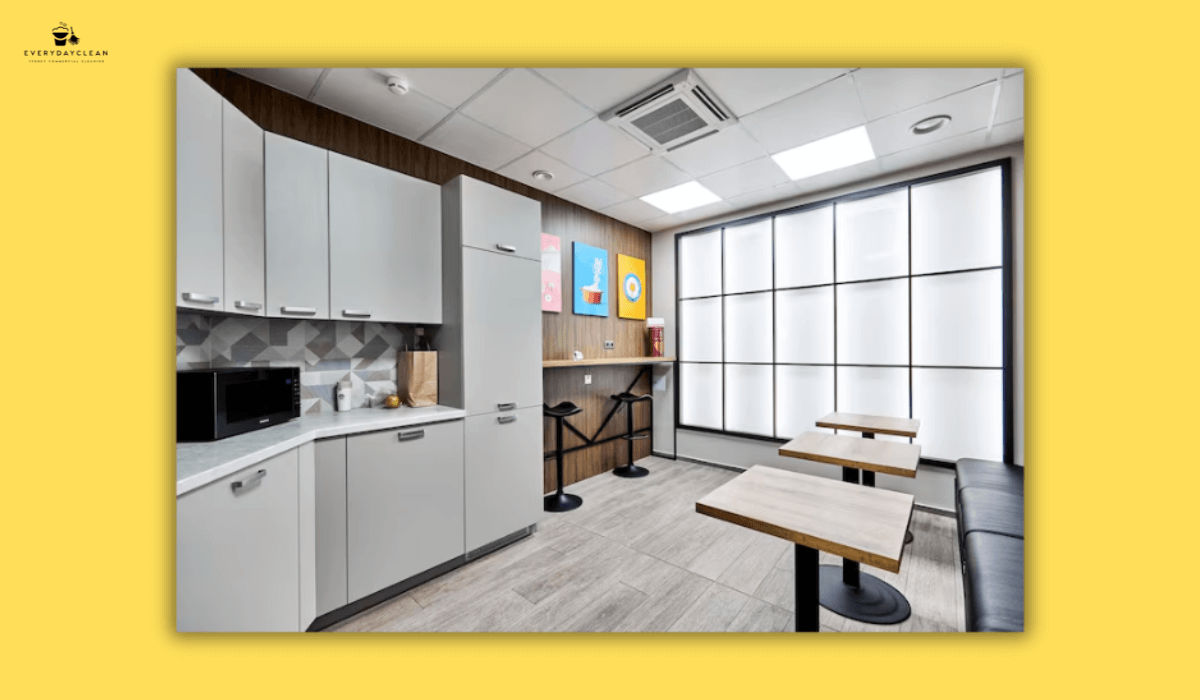
4. Deep clean the office kitchen and breakroom
Kitchen and breakroom areas require intensive attention because food residue, spills, and moisture create bacterial hotspots. A spring clean must include interior and exterior appliance cleaning, cabinet wiping, splashback scrubbing, fridge drawer cleaning, microwave ceiling wiping, sink descaling, and coffee machine maintenance. Breakrooms influence overall workplace hygiene; neglected surfaces can harbour bacteria and attract pests. A thorough kitchen deep clean restores freshness, removes odours, and ensures shared eating spaces remain safe for team use.
5. Sanitize restrooms with a higher level of detail
Restrooms accumulate moisture, mineral deposits, and bacteria that routine maintenance cannot fully address. Spring cleaning involves scrubbing tiles, disinfecting toilet bases, polishing chrome fixtures, removing grime from cubicle frames, cleaning grout lines, washing partitions, and deep-cleaning flooring. Restrooms reflect the hygiene standards of the entire office, making this step essential to employee comfort. Thorough restroom cleaning also highlights issues like slow drains, leaking taps, or deteriorating grout that may require maintenance.
6. Vacuum and mop all floors, including hidden corners
Office floors collect dirt, lint, food crumbs, allergens, and dust from shoes and air circulation. Spring cleaning requires vacuuming under desks, behind furniture, and along baseboards where debris accumulates. Hard floors need deep mopping to remove embedded soil and restore surface cleanliness. Preparing floors at this stage ensures carpets and hard surfaces are ready for more intensive treatments later in the checklist, such as steam cleaning or polishing.
7. Deep clean carpets and upholstered furniture
Carpets trap airborne particles, dust mites, and allergens, while upholstery absorbs stains, oils, and odours. Seasonal deep cleaning removes embedded dirt through steam extraction or shampooing, restoring fibres and improving indoor air quality. Meeting rooms, lobbies, and collaborative areas typically require this step due to higher foot traffic. A proper carpet and upholstery deep clean extends material lifespan and supports a healthier workspace.
8. Clean windows, glass partitions, and frames
Glass surfaces reveal smudges, fingerprints, dust streaks, and atmospheric residue that affect natural light and workplace presentation. Spring cleaning must include wiping glass partitions, polishing window interiors, cleaning accessible exterior surfaces, and scrubbing frames and sills. Clean glass enhances visibility, brightens rooms, and presents a polished, professional appearance to visitors. Consistent window maintenance prevents staining and buildup that become harder to remove over time.
9. Clean vents, HVAC components, and replace filters
Vents and air-conditioning units circulate dust, pollen, and particles that reduce air quality if filters are not maintained. Spring cleaning should include wiping vent covers, removing dust buildup from duct edges where accessible, and replacing filters according to manufacturer guidelines. Clean ventilation systems support healthier indoor environments by reducing allergens and maintaining consistent airflow. This step is especially important in offices with high AC usage or buildings located in dusty urban zones.
10. Sanitize shared office equipment safely
Shared equipment such as printers, photocopiers, access-control pads, shared keyboards, telephones, and touchscreen kiosks accumulates substantial bacterial load. Before listing the equipment, it’s important to highlight that these devices require careful cleaning to avoid moisture damage while still achieving sanitization. Using the correct methods preserves equipment longevity while maintaining hygiene standards. This step strengthens workplace cleanliness and reduces germ transfer in team-based environments.
11. Wash, disinfect, and deodorize office bins
Bins retain residue even with daily disposal. Spring cleaning includes washing bin interiors, disinfecting lids, drying bins thoroughly, and cleaning the floor area beneath them. Waste zones often contain unseen spills or dust accumulation that contribute to odours and attract pests. Sanitizing these areas restores freshness and improves the overall cleanliness of communal spaces.
12. Inspect the workplace for repairs and follow-up maintenance
A final inspection ensures no issues are overlooked once surfaces, floors, and equipment have been cleaned. Clean spaces reveal loose fittings, stained walls, chipped paint, damaged tiles, flickering lights, worn carpeting, or faulty fixtures. Noting these issues after a full spring clean allows facility managers to schedule repairs efficiently. This final stage closes the checklist with a clear overview of the office’s maintenance needs.
FAQs About Office Spring Cleaning
Here are answers to the most common questions to help you plan and execute an effective office spring clean.
How long does a spring clean take for a medium-sized office?
A medium-sized office typically requires one to two full working days for a complete spring clean, depending on layout complexity, the condition of high-traffic areas, and the depth of cleaning required. Offices with extensive clutter or multiple shared spaces may need additional time, especially when carpets, upholstery, and breakrooms require deep cleaning. Professional cleaners often complete the work more efficiently due to commercial-grade equipment and structured cleaning sequences that minimise backtracking. Pre-clean decluttering substantially reduces overall cleaning time by improving visibility and access to surfaces.
Is it better to handle spring cleaning in-house or hire professionals?
In-house cleaning teams can handle lighter tasks such as basic wiping or simple organisation, but spring cleaning often requires specialised knowledge and commercial tools. Professionals use high-filtration vacuums, steam extraction systems, hospital-grade disinfectants, and safe methods for cleaning delicate electronics. They also follow consistent sequencing to prevent cross-contamination and ensure no areas are missed. While DIY cleaning may seem more cost-effective, it typically provides less depth and consistency. For offices aiming for a healthier environment and long-term maintenance, professional office cleaning sydney usually produce stronger and more reliable results.
What office areas are most commonly missed during spring cleaning?
Several areas are regularly overlooked because they fall outside the main visual field or require moving furniture. These include HVAC vents, filter housings, ceiling corners, the tops of shelving units, behind large printers, and under storage cabinets. Kitchen appliances also contain hidden residue—microwave ceilings, fridge compartments, and coffee machine trays often escape routine cleaning. High-touch electronics, window tracks, and blinds also accumulate hidden grime. A structured checklist prevents these oversights by ensuring all categories of surfaces are addressed systematically.
How should high-touch surfaces be cleaned during a spring clean?
High-touch surfaces require a two-phase cleaning approach: first, removing visible grime using a surface-safe cleaner, then applying a disinfectant approved for workplace use. This method reduces microbial buildup and supports hygiene across shared spaces such as meeting rooms, reception areas, and open-plan desks. Keyboards, touchscreens, telephones, light switches, and door handles should be cleaned with lint-free cloths to avoid damage. High-touch sanitation significantly reduces germ transfer and keeps the office cleaner for longer after the spring clean is completed.
What cleaning products are safest for offices during spring cleaning?
Office environments benefit from non-toxic, low-odour, and residue-free cleaning products that are safe for surfaces and indoor air quality. Eco-friendly cleaners reduce chemical exposure and prevent irritation for employees with sensitivities. Disinfectants should meet commercial hygiene standards without damaging electronics, laminates, or upholstery. Microfibre cloths improve cleaning precision by trapping dust and particles effectively. Using appropriate products ensures surfaces are cleaned thoroughly without compromising material safety or creating strong odours that disrupt the workday.
Maintaining a Cleaner Workspace All Year Round
A structured office spring cleaning checklist helps workplaces achieve deeper hygiene, improved air quality, and a more welcoming environment. These 12 steps create a reliable system that targets the areas most essential to workplace health and cleanliness. With consistent upkeep and periodic seasonal deep cleaning, offices can maintain a healthier, fresher, and more productive space throughout the year.
Author: Everyday Clean Content Team
About the Author: At
Everyday Clean, we believe a clean space should feel good, not complicated. With over 20 years of experience, our team has learned what truly matters to customers: reliability, honesty, and results you can see. We share practical cleaning tips and real-world advice to help you care for your home or workplace with confidence. Every guide we write comes from everyday experience, what works, what doesn’t, and how to make cleaning simpler for everyone.
Blog