How to Clean a Yoga Mat: 10 Best Cleaning Methods
To clean a yoga mat, lay it flat, spray the surface with warm water mixed with mild soap, wipe it with a soft cloth, rinse using a damp cloth, and let it air-dry completely before storing. This simple routine prevents odour, bacterial buildup, and grip deterioration. Yoga mats absorb sweat, oils, and residue after every session, so consistent cleaning keeps them hygienic, safe, and durable. The following guide explains exactly how to clean a yoga mat using steps tailored to different materials, such as natural rubber, PU-coated, cork, TPE, and PVC, ensuring that the mat maintains its texture, grip, and lifespan.
1. How to Clean a Yoga Mat After Each Use
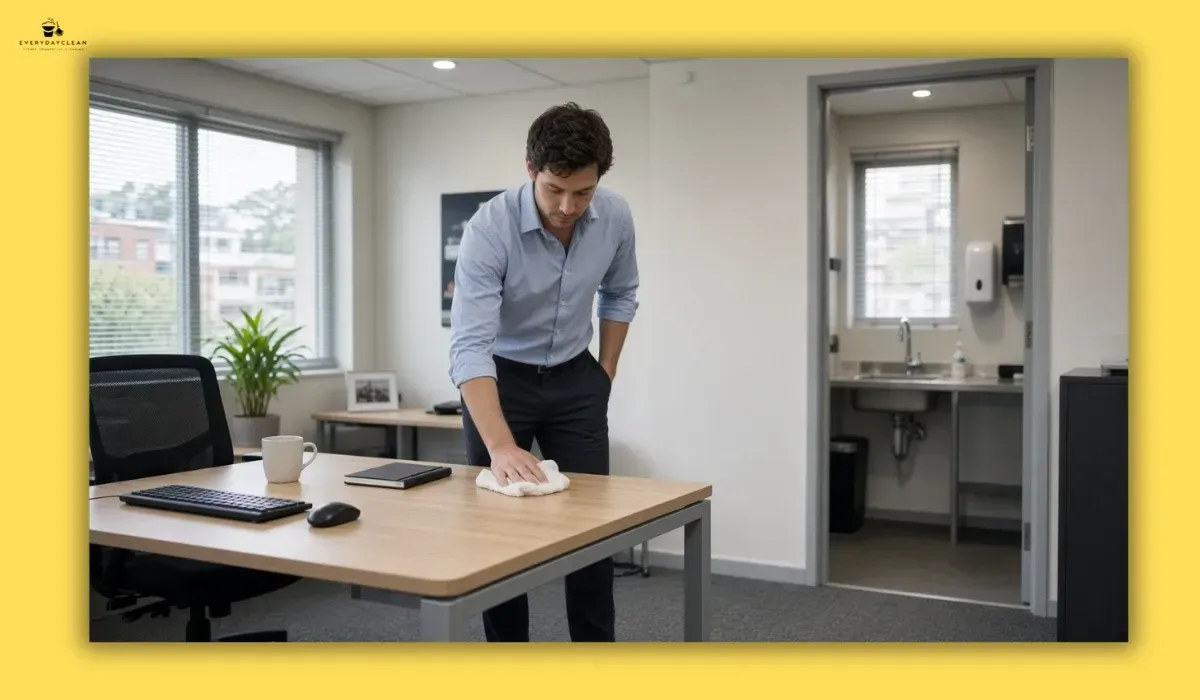
A daily wipe prevents sweat film, bacteria, and odour from settling into the mat. This routine is essential for anyone practising hot yoga or high-intensity flows, where sweat dries quickly on the surface and affects grip.
Steps
- Lay the mat flat and spray a mild soap-and-water solution lightly across the surface.
- Wipe it using a clean microfiber cloth in long, even strokes.
- Repeat on the underside if it touches gym floors or shared studio spaces.
- Allow the mat to dry for a few minutes before rolling it loosely.
A light daily clean protects all mat materials without weakening the surface.
2. How to Deep Clean a Yoga Mat
Deep cleaning removes oils, sweat minerals, sunscreen, and residue that daily wiping cannot lift. A transition is needed here because deep cleaning works differently depending on mat sensitivity and moisture tolerance.
Deep cleaning penetrates the top layer of the mat, restoring grip and reducing long-term wear. For a similar step-by-step guide focused on floor mats, check out our detailed post on how to clean gym floor mats. It provides techniques suitable for high-traffic areas and gym equipment surfaces.
Steps
- Mix warm water with a small amount of gentle, pH-balanced soap.
- Spray enough to dampen the surface without soaking it.
- Use a microfiber cloth to work the solution into the material.
- Wipe again using a clean, damp cloth to remove soap residue.
- Air-dry completely for 12–24 hours before storing.
Avoid leaving mats wet, as moisture leads to mould growth and material warping.
3. How to Clean a Natural Rubber Yoga Mat
Natural rubber is porous and reacts strongly to acids, alcohols, essential oils, and harsh cleaners. The steps below focus on protecting the surface while removing buildup.
Natural rubber absorbs residue easily, so the cleaning solution must remain extremely mild to prevent breakdown or flaking.
Steps
- Mix warm water with a drop of mild, fragrance-free soap.
- Wipe the surface using a microfiber cloth.
- Rinse lightly with a damp cloth to remove excess soap.
- Avoid vinegar, alcohol wipes, or essential oils.
- Dry away from sunlight and heat, as UV exposure damages rubber.
This routine preserves grip and prevents early deterioration.
4. How to Clean a PU (Polyurethane) Yoga Mat
PU-coated mats offer premium grip but react quickly to acids and oils. A transition paragraph clarifies why PU requires careful cleaning.
PU coatings can stain or peel when treated with vinegar, alcohol, or tea tree oil, so only neutral solutions should be used.
Steps
- Use warm water mixed with a small amount of gentle soap.
- Wipe with a microfiber cloth in smooth strokes.
- Rinse using a damp cloth to remove residue.
- Avoid vinegar, alcohol, citrus, or essential oils.
- Allow the mat to dry fully indoors.
This prevents coating damage and preserves the mat’s tactile grip.
5. How to Clean a Cork Yoga Mat
Cork is naturally antimicrobial, but still accumulates sweat salts and dirt. A short transition explains why cork mats must be lightly cleaned without saturation.
Too much water weakens cork fibres, so the method must stay controlled and minimal.
Steps
- Mist the surface lightly with water or water mixed with mild soap.
- Wipe gently using a soft cloth without scrubbing harshly.
- Avoid soaking or submerging the mat.
- Air-dry naturally before rolling.
This keeps the cork firm and prevents cracking.
6. How to Clean a TPE Yoga Mat
TPE is a soft, flexible polymer blend. Although it tolerates moisture better than natural rubber, it still reacts to bleach and harsh chemicals.
Because TPE relies on a bonded structure, gentle cleaning helps maintain firmness and prevent surface wear.
Steps
- Spray with a mild soap-and-water solution.
- Wipe using a soft sponge or cloth.
- Avoid alcohol, bleach, or abrasive pads.
- Dry in a cool, shaded space.
This routine keeps TPE mats smooth and resilient.
7. How to Remove Stains From a Yoga Mat
Sweat, makeup, sunscreen, dirt, and oil can leave visible stains. Before listing steps, a transition clarifies how stain removal affects different materials.
Stains often sit on the mat’s upper layer rather than deep inside, so targeted cleaning works better than aggressive scrubbing, which could damage coatings.
Steps
- Apply a drop of gentle soap to a damp cloth.
- Rub the stained area in circular movements.
- Wipe lightly with clean water.
- Air-dry before rolling it.
Spot treatment restores appearance while preserving texture.
8. How to Disinfect a Yoga Mat After Hot Yoga
Hot yoga increases sweat volume and elevates surface temperature, which accelerates bacterial growth. Proper disinfection keeps the mat hygienic while maintaining its material integrity.
Alcohol-based disinfectants can damage rubber and PU coatings, so choosing a mat-safe product is important.
Steps
- Use a disinfecting spray formulated for gym equipment and yoga surfaces.
- Mist the mat lightly without oversaturating.
- Wipe using a clean microfiber cloth.
- Allow the mat to air-dry for at least ten minutes.
- Avoid alcohol-heavy wipes unless the mat is PVC.
This method removes microbes without harming the mat.
9. How to Store a Yoga Mat After Cleaning
Proper storage prevents moisture buildup, odour, and warping. A transition paragraph clarifies why drying time matters.
Storing a mat before it has dried completely traps humidity inside the roll and leads to bacterial or mould growth.
Steps
- Ensure the mat is fully dry before rolling.
- Roll loosely to prevent creasing or cracking.
- Avoid hot cars or humid storage rooms.
- Use a breathable cotton or mesh bag if travelling.
Correct storage extends the lifespan of all mat types.
10. How to Make a Safe DIY Yoga Mat Cleaner
DIY cleaners are popular, but many internet recipes include ingredients that degrade mat surfaces. A transition paragraph is required to guide safe mixing.
The safest cleaner uses mild surfactants with neutral pH, avoiding acidic or oily solutions that break down natural rubber and PU coatings.
Steps
- Combine two cups of warm water with one teaspoon of mild soap.
- Mix gently without creating foam.
- Optional: add a single drop of essential oil only if the mat material is compatible.
- Store in a spray bottle and use within one week.
- Patch-test a small area before full use.
This formula works across most mat types except PU-coated mats, which should use soap-only solutions.
FAQs About How to Clean a Yoga Mat
Now that you know the best ways to care for your mat, here are the most common questions people ask about cleaning a yoga mat.
How often should a yoga mat be cleaned?
A yoga mat should be wiped after every use and deep-cleaned weekly or bi-weekly, depending on sweat volume, environment, and mat material. Sweaty practices like hot yoga leave salt, minerals, and oils that degrade the mat’s texture unless removed quickly. A daily wipe prevents this buildup from drying into the surface, while deep cleaning removes residue that affects grip, odour, and longevity. For shared studio mats or mats used on gym floors, more frequent cleaning is needed to minimise bacterial transfer and maintain hygiene. Consistent cleaning not only protects the mat but also makes practice safer and more comfortable.
Can a yoga mat be washed in a washing machine?
Most yoga mats should not be placed in a washing machine. Agitation, water saturation, and detergent levels damage materials such as natural rubber, cork, PU-coated surfaces, and TPE. Even PVC mats, which are more durable, may lose grip or peel if washed mechanically. Machine washing also bends mats too tightly, causing warping that never fully recovers. Only PVC mats specifically labelled “machine-washable” are safe to clean this way, and even then, they should be washed on a gentle, cold-water cycle without spin drying. For most mats, hand-cleaning is significantly safer and protects their structure over time.
Is vinegar safe for cleaning a yoga mat?
Vinegar is not recommended for cleaning most yoga mats. Its acidity weakens natural rubber, causes PU coatings to peel, and dulls grip texture. While some PVC or TPE mats tolerate diluted vinegar, the benefits are limited compared to a neutral soap-and-water solution. Many users also find that vinegar leaves a strong scent, which becomes noticeable during floor poses. Because mat materials vary widely, vinegar can cause unpredictable surface reactions. A mild soap solution consistently produces better results, removes bacteria effectively, and maintains surface integrity without chemical stress.
Is dish soap safe for cleaning a yoga mat?
Dish soap can only be used in very small amounts and only on PVC or TPE mats, which tolerate stronger surfactants. Natural rubber and PU-coated mats react poorly to dish soap because it strips protective coatings and leaves residue that makes the surface slippery. Even on compatible mats, too much dish soap leads to soap buildup that attracts dirt instead of removing it. A diluted solution is safer and must always be followed by a clean-water rinse to remove all residue. For sensitive mats, mild castile soap or baby soap is preferred.
Are disinfectant wipes safe for yoga mats?
Disinfectant wipes such as Clorox wipes are only safe for PVC mats, as PVC has a high chemical resistance. They should not be used on natural rubber, PU, cork, or TPE because alcohol and disinfectant chemicals cause peeling, dryness, staining, or surface cracking. These effects worsen with repeated use. If disinfection is needed, a mat-safe gym equipment spray is the best alternative because it uses balanced formulas that eliminate bacteria without damaging the material. Always check manufacturer guidelines before applying any disinfectant.
What’s the difference between wiping a yoga mat daily and deep cleaning it?
Daily wiping removes surface-level sweat, dirt, skincare residue, and bacteria that accumulate during a single session. This helps prevent odour and keeps the surface smooth and dry. Deep cleaning goes further by lifting oils, minerals, and grime embedded in the upper layers of the mat. These substances affect grip, colour, and structural integrity if not removed regularly. Deep cleaning requires more moisture, more drying time, and gentler pressure. Practitioners who sweat heavily or attend heated classes will see the biggest difference in performance when deep cleaning is done consistently.
Keeping Your Yoga Mat Clean for Long-Term Hygiene and Performance
Maintaining a clean yoga mat is essential for safety, grip, freshness, and long-term usability, so it helps to end with a clear direction for ongoing care. The steps outlined throughout this guide work for all mat materials and make regular cleaning easier and more effective.
A consistent routine with daily wiping, periodic deep cleaning, and proper drying—protects the surface from sweat, odour, and bacteria. Matching the cleaning method to the material type prevents accidental damage and ensures the mat stays supportive and comfortable over time. Professionals specialising ingym cleaning services can also provide guidance and ensure studio equipment stays in top condition.
For reliable, high-standard cleaning support, explore professional services available through Everyday Clean. A dedicated team can help maintain hygiene, extend equipment life, and keep every workout environment fresh and safe.
About the Author: At Everyday Clean, we believe a clean space should feel good, not complicated. With over 20 years of experience, our team has learned what truly matters to customers: reliability, honesty, and results you can see. We share practical cleaning tips and real-world advice to help you care for your home or workplace with confidence. Every guide we write comes from everyday experience, what works, what doesn’t, and how to make cleaning simpler for everyone.
Blog