Method Cleaning Products: Full Range & Performance Review
Method cleaning products are a range of plant-based, biodegradable household cleaners covering every major surface category - all-purpose sprays, bathroom cleaners, dish soap, laundry detergent, floor cleaners, glass cleaners, and kitchen degreasers - formulated without parabens, bleach, triclosan, or ammonia, and packaged in bottles made from 100% recycled plastic. Founded in San Francisco by Adam Lowry and Eric Ryan, Method entered the commercial cleaning space as one of the first mainstream brands to make design-forward, non-toxic cleaning products accessible at supermarket price points. Every product in the range is Leaping Bunny certified cruelty-free, uses naturally derived or plant-based active ingredients, and discloses its full ingredient list on both the bottle and the brand's website - a level of transparency that remains uncommon across the broader cleaning products industry. This guide covers every major product in the Method range, how each one performs, where the formulations have limitations, and how Method compares to certified commercial-grade alternatives for professional cleaning applications.
Key Takeaways
- Method cleaning products are Leaping Bunny certified cruelty-free and use plant-based surfactants, biodegradable formulas, and 100% recycled plastic packaging across the entire range.
- The Environmental Working Group (EWG) rates most Method products a D or F on its health and transparency scoring system, primarily due to the use of undisclosed fragrance compounds and methylisothiazolinone (MIT) preservatives in several formulas.
- Method's strongest performing products based on independent and user reviews are the Glass + Surface Cleaner, the Squirt + Mop Hard Floor Cleaner, and the Foaming Bathroom Cleaner - all three consistently deliver streak-free, residue-free results with no harsh chemical vapours.
- Method products are formulated for residential use. They are not commercial-grade concentrates and are not designed for the soil loads, cleaning frequency, or GECA certification requirements of professional commercial cleaning contracts.
The range contains no phosphates, chlorine bleach, ammonia, triclosan, or parabens - the five most commonly cited harmful ingredients in mainstream cleaning products.
The Full Method Cleaning Products Range
Method's product range is structured around surface type rather than cleaning task, which makes it easier to identify the right product for a specific area of the home. The core range available in most markets covers seven categories. Each product below is assessed on its active ingredients, performance characteristics, scent profile, and documented limitations.
1. Method All-Purpose Cleaner
The Method All-Purpose Cleaner is the brand's most versatile product and most widely used entry point into the range. It is formulated with plant-derived surfactants in a water-based liquid, available in several scent variants including Pink Grapefruit, French Lavender, and Cucumber. The formula is designed for use on countertops, tile, stone, wood, glass, and stainless steel - a genuinely broad surface compatibility that is rare in a single product.
Performance in independent testing and user reviews is consistent: the formula removes light to moderate everyday soiling - food splatter, fingerprints, dust buildup, light grease - quickly and without streaking. On heavier grease accumulation, such as oil film buildup near stovetops, the product requires agitation with a sponge rather than a single wipe. The formula does not contain enzymatic agents, meaning it is not effective on deep organic stains such as dried blood or set protein stains.
The EWG grades several variants of the Method All-Purpose Cleaner as F, citing incomplete ingredient disclosure around fragrance compounds and the presence of methylisothiazolinone (MIT), a preservative that the EU has banned from leave-on products due to its association with skin sensitisation. MIT is present at lower concentrations in rinse-off and wipe-off applications, which is the relevant use context for a surface cleaner, but users with sensitive skin or contact dermatitis should note its presence.
Best for: Kitchen bench wipe-down, bathroom surfaces between deep cleans, glass, tiles, stainless steel. Not suitable for: Heavily soiled commercial surfaces, organic stain removal, unfinished wood.
2. Method Foaming Bathroom Cleaner
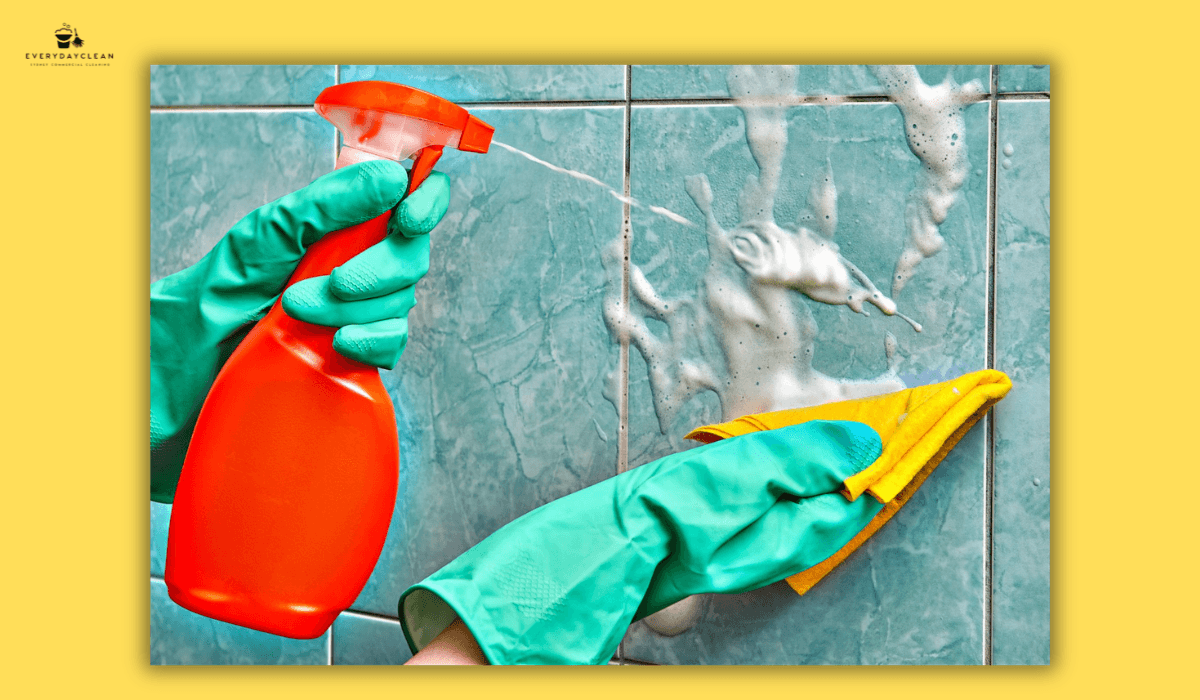
The Method Foaming Bathroom Cleaner is one of the range's most consistent performers and the product most commonly cited positively in independent reviews. The foam-delivery format - via a separate foaming pump nozzle rather than a standard trigger spray - applies a thick, clinging foam that maintains contact with vertical surfaces such as tile, shower walls, and sink basins for longer than a standard spray, improving dwell time and reducing the scrubbing effort required to break down soap scum.
The primary surfactant system is Sodium Lauryl Sulfate (SLS) combined with Caprylyl/Capryl Glucoside, a gentler sugar-derived co-surfactant. SLS is an effective anionic surfactant for soap scum and mineral deposit removal, but it does carry a documented risk of skin irritation with prolonged or repeated unprotected hand contact. Users applying this product to large bathroom surfaces on a regular basis should use gloves.
The Eucalyptus Mint scent variant is widely rated as the most effective for the bathroom application - the eucalyptus terpene compounds provide mild antimicrobial activity as a supplementary benefit alongside the surfactant cleaning action. The ANTIBAC Antibacterial Bathroom Cleaner variant is rated F by the EWG, however, as the antibacterial claim requires a different active ingredient system that introduces additional formulation concerns.
Best for: Soap scum on tile and bath surfaces, sink basins, shower glass, toilet exterior. Not suitable for: Disinfection in environments where TGA-listed pathogen kill claims are required.
3. Method Glass + Surface Cleaner
The Method Glass + Surface Cleaner is the product that consistently attracts the highest praise in independent reviews, with multiple reviewers replacing established market leaders such as Windex and ammonia-based glass cleaners after a single use. The formulation is ammonia-free, fragrance-forward (Mint is the dominant variant), and delivers a streak-free finish on glass, mirrors, and chrome without the sharp chemical vapour that makes conventional glass cleaners unpleasant in enclosed spaces.
The plant-based surfactant system in this product is low-residue by design - the key requirement for any glass cleaner, since surfactant residue is the direct cause of streaking. Application with a clean microfibre cloth rather than paper towel produces the best result; paper towel fibres leave micro-debris on glass that refracts light and creates the appearance of streaking at certain angles.
For offices and commercial settings with glass partitions, frameless shower screens, and mirrored lobby surfaces, Method Glass + Surface Cleaner performs adequately for light-frequency maintenance cleaning. It is not a commercial window cleaning concentrate and is not designed for high-volume exterior glass cleaning or water-fed pole systems.
Best for: Interior mirrors, shower glass, chrome fixtures, glass office partitions. Not suitable for: Exterior high-rise glass, water-fed pole systems, or commercial-volume window cleaning.
4. Method Squirt + Mop Hard Floor Cleaner
The Method Squirt + Mop Hard Floor Cleaner is a no-dilute, no-rinse formula applied by squirting directly onto the floor surface and spreading with a flat mop. It is available in scent variants, including Spearmint Sage, Ginger Yuzu, and Lemon Ginger, and is formulated for use on hardwood, laminate, bamboo, stone, tile, and vinyl surfaces.
The no-rinse format is the product's primary practical advantage. Conventional floor cleaners require dilution in a bucket, mopping, and often a second pass with clean water to remove surfactant residue - a sequence that adds significant time to a mopping routine. The Squirt + Mop format eliminates all three steps. The formula leaves floors visually clean and lightly fragrant, with no sticky or greasy residue provided the product is applied at the correct thin-layer quantity.
The critical limitation, noted consistently in user reviews, is overuse: applying too much product leaves a visible film on hard floors, particularly on dark timber or polished concrete, that requires a clean damp mop pass to remove. The instruction to "squirt a thin layer" is not precisely defined on the packaging, which results in a proportion of first-time users applying excess product. Used correctly - a thin application covering no more than 2-3 square metres per squirt - the product performs well.
Best for: Timber, laminate, vinyl, tile, and stone hard floors in residential settings. Not suitable for: Unfinished timber floors, commercial floor scrubbing machines, high-traffic commercial corridors.
5. Method Dish Soap
Method Dish Soap is a plant-derived, pump-bottle dishwashing liquid formulated with a coconut-based surfactant system and available in a range of scent variants including Basil, Clementine, Lemon Mint, and Ginger Yuzu. It is septic-safe, biodegradable, and free from phosphates, parabens, and synthetic brighteners.
Performance on everyday dish cleaning is strong: the formula produces sufficient lather at low volume and removes food residue, oil, and mild grease from crockery, glassware, and cookware without leaving a soapy film. On heavily greased baking pans and cast iron cookware, the formula requires soaking time rather than immediate scrubbing - a limitation shared with most mild surfactant dishwashing liquids relative to high-alkaline conventional dish soaps.
The pump-dispenser bottle is a considered format decision: it controls the volume dispensed per use, reducing overconsumption relative to a standard flip-cap bottle. The 532mL pump bottle provides approximately the same number of uses as a 750mL conventional dishwashing liquid at the lower per-use volume, which partially offsets the higher per-millilitre cost of the Method product.
Best for: Everyday dishwashing, delicate glassware, and general kitchen cleanup. Not suitable for: Commercial dishwashing machines, heavy degreasing in food service environments.
6. Method Laundry Detergent - 4X Concentrated
Method's laundry range includes a 4X concentrated liquid detergent, laundry detergent packs, and a fabric softener. The 4X concentrate uses a small-format bottle (900mL) that delivers the equivalent wash count of a standard 3.6-litre laundry detergent, significantly reducing packaging volume and transport weight - a genuine environmental advantage over ready-to-use detergent formats.
The formula is plant-based and designed for use in both standard and high-efficiency (HE) washing machines. It is free from optical brighteners (fluorescent whitening agents that deposit on fabric to create an illusion of whiteness rather than actually cleaning), phosphates, and chlorine bleach. On standard laundry loads - everyday clothing and linen - performance is consistent with conventional detergents.
The EWG grades several Method Laundry variants a D, citing undisclosed fragrance ingredients as the primary concern. For households managing fragrance sensitivities or asthma, the Free + Clear variant eliminates fragrance compounds entirely and represents the most appropriate option from a respiratory health perspective. The Leaping Bunny certification covers the full laundry range, confirming cruelty-free status across the supply chain.
Best for: Everyday clothing and household linen, HE machine compatibility, reduced-packaging laundry routine. Not suitable for: Commercial laundry volumes, heavily soiled workwear, industrial textile processing.
7. Method Heavy Duty Degreaser
The Method Heavy Duty Degreaser (Lemongrass scent) is the range's most chemically assertive product, designed for grease, grime, and cooking residue on stovetops, exhaust fans, grease traps, and similar surfaces. The formula steps up in pH relative to the all-purpose cleaner, using a more alkaline surfactant system to penetrate and emulsify heavy oil deposits.
Independent testing places this product as effective for residential kitchen degreasing - it performs well on stovetop splatter, range hood filters, and oven exteriors. It is not a commercial-grade alkaline degreaser; concentrated commercial degreasers used in hospitality and food service environments operate at significantly higher pH and with lower water content, providing a more aggressive lipid-cutting action for the soil loads generated by commercial cooking operations. For a domestic kitchen cleaned daily or weekly, the Method Heavy Duty Degreaser is adequate. For a commercial kitchen cleaned after each service period, a GECA-certified commercial degreaser is the appropriate product class.
Best for: Residential stovetop, range hood, oven exterior, kitchen splashback.
Not suitable for: Commercial kitchen equipment, food service exhaust duct degreasing, post-service catering cleanup.
Method Cleaning Products in a Commercial Context
Method products are consumer-grade residential cleaners. For professional office cleaning or commercial facility management, Method does not meet the three criteria that define a commercial-grade product: it is not available as a concentrated formula at commercial dilution ratios, it does not carry GECA (Good Environmental Choice Australia) certification, and it is not formulated for the soil loads and cleaning frequency of commercial environments.
This distinction is not a criticism of Method's quality for residential use - it is a category clarification. A commercial cleaning contract for an office, medical centre, strata complex, or retail floor specifies products based on GECA accreditation, dilution efficiency, and documented performance at commercial soil levels. Method's residential all-purpose spray, applied daily by a professional cleaner to high-traffic workstations and shared surfaces, would cost multiples of a commercial GECA-certified concentrate per equivalent clean. For facilities running eco-friendly office cleaning programs with sustainability reporting obligations, certified commercial products from Agar's GECA-certified green range or equivalent commercial-grade eco formulators are the appropriate specification.
For residential users, NDIS clients, or small businesses without commercial contract requirements, Method occupies a well-defined position: it is among the most transparent, genuinely non-toxic, and pleasantly formulated cleaning product ranges available at a mainstream retail price point, with the Leaping Bunny certification and full ingredient disclosure providing credibility that most competitors in the supermarket segment do not offer. For spaces like a home office, Airbnb property, or small clinic, Method's best safe cleaning products positioning is accurate and well-supported by the formula characteristics.
FAQs about The Method Cleaning Products
The following questions address the most common search queries about Method cleaning products, including ingredient concerns, product comparisons, availability, and performance expectations.
Are Method cleaning products genuinely non-toxic and safe for children and pets?
Method cleaning products are formulated without parabens, bleach, ammonia, triclosan, and phosphates - the five ingredient categories most commonly associated with acute toxicity in household cleaners. The Leaping Bunny certification confirms that no animal testing is conducted at any stage of ingredient sourcing or product development. For children and pets, the key consideration is dwell time: surfaces treated with any cleaning product, including Method, should be allowed to dry before contact. The Go Naked variant (fragrance-free and dye-free) is the most appropriate choice for households with very young children or individuals with fragrance allergies, as it eliminates the undisclosed fragrance compound category that the EWG flags in most other Method variants. The EWG's D and F ratings for several products are primarily driven by fragrance disclosure gaps rather than the presence of known toxic compounds, which places Method in a different risk category from chlorine bleach or ammonia-based conventional cleaners.
How does Method compare to other plant-based cleaning brands like Ecostore and Koala Eco?
Method, Ecostore, and Koala Eco occupy the same market segment - plant-based, non-toxic, consumer-grade household cleaners with environmental credentials - but differ in formulation transparency, certification depth, and ingredient sourcing. Ecostore holds independent certification from the Environmental Choice NZ program and discloses full ingredient lists. Koala Eco uses 100% Australian native essential oils, is cruelty-free, and carries allergy-safe certification from Allergy New Zealand. Method's distinguishing credentials are Leaping Bunny certification, 100% recycled plastic packaging, and full ingredient disclosure on product and website - but it does not carry GECA certification, which Ecostore does for several products. CHOICE Australia testing found two Earth Choice products outperforming several eco-branded competitors at a lower price point, suggesting performance is not correlated with eco branding. The appropriate choice between these brands depends on which certification priorities matter most: cruelty-free and recycled packaging favour Method; GECA-certified environmental performance favours Ecostore; native botanical ingredients favour Koala Eco.
Where can Method cleaning products be bought in Australia?
Method cleaning products have been available in the Australian market since 2008, initially through Enjo agents and later through mainstream retail and online channels. As of 2026, Method products are available through selected supermarkets, online retailers including Amazon Australia and iHerb, and directly through the Method website with delivery to Australian addresses. Availability varies by product variant - the full range is most reliably accessible online, while physical retail availability is limited to the brand's most popular lines including the all-purpose spray, dish soap, and laundry concentrate. Pricing positions Method above private-label cleaning products but comparable to other branded eco alternatives such as Ecostore and Earth Choice.
Do Method cleaning products work as well as conventional chemical cleaners?
Method cleaning products match or exceed conventional chemical cleaners in performance for the surface applications they are designed for, provided the correct product is used for the specific task. The Glass + Surface Cleaner delivers streak-free results comparable to ammonia-based glass cleaners. The Foaming Bathroom Cleaner removes soap scum from tile and basin surfaces without requiring the chemical dwell time or ventilation that bleach-based bathroom cleaners demand. The All-Purpose Cleaner handles everyday countertop and surface cleaning across a wide range of materials without surface damage risk. The limitation is on heavy industrial or commercial soil loads - grease accumulation in food service equipment, deep carpet staining, or post-construction surface contamination - where conventional high-alkaline or solvent-based products outperform plant-based formulas. For routine residential and light-commercial cleaning tasks, Method's performance gap relative to conventional cleaners is negligible and the health and environmental trade-off strongly favours the plant-based formula.
What are the known limitations of Method cleaning products?
The documented limitations of Method cleaning products fall into three categories. First, the EWG's D and F ratings for several products indicate incomplete fragrance ingredient disclosure and the presence of MIT preservatives, which are a skin sensitization concern for users with contact dermatitis or chemical sensitivities. Second, Method products are not formulated as concentrates, meaning the cost-per-surface-cleaned is higher than commercial-grade concentrates at equivalent dilution ratios - a relevant consideration for commercial carpet cleaning or large-scale facility cleaning where product volume is significant. Third, Method does not carry GECA certification, which is the required standard for eco cleaning claims in commercial cleaning contracts across healthcare, education, and government facilities. For residential use, none of these limitations is material in most households. For professional or commercial applications, they define the product's category ceiling.
Method Cleaning Products: Where They Fit in a Cleaning Routine
Method cleaning products occupy a well-defined position in the cleaning products market: they are among the most transparent, genuinely plant-based, and ethically certified residential cleaners available at mainstream retail price points. The Leaping Bunny certification is independently verified. The ingredient disclosure is above-industry standard. The recycled packaging represents a measurable reduction in plastic waste. The glass cleaner, floor cleaner, and foaming bathroom cleaner are strong performers for everyday residential use.
The honest qualifier is this: Method is a residential product line in an eco-conscious format, not a commercial cleaning solution. For households, small offices, and residential properties managed by individual owners, Method delivers on its core claims. For commercial facilities with GECA requirements, high-frequency cleaning schedules, or professional
strata cleaning contracts, the appropriate product specification begins at a different level - certified, concentrated, and formulated for the soil loads and compliance standards that professional environments demand.
Blog