Green Office Cleaning: Products, Methods and Workplace Practice
Switching to greener office cleaning is less about finding the right label and more about changing how products are used, sourced and disposed of. A concentrated product used at the correct dilution in a refillable spray bottle does more for environmental impact than buying a product with "eco" on the front that arrives in a single-use bottle and is overused on every surface.
Most of what makes office cleaning more sustainable is operational: dilution discipline, microfibre instead of disposables, refill systems, reduced packaging, waste separation and choosing products where the claims are backed by something verifiable.
What "green" actually means on a cleaning product
"Green", "eco-friendly", "natural" and "plant-derived" are marketing terms, not regulatory categories in Australia. They do not confirm that a product is safer, more effective or genuinely lower impact than alternatives.
More meaningful things to look for:
Recognised certification. Look for environmental product certifications that assess ingredients, manufacturing impact, packaging and end-of-life. Recognised environmental certification schemes such as GECA or other credible third-party ecolabels reflect assessed standards rather than self-declared claims. The certifying body and scheme matter, since criteria vary between programmes.
Ingredient transparency. Some manufacturers publish full ingredient lists; others do not. Products that disclose their active ingredients allow better assessment of environmental and workplace impact. The Safety Data Sheet is a minimum reference point.
Concentration and dilution system. A concentrated product that produces many litres from a small volume reduces packaging and transport impact per unit of cleaning done. The environmental benefit is only realised if the product is diluted correctly rather than overused.
Fragrance content. Fragranced products are a common cause of indoor air quality issues and sensitivity reactions in offices. Lower-fragrance or fragrance-free options suit workplaces with mixed sensitivity profiles. Fragrance-free is not the same as lower impact, but it is a separate consideration worth noting.
Packaging. Refill pouches, concentrated tablets and bulk supply systems reduce packaging volume compared to single-use ready-to-use bottles. Some suppliers offer take-back or return arrangements for packaging.

Products that support greener cleaning practices
Concentrated products and dosing systems
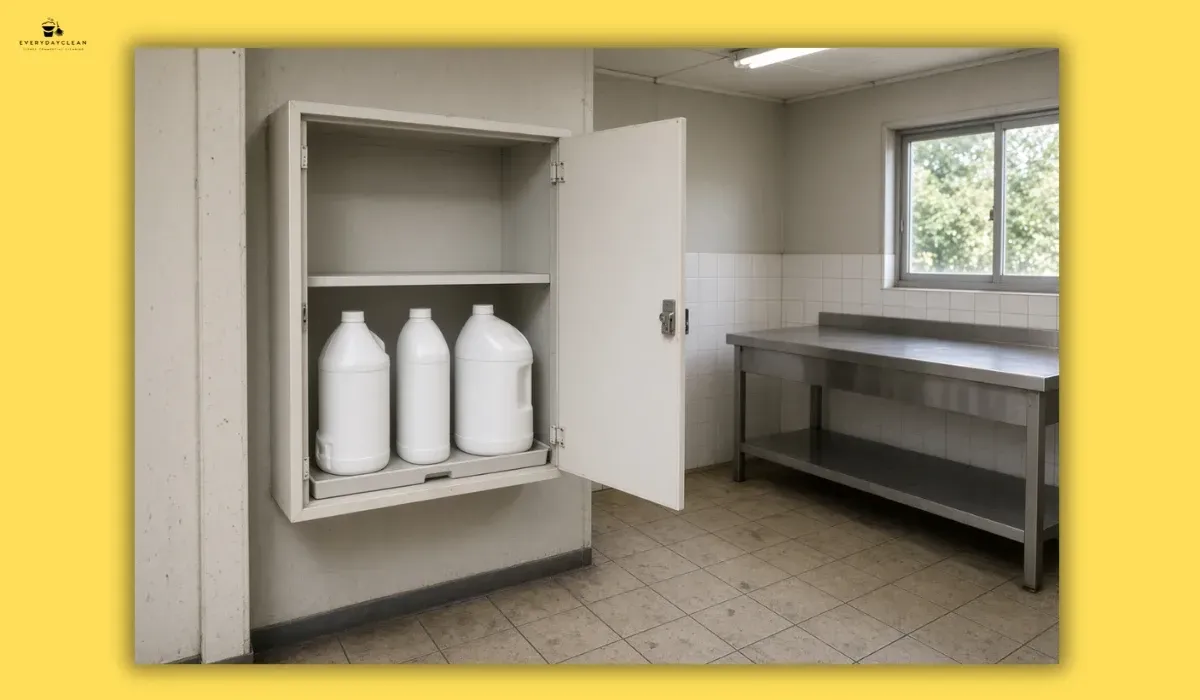
A dosing system that dispenses concentrate at the correct dilution ratio removes the most common source of product waste in commercial cleaning: people using too much because there is no measured limit. Wall-mounted dosing stations or measured-dose pods both address this. The investment is in the system, and the product cost per use drops.
Over-concentration does not clean better. It leaves residue, increases the chemical load in wastewater, and in some cases reduces effectiveness compared to the correct dilution.
Microfibre cloths and flat mop systems
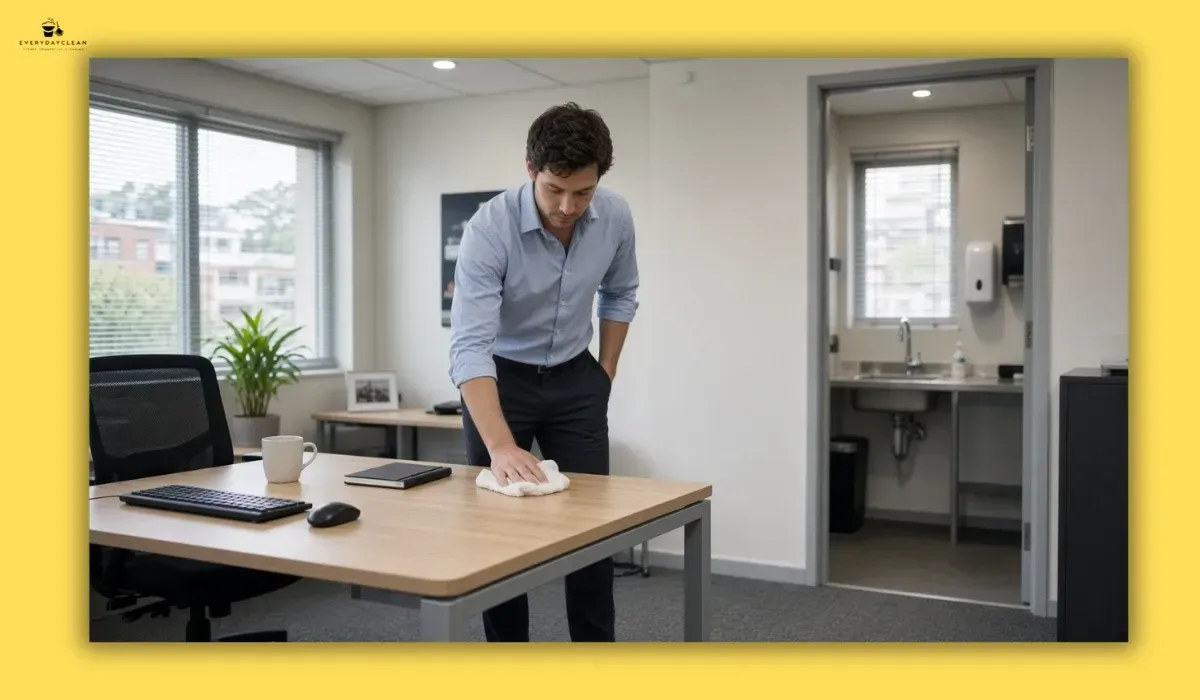
Microfibre can reduce the amount of product and water needed for many routine wiping tasks compared to traditional cotton or synthetic alternatives. A clean microfibre cloth on a flat mop system with laundered, reusable pads reduces both product consumption and disposable waste per clean. The environmental comparison with disposable wipes or single-use mop heads is significant over a full year of cleaning.
Microfibre performance depends on laundering correctly: without fabric softener, which clogs the fibres and reduces absorption, and separately from heavy soiling. Microfibre that is laundered correctly can last through many wash cycles.
Surface-specific products rather than one multi-purpose cleaner
Using a product matched to the surface usually means using less of it per task. A glass-specific cleaner used correctly leaves no residue; a multi-purpose spray used on glass often does. A neutral floor cleaner is appropriate for most office hard floors; using a degreaser on a sealed floor surface is unnecessary and adds chemical load without benefit.
Surface compatibility also matters for product longevity. Products that degrade floor finishes or surface coatings shorten the life of materials and create replacement waste.
Operational practices that reduce environmental impact
Microfibre colour coding
Colour-coded cloths separate bathroom, kitchen and general areas. This is standard practice in commercial cleaning for hygiene, and it also reduces the number of products needed: a bathroom cloth does not need to be as multi-purpose as a general surface cloth.
Reduce disposable consumables in the office
Paper hand towels, single-use wipes and disposable cleaning cloths contribute disproportionately to office cleaning waste. Alternatives:
- Hand dryers where installation is practical, reducing paper towel volume
- Roll towel dispensers with lower dispensing volume per use compared to folded towel dispensers
- Reusable microfibre at workstations rather than paper wipes for screen and surface cleaning
- Refillable soap dispensers rather than individual soap bars or small-format single-use dispensers
Changing consumables requires agreement from facilities management, building management or the strata body depending on the building arrangement, and some decisions sit with the landlord rather than the tenant.
Waste separation and recycling
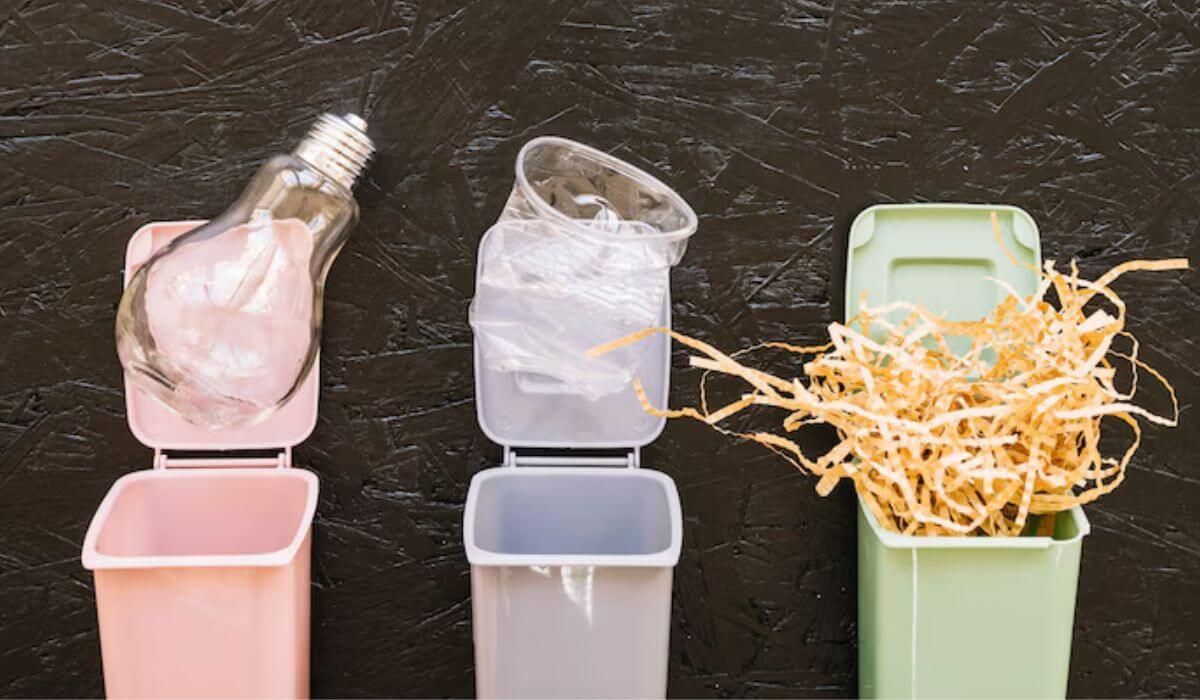
Office cleaning generates general waste, recyclables, food waste and occasionally hazardous waste from spent cleaning chemicals. A green cleaning approach includes:
- Separate bins for recycling, general waste and food waste where the building infrastructure supports it
- Correct disposal of concentrated cleaning chemicals and packaging per the product SDS
- Not mixing recyclables with general waste during a clean
Cleaners are often the last people to handle waste before it goes to collection. Training and clear bin labelling make the difference between waste being sorted correctly and it all going into general rubbish.
Ventilation and indoor air quality
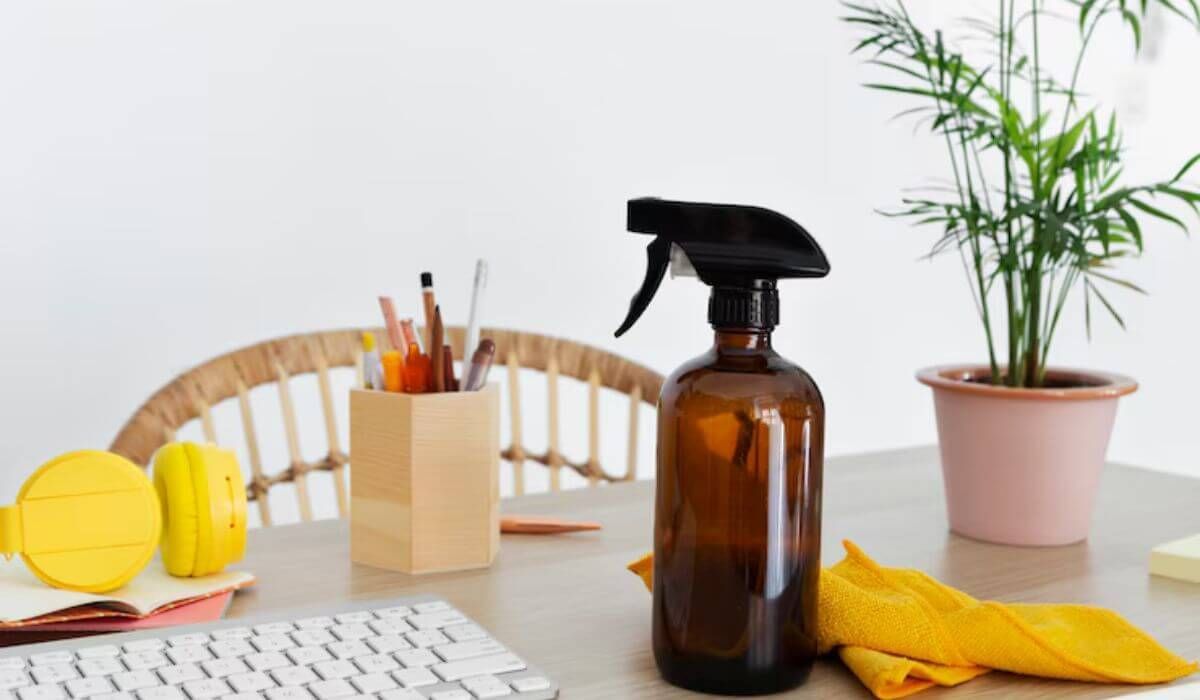
Products applied in offices without ventilation accumulate in the air during and after cleaning. Lower-fragrance and lower-VOC (volatile organic compound) products reduce this, but ventilation is the more reliable control. Scheduling cleaning when windows can be opened, or ensuring HVAC is operating, is a simple operational change that reduces indoor air quality impact regardless of which product is used.
What green cleaning can and cannot deliver
Green cleaning reduces environmental impact in measurable ways: less packaging, less product per task, less wastewater load, less plastic and a lower fragrance burden in the workplace. These are real benefits that accumulate over time.
What it cannot promise:
- It is not "chemical-free." All cleaning products contain chemicals; the question is which ones and in what volume.
- Lower environmental impact products are not automatically safer for everyone. Some plant-derived ingredients cause sensitivity reactions; some certified products still require PPE.
- Green cleaning does not compromise the clean if the product and method are appropriate. But a greener product that fails the task is not a sustainable choice, since the surface needs cleaning twice or more often.
- Sustainability claims on products vary in rigour. A product certified by a recognised scheme is a different claim from a manufacturer's self-description.
The most genuinely sustainable approach is cleaning effectively the first time, with the least product needed, using durable equipment, and disposing of waste correctly.
Cost considerations
Transitioning to greener products and systems can affect cost in either direction. Concentrated products with dosing systems can reduce product cost per use over time, while the initial investment in microfibre systems, dosing equipment and colour-coded cloths has an upfront cost. Some eco-certified products carry a premium over conventional equivalents at the same volume; concentrates usually do not.
Costs vary based on products chosen, supplier arrangements, frequency of cleaning, consumable volume and what the building already has in place. Any cost comparison is best done over a meaningful period rather than on the headline unit price.
Putting green cleaning into practice in an office
Changes that are most likely to take effect:
- Start with the microfibre system. Replace disposable cloths with colour-coded reusable microfibre as a single first step. The change is visible, measurable and does not require product changes to implement.
- Switch to concentrates for high-volume products. Floor cleaner, surface spray and bathroom cleaner are the highest-volume products in most offices. Moving these to concentrates with a dosing system has the largest impact on packaging and product waste.
- Review consumables in bathrooms and kitchens. Paper towel, soap dispenser type and bin liner size are low-complexity choices that can reduce waste volume without operational disruption.
- Check product labels and ask suppliers for SDS and certification documentation. This step often reveals which products in current use already meet a reasonable standard and which do not, before any switching is done. For a broader view of what to look for when stocking an office, see the guide to office cleaning supplies.
- Train cleaning staff or brief the contractor. A green product used at double the necessary concentration and never rinsed is not delivering its environmental benefit. Method and dilution are as important as product choice.
For offices where cleaning is handled by a contractor, discussing sustainability requirements at the contract stage is more effective than trying to change practices mid-contract.
Office cleaning arrangements that include product and method requirements alongside scope and frequency give the clearest basis for consistent practice.
Frequently asked questions
What is green office cleaning?
Green or eco-friendly office cleaning focuses on reducing environmental impact through lower-volume product use, concentrated or refillable products, reusable equipment such as microfibre, reduced packaging, correct waste separation and lower-fragrance formulations. It does not mean chemical-free cleaning or automatically safer products for everyone; it means choosing and using products in a way that reduces the overall environmental footprint of the cleaning operation.
Are green cleaning products as effective as conventional ones?
For most routine office cleaning tasks, yes. Lower-impact products have improved considerably and handle surface cleaning, glass, floors and general hygiene well. The question of effectiveness depends on the task and the product. For situations that require specific disinfection, the product's registered claims and correct use matter more than its environmental positioning. A product that fails the task is not a sustainable choice if it means cleaning twice.
How do I assess whether an eco-cleaning product is genuinely sustainable?
Look beyond front-of-pack claims to recognised environmental certification schemes such as GECA or other credible third-party ecolabels, ingredient transparency, whether the product is a concentrate or refill, how packaging is managed and what the SDS says. A product certified by a recognised scheme has been assessed against published criteria; a product that self-describes as "natural" or "eco-friendly" has not been.
Will green office cleaning cost more?
Not necessarily. Concentrated products with dosing systems can cost less per use than ready-to-use alternatives over time. Microfibre replaces disposable cloths across many uses before wearing out. Some certified products carry a slight premium at the same volume, though this often narrows when concentrates are compared. Costs depend on current products, supplier arrangements and volume, and are best compared over a period rather than by unit price alone.
Can I request green cleaning from my office cleaning contractor?
Yes, and the contract is the best place to do it. Including product requirements, preferred certifications, microfibre expectations and waste handling in the scope of work means the expectation is set from the start. If the current contractor cannot meet the requirement, that is a useful piece of information for the next procurement decision.
Blog