How to Get Stains Off Fabric, Carpet and Surfaces
To get stains off most surfaces, blot up as much as you can first, identify both the stain and the material, spot test any cleaner in a hidden area, then apply the right cleaner gently and work from the outside in. Rinse away residue with a clean damp cloth and let the surface dry fully before deciding whether to repeat. The two things that decide the outcome are acting quickly and matching the method to the surface, not scrubbing harder.
Fresh stains lift far more easily than set-in ones, so speed matters. Rubbing, heat and harsh chemicals are the usual reasons a stain becomes permanent, so the safe approach is patient and gentle rather than aggressive.
Safe First Steps for Any Stain
The first few minutes matter more than the product you reach for. These steps apply across clothing, upholstery, carpet and most hard surfaces.
- Blot, do not rub. Rubbing spreads the stain and pushes it deeper into fibres
- Lift solids gently with a blunt edge before adding any liquid
- Avoid heat. Hot water, dryers and hairdryers can set many stains permanently
- Check the care label on fabric and upholstery before using water or cleaner
- Spot test any cleaner in a hidden area and wait for it to dry
- Work from the outside of the stain inward to stop it spreading
Only move on to a specific treatment once you know what the stain is and what the surface can safely take.
Matching the Method to the Stain
Different stains respond to different approaches. Treat these as cautious starting points, and always spot test first.
- Food and drink: blot, then treat with cool water and a little mild detergent
- Oil and grease: absorb excess, then use a small amount of mild detergent to break down the oil before blotting
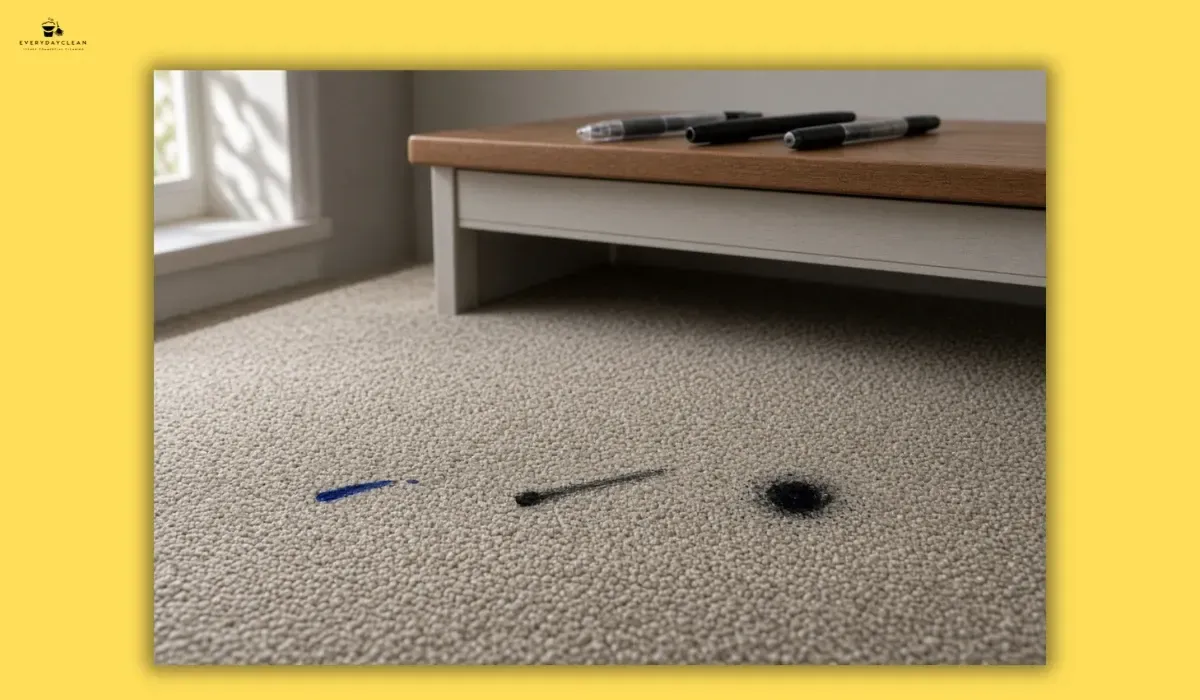
- Ink and dye: dab carefully, testing rubbing alcohol on a hidden area first, as it can affect some materials
- Blood and protein: use cold water only, never hot, since heat sets protein stains
- Mud and soil: let it dry, brush or vacuum off the loose material, then treat any remaining mark
- Pet stains: blot fresh marks, then clean gently, testing first to avoid colour change or damage
Matching the Method to the Surface
The surface matters as much as the stain, because it decides how much moisture and product is safe.
How should clothing and fabric be treated?
Check the care label first, then treat the stain before washing, since a normal wash cycle can set it. Cold water suits most stains, and bleach should be kept off coloured fabric to avoid discolouration. Delicate fabrics like wool and silk are easily damaged and are often safer left to professional cleaning.
How should upholstery be cleaned without damage?
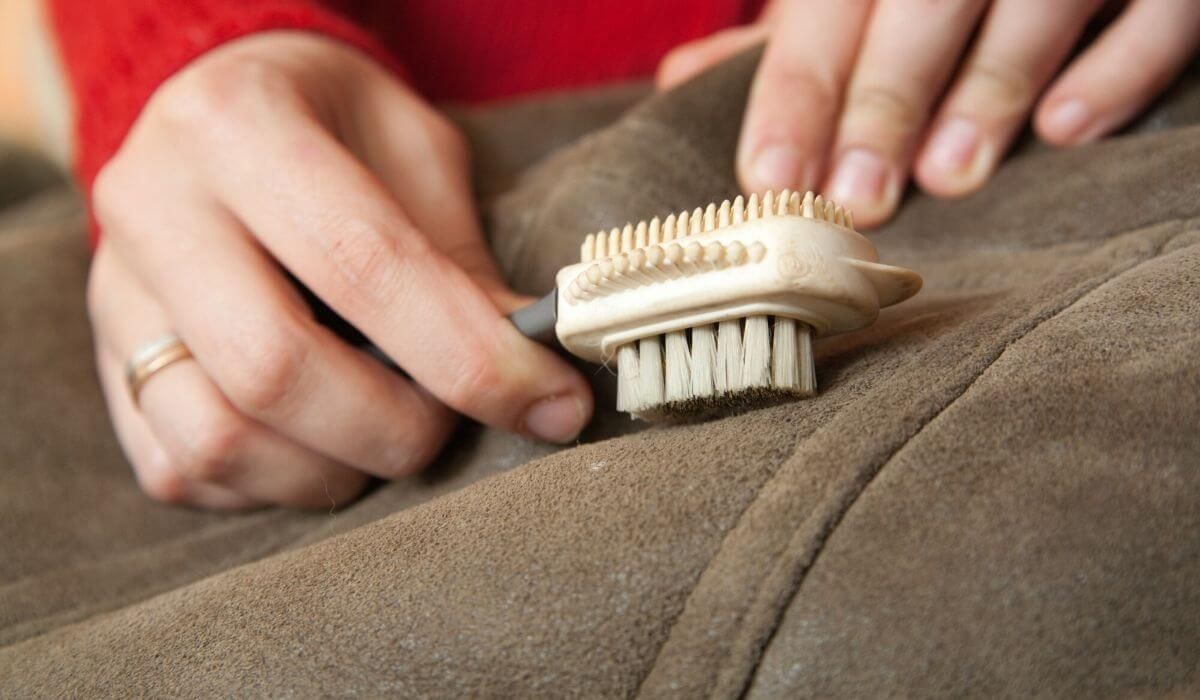
Use as little moisture as possible and blot rather than soak, because water can reach the padding and leave watermarks or odours. Spot test in a hidden spot, and match your approach to the upholstery cleaning code on the label. For delicate, valuable or heavily stained pieces, professional upholstery cleaning is usually safer than repeated DIY attempts, and the same caution applies to detailed furniture cleaning more broadly.
How should carpet stains be handled?
Blot up liquid immediately, then work inward with a cloth and a little suitable cleaner rather than saturating the pile. Avoid overwetting, which can reach the backing and underlay and may lead to odour or moisture issues. Rinse lightly and let the area dry with good airflow. Choosing gentle, carpet-safe cleaning products and testing them first helps avoid setting the stain or bleaching the fibres.
How should hard surfaces be cleaned?
Hard surfaces vary widely, so the material dictates the cleaner. Sealed benchtops and tiles usually tolerate mild detergent, but natural stone such as marble and limestone can be etched by acidic cleaners. Keep vinegar and lemon juice off natural stone, and check what the specific surface can handle before applying anything stronger than water and mild detergent.
What to Avoid When Removing Stains
A few common mistakes turn a treatable stain into a permanent one or damage the surface underneath.
- Soaking upholstery or carpet, which can reach padding, backing or underlay
- Using harsh chemicals or undiluted cleaners without testing
- Mixing cleaning chemicals, which can create dangerous fumes
- Using bleach on coloured fabric, which can leave permanent light patches
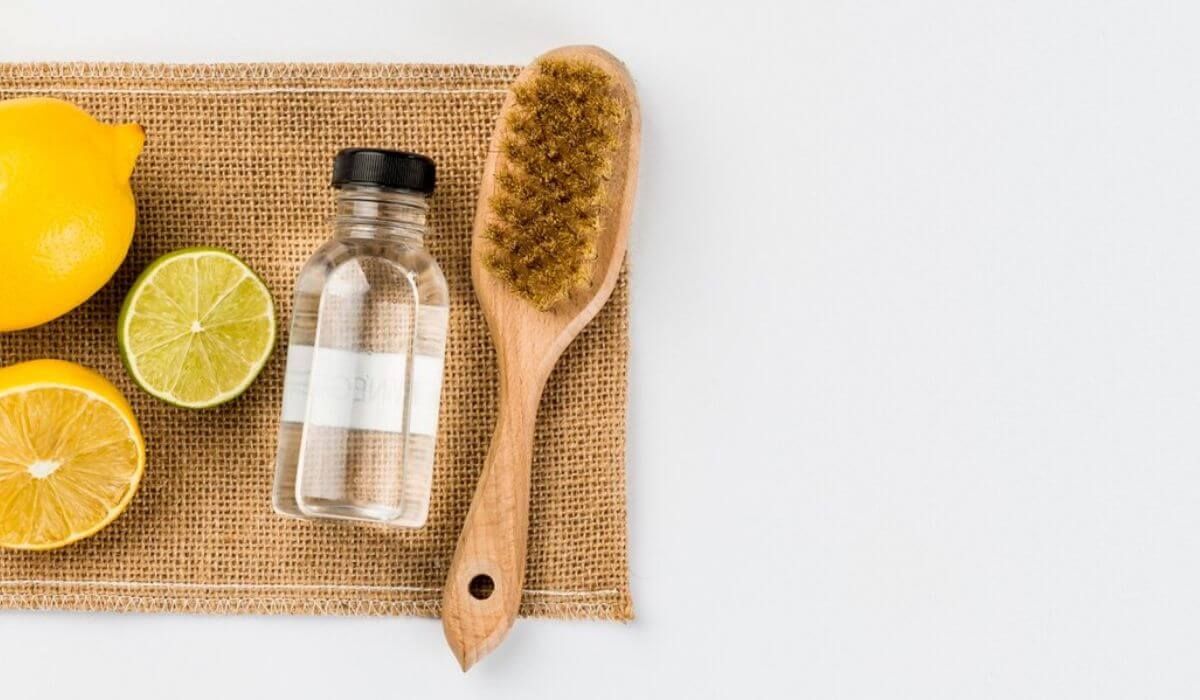
- Using vinegar or other acids on natural stone, which can etch the surface
- Applying heat before a stain has fully lifted, which can set it for good
Are peroxide, alcohol, vinegar and lemon juice safe to use?
They can help in some situations but each carries risk. Hydrogen peroxide and rubbing alcohol can lighten or damage some fabrics and finishes, and vinegar and lemon juice are acidic and unsafe on natural stone and some surfaces. Always dilute where appropriate, spot test in a hidden area, and stop if you see any colour change or damage.
When to Call a Professional Instead
DIY treatment suits fresh, minor stains on everyday materials. Professional help is worth considering for delicate fabrics such as wool and silk, large or set-in stains, lingering odours, visible mould, valuable or antique items, and upholstery or carpet that could be damaged by further DIY cleaning. In these cases, the wrong product or too much moisture can cause lasting harm that is more expensive to fix than the original stain, so having the item assessed first is usually the safer path.
Frequently Asked Questions
Should you use hot or cold water on a stain?
Cold water is the safer default for most stains, especially blood, protein, and many food stains, because heat can set them permanently. Warm water is sometimes used for oily stains, but only once you have confirmed the surface can take it. When unsure, start cold and test before using anything warmer.
Why should you blot instead of rub a stain?
Rubbing spreads the stain over a larger area and forces it deeper into fibres, which makes it harder to remove and can damage the pile or weave. Blotting lifts the stain out instead of pushing it in. Working gently from the outside inward keeps the stain contained while you treat it.
Can old or set-in stains still be removed?
Sometimes, but set-in stains are much harder to shift than fresh ones and may not come out completely. Repeated gentle treatment can help, though aggressive scrubbing or strong chemicals often cause more harm. For valuable items or stubborn marks on delicate materials, professional cleaning gives the best chance without risking damage.
Is it safe to mix cleaning products to remove tough stains?
No. Mixing cleaning chemicals can create dangerous fumes and is never worth the risk. Use one product at a time, rinse thoroughly between treatments, and follow the label directions. If a single suitable cleaner is not shifting the stain, stop and consider professional help rather than combining products.
Getting the Best Result Without Damage
Getting stains off comes down to acting quickly and working gently: blot first, identify the stain and surface, spot test, use the right cleaner, rinse residue and dry fully before repeating. Matching the method to the material is what protects the surface, and knowing when a stain is beyond safe DIY treatment, whether because of the fabric, the size or the value of the item, is what saves a favourite piece from permanent damage.
Blog