When Is Disinfection Necessary? Key Triggers Explained
Disinfection is necessary when cleaning alone cannot eliminate the pathogen risk - specifically after confirmed illness, body fluid contamination, outbreak events, or in settings where vulnerable populations are present. Routine surface cleaning with detergent and water removes most germs physically, but certain environments and situations require a chemical step to kill what cleaning leaves behind.
Australia's Department of Health and Aged Care, Safe Work Australia, and the Therapeutic Goods Administration (TGA) all define disinfection as a targeted, risk-based action - not a blanket daily task. Knowing exactly when disinfection is necessary prevents both under-response (leaving pathogens on surfaces) and over-response (unnecessary chemical use that contributes to antimicrobial resistance).
What Is the Difference Between Cleaning and Disinfection?
Understanding when disinfection is necessary starts with separating two terms that are often used interchangeably but describe very different processes. Cleaning is the physical removal of dirt, organic matter, and surface microorganisms using detergent and water combined with mechanical action - scrubbing, wiping, or mopping. It significantly reduces microbial load but does not kill pathogens still present on the surface.
Disinfection is a chemical process that kills or inactivates bacteria, viruses, and fungi on a surface after cleaning. Disinfectants - including quaternary ammonium compounds (QACs), sodium hypochlorite (bleach), and hydrogen peroxide solutions - achieve a log reduction of harmful microorganisms that physical cleaning cannot reach alone. According to the TGA, hospital-grade disinfectants making specific claims against viruses, spores, or mycobacteria must be listed on the Australian Register of Therapeutic Goods (ARTG) before use in healthcare or commercial settings.
Critical rule: disinfection without prior cleaning is ineffective. Organic matter, soil, and grime physically block disinfectant chemicals from contacting the surface, preventing the stated pathogen kill rate. Always clean first - then disinfect when the situation requires it.
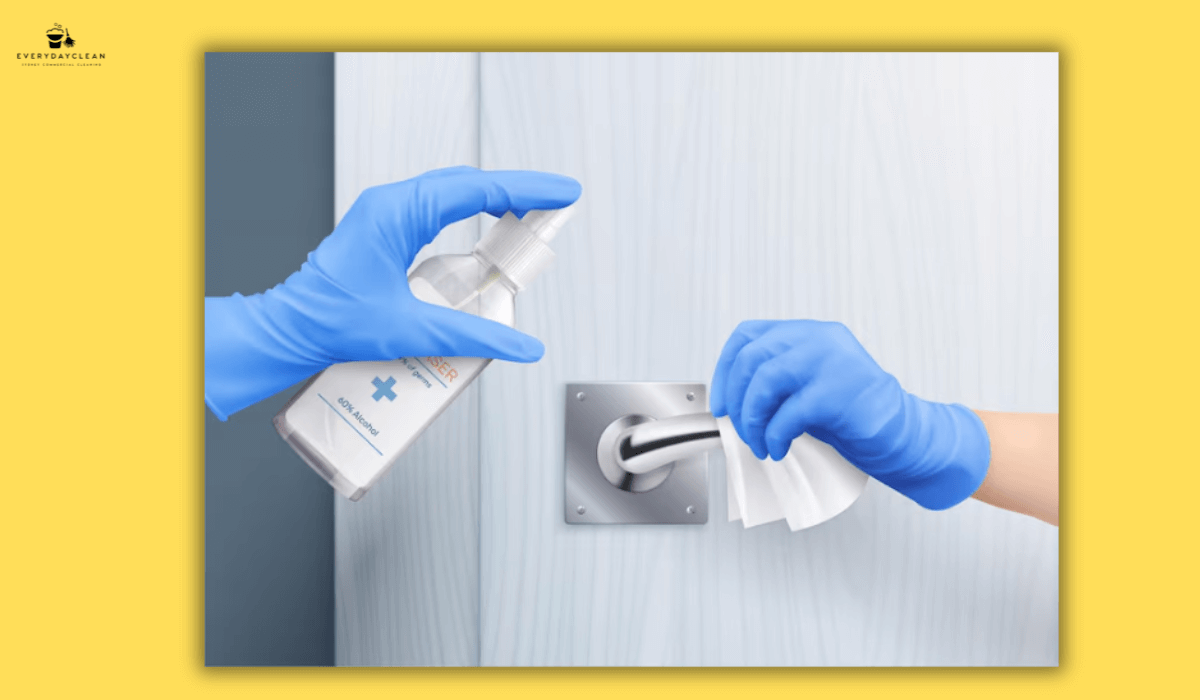
When Is Disinfection Necessary? 6 Situations That Require It
Not every surface or setting requires disinfection. The decision is driven by risk assessment - factoring in the surface type, the population in the space, the frequency of contact, and whether a contamination event has occurred. The following six situations represent the clearest evidence-based triggers for disinfection, as confirmed by Australian health authorities and international CDC guidance.
After a Confirmed Illness or Infectious Outbreak
Disinfection is necessary after any confirmed case of an infectious illness in a shared space - whether COVID-19, gastroenteritis, influenza, norovirus, or a bloodborne pathogen exposure. Victoria's Department of Health specifies that spaces used by a confirmed or suspected case must be cleaned and disinfected, with increased attention to high-touch surfaces. Safe Work Australia recommends waiting several hours after an infected person has vacated before beginning the process, to allow respiratory droplets to settle. Surfaces to prioritise include door handles, keyboards, desks, shared phones, light switches, and lift buttons. Ventilating the space and continuing standard cleaning alone is not sufficient when a confirmed case has used the area.
When Body Fluids, Blood, or Vomit Are Present
Any surface contaminated with blood, vomit, faeces, urine, or respiratory secretions requires immediate cleaning followed by disinfection without exception. This is a non-negotiable standard under infection control protocols in Australian healthcare, childcare, aged care, and NDIS service settings. Body fluids carry pathogen concentrations far exceeding ordinary surface contamination. The correct response is to wear disposable gloves and PPE, remove the contaminated material with absorbent disposable materials, clean the surface with detergent and water, and then apply a TGA-registered disinfectant at the appropriate concentration and dwell time. Victoria Health's infection control guidelines classify contaminated areas - such as operating rooms and isolation rooms - as requiring cleaning and disinfection after each session and spot disinfection after each incident.
In High-Touch, High-Traffic Areas
High-touch surfaces in high-traffic environments carry an elevated transmission risk because multiple people contact them frequently throughout the day. Doorknobs, lift buttons, ATM keypads, shared workstations, handrails, and bathroom fixtures fall into this category. CDC guidance confirms that high-touch surfaces should be cleaned at least once per day in most facilities, with disinfection added in spaces that serve high visitor volumes, house immunocompromised individuals, or are in active outbreak conditions. In commercial office environments across Sydney, this translates to combining daily cleaning with scheduled disinfection cycles for shared kitchen benches, bathroom touch points, and heavily used communal areas. For a practical breakdown of which surfaces to prioritise, see Everyday Clean's guide on how to disinfect high-touch surfaces. The surface contact frequency - not just the visual cleanliness of the area - is the risk driver.
In Medical, Childcare, Aged Care, and NDIS Settings
Certain regulated environments require disinfection as a baseline standard - not just during outbreak events. Medical clinics, dental surgeries, childcare centres, residential aged care facilities, and NDIS provider premises are subject to sector-specific infection prevention standards in Australia. In childcare settings, diaper changing tables, bathroom surfaces, mouthed toys, and frequently touched objects must be disinfected after each use or at defined intervals per state childcare licensing rules. When selecting products for these environments, only child-safe disinfectants that carry TGA registration and pose no residual toxicity risk to children should be used. Queensland Health and Victoria's Department of Health require disinfection of all patient-used equipment and surfaces between individuals. NDIS cleaning providers supporting immunocompromised participants must apply hospital-grade disinfection protocols to shared spaces as standard practice. Everyday Clean delivers compliant cleaning programs across all these sectors in Sydney, using TGA-registered hospital-grade disinfectants applied by police-checked, infection-control trained professionals.
After Guest Checkout in Short-Stay and Airbnb Properties
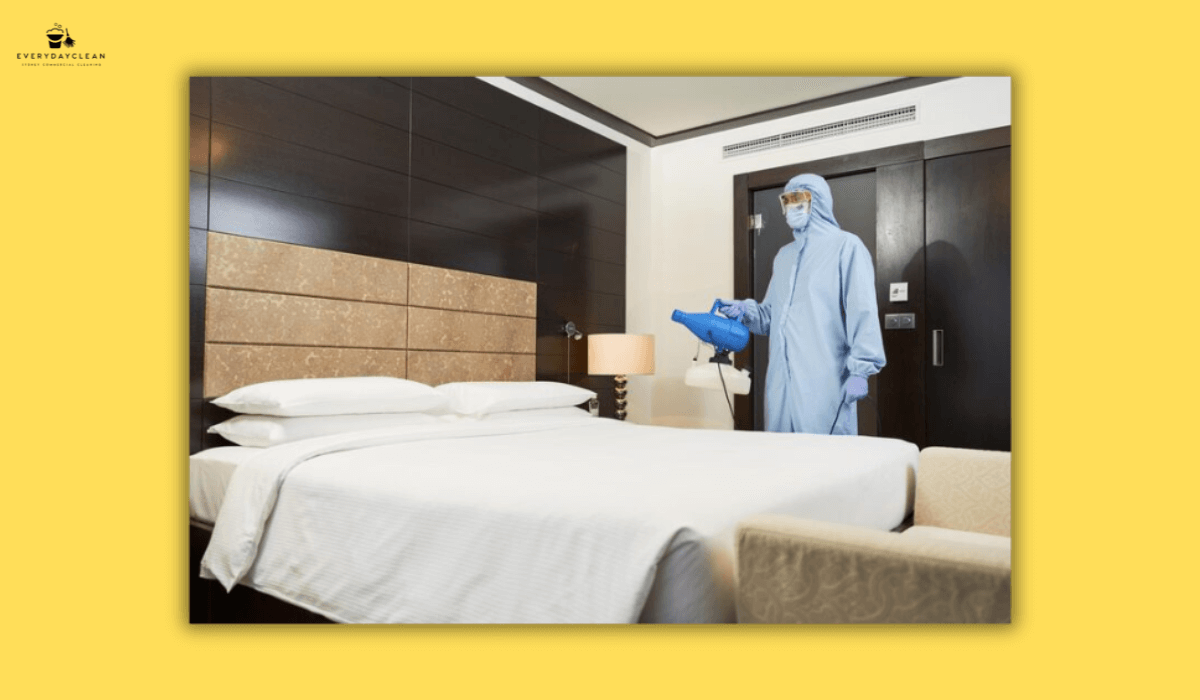
Short-stay properties - Airbnb, serviced apartments, and holiday rentals - require disinfection after every guest departure. Unlike a private residence, the infection history of the previous occupant is unknown. Australia's Department of Health recommended cleaning and disinfecting short-stay rooms as soon as a guest departs, covering all high-touch surfaces. Bathroom fixtures, remote controls, light switches, door handles, kitchen bench tops, and shared linen contact areas must be cleaned and disinfected before the next guest. This is now an expected hygiene standard on major booking platforms and is essential for protecting guest health, host reputation, and review ratings. Everyday Clean offers same-day Airbnb turnover cleaning in Sydney, with disinfection applied to every checked surface before re-booking.
When an Immunocompromised Person Uses the Space
Individuals undergoing chemotherapy, organ transplant recipients, people living with HIV, and elderly individuals with reduced immune function face significantly greater risk from pathogens that would cause little harm to a healthy adult. When a space is regularly used by someone in this category, disinfection frequency must increase beyond the standard risk threshold. The CDC explicitly identifies immunocompromised populations as a criterion for adding disinfection to routine cleaning. In NDIS and aged care settings in Australia, this protocol adjustment is mandatory - not optional. Everyday Clean supports a range of NDIS participants across Sydney, providing tailored disinfection schedules aligned with individual health needs and care plans.
When Is Disinfection Not Necessary?
Disinfection is not a default requirement for every cleaning task. Routine cleaning with a detergent solution is sufficient for most surfaces in low-risk environments where no illness event has occurred, and no vulnerable populations are present. Over-disinfection is neither cost-effective nor risk-free - Australia's NHMRC recognises antimicrobial resistance as a significant global health priority directly linked to unnecessary disinfectant use.
The following situations do not require disinfection:
- Outdoor surfaces: Sidewalks, roads, playgrounds, grass, and external structures. The CDC and Safe Work Australia both confirm that spraying disinfectants on outdoor areas is not effective, not necessary, and not recommended.
- Minimally touched surfaces in low-risk environments: Walls, ceilings, and rarely contacted fixtures in standard offices or residential settings under routine conditions do not need disinfection.
- Healthy home environments without illness: For households with no active illness and no immunocompromised occupants, daily cleaning with detergent is sufficient. The CDC states that disinfecting at home is likely not needed unless someone is sick or at higher risk.
How to Disinfect Correctly When It Is Necessary
When disinfection is warranted, the correct process matters as much as the correct product. Using a disinfectant without following the proper sequence and contact time will not achieve the expected pathogen reduction. Follow these five steps:
- Step 1: Clean the surface first. Remove all visible dirt, organic matter, and grime using a detergent solution and mechanical scrubbing or wiping action. Rinse and allow the surface to dry before applying any disinfectant.
- Step 2: Select a TGA-registered disinfectant for the intended surface and pathogen. In Australian commercial settings, products listed on the ARTG with specific efficacy claims are required for healthcare-adjacent or regulated environments. QAC-based sprays and hydrogen peroxide solutions suit most hard surfaces; diluted sodium hypochlorite (1000 ppm) is effective against viruses and bacteria on non-porous surfaces.
- Step 3: Apply the disinfectant and observe the full contact (dwell) time. The surface must remain wet with disinfectant for the duration stated on the product label. Wiping the product off immediately does not achieve the kill rate claimed on the label. This is the most common application error in both residential and commercial cleaning.
- Step 4: Allow the surface to air dry. For food contact surfaces, rinse with clean water after the dwell time unless the product label specifies no rinsing is required. Air drying reduces residual chemical levels and prevents cross-contamination.
- Step 5: Remove PPE and wash hands.
Remove gloves, apron, and eye protection carefully to avoid self-contamination. Perform thorough handwashing with soap and water for a minimum of 20 seconds after completing the disinfection process.
FAQs: When Is Disinfection Necessary?
The questions below reflect the most common queries from facility managers, childcare operators, NDIS providers, and homeowners across Sydney and broader Australia. Each answer is grounded in current guidance from the TGA, Department of Health and Aged Care, and Safe Work Australia. For a related question on scheduling, see how often infection control cleaning should be conducted.
Is daily disinfection necessary at home?
Daily disinfection is not necessary in a typical private home unless someone is currently unwell or an immunocompromised person lives there. The CDC confirms that routine cleaning with soap and water removes the vast majority of pathogens through physical action alone, making additional disinfection unnecessary under normal conditions. However, bathroom surfaces, kitchen bench tops, and frequently handled objects - door handles, tap handles, appliance controls - benefit from regular cleaning, with disinfection added only when a health trigger is present. During respiratory illness outbreaks or after an illness event in the home, immediately disinfect high-touch surfaces and the areas the sick person has used.
When is disinfection necessary in a childcare or NDIS setting?
In childcare settings, disinfection is required after each diaper change on changing tables, immediately after any body fluid contamination event, in bathrooms after each use cycle by a group, and on mouthed or shared toys before they are used by different children. These are licensing requirements across Australian states, not optional practices. In NDIS settings, disinfection requirements scale directly with the health vulnerability of the participant. Providers supporting immunocompromised clients must apply hospital-grade disinfection protocols as a standard protocol - not just during illness events. Everyday Clean holds specific experience delivering compliant disinfection programs for both sectors across Sydney, with police-checked staff trained in infection control and TGA-registered products used throughout.
Does cleaning need to happen before disinfection?
Yes - always. Cleaning must precede disinfection without exception. Organic matter, grease, biofilm, and surface soil physically block the active ingredients in a disinfectant from reaching the target microorganism. A disinfectant applied to a dirty surface will not achieve its stated log-kill rate because the chemistry is neutralised or diluted before it contacts the pathogens. This two-step sequence - clean first, then disinfect - is a consistent requirement across Australian health authority guidance, including Victoria's Department of Health, Safe Work Australia, the NHMRC, and the TGA. Using combined detergent-disinfectant products (two-in-one) can simplify the process for some hard surfaces, but mechanical cleaning action must still accompany the application.
What disinfectants are recommended for offices and commercial spaces in Australia?
For Australian commercial environments, disinfectants should be TGA-listed for the intended surface and pathogen. Quaternary ammonium compound (QAC) solutions are widely used on office surfaces - workstations, shared equipment, kitchen bench tops - due to their broad-spectrum efficacy, residual activity, and relative surface compatibility. Hydrogen peroxide-based products are effective on a broader range of pathogens and produce fewer concerns around residual toxicity. Sodium hypochlorite (diluted bleach) at 1000 ppm remains effective against most viruses and bacteria on non-porous hard surfaces, though it can damage metals and fabrics. All products must be used according to label directions, in ventilated spaces, with appropriate PPE. For medical or healthcare-adjacent commercial premises, only ARTG-listed hospital-grade disinfectants with verified efficacy claims are compliant.
Professional Disinfection Services in Sydney
Everyday Clean brings over 20 years of commercial cleaning experience to Sydney businesses, childcare centres, medical facilities, Airbnb properties, and NDIS participants. All 20 team members are police-checked and trained in infection prevention protocols aligned with Australian health authority requirements. Whether the need is a one-off post-illness disinfection or a scheduled commercial program, contact Everyday Clean for a tailored solution.
Blog