Hospital Cleaning Equipment: Types & Uses in Australia
Hospital Cleaning Equipment: Types, Standards, and Uses in Australian Healthcare Facilities
Hospital cleaning equipment refers to the specialised tools, machines, and consumable products used to maintain infection control, eliminate pathogens, and meet regulatory hygiene standards across clinical environments. In Australian healthcare settings - from public hospitals and private surgical centres to aged care facilities and medical clinics - the wrong equipment does not just produce a poor clean; it creates measurable infection risk for immunocompromised patients, surgical teams, and visiting staff.
Everyday Clean has worked across Sydney's healthcare sector for over 20 years, deploying police-checked professionals trained to use hospital-grade cleaning equipment in line with Australian infection prevention and control (IPC) frameworks. The team delivers hospital cleaning services in Sydney and broader medical cleaning solutions across public hospitals, private surgical centres, and specialist clinics. This article covers every major equipment category, how each is used across clinical zones, and what standards govern their selection.
What Types of Hospital Cleaning Equipment Are Used in Australian Facilities?
The healthcare environment demands a higher level of cleaning precision than any other commercial sector. Hospital cleaning equipment is selected based on three criteria: pathogen elimination efficacy, surface compatibility, and cross-contamination risk reduction. The categories below represent the core equipment deployed across Australian hospitals, aged care facilities, and medical centres.
What Do Microfibre Mops and Cloths Do in Hospital Cleaning?
Microfibre mops and cloths are the most widely used contact-surface tools in hospital cleaning, and for a measurable reason - microfibre technology captures and removes more than 95% of bacteria through mechanical action alone, before any chemical disinfectant is applied. Unlike traditional cotton mops, which spread contamination across surfaces, high-density microfibre physically lifts and traps pathogens, including Staphylococcus aureus, Pseudomonas aeruginosa, and Clostridium difficile spores.
In Australian hospitals, microfibre products are used in a colour-coded system to prevent cross-zone contamination. A cloth used in an operating theatre recovery room cannot re-enter a general ward - each colour designates a specific risk zone, such as red for sanitary areas, blue for general surfaces, and green for kitchens and food preparation zones. Disposable microfibre options are used in high-risk zones, including ICUs, isolation rooms, and post-surgical wards, where laundering cycles introduce contamination risk. Products such as the Rubbermaid HYGEN microfibre range are engineered to withstand up to 500 launderings without losing efficacy, making them a practical choice for facilities managing volume and hygiene compliance simultaneously.
How Are Autoscrubbers and Floor Cleaning Machines Used in Hospitals?
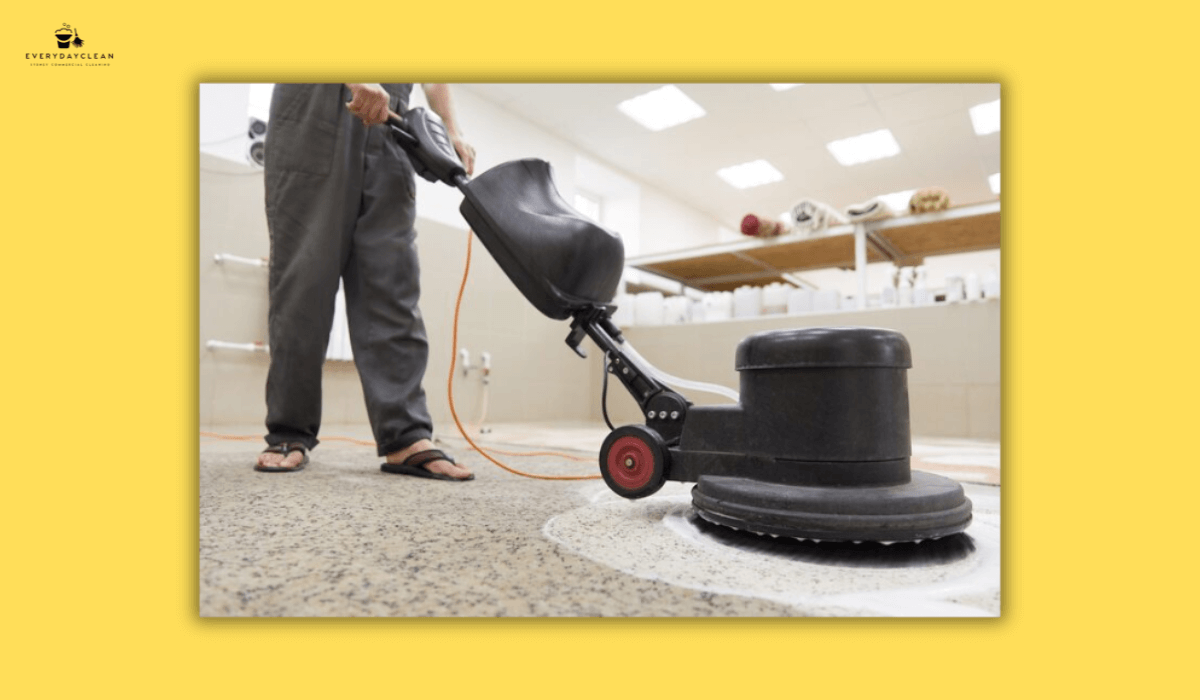
Autoscrubbers - also referred to as floor scrubber dryers - are motorised floor cleaning machines that simultaneously scrub, apply cleaning solution, and vacuum up dirty water. In hospital corridors, entrances, and large ward areas, manual mopping is both time-inefficient and hygienically inconsistent. An autoscrubber eliminates wet floor slip hazards by leaving the floor dry immediately after the pass, a critical safety feature in high-traffic clinical areas.
For hospital environments, key selection criteria include noise output, HEPA filtration, and chemical compatibility. A detailed overview of the hospital floor cleaning products paired with these machines - including neutral germicidal cleaners and enzymatic solutions - is covered separately on the Everyday Clean blog. Machines like the i-mop autoscrubber - widely used in Australian healthcare - operates at low decibel levels to avoid patient disruption during ward cleaning, while delivering 22 kg of brush pressure to remove biofilm from hard floor surfaces. Equipment fitted with HEPA filters ensures that aerosolised particles and fine debris are captured rather than redistributed into clinical air, reducing hospital-acquired infection (HAI) risk from floor-level contamination.
What Role Do HEPA Vacuum Cleaners Play in Hospital Infection Control?
HEPA (High-Efficiency Particulate Air) vacuum cleaners are a non-negotiable piece of hospital cleaning equipment for any area where airborne pathogen management is required. Standard commercial vacuums exhaust fine particles back into the air - a direct cross-contamination hazard in patient rooms, isolation wards, and aged care facilities. HEPA filter vacuums filter particles down to 0.3 microns at 99.97% efficiency, capturing mould spores, dust mite allergens, fine biological debris, and respiratory pathogens.
In Australia, HEPA vacuums are deployed during terminal cleans (deep cleans conducted after a patient discharge or infection outbreak) and in areas housing patients with compromised immune systems, such as oncology wards and transplant units. They are also standard equipment for hard-to-reach surface dusting - bed frames, ceiling vents, curtain rails - where TTS-style dusting systems trap and contain dust rather than dispersing it.
How Are UV-C Disinfection Devices Used as Hospital Cleaning Equipment?
Ultraviolet-C (UV-C) light devices are a supplementary disinfection tool that kills or inactivates microorganisms by disrupting their DNA replication. UV-C disinfection is not a standalone cleaning method - surfaces must be physically cleaned first - but when used as an adjunct to chemical disinfectants, UV-C systems significantly reduce residual pathogen load in high-risk clinical areas.
In Australian hospitals, portable UV-C units are used post-cleaning in operating theatres, isolation rooms, and emergency bays to achieve terminal disinfection. Research cited by infection control bodies confirms UV-C reduces HAI pathogens, including Methicillin-Resistant Staphylococcus aureus (MRSA) and Vancomycin-Resistant Enterococcus (VRE) on treated surfaces. Ceiling-mounted UV-C systems are increasingly integrated into ICU infrastructure. Cleaning teams must follow strict PPE and room-clearance protocols before activating UV-C equipment.
What Are Steam Vapour Cleaners and Why Are They Used in Healthcare?
Steam vapour machines produce superheated dry steam at temperatures exceeding 180°C, achieving simultaneous cleaning, disinfection, deodorisation, and decontamination without the use of harsh chemical agents. In Australian hospitals, steam cleaners are particularly valuable for fabric surfaces - mattresses, curtains, patient chairs, and bed surrounds - where chemical disinfectants either leave residue or cannot safely penetrate porous materials.
The chemical-free nature of steam cleaning makes it a safer option in paediatric wards, aged care rooms, and areas with patients who have chemical sensitivities. Steam vapour breaks down biofilm on hard surfaces and is effective against a broad spectrum of bacteria, viruses, and fungi. Duplex steam cleaning machines, for example, carry the Smart Approved WaterMark certification in Australia, recognising their water-efficient operation - an increasingly important consideration for facilities managing sustainability compliance alongside infection control standards.
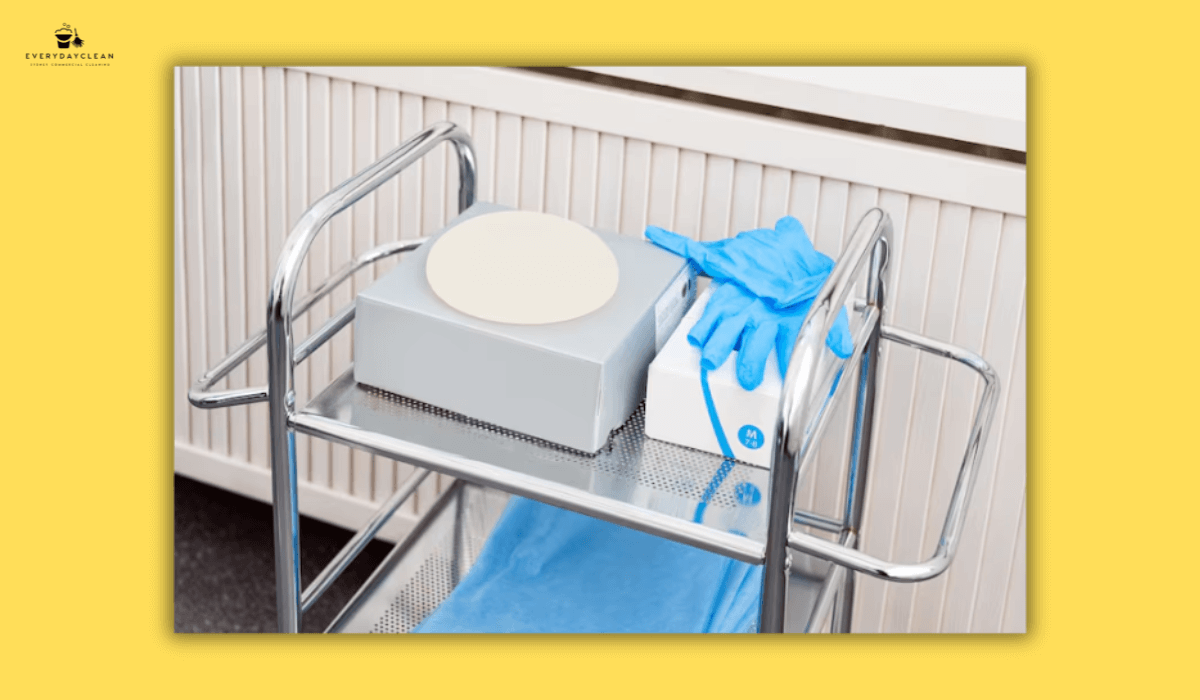
What Hospital-Grade Disinfectants Work with This Equipment?
Hospital cleaning equipment delivers maximum efficacy when paired with the correct chemical agents. The table below outlines the most commonly used disinfectant types across Australian healthcare facilities and their compatibility with different equipment categories.
| Disinfectant Type | Active Ingredient | Best Used With | Risk Zone Application |
|---|---|---|---|
| Quaternary Ammonium Compounds (QACs) | Benzalkonium chloride | Microfibre cloths, spray bottles | General wards, reception, corridors |
| Accelerated Hydrogen Peroxide (AHP) | Hydrogen peroxide | Wipes, trigger sprays | ICU, isolation rooms, operating theatres |
| Sodium Hypochlorite (bleach solutions) | Sodium hypochlorite | Mops, floor scrubbers | Biohazard spills, C. diff areas |
| TGA-listed Hospital-Grade Disinfectants | Varies by product | All surface contact equipment | All clinical zones |
The table above reflects Australian practice aligned with TGA (Therapeutic Goods Administration) registration requirements for hospital-grade disinfectants. Equipment selection must account for chemical resistance - bleach-based solutions can degrade standard plastic and rubber components, making chemical-resistant frames and microfibre products essential for facilities that use hypochlorite protocols.
How Is Hospital Cleaning Equipment Applied Across Different Clinical Zones?
Hospital environments are not uniform - risk levels, traffic patterns, and pathogen profiles vary significantly between zones. The following breakdown reflects how professional hospital cleaning services in Sydney, including Everyday Clean, structure equipment deployment across clinical areas.
- Operating Theatres and Procedure Rooms: Terminal cleaning after each case requires HEPA vacuums, disposable microfibre mops and cloths, TGA-registered AHP or hypochlorite disinfectants, and UV-C adjunct disinfection. No reusable products that have contacted other zones enter this space.
- ICU and Isolation Rooms: Equipment is dedicated per room during a patient's stay. HEPA vacuums, low-noise autoscrubbers, disposable microfibre, and UV-C terminal disinfection are standard. Cleaning frequency is elevated - typically twice daily - with documented ATP (Adenosine Triphosphate) testing used to verify surface cleanliness objectively.
- General Wards and Patient Rooms: Colour-coded microfibre systems, autoscrubbers for floor maintenance, HEPA vacuums for upholstered surfaces and vents, and QAC or AHP-based disinfectants cover routine daily cleans. Terminal cleaning on patient discharge follows ICU-equivalent protocols.
- Corridors, Entrances, and High-Traffic Areas: Ride-on or walk-behind autoscrubbers with fast-drying squeegees handle floor maintenance. Equipment must leave surfaces dry immediately to prevent slip incidents involving staff, patients, and visitors.
- Washrooms and Sanitary Areas: Red-coded microfibre cloths and mops, dedicated scrubbing equipment, and HEPA vacuums (where applicable) maintain these contamination-dense areas. Sharps containers, biohazard waste bins with foot-pedal operation, and hands-free dispensing systems are integrated into the equipment setup.
What Standards Govern Hospital Cleaning Equipment Selection in Australia?
Australian healthcare cleaning standards are governed by a combination of state health department guidelines, national infection control frameworks, and product registration requirements. For a detailed breakdown, Everyday Clean has published a dedicated guide to hospital cleaning standards in Australia covering compliance requirements by facility type. The key standards relevant to hospital cleaning equipment include:
- Australian Guidelines for the Prevention and Control of Infection in Healthcare (NHMRC/ACSQHC, 2019) - the primary national framework covering environmental cleaning, equipment decontamination, and product selection criteria.
- AS/NZS 4187:2014 - the standard for reprocessing reusable medical devices, relevant to any cleaning equipment that contacts clinical instruments.
- TGA Registration - hospital-grade disinfectants used with cleaning equipment must be registered with the Therapeutic Goods Administration and carry an AUST L(A) or ARTG listing.
- Work Health and Safety (WHS) Regulations - govern the safe use of cleaning chemicals and equipment, including PPE requirements for cleaning teams handling biohazardous materials.
Everyday Clean's hospital cleaning teams operate within these regulatory frameworks. All cleaning equipment is checked, maintained, and decontaminated after each shift. ATP testing is used as an objective cleanliness verification method - a 60-second surface measurement that confirms whether cleaning outcomes meet clinical hygiene standards before the area is returned to use.
How Does Everyday Clean Deploy Hospital Cleaning Equipment Across Sydney?
Everyday Clean provides hospital and medical facility cleaning services across Sydney, staffed by 20+ police-checked cleaning professionals with sector-specific training in IPC protocols and equipment handling. The service covers public and private hospitals, aged care facilities, specialist medical centres, and outpatient clinics.
Equipment used across Everyday Clean's healthcare contracts includes colour-coded microfibre systems, HEPA-filtered vacuum cleaners, low-noise autoscrubbers, steam vapour machines for fabric surfaces, and UV-C adjunct disinfection support. All chemical agents are TGA-registered and selected based on zone risk classification and surface compatibility.
Facilities can contact
Everyday Clean directly to request a site assessment and customised equipment plan aligned with their IPC requirements.
FAQs About Hospital Cleaning Equipment
Hospital and facility managers frequently raise specific, practical questions before engaging a professional cleaning service or procuring equipment. The following FAQs address the most common concerns raised by Australian healthcare administrators, infection control practitioners, and procurement teams.
What Is the Difference Between Hospital-Grade and Domestic Cleaning Equipment?
Hospital-grade cleaning equipment is engineered to meet infection control standards that domestic products cannot satisfy. Domestic mops and cloths do not use standardised microfibre density, meaning their pathogen removal rate is unverified and inconsistent. Hospital-grade microfibre products, by contrast, are tested to remove 99.99% of target microbes under controlled conditions and are compatible with bleach, AHP, and QAC disinfectants without degrading. Hospital-grade autoscrubbers use HEPA filtration, chemical-resistant construction, and low-noise motors designed for occupied clinical environments. Domestic vacuum cleaners lack HEPA-grade filtration, actively redistributing fine particles and pathogens into the air during use - a direct infection risk in patient care areas. In Australia, hospital-grade disinfectants also carry TGA registration, which requires validated efficacy data against listed pathogens, unlike domestic cleaning sprays that operate under no such regulatory requirement.
How Often Should Hospital Cleaning Equipment Be Decontaminated or Replaced?
All hospital cleaning equipment must be decontaminated after every shift to prevent cross-contamination between zones and across cleaning cycles. This is not optional - it is a core IPC requirement under the Australian Guidelines for the Prevention and Control of Infection in Healthcare. Microfibre cloths and mop heads are laundered at temperatures above 60°C after each use or disposed of if designated as single-use. Autoscrubbers, trolleys, and machine frames are wiped down with a hospital-grade disinfectant at the end of each shift, with filters checked and replaced per the manufacturer's schedule. HEPA vacuum filters are inspected regularly - blocked filters reduce suction efficiency and can allow pathogen bypass. TTS and Rubbermaid systems include colour-coded maintenance indicators to streamline this process. Equipment that shows degradation in chemical resistance - cracking, surface porosity, or discolouration - must be replaced immediately, as compromised surfaces cannot be fully disinfected.
Is UV-C Disinfection Equipment Enough to Replace Chemical Cleaning in Hospitals?
UV-C disinfection devices are a powerful adjunct tool, not a replacement for chemical cleaning and physical surface contact. The fundamental limitation of UV-C light is line-of-sight dependency - surfaces in shadow, under equipment, or behind bed frames receive no UV-C exposure, leaving pathogen reservoirs intact. The correct clinical workflow is: physical clean first (microfibre and disinfectant to remove biofilm and organic material), followed by UV-C treatment to reduce residual pathogen load on exposed surfaces. Australian infection control guidelines classify UV-C as a supplementary measure within a validated terminal cleaning protocol, not a standalone disinfection method. Facilities that rely solely on UV-C devices without rigorous manual cleaning will fail ATP testing benchmarks and risk-averse outcomes in regulatory audits. Everyday Clean integrates UV-C as a third-stage measure in operating theatre and isolation room terminal cleans, following a full two-stage physical clean.
What Hospital Cleaning Equipment Is Required for Biohazard Spill Management?
Biohazard spill management in an Australian hospital requires a dedicated set of equipment: a biohazard spill kit (containing absorbent granules or gel sachets for fluid solidification, a TGA-registered sporicidal disinfectant, disposable gloves, apron, face shield, and biohazard waste bags), hands-free sharps containers, and step-on or foot-pedal waste bins for contaminated material disposal. Microfibre cloths are not used on biohazard spills - single-use absorbent wipes or paper towels are applied, then double-bagged in labelled biohazard waste. For bodily fluid spills on floors, a combined neutraliser and disinfectant product is applied before any mechanical cleaning takes place. All equipment and PPE used in a biohazard cleanup are disposed of as clinical waste. Staff handling biohazard spills must complete site-specific training under WHS regulations before handling this equipment.
Everyday Clean - Sydney's hospital and medical facility cleaning specialists with 20+ years of experience across public and private healthcare.
Blog