Roof Cleaning Tiles: Methods, Costs & Safety Guide Australia
Roof cleaning tiles removes moss, algae, lichen, and dirt from terracotta, concrete, and clay surfaces using soft washing (300-500 PSI), low-pressure washing (1,200-1,500 PSI), or chemical treatments. Professional services cost $400-$800 for standard homes in Sydney, Melbourne, and Brisbane. Cleaning prevents water damage, extends tile lifespan by 5-10 years, and restores appearance by eliminating organisms that cause cracking, spalling, and structural deterioration.
What Types of Roof Tiles Require Professional Cleaning?
Australian homes feature three primary tile materials, each with distinct porosity levels, structural characteristics, and cleaning requirements:
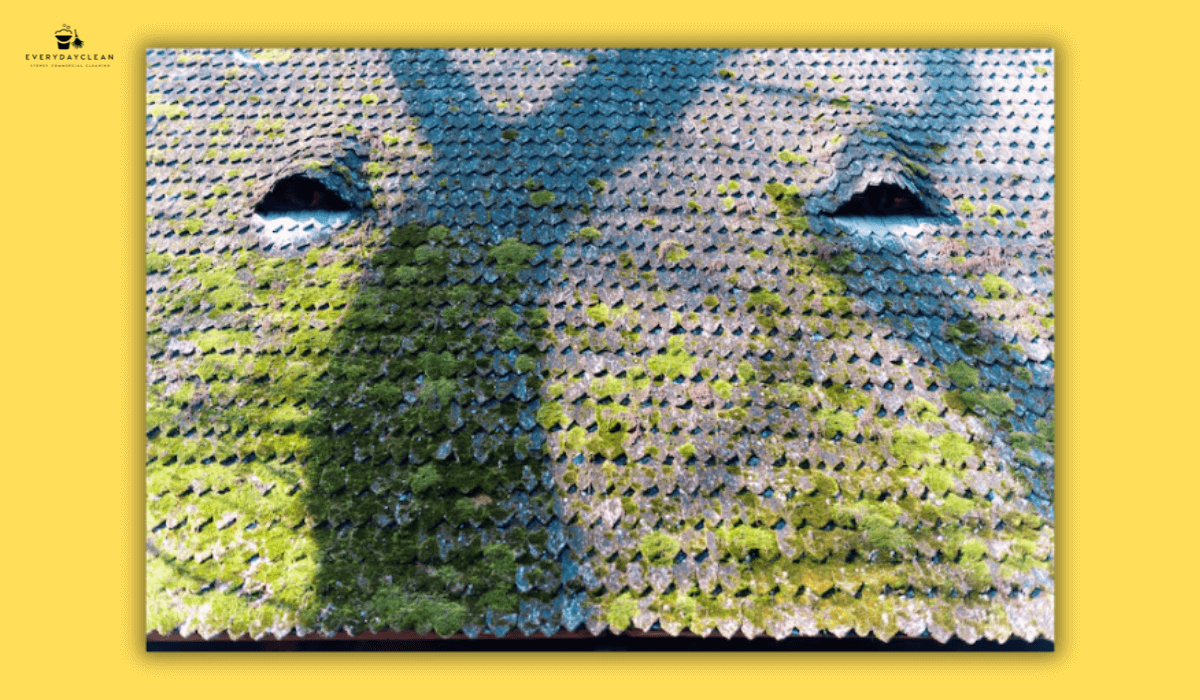
- Terracotta tiles are fired clay products with natural porosity that absorb moisture, creating ideal conditions for moss, lichen, and algae colonization. These tiles reflect solar heat effectively but deteriorate when organic growth traps water against the surface, leading to spalling, surface breakdown, and mortar joint damage. Terracotta roofs in shaded areas or regions with tree coverage accumulate growth faster than sun-exposed surfaces.
- Concrete tiles consist of cement, sand, and pigment additives compressed under high pressure. While more affordable than terracotta, concrete tiles absorb more water due to higher porosity, making them susceptible to moss penetration, surface staining, and accelerated weathering. Concrete roofs benefit from annual or biennial cleaning to prevent embedded growth that becomes progressively harder to remove without aggressive pressure washing.
- Clay tiles share a similar composition with terracotta but undergo different firing processes, resulting in varying density and water resistance. Clay tiles develop black streaks from cyanobacteria (gloeocapsa magma), green patches from moss (bryophytes), and crusty white deposits from lichen organisms. These biological materials produce acids that slowly erode tile surfaces and compromise protective glazes.
South-facing roof sections, areas beneath overhanging trees, and surfaces with poor air circulation accumulate organic growth 2-3 times faster than north-facing sections receiving direct sunlight. Brisbane and Gold Coast properties experience year-round growth due to subtropical conditions, while Melbourne and Adelaide roofs see seasonal growth patterns aligned with winter rainfall.
What Cleaning Methods Work Best for Roof Tiles?
Professional roof cleaning companies employ four primary techniques, selected based on tile material, growth severity, and roof condition:
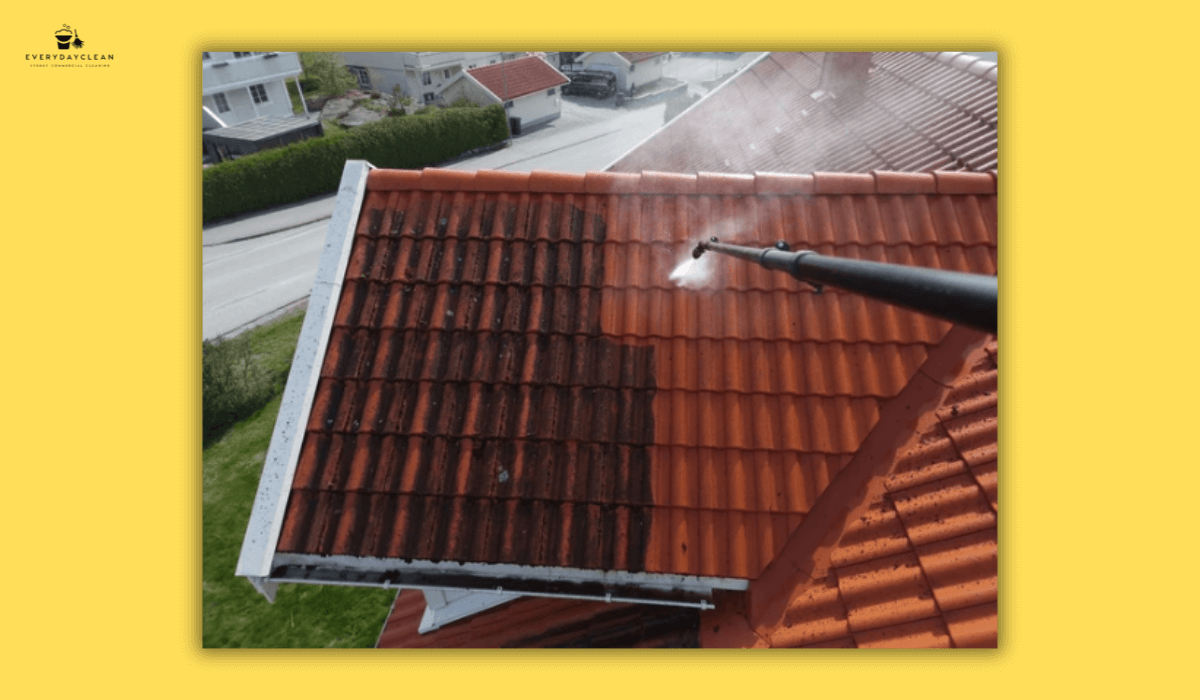
Soft washing applies low-pressure water (below 500 PSI) combined with biodegradable chemical solutions containing sodium hypochlorite, hydrogen peroxide, or quaternary ammonium compounds. This method kills moss spores, algae cells, and lichen organisms at the root level without physical abrasion. Soft washing products remain on the roof surface for 15-60 minutes before rinsing, allowing active ingredients to penetrate growth and break down organic matter. Results appear gradually over 3-5 months as rain naturally washes away dead material.
- Low-pressure washing utilizes water pressure between 1,200 and 1,500 PSI to dislodge dirt, debris, and surface-level growth without cracking tiles or forcing water beneath overlapping sections. Professional operators maintain a nozzle distance of 30-45 cm from tile surfaces and spray at downward angles to prevent water intrusion. This technique works effectively on lightly soiled roofs with minimal moss buildup but may not eliminate deeply embedded lichen without chemical pre-treatment.
- Chemical treatments employ biocidal solutions like Bio-Shield, Wet & Forget, or specialized tile roof cleaners that target specific organisms. These products contain surfactants that improve surface adhesion, allowing solutions to cling to sloped roofs and penetrate porous tile structures. Chemical treatments require no scrubbing or pressure washing, making them ideal for fragile terracotta tiles or roofs with damaged mortar joints. Professional-grade formulations achieve faster results than consumer products due to higher active ingredient concentrations.
- Manual scrubbing involves soft-bristle brushes or nylon brooms to physically remove stubborn moss clumps, lichen colonies, or debris accumulation. This labor-intensive method provides precise control over cleaning pressure and works well for spot-treating heavily affected areas. Manual cleaning carries higher tile breakage risks if operators apply excessive pressure or walk on tile corners rather than overlap points.
Experienced providers offering comprehensive roof cleaning services often combine methods - applying chemical treatment first to kill organisms, waiting 3-4 weeks, then using low-pressure washing to remove dead growth. This two-step approach delivers thorough cleaning while minimizing tile damage risk.
How Often Should Roof Tiles Be Cleaned in Australia?
Cleaning frequency depends on tile material, local climate conditions, surrounding vegetation, and roof orientation:
- Terracotta tiles require professional cleaning every 12-18 months in high-humidity coastal areas like Brisbane, Gold Coast, or Newcastle. Properties surrounded by eucalyptus trees, she-oaks, or other foliage-heavy species benefit from annual cleaning to prevent excessive debris accumulation and moss establishment.
- Concrete tiles maintain appearance with cleaning every 2-3 years in drier climates, but need annual attention in tropical Queensland or high-rainfall regions of Victoria and Tasmania. Concrete's higher porosity makes it more susceptible to embedded staining that becomes permanent if neglected beyond 3 years.
- Clay tiles generally require cleaning every 18-24 months, depending on shade exposure and rainfall patterns. South-facing sections may need spot treatment between full roof cleanings if moss begins colonizing shaded areas.
Visual inspection indicators signaling immediate cleaning needs include green moss patches visible from ground level, black algae streaking down tile faces, white crusty lichen deposits, accumulated leaf debris in valleys, or discoloration changing the roof's original color. Waiting until growth becomes severe increases cleaning costs by 30-50% as contractors require stronger chemical concentrations and multiple treatment applications.
Regular maintenance cleaning (light chemical application at first signs of regrowth) costs less and preserves tile integrity better than infrequent deep cleaning requiring aggressive methods. Properties with clear gutters, trimmed overhanging branches, and adequate roof ventilation extend time between professional cleanings by reducing moisture retention and organic matter accumulation.
What Safety Risks Exist When Cleaning Roof Tiles?
Roof tile cleaning presents significant safety hazards requiring proper equipment, training, and precautions:
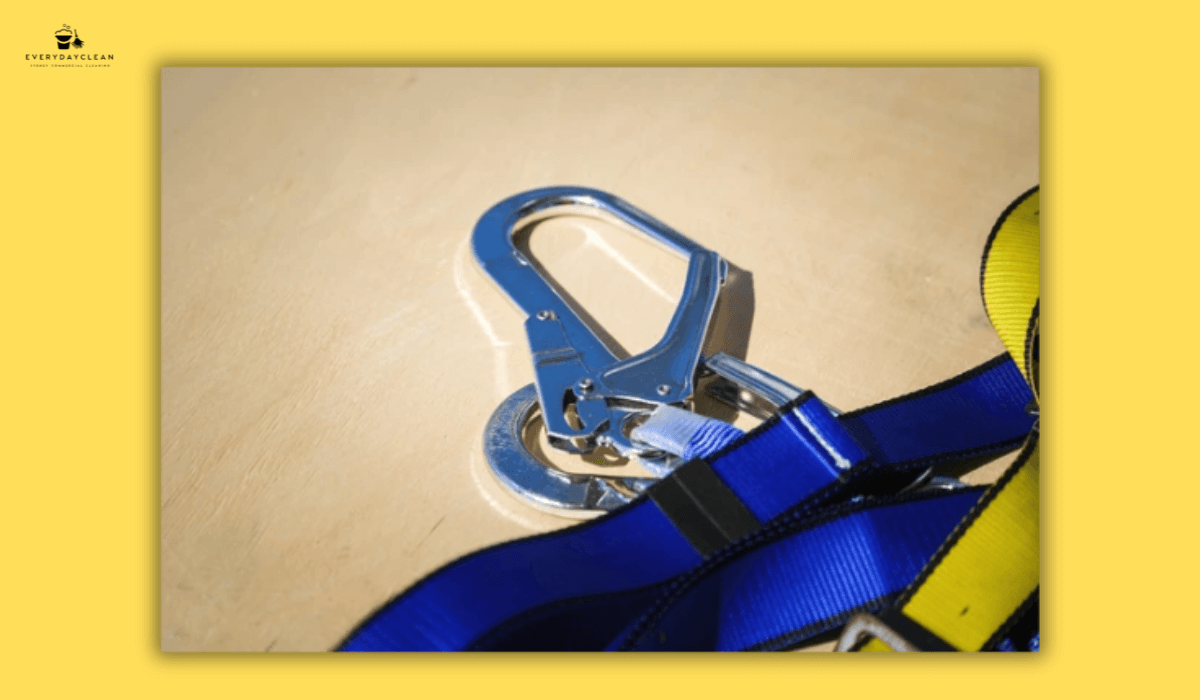
- Fall hazards represent the primary injury risk, particularly on wet tile surfaces that become extremely slippery during cleaning operations. Professional contractors use safety harnesses anchored to structural roof elements, install temporary guard rails, and wear non-slip footwear with rubber soles. DIY attempts account for the majority of roof-related falls requiring emergency medical treatment.
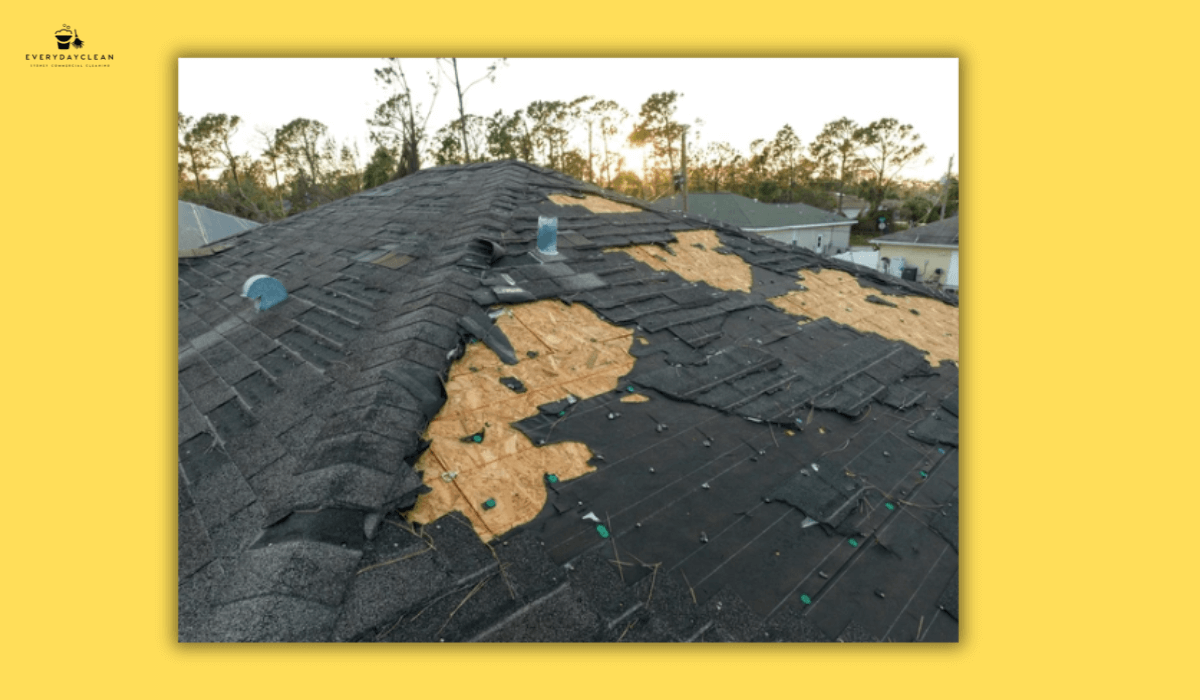
- Tile breakage occurs when weight concentrates on tile edges, corners, or unsupported sections rather than overlap points where battens provide structural backing. Terracotta tiles crack easily under point loads exceeding 100 kg, while concrete tiles withstand more weight but still fracture if walked on incorrectly. Broken tiles create immediate leak risks and cost $150-$300 per square meter to replace, including labor.
- Chemical exposure to cleaning solutions containing sodium hypochlorite (bleach), acids, or caustic compounds causes skin burns, eye damage, or respiratory irritation without proper protective equipment. Runoff from chemical treatments damages surrounding landscaping, kills grass, and harms pets if not properly managed through plant coverage, watering protocols, and drainage control.
- Electrical hazards arise near solar panels, overhead power lines, or roof-mounted equipment. Metal ladders contacting electrical infrastructure cause electrocution risks, while wet conditions increase conductivity dangers.
Professional roof cleaning companies carry public liability insurance (minimum $10 million coverage), workers' compensation, and hold Australian Building Services Contractor licenses. Licensed operators understand proper ladder placement on different roof pitches, recognize structural warning signs like deteriorated battens or failed flashings, and employ fall protection systems meeting Australian Work Health and Safety regulations.
How Much Does Professional Roof Tile Cleaning Cost?
Australian roof cleaning prices vary by location, roof size, tile type, and service scope:
| Service Type | Roof Size | Price Range | Details |
|---|---|---|---|
| Standard Residential | 150-250 sqm | $400-$800 | Soft washing or chemical treatment, moss/algae removal, low-pressure rinsing, gutter debris clearing |
| Large Homes | 250-400 sqm | $800-$1,500 | Includes two-story access, scaffolding, and elevated work platforms |
| Terracotta Cleaning | Per sqm | $2.50-$4.00 | Gentle techniques, extended treatment time |
| Concrete Tile Cleaning | Per sqm | $2.00-$3.50 | Standard cleaning process |
| Soft Wash Treatment | Standard home | $400-$600 | Chemical application may require follow-up in 6-12 months |
| Comprehensive Package | Standard home | $800-$1,200 | Pressure washing, chemical treatment, protective sealer, 2-3 years protection |
| Gutter Cleaning Add-on | - | $150-$300 | Additional service |
| Roof Tile Sealing | Average home | $1,000-$2,500 | Protective coating application |
| Roof Painting | Average home | $3,000-$8,000 | Complete color restoration |
Brisbane and Gold Coast prices run 10-15% higher than Sydney or Melbourne due to year-round demand driven by subtropical climate conditions promoting constant organic growth. Rural areas outside major cities may charge travel fees of $100-$200 for properties beyond standard service zones.
When comparing quotes from different cleaning service providers, evaluate treatment methods, warranty periods, insurance coverage, and whether the price includes gutter cleaning or additional protective treatments.
What Causes Roof Tiles to Get Dirty and Develop Moss?
Understanding growth mechanisms helps homeowners implement preventive measures:
- Moss organisms (bryophytes) establish on porous tile surfaces when moisture remains present for 6-8 hours daily. Spores carried by wind land on tiles, absorb water from rain or dew, and develop root-like structures (rhizoids) that penetrate surface irregularities. Moss colonies retain moisture against tile surfaces, creating favorable conditions for expansion and preventing proper drainage.
- Algae growth, particularly cyanobacteria species like Gloeocapsa magma, produces dark streaking on tile faces. These organisms feed on atmospheric moisture and airborne nutrients, secreting protective pigments that appear as black or dark green stains. Algae spreads rapidly in humid coastal environments and shaded roof sections.
- Lichen represents symbiotic combinations of fungi and algae, forming crusty white, yellow, or orange patches. Lichen organisms produce acids that chemically attack tile surfaces, causing surface pitting, glaze deterioration, and accelerated weathering. Once established, lichen proves extremely difficult to remove without chemical treatments targeting both fungal and algal components.
- Environmental factors accelerating growth include tree proximity providing shade and dropping organic debris, high relative humidity (above 70%) extending surface moisture periods, poor roof ventilation trapping humid air, and north or south-facing orientations receiving less direct sunlight for drying.
- Tile porosity directly correlates with growth susceptibility - unsealed terracotta absorbs 8-15% water by weight, creating ideal moisture conditions for organism colonization. Glazed tiles resist growth better but still accumulate dirt and airborne pollutants that provide nutrients for biological establishment.
Sydney's harbor areas, Brisbane's bayside suburbs, and Melbourne's coastal regions experience faster roof soiling due to salt air, higher humidity, and temperature fluctuations, promoting condensation. Inland properties in drier climates like western Sydney or Adelaide see slower growth but still require regular cleaning to prevent dust, pollen, and pollution buildup.
Should You DIY or Hire Professional Roof Cleaning Services?
Evaluating DIY versus professional cleaning requires assessing safety capabilities, equipment access, and long-term cost implications:
- DIY advantages include immediate cost savings of $400-$800, schedule flexibility, and direct control over cleaning thoroughness. Homeowners with single-story homes, gentle roof pitches (under 20 degrees), and confidence working at heights can attempt basic cleaning using soft-bristle brushes, garden hose attachments, and consumer-grade moss treatments.
- DIY disadvantages encompass significant fall injury risks, tile damage from improper walking patterns or excessive pressure, incomplete growth removal requiring repeat treatments, chemical handling hazards, and potential insurance policy violations. Many homeowners' insurance policies exclude coverage for DIY roof maintenance injuries or damage, creating liability exposure. Garden hose pressure (40-60 PSI) proves insufficient for effective cleaning, while consumer pressure washers (1,500-3,000 PSI) often exceed safe limits for tile surfaces.
- Professional advantages include comprehensive insurance coverage, proper safety equipment and training, access to commercial-grade cleaning solutions unavailable to consumers, the ability to identify and report structural issues like cracked tiles or failed flashings, and warranty guarantees on workmanship. Licensed contractors complete average residential roof cleaning in 2-4 hours versus DIY attempts requiring full days or multiple weekends.
- Professional disadvantages center on higher immediate costs and scheduling requirements during peak season (spring and autumn) when contractors experience 4-6 week booking delays.
Risk assessment favors professional services for two-story homes, steeply pitched roofs, elderly or mobility-limited homeowners, properties with significant moss/lichen buildup, or roofs requiring repairs. DIY approaches suit low-slope, single-level homes with light soiling where chemical spray-and-wait treatments provide adequate results without roof access.
FAQs about Roof cleaning tiles
What is the safest pressure setting for cleaning roof tiles?
Safe pressure ranges between 1,200-1,500 PSI for concrete tiles and below 1,000 PSI for terracotta. Professional soft washing operates at 300-500 PSI, using chemical solutions rather than pressure for cleaning. Exceeding 2,000 PSI forces water beneath tiles, cracks terracotta, and damages mortar joints.
How long does chemical roof cleaning take to show results?
Chemical treatments show initial results in 7-14 days as moss turns brown, with complete cleaning taking 3-6 months as rain washes dead growth away. Professional products deliver results in 4-8 weeks compared to consumer products requiring up to 12 months. High-rainfall areas see faster results than drier regions.
Can roof cleaning damage tiles or cause leaks?
Improper techniques damage tiles through excessive pressure (above 2,000 PSI), incorrect walking patterns, or harsh chemicals. High-pressure washing cracks terracotta, forces water beneath overlaps, causing leaks, and strips protective glazes. Professional soft washing eliminates these risks through proper training and appropriate equipment selection.
What is the difference between soft washing and pressure washing roof tiles?
Soft washing uses low-pressure water (below 500 PSI) with chemical solutions that kill organisms without force, showing results over 3-6 months. Pressure washing employs 1,200-3,000 PSI water force to physically remove growth immediately, but risks tile cracking and water intrusion. Soft washing suits terracotta; pressure washing suits durable concrete only.
How do you clean terracotta roof tiles without causing damage?
Apply biocidal solution (3-5% sodium hypochlorite or hydrogen peroxide cleaners) using low-pressure sprayers, allow 15-60 minute dwell time, then rinse with garden hose pressure (40-60 PSI). Walk only on tile overlap points where battens provide support. Alternatively, use spray-and-wait treatments that eliminate roof access, letting rain wash away dead growth over 3-6 months.
Keeping Australian Roof Tiles Strong and Weather-Ready
Maintaining clean roof tiles protects one of the most significant structural investments in Australian properties. Regular professional cleaning using soft washing, low-pressure techniques, or chemical treatments removes damaging organisms before they compromise tile integrity, cause water leaks, or require expensive replacements. Terracotta, concrete, and clay tiles each demand specific cleaning approaches that balance effectiveness with surface preservation, making professional expertise valuable for long-term roof maintenance.
Sydney homeowners benefit from scheduling roof inspections and cleaning every 12-24 months, depending on tile type, surrounding vegetation, and local climate conditions. Coastal properties, shaded roofs, and areas with heavy tree coverage require more frequent attention to prevent moss, algae, and lichen establishment. Professional cleaning services provide insurance coverage, safety equipment, commercial-grade solutions, and warranty-backed workmanship that DIY approaches cannot match - particularly for two-story homes or roofs with steep pitches.
Investing $400-$800 in professional roof tile cleaning extends tile lifespan by 5-10 years, prevents structural water damage costing thousands in repairs, and maintains property value through improved curb appeal. For comprehensive roof cleaning services backed by 20+ years of experience and trained professionals, contact specialists who understand Australian tile roofs and deliver consistent, safe results.
Author: Everyday Clean Content Team
About the Author:
The Everyday Clean Content Team brings together experienced cleaning professionals with over 20 years of hands-on industry knowledge across residential and commercial services in Australia. The team specialises in roof cleaning, pressure cleaning, gutter maintenance, and exterior property care, with a strong focus on safety, surface protection, and long-term maintenance outcomes. Every guide is written based on real-world service experience, Australian building conditions, and proven cleaning methods to help property owners make informed decisions and protect their investments with confidence.
Blog