10-Step Wheelchair Cleaning Checklist for Safe Hygiene
A wheelchair cleaning checklist provides a structured, cleaning-led method for removing dirt, bacteria, sweat, oils, and environmental residue from every part of a manual or electric wheelchair. Because wheelchairs move through indoor floors, outdoor pavements, bathrooms, vehicles, medical facilities, and community spaces, they accumulate contaminants that affect hygiene, safety, and user comfort. A consistent cleaning routine prevents odours, reduces infection risk, supports skin health, and ensures smooth mobility performance. This guide outlines a fully optimized wheelchair cleaning checklist supported by detailed steps, safety considerations, upholstery care, electronics guidance, and drying techniques. It is suitable for wheelchair users, caregivers, NDIS support workers, aged care providers, and workplaces that maintain mobility equipment. For more professional cleaning support, you can explore trusted services at Everyday Clean.
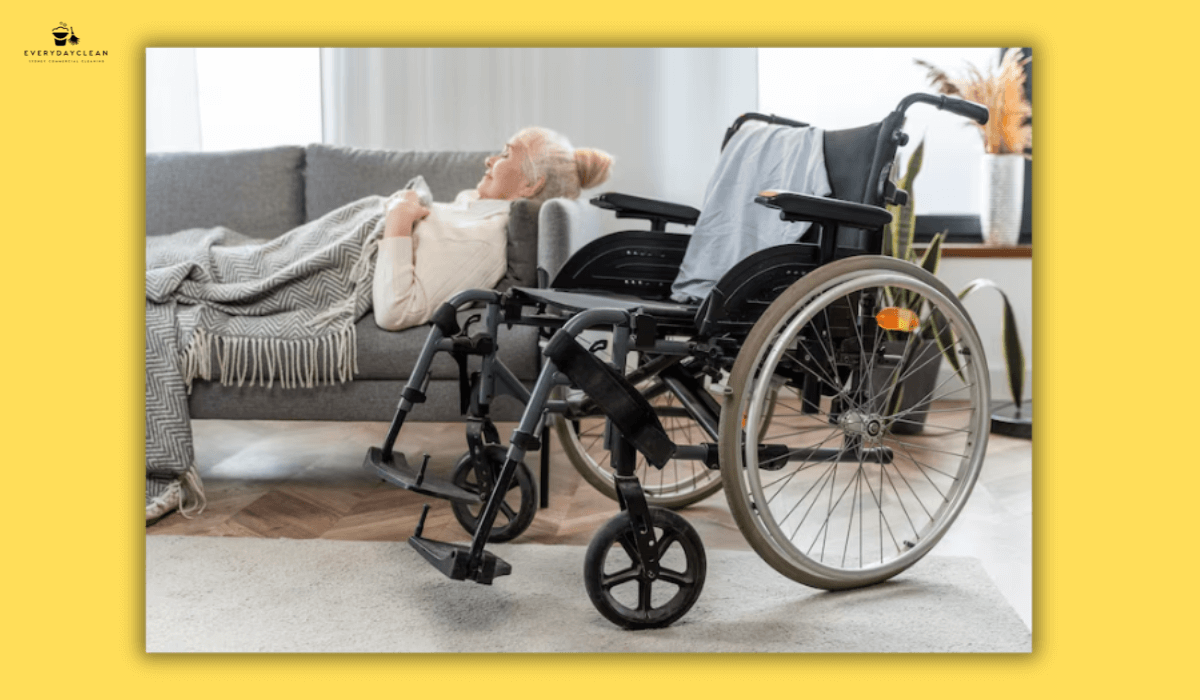
The checklist below forms the structural foundation of the cleaning routine and highlights all major areas that require regular hygiene attention. It identifies wheels, tyres, rims, spokes, upholstery, cushions, armrests, controls, and frame components that accumulate dirt over time. By following this sequence, users and carers can prevent hidden buildup in mechanical parts, reduce bacterial transfer from high-touch surfaces, and maintain the wheelchair’s performance in daily life. This checklist is adaptable to manual and electric wheelchairs, as well as pediatric, bariatric, tilt-in-space, and rigid-frame mobility devices.
Wheelchair Cleaning Checklist (Primary Section)
A comprehensive wheelchair cleaning checklist ensures all critical hygiene zones receive consistent attention. Before reviewing the bullet list, it is helpful to understand why each area appears in the sequence. Wheels and tyres collect dirt and outdoor contaminants, making them the most frequently soiled components. Upholstery, cushions, and belts interact with the user’s skin and clothing, requiring regular sanitization to prevent irritation or infection. High-touch areas such as armrests and push handles accumulate oils and bacteria. Caster wheels and axles trap fibres that affect mobility. Electronic controls require moisture-restricted cleaning methods. Structural components collect dust in crevices. Together, these tasks form a systematic workflow that prevents overlooked areas and supports long-term wheelchair hygiene and performance.
If you are an NDIS participant or caregiver looking for professional support, you can view dedicated service options on our NDIS cleaning service.
Full Wheelchair Cleaning Checklist
- Inspect the wheelchair for dirt buildup and visible issues
- Remove cushions and detachable components
- Clean wheels, tyres, rims, and spokes
- Remove debris from axles and caster forks
- Clean high-touch surfaces and push handles
- Clean controls, joysticks, and electronic interfaces
- Sanitize armrests, footplates, and belts
- Clean upholstery and fabric or vinyl seats
- Clean cushions, inserts, and covers
- Clean frame, joints, and structural components
- Clean caster wheels and reposition as needed
- Dry all components completely
- Apply lubrication if recommended
- Reassemble components
- Perform a safety and mobility check
This checklist forms the backbone of the cleaning process and is expanded into a detailed, step-by-step method below.
How to Complete a Wheelchair Cleaning Checklist: 10-Step Method
A structured cleaning sequence is essential to achieve consistent results and avoid cross-contamination. Following the 10 steps ensures that each part is cleaned in the correct order, that fabric and electronic components remain protected, and that the wheelchair is reassembled safely.
1. Inspect the Wheelchair and Prepare the Cleaning Area
Inspection is a critical first step because it reveals dirt buildup, loose components, damage, or areas needing additional attention. Begin by evaluating the wheels, upholstery, armrests, footplates, joystick controls, and frame. Look for mud on tyres, fibres wrapped around caster forks, stains on cushions, or wear on belts. Preparation is equally important: choose a cleaning area with firm ground, good lighting, and ventilation. Gather cleaning supplies such as mild detergent, microfibre cloths, disinfectant wipes, upholstery cleaners, soft brushes, and electronics-safe sprays. This preparation protects floor surfaces, prevents moisture spread, and allows for efficient cleaning without interruption.
2. Remove All Detachable Cushions, Armrests, and Accessories
Removing detachable components exposes hidden areas where dirt and bacteria accumulate. Wheelchairs often trap debris under cushions, inside seat bases, beneath armrests, and around detachable footrests. Remove cushions, covers, padded inserts, armrests (if detachable), belts, footplates, storage trays, and side guards. This step makes the cleaning process safer by allowing each surface to be cleaned separately and prevents moisture from becoming trapped under components during drying. It also helps identify early signs of wear, such as fraying straps or cracked cushion covers, which can affect user comfort and safety. Removing components ensures every surface receives thorough cleaning.
3. Clean Wheels, Tyres, Rims, and Spokes
Wheels and tyres collect the most dirt because they contact outdoor surfaces. Begin by scrubbing the tyres with mild detergent and warm water to remove mud, dust, sand, and residue. Use a soft brush to clean treads thoroughly. Wipe rims and push rims, removing hand oils and dirt from daily use. For manual wheelchairs with spokes, clean between each spoke to prevent grime accumulation. Pay attention to caster wheels, as they pick up fibres, hair, and debris that affect steering. Clean caster housings and check for damage or wobbling. Consistent wheel cleaning improves mobility performance and hygiene.
4. Remove Debris from Axles, Bearings, and Caster Forks
Axles and bearings trap debris that can hinder movement. Use tweezers, soft brushes, and cloths to remove hair, string, and fibres wrapped around axle ends, caster forks, and wheel mounts. Dirt in these areas increases resistance, reduces turning accuracy, and accelerates wear on bearings. Cleaning these areas prevents long-term damage and ensures the wheelchair rolls smoothly. After removing debris, wipe components with a damp cloth and dry thoroughly. Inspect bearings for signs of corrosion or stiffness; if movement feels restricted, they may require lubrication or replacement according to manufacturer recommendations. Keeping axles and casters clean supports safe mobility.
5. Clean and Disinfect High-Touch Surfaces
High-touch areas accumulate bacteria quickly because they come into contact with hands, skin, and clothing throughout the day. Clean push handles, armrests, seat belt buckles, brake levers, footplates, side guards, headrests, and any commonly touched accessory. Use disinfectant wipes or diluted cleaning solutions safe for these surfaces. Avoid harsh chemicals that damage coatings or rubberised areas. For users with sensitive skin, hypoallergenic or plant-based disinfectants reduce irritation. Cleaning high-touch areas improves hygiene, prevents odours, and reduces the risk of transferring germs from one environment to another. This step is particularly important in healthcare, aged care, and shared environments.
6. Clean Controls and Electronics (Electric Wheelchairs Only)
Electric wheelchairs require a moisture-restricted cleaning approach to protect circuits and sensors. Begin by turning off the device and disconnecting the charger. Wipe joystick knobs, buttons, screens, and control panels with a lightly damp microfiber cloth. Never spray liquid directly. Electronics-safe cleaning wipes are useful for removing oils, sweat, and fingerprints without damaging protective coatings. Clean battery covers and surrounding areas carefully, avoiding gaps and openings. Inspect wiring for dust accumulation and wipe surfaces gently. Maintaining clean electronics improves responsiveness, prevents malfunctions, and enhances the safety of electric wheelchairs in daily use.
7. Clean Upholstery, Vinyl Surfaces, and Fabric Seats
Upholstery requires attention to material type. Vinyl seats should be cleaned with mild detergent and disinfected to remove sweat, oils, and bacteria. Fabric upholstery must be vacuumed first to lift dust and debris before applying upholstery-safe cleaning solutions. Spot-clean stains using cloth-safe products and avoid soaking foam. Remove cushion covers when possible and wash according to care instructions. Inspect foam inserts for moisture, odours, or signs of degradation. Upholstery cleanliness impacts comfort, skin health, and odour control, making this a crucial part of the cleaning checklist.
8. Clean Cushions, Inserts, and Structural Components
Cushions and structural components support posture, stability, and overall comfort. Begin by cleaning cushion covers thoroughly and sanitising the surfaces that make direct contact with users. Foam inserts should be aired out to eliminate odours and checked for moisture. For structural components, wipe the frame, crossbars, hinges, and under-seat supports with a damp cloth and mild soap. Dirt often settles in joints and crevices, making these areas important to clean. Dry all parts completely to prevent corrosion. This step ensures both user comfort and the reliability of weight-bearing components.
9. Dry All Parts Thoroughly to Prevent Mould and Corrosion
Drying is one of the most important steps because trapped moisture leads to rust, mould growth, upholstery degradation, and unpleasant odours. Use dry towels to remove excess water from all surfaces and allow airflow to assist in drying fabric areas. Fans can speed up the process. For cushions, ensure foam inserts are fully dry before reassembly. Avoid prolonged direct sunlight as it may fade materials or cause stiffness. Electric wheelchairs require extra caution to ensure all electronic areas remain completely dry. Proper drying protects materials, extends wheelchair longevity, and ensures hygiene is maintained.
10. Reassemble Components and Perform a Safety Check
Once all parts are completely dry, reassemble the wheelchair carefully. Ensure that cushions, armrests, belts, footplates, and detachable accessories are securely fastened. Test wheel rotation, brake function, caster stability, and folding mechanisms. For electric wheelchairs, check joystick responsiveness and confirm that all control panel buttons operate correctly. A final inspection ensures the wheelchair is safe, hygienic, and ready for use. Completing the cleaning routine with a safety check guarantees that mobility performance is not compromised and that users can rely on the wheelchair in everyday environments.
Manual vs Electric Wheelchair Cleaning Differences
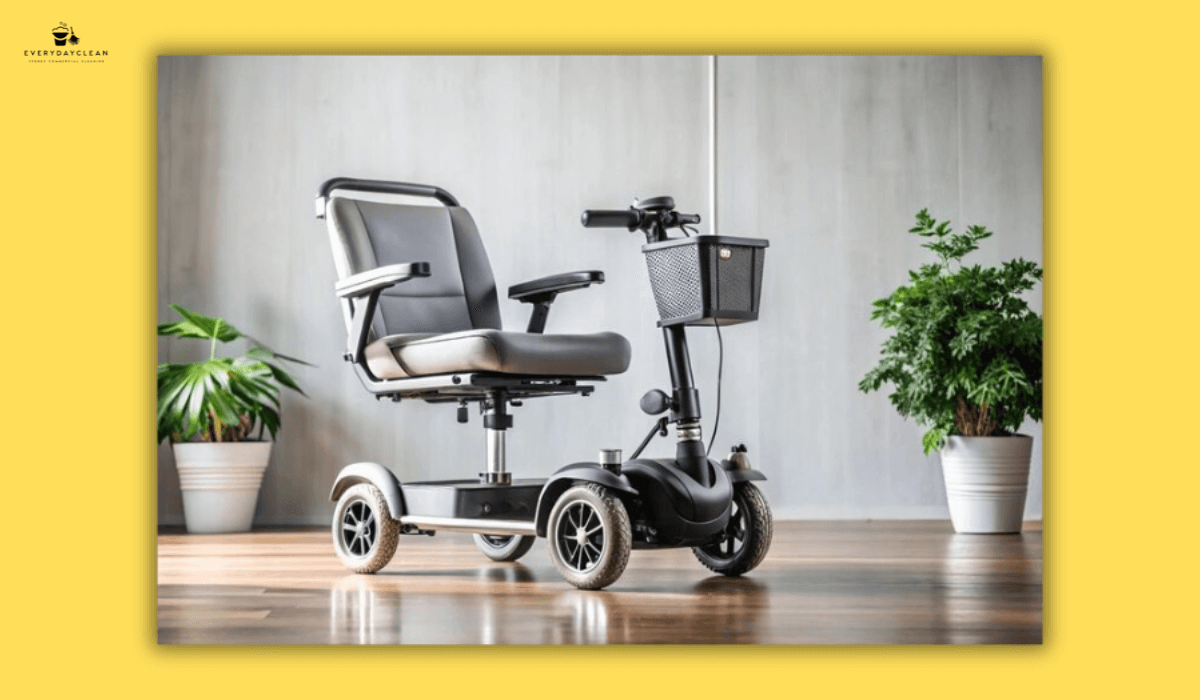
Manual and electric wheelchairs require different cleaning approaches due to variations in structure, materials, and functional components. Manual wheelchairs, with fewer electronic elements, allow deeper scrubbing on wheels, spokes, and frame surfaces. They withstand more water exposure and permit easier disassembly. Electric wheelchairs contain motors, battery systems, sensors, and joysticks that must be cleaned using moisture-restricted techniques. Electronics-safe wipes, dry cloths, and controlled cleaning motions prevent water infiltration. Understanding these differences prevents accidental damage, ensures safe operation, and maintains the longevity of each wheelchair type. This knowledge helps users and caregivers clean confidently based on the wheelchair’s design.
Wheelchair Cleaning Tips for Caregivers
Caregivers play an essential role in maintaining wheelchair hygiene for users who depend on mobility support in daily life. Developing a structured cleaning routine improves comfort, reduces infection risk, and ensures mobility components function safely. Caregivers should schedule weekly wipe-downs, monthly deep cleans, and immediate cleaning after exposure to mud or spills. Keeping a small portable cleaning kit allows caregivers to manage hygiene on the go. Additional tips include inspecting cushions regularly, checking wheel treads for debris, and monitoring upholstery for moisture. These habits ensure a consistent cleaning routine that supports user health and mobility confidence.
Eco-Friendly Cleaning Supplies for Wheelchairs
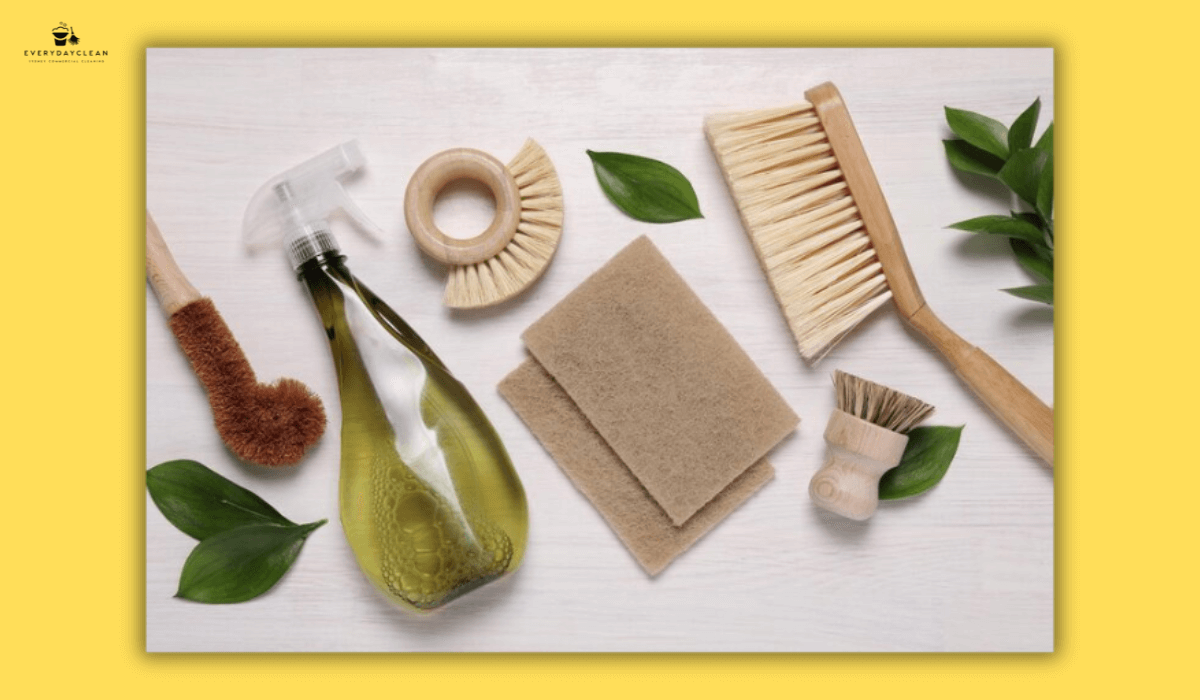
Eco-friendly cleaning supplies reduce chemical exposure, support sensitive skin, and promote healthier indoor environments. Many wheelchair users prefer plant-based disinfectants, biodegradable detergents, and natural deodorizing sprays to avoid harsh ingredients. Microfibre cloths provide effective cleaning with minimal product use, making them environmentally efficient. HEPA-filter vacuums help remove allergens from fabric upholstery. Reusable cleaning tools reduce waste and support sustainability. Using eco-friendly supplies is beneficial for homes, healthcare settings, and shared environments where chemical sensitivity or air quality concerns may arise. These products offer safe, effective cleaning without compromising hygiene.
FAQs About Wheelchair Cleaning Checklist
To address common concerns and guide users and caregivers, here are frequently asked questions about wheelchair cleaning.
How to thoroughly clean a manual wheelchair step by step?
A thorough manual wheelchair cleaning begins with removing detachable parts to expose hidden areas. Wheels and tyres should be scrubbed with mild detergent to remove mud and outdoor debris, and rims must be wiped clean to eliminate hand oils. Caster wheels require special attention as fibres and hair can become lodged around bearings. The frame should be wiped with soap and water, focusing on joints where dust accumulates. Upholstery must be cleaned based on material guidelines, ensuring cushions and covers are completely clean. Finally, reassemble all components and conduct a safety check. This ensures hygiene, comfort, and reliable performance.
What are the best cleaning products for wheelchairs?
The best cleaning products depend on the wheelchair’s materials and the user's needs. Mild detergents effectively clean frames, tyres, and rims without damaging protective finishes. Plant-based disinfectants are suitable for high-contact surfaces such as armrests and push handles. Upholstery requires fabric-safe stain removers or vinyl-compatible wipes, depending on the seat type. For electric wheelchairs, electronics-safe cleaners are essential to avoid moisture damage. Microfibre cloths lift dirt without scratching surfaces. Avoid bleach, alcohol-heavy cleaners, or solvent-based sprays as they degrade rubber, fade upholstery, and corrode metal components. Choosing appropriate products preserves longevity and ensures effective hygiene.
What is the importance of regular wheelchair hygiene?
Regular wheelchair hygiene prevents the accumulation of bacteria, allergens, sweat, and environmental contaminants. Wheelchairs contact various surfaces throughout the day, making them susceptible to germ buildup. Poor hygiene increases the risk of skin irritation, infection, and odour—especially for long-term users or those with sensitive skin. Clean wheels improve manoeuvrability, while sanitized armrests and controls enhance daily comfort. Upholstery cleanliness reduces respiratory irritants. Routine cleaning also prevents mechanical issues caused by debris in axles or caster wheels. A consistent cleaning schedule supports a healthier user experience and extends the life of the wheelchair.
What are the differences between manual vs electric wheelchairs?
Manual wheelchairs are easier to clean because they have fewer electronic components. They allow users and caregivers to scrub wheels, deep-clean spokes, wash frames, and apply mild detergent more freely. In contrast, electric wheelchairs contain motors, sensors, control panels, and wiring that require moisture-restricted cleaning. Joysticks and screens must be wiped with electronics-safe cloths, and liquids should never be sprayed directly. Electric wheelchairs may require professional servicing for internal cleaning. These differences affect cleaning technique, product choice, and drying methods. Understanding them prevents accidental damage and ensures safe maintenance for each wheelchair type.
How to clean specific wheelchair parts like wheels and upholstery?
Cleaning wheels begins with scrubbing tyres to remove mud and debris, followed by wiping rims to eliminate oils and residue. Caster wheels require special attention because fibres can lodge around forks and bearings. Upholstery cleaning depends on material type: vinyl can be wiped with gentle detergent and disinfected, while fabric upholstery must be vacuumed before using stain-safe cleaners. Cushions should be checked for moisture and sanitized regularly. Armrests, push handles, and footplates should also be disinfected as they frequently contact hands and clothing. Thorough part-specific cleaning ensures comfort, hygiene, and long-term wheelchair function.
How often should a wheelchair be cleaned for optimal hygiene?
Wheelchairs should undergo weekly cleaning focused on high-touch areas, wheels, and upholstery surfaces. Monthly deep cleaning is recommended to remove embedded dirt, prevent odours, and address debris in axles, caster wheels, and structural components. Users who travel outdoors frequently may require more frequent cleaning due to increased dirt exposure. Electric wheelchairs may need additional cleaning for control panels and joystick interfaces. Cushions and fabric components benefit from weekly sanitization. Regular cleaning prevents bacterial buildup, maintains mobility performance, and reduces long-term wear. A consistent routine ensures safe, comfortable wheelchair use.
How to sanitize wheelchair cushions and armrests?
Sanitizing cushions and armrests involves identifying cleaning products appropriate for each material type. Vinyl cushions can be wiped with disinfectant-safe solutions, while fabric cushions require textile-safe sprays and thorough drying. Cushion covers should be washed according to care labels, and foam inserts must be checked for moisture retention. Armrests accumulate oils and bacteria and must be disinfected regularly. For users with sensitive skin, plant-based cleaning agents may reduce irritation. Proper sanitization eliminates odours, prevents bacterial growth, and enhances overall comfort. Frequent cleaning maintains hygiene and extends cushion lifespan.
What are effective drying techniques after wheelchair cleaning?
Effective drying techniques include towel-drying large surfaces, using gentle airflow for upholstery, and allowing indirect sunlight to assist with deodorizing. Ensure cushions, foam inserts, caster forks, and structural joints are completely dry before reassembling the wheelchair. Electric components require special care to avoid moisture retention, particularly around control panels and battery housings. In humid environments, fans or dehumidifiers may prevent mould growth. Proper drying protects materials from rust, mildew, and odour development. Thorough drying is essential for maintaining hygiene and preserving wheelchair integrity.
Is there a checklist for wheelchair maintenance and cleaning?
A wheelchair maintenance and cleaning checklist includes cleaning wheels and rims, sanitizing high-contact surfaces, washing upholstery, checking tyre pressure, tightening screws, inspecting wheel alignment, cleaning caster forks, and lubricating joints if recommended. Maintenance supports both hygiene and performance, reducing the risk of mechanical issues or unexpected failures. Following a structured checklist ensures consistent care and allows users or caregivers to identify wear and tear early. Regular maintenance extends the wheelchair’s lifespan and contributes to safer, more reliable mobility.
Final Notes on Using the Best Wheelchair Cleaning Checklist
A well-designed wheelchair cleaning checklist supports hygiene, comfort, and mobility performance. By following the checklist structure, completing each step thoroughly, using appropriate products, and ensuring all components dry correctly, users and caregivers can maintain safe and sanitary wheelchairs. Consistent cleaning prevents odours, reduces infection risks, extends equipment life, and supports better daily mobility. A structured routine ensures that wheelchairs remain dependable and comfortable in all settings. For more tips on accessible cleaning, see our related guide on NDIS window cleaning.
Blog