How to Keep Garage Gym Clean: Expert Cleaning Tips
A garage gym offers unmatched convenience, but it also comes with unique cleaning challenges. Knowing how to keep a garage gym clean is essential to prevent odour buildup, sweat residue, and dust that damages both your equipment and motivation. This guide breaks down practical strategies for daily maintenance, garage floor cleaning, gym bench disinfection, and keeping a dust-free garage gym environment—without touching on any health-related content.
Set Up a Cleaning-Friendly Garage Gym Environment
The cleanliness of a garage gym begins with how the space is arranged. This section outlines foundational steps that make ongoing maintenance more effective and less time-consuming.
- Install rubber mats or sealed flooring for easier sweeping and mopping. Bare concrete attracts dust and absorbs grime.
- Ensure good airflow with openable windows, vents, or fans to reduce humidity that can lead to damp surfaces.
- Declutter corners and under-equipment zones, which often trap dust, wrappers, and stray gear.
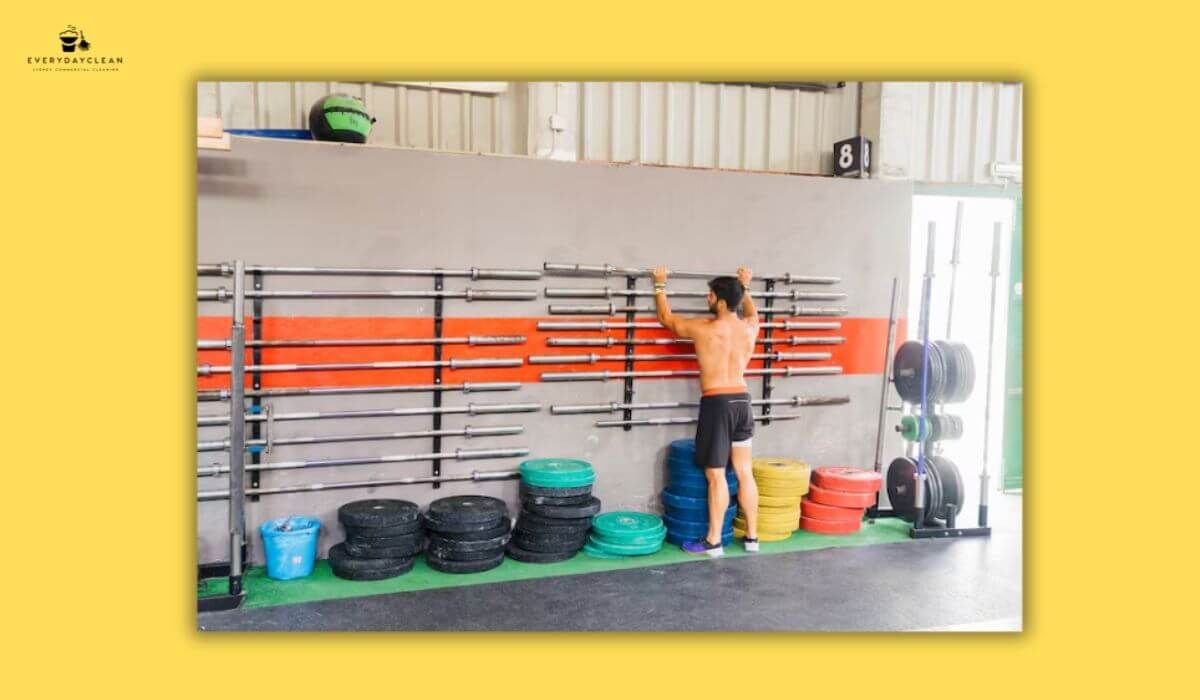
- Mount storage racks, hooks, and shelves to keep equipment off the floor and reduce dust-prone surfaces.
Setting up the environment correctly is the first step toward a clean, low-maintenance home gym.
Daily Cleaning Checklist for Garage Gyms
Consistent daily cleaning prevents dirt buildup and keeps your space inviting. This section offers a targeted checklist that addresses high-contact surfaces and flooring.
| Area | Tasks |
|---|---|
| Gym Benches & Mats | Wipe down after each session with gym bench sanitiser |
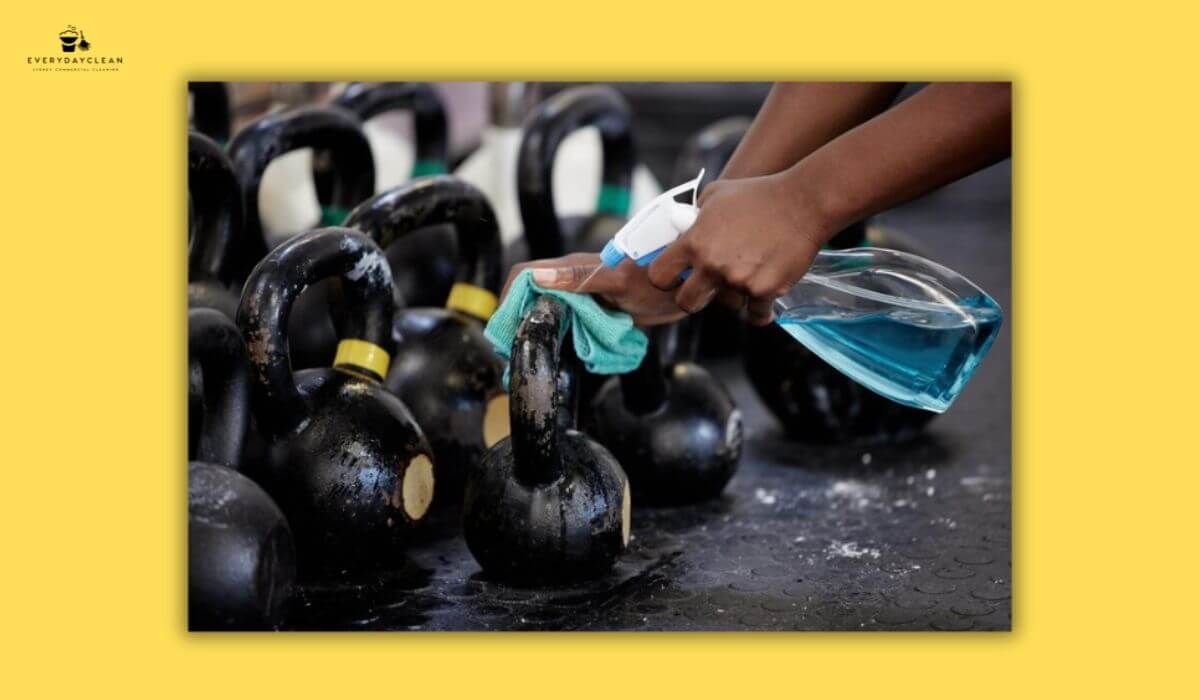
| Weights & Handles | Disinfect grips with alcohol or quaternary ammonium (quat) spray |
| Flooring | CandiceSweep daily; mop with disinfectant at the end of the day |
| Fan or Ventilation | Wipe exterior surfaces to prevent dust layer accumulation |
| Towels & Gear | Replace used towels; sanitise resistance bands, straps, and accessories |
These quick actions only take minutes but help preserve equipment and create a cleaner training experience every day.
How to Disinfect Gym Equipment in a Garage Setting
Disinfecting gym equipment in a home environment doesn't need to be complicated. This section explains how to apply commercial-grade disinfection techniques effectively.
- Use TGA-approved disinfectants for fitness equipment (available in sprays or wipes).
- Avoid bleach or corrosive products—especially on rubber, vinyl, or foam padding.
- Focus on high-touch areas like barbell grips, machine handles, and kettlebell surfaces.
- Allow disinfectant to sit (dwell time) for 30–60 seconds before wiping to ensure effectiveness.
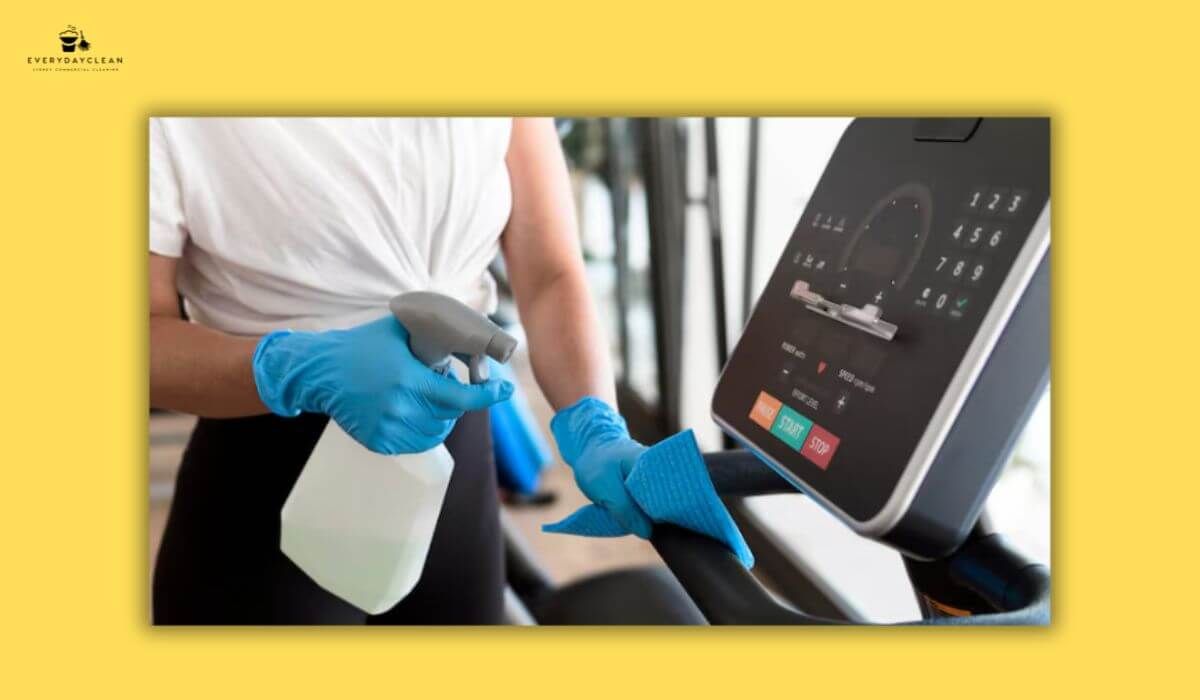
- Always wear gloves when handling commercial disinfectants for added safety and convenience.
By applying proper disinfection protocols, garage gym owners can maintain a commercial-grade standard with ease.
Cleaning Sweat from Gym Benches: A Practical Guide
Sweat is the most common and visible source of dirt in any gym. This section focuses specifically on managing sweat buildup on benches and similar equipment.
- Keep the gym bench sanitizer easily accessible to users or household members.
- Wipe benches immediately after use—do not let sweat dry into padding or seams.
- Use high-absorbency microfibre cloths or single-use disinfectant wipes for best results.
- Deep clean weekly using vinyl-safe cleaning spray, followed by a protectant or conditioner.
Regular sweat cleaning prevents odours and protects bench surfaces from premature wear.
Weekly Deep Cleaning Routine for Garage Gyms
Daily habits handle surface-level dirt, but deep cleaning clears out what you can’t see—dust, grime, and lingering moisture.
- Mop floors thoroughly with a mild anti-fungal or pH-neutral floor cleaner.
- Vacuum hard-to-reach areas: corners, under racks, air vents, and sills.
- Wash all soft equipment: towels, gloves, yoga mats, and fabric straps.
- Inspect metal parts for rust or corrosion and clean them accordingly.
- Sanitise storage units like dumbbell racks, shelves, and weight trees.
A regular weekly routine extends the life of your space and ensures nothing gets missed over time.
Preventing Dust and Odour in Garage Gyms
Dust and smells are the two most common complaints in any garage gym. Prevention is more effective than constant reaction.
- Install door sweeps to reduce external dust from entering through gaps.
- Use a dehumidifier or moisture absorbers to eliminate stale air and condensation.
- Change garage filters and wipe fans monthly to keep airflow clean and dust-free.
- Assign indoor-only shoes for gym use to prevent tracking in dirt.
- Seal garage walls or paint unfinished concrete to reduce dust shedding from structural surfaces.
These preventative steps significantly reduce maintenance load while improving the gym’s usability.
FAQs on Keeping a Garage Gym Clean
These questions reflect what home-gym owners most often ask about maintaining a garage setup. The answers focus on dust, sweat, moisture, and flooring.
How do you keep a garage gym from getting dusty?
Keep a garage gym from getting dusty by dust-mopping or sweeping the floor regularly, wiping shelving and racks, and keeping the roller door area clear since it draws in outdoor air. Concrete itself sheds fine dust, so sealing the slab or laying rubber matting reduces how much grit is generated. Storing tools and clutter away from the training area limits the dust the equipment collects. Running a dust-mop before each session takes a minute and stops grit grinding into flooring and equipment. In a garage that doubles as storage or a workshop, separating the gym zone with matting or a partition further cuts down on dust drifting onto the gear.
How do you stop gym equipment rusting in a garage?
Stop gym equipment rusting in a garage by wiping sweat off metal after every session, drying bars and dumbbells fully, and controlling humidity with ventilation or a dehumidifier. Sweat and damp garage air are the two main causes of rust on weights and racks. Storing bare metal off the concrete floor, which holds moisture, also helps, as does keeping chalk residue wiped away since it attracts moisture. In humid climates, a dehumidifier is the most effective single step. A light coat of protective product on bare steel bars can add another layer of defence. Consistent drying after use is what prevents the surface rust that spreads if left.
What should you clean a garage gym floor with?
Clean a garage gym floor with a pH-neutral cleaner and a microfibre flat mop if it is rubber matting, after dust-mopping or vacuuming to remove grit. Avoid bleach and acidic cleaners, which degrade and discolour rubber over time. For a bare or sealed concrete floor, a pH-neutral cleaner also works, and any spills should be wiped promptly to prevent staining. Damp mop rather than soak, so water does not seep under interlocking mats onto the slab, where it causes mould. Lifting the mats periodically to clean and dry underneath prevents trapped moisture and odour, which is a common issue in garage gyms on concrete.
How often should you clean a home garage gym?
A home garage gym should have equipment wiped after every session, the floor dust-mopped a few times a week, and a fuller clean weekly covering floors, equipment, and corners. The after-session wipe protects padding and metal from sweat, while regular dust control keeps abrasive grit off the flooring. A weekly reset addresses grime that builds up in corners and under equipment, and is a good time to lift mats and check for moisture underneath. In humid conditions, checking for rust and running a dehumidifier should be part of the routine. Because a garage gym is usually used by one or two people, this light, consistent schedule is enough to keep it hygienic.
A Simple Routine Keeps a Garage Gym Clean and Rust-Free
Keeping a garage gym clean is really about managing the three things a garage adds to a workout space: dust, sweat, and moisture. A quick equipment wipe after each session, regular pH-neutral mopping of rubber flooring, and moisture control through ventilation or a dehumidifier stop grime, rust, and mould before they take hold. None of it takes long, but doing it consistently is what protects an expensive home setup.
The payoff is a training space that stays hygienic and gear that lasts for years rather than corroding in a damp corner. Treating dust and moisture control as part of the cleaning routine, not an afterthought, is what keeps a garage gym in the condition it was set up in.
Home gear needs the same care as commercial kit. See what gyms use to clean equipment for products that protect your gear.
Blog