How to Charge for Airbnb Cleaning: Host Fee Calculation
To work out what to charge for Airbnb cleaning, start with a base range for your property size, then adjust for turnover scope, linen load, consumables, same-day urgency and access, and confirm the figure against a cleaner's quote. Sydney hosts typically pay between $90 and $450 per turnover clean on this basis, with a studio and light linen change at the low end and a large or luxury home with same-day turnover, restocking and outdoor areas at the top.
Getting this fee right matters for two reasons. Set it too low and you're either underpaying a cleaner or covering the shortfall yourself. Set it without understanding what drives the cost and you risk disputes over scope, or guests questioning a fee that looks high for the property size shown in your listing.
This article is the host-side calculation guide: it breaks the fee down by property type first, then works through the specific factors, linen, consumables, same-day turnover, balconies, ovens, pets, and access, that explain why two similar-looking properties can have genuinely different fair prices. For the broader explainer aimed at guests, what the fee is and why it appears at checkout, see the guest-facing Airbnb cleaning fee guide. These figures are planning ranges only. Actual pricing depends on property size, linen, access, urgency, guest turnover scope and the cleaner's quote.
How Much Does Airbnb Cleaning Cost by Property Type?
The fee scales mainly with bedroom count, because more rooms mean more surfaces, more linen, and more time on site.
| Property size | Typical fee range | What usually drives the top end |
|---|---|---|
| Studio or 1 bedroom | $90 to $160 | Same-day turnover, extra linen for short stays |
| 2 bedroom apartment | $140 to $220 | Same-day turnover, extra linen for short stays |
| 3 bedroom house or townhouse | $180 to $300 | Garden or outdoor area, oven cleaning, pet stays |
| 4+ bedroom or luxury property | $280 to $450+ | Pool area, multiple living zones, high-end presentation standard |
These ranges assume a standard turnover: a general clean, a light linen change, and basic restocking of essentials like toilet paper and soap.
A one-bedroom apartment with easy lift access and a light linen load will usually sit near the bottom of its range. The same apartment with a same-day changeover, a pet in residence, and a small balcony will often land near the top, even though the bedroom count hasn't changed. This is why a single average figure isn't that useful on its own. Hosts running frequent turnovers often reduce this pressure by learning how to automate Airbnb cleaning around a set schedule, since less last-minute booking means fewer same-day surcharges.
Treat these ranges as a planning guide, not a quote. Confirm your actual fee against your property's real turnover time, since two properties of the same size can genuinely cost different amounts to clean.
What Actually Changes the Price?
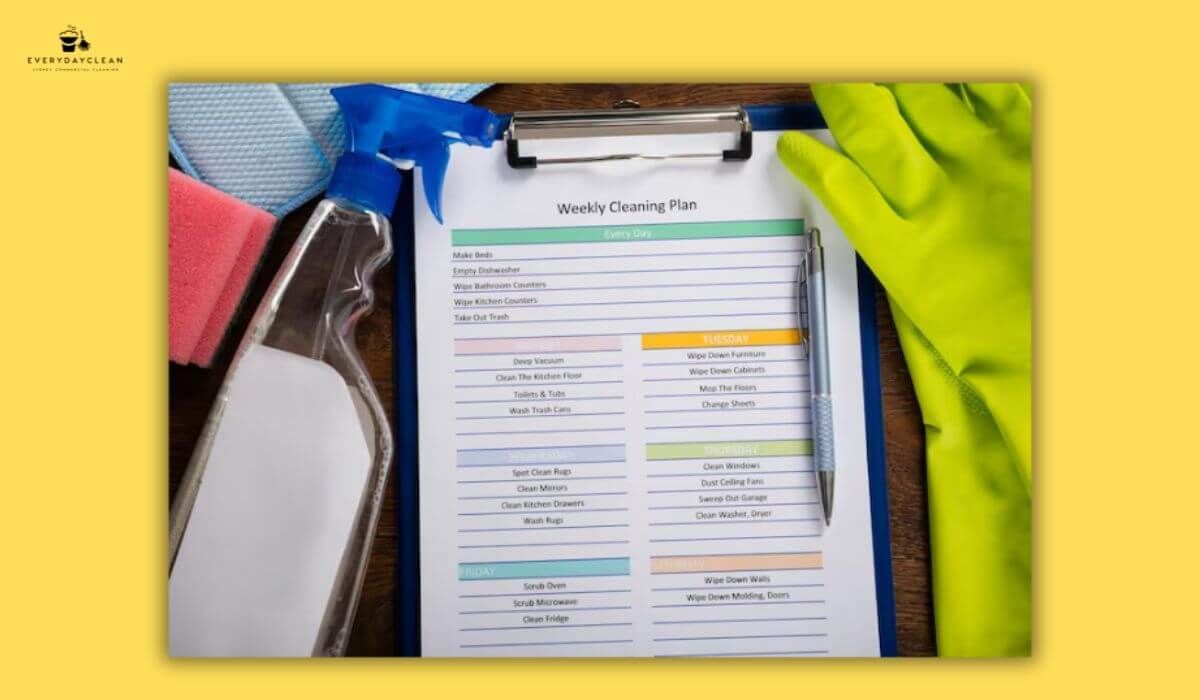
Seven specific factors move a cleaning fee away from the base range for a given property size. Understanding these before setting or negotiating a fee helps avoid under-pricing a job that will realistically take longer.
- Linen and towels. Stripping beds, washing, drying, and remaking them adds real time, and that time multiplies with each extra bedroom. A one-bedroom light linen change might add 15 to 20 minutes to a job. A three-bedroom property with a full linen change across multiple beds, plus bath and hand towels, can add well over an hour once washing and drying are factored in. If linen is laundered off-site rather than swapped for a fresh set on the day, this is usually priced as a separate line item, since it involves pickup, laundering, and drop-off outside the cleaning window itself.
- Consumables and restocking. Toilet paper, dishwashing tablets, bin liners, coffee sachets, and toiletries are a genuine, recurring cost if the cleaner is expected to supply and replace them rather than tidy around what's already there. A host who wants full restocking handled should expect this reflected in the fee, separate from the labour cost of the clean itself.
- Same-day turnover. A changeover with less than 24 hours between checkout and the next check-in commonly carries a surcharge, often in the range of 10 to 25 percent above the standard fee. This isn't just about speed. It reflects scheduling pressure on the cleaner's side, since a same-day job often has to be slotted into a tight window, sometimes at short notice, which can mean turning down or rearranging other bookings that day. Hosts managing several listings often reduce this friction by learning how to share an Airbnb calendar with a cleaner, so turnover timing is visible well before the guest checks out.
- Balcony or outdoor areas. Balconies, courtyards, and BBQ areas are easy to overlook when estimating a fee, but they add sweeping, wiping down outdoor furniture, and rubbish or ash removal that a standard indoor-only quote will not cover. A property with a decent-sized balcony and outdoor setting can add 15 to 30 minutes to a turnover that would otherwise be quick.
- Oven cleaning. A full oven clean, inside racks and glass included, is typically treated as an add-on rather than part of a standard turnover. It can take 30 minutes or more on its own, particularly if it hasn't been done in a while, and it's reasonable for hosts to expect this priced separately unless specifically confirmed as bundled in.
- Pet stays. Properties that allow pets often need extra vacuuming for hair, odour treatment, and sometimes furniture spot-cleaning that a pet-free turnover wouldn't require. This can lift the fee above the standard range for that property size, and it's worth setting this expectation with your cleaner upfront rather than discovering it as a dispute later.
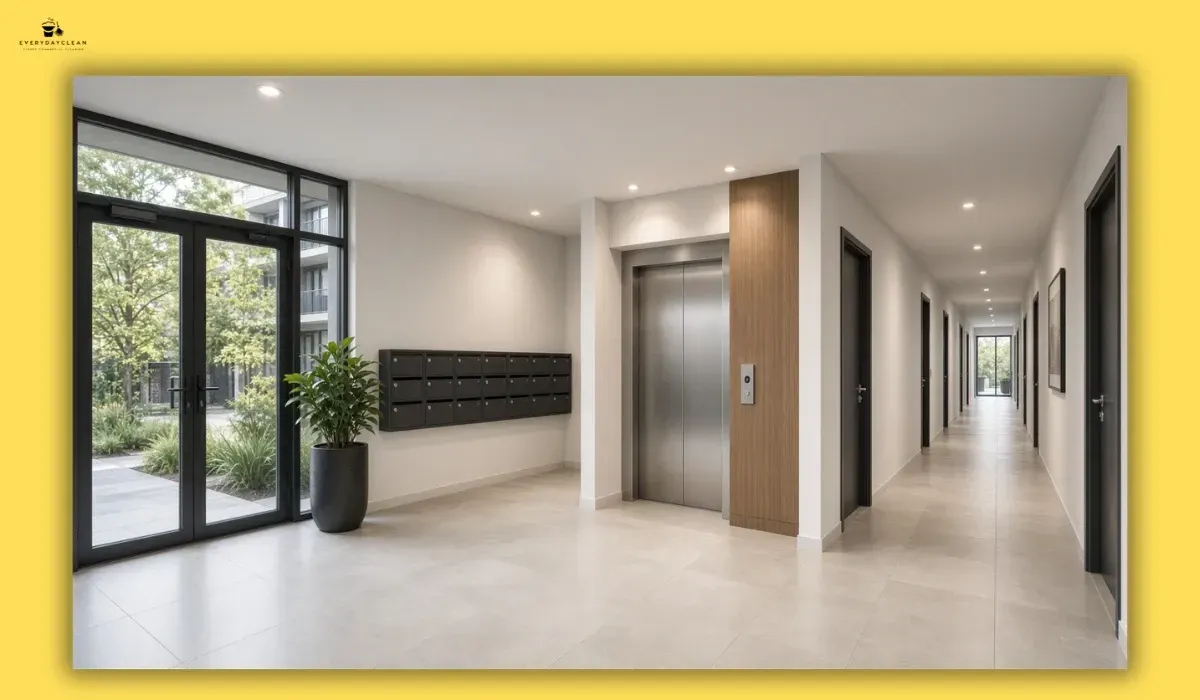
- Parking and access. Buildings with difficult visitor parking, security passes, lift bookings, or key-safe access can add real time to a job before the cleaning even starts. This is a common blind spot in strata buildings specifically, where a cleaner might spend 10 to 15 minutes just getting into the property and setting up.

What's Included Versus What Costs Extra?
| Usually included | Usually costs extra |
|---|---|
| General clean of all rooms | Full oven clean |
| Bathroom and kitchen sanitising | Off-site linen laundering |
| Basic restocking (paper, soap) | Pet hair and odour treatment |
| Light linen change on-site | Balcony or outdoor deep clean |
| Rubbish removal | Same-day or urgent turnover |
Every cleaning provider structures this slightly differently. Use this table as a starting point for a conversation with your cleaner rather than a fixed industry standard, and get the specifics confirmed in writing before your first booking. First-time hosts often find it useful to work through an Airbnb cleaning checklist for hosts alongside this table, so nothing assumed as "included" turns into a surprise line item later.
Before your first booking, get linen laundering, consumables, and same-day surcharges confirmed in writing so nothing is assumed on either side.
Should Hosts Pass the Full Cleaning Cost to Guests?
Most hosts build the guest-facing fee around what the turnover actually costs, plus a small allowance for coordination time and any restocking they handle themselves. The main decision is how much of that cost to pass on: pricing the fee close to real cost tends to read as fair, while loading it well above cost to offset a low nightly rate often draws complaints, since guests judge the total price of a stay rather than the nightly rate alone.
When Is It Worth Booking a Professional Cleaner?
A professional turnover service tends to pay for itself once you're managing more than the occasional booking, especially with same-day changeovers or a property with linen and consumables to track consistently. The main decision factors are turnover frequency, how often same-day changeovers happen, and whether you're managing one property or several.
Hosts running one or two stays a month with flexible gaps between guests can often manage cleaning themselves without much friction. Once turnovers become frequent, tight on timing, or span multiple properties, a professional turnover service can help support more consistent cleanliness reviews and frees up time you'd otherwise spend coordinating linen, restocking, and access on short notice.
This may not suit hosts with very irregular bookings or long vacancies between guests, where a one-off casual clean makes more sense than a standing arrangement.
Setting a Fee You Can Stand Behind
A fair Airbnb cleaning fee comes from adding up the real cost drivers for your specific property, not copying a number from a similar-looking listing. Start with the base range for your property size, then add for linen load, same-day turnover, outdoor areas, oven cleaning, pets, and access difficulty where they genuinely apply.
Being able to explain your fee, to a cleaner quoting the job or a guest questioning the total, comes down to knowing which of these factors are actually in play for your property. Pricing the fee against a firm per-turnover quote for your specific requirements is the most reliable way to confirm a number you can rely on, rather than working from ranges alone.

FAQ
How much is a typical Airbnb cleaning fee in Sydney?
Most Sydney hosts pay between $90 and $450 per turnover depending on property size, with studios sitting at the lower end and large or luxury homes at the top of the range. The fee usually reflects a combination of labour, linen, and consumables rather than a flat hourly rate, which is why two properties of the same size can still have genuinely different fair prices depending on turnover complexity and access.
Can hosts charge extra for a same-day turnover?
Yes. A changeover with less than 24 hours between guests often carries a surcharge, commonly in the range of 10 to 25 percent above the standard fee. This reflects the scheduling pressure placed on the cleaner rather than the actual cleaning task itself, since a same-day job often has to be slotted into a tight window and may mean rearranging other bookings scheduled for that day.
Should I pass the full cleaning cost to guests?
Most hosts pass on close to the real turnover cost, sometimes with a small allowance for coordination time and restocking, rather than a large markup. Pricing near cost tends to read as fair to guests, while loading the fee well above cost to offset a low nightly rate often backfires, since guests compare the total price of a stay. Basing the fee on genuine cost, not a rounded guess, keeps it defensible.
Should linen and same-day turnover be charged separately?
Often, yes. Off-site linen laundering is commonly priced as a separate line item, since it involves pickup, washing and drop-off outside the cleaning window, and a light on-site linen change is usually included where a full off-site service is not. Same-day turnovers frequently carry a surcharge of around 10 to 25 percent for the scheduling pressure. Confirming both in writing before the first booking avoids surprises on either side.
Does an Airbnb cleaning fee include laundering all linen off-site?
Not always, and this is one of the most common assumptions hosts get wrong. Many standard fees only cover a light on-site linen change, while full off-site laundering of sheets, doonas, and towels is often quoted as a separate line item, particularly for properties with multiple bedrooms where the laundry load is significant.
When should a host move from self-cleaning to a professional service?
Once turnovers become frequent, involve regular same-day changeovers, or span multiple properties at once, a professional service usually becomes worth the cost in time saved and consistency of results. Hosts with only occasional bookings and flexible gaps between guests can often continue managing the clean themselves without much added pressure.
Blog