House Inspection Cleaning Checklist: Rental Guide
A house inspection cleaning checklist should focus on the areas a property manager notices first: entryways, kitchens, bathrooms, floors and outdoor spaces, not a full end-of-lease level clean. Routine rental inspections are usually about general upkeep and property condition, not a deep clean, so the goal is tidy, functional and well-maintained rather than spotless.
This is different from a bond or end-of-lease clean, which is far more thorough and covers things like oven interiors, window tracks and carpet steam cleaning in detail. A routine inspection clean is lighter and faster, and this guide only covers that.
Inspection Cleaning Priorities Start With First Impressions
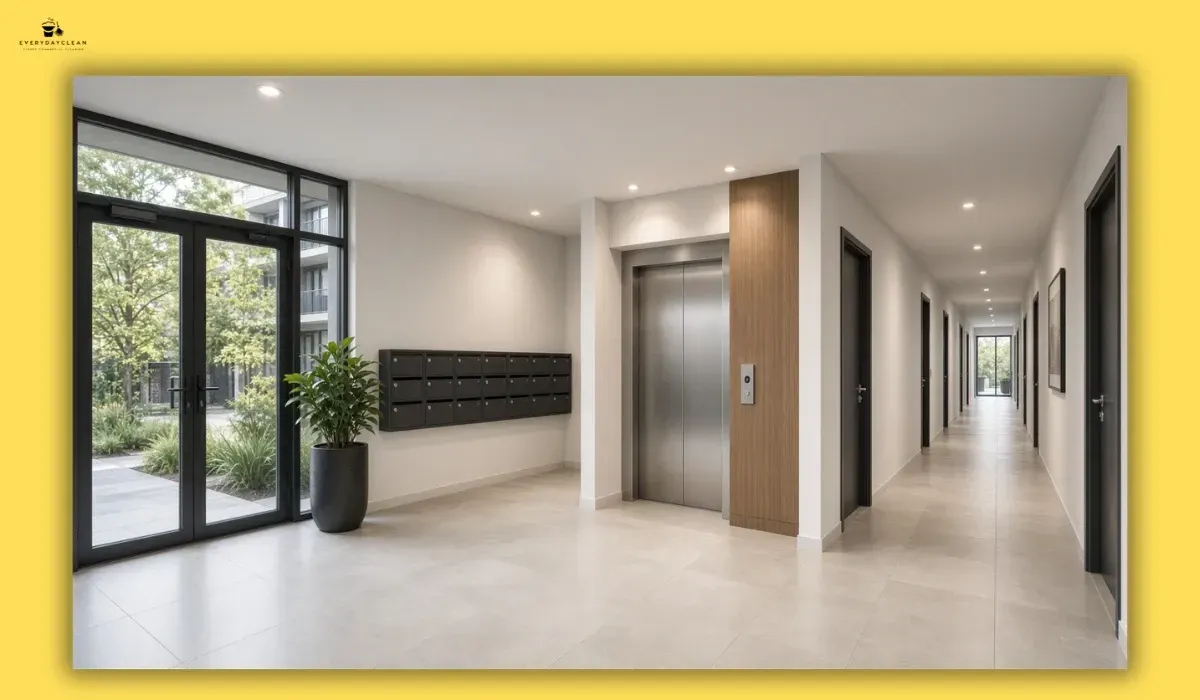
The entry, hallway and living area usually set the tone for the rest of the inspection. Property managers often form an impression within the first minute or two of walking through, so these areas are worth prioritising over less visible spaces.
Kitchens and bathrooms tend to get the closest attention because they show wear and hygiene issues quickly. Floors, windows, bedrooms, laundry areas, outdoor spaces, bins and general odours round out the areas most routine inspections cover.
Kitchen Cleaning Matters Most For Hygiene Checks
Wipe down benchtops, stovetops and splashbacks, and clear any built-up grease around the cooktop. Check inside the microwave for splatters and wipe the exterior of the fridge and oven, including door handles and the top surface where dust tends to settle. Empty the bin, clean the sink and remove any dishes from the drying rack before the inspection.
Cupboard fronts and the kickboard along the floor are easy to miss but often show grease and dust marks. A wipe over pantry shelves and the toaster or kettle area also helps, since small appliances can collect crumbs and splashes quickly.
A quick check under the sink for leaks or mould can also help, since property managers often note these as maintenance items rather than cleanliness issues, and flagging them early can work in a tenant's favour.
Bathroom Cleaning Reduces The Most Common Complaints
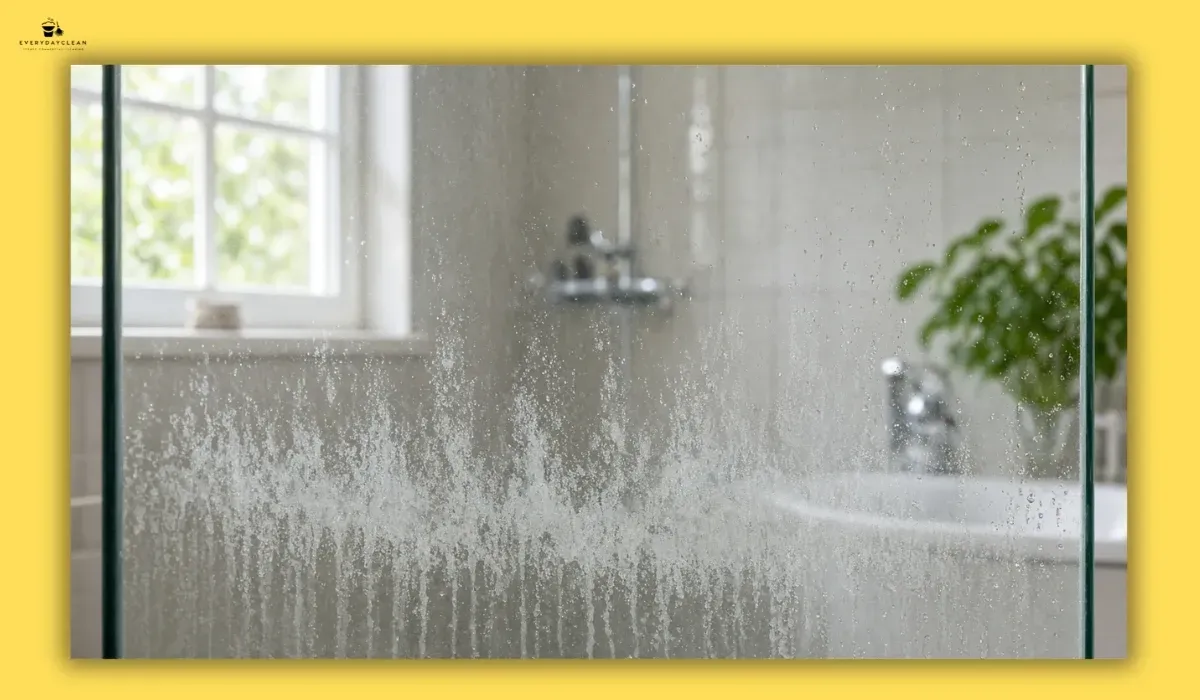
Soap scum, mould around the shower recess and grime around tap fittings are some of the most commonly noted issues in routine inspections. Wipe down the shower screen, clean the toilet inside and out, and check the exhaust fan for dust build-up.
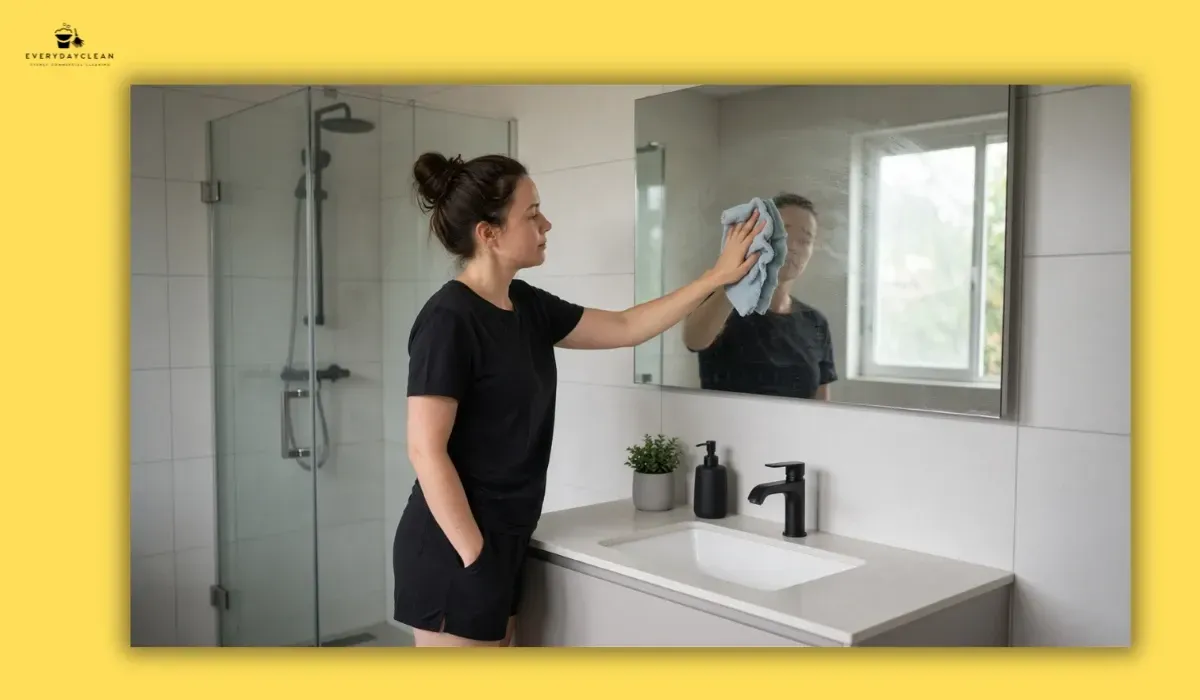
Mirrors, tap fittings and the vanity benchtop are worth a quick polish since water spots and toothpaste marks tend to build up around sinks. Grout lines between tiles can also collect grime, and a light scrub in the shower recess and around the bath, if present, usually improves the overall impression without needing a full regrout or deep chemical treatment.
Mould in bathrooms may return quickly in humid conditions, so a light wipe-down close to inspection day is usually more effective than a deep clean done a week earlier.
Floors Need Attention In High-Traffic Areas
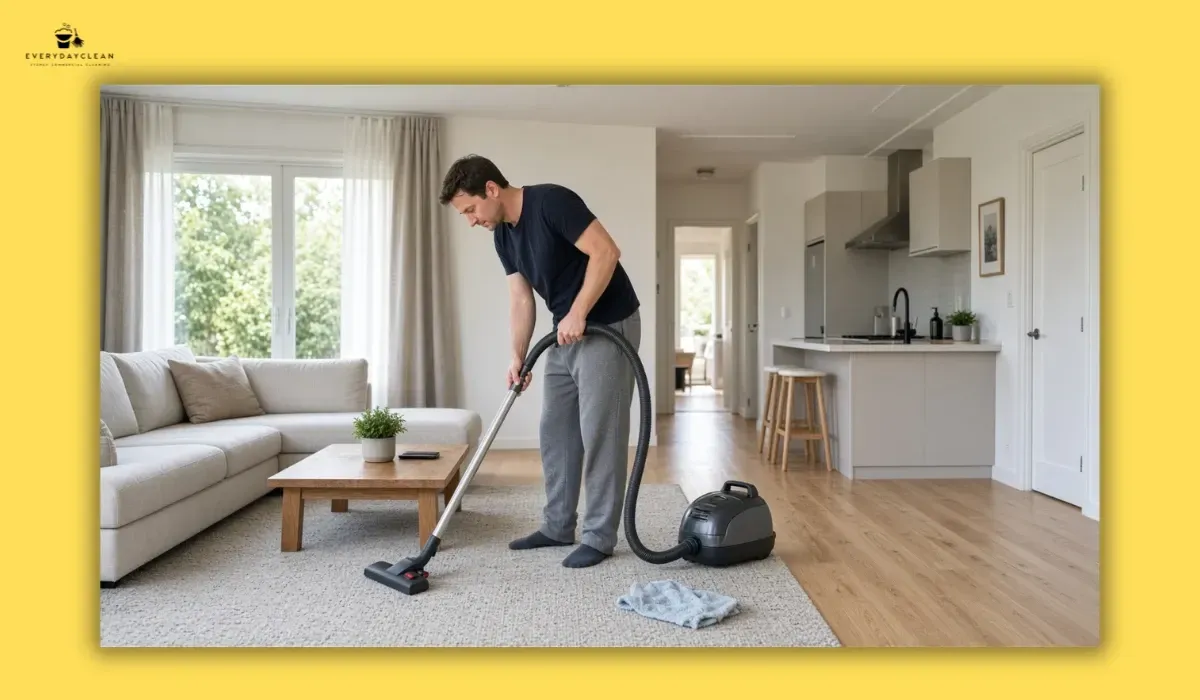
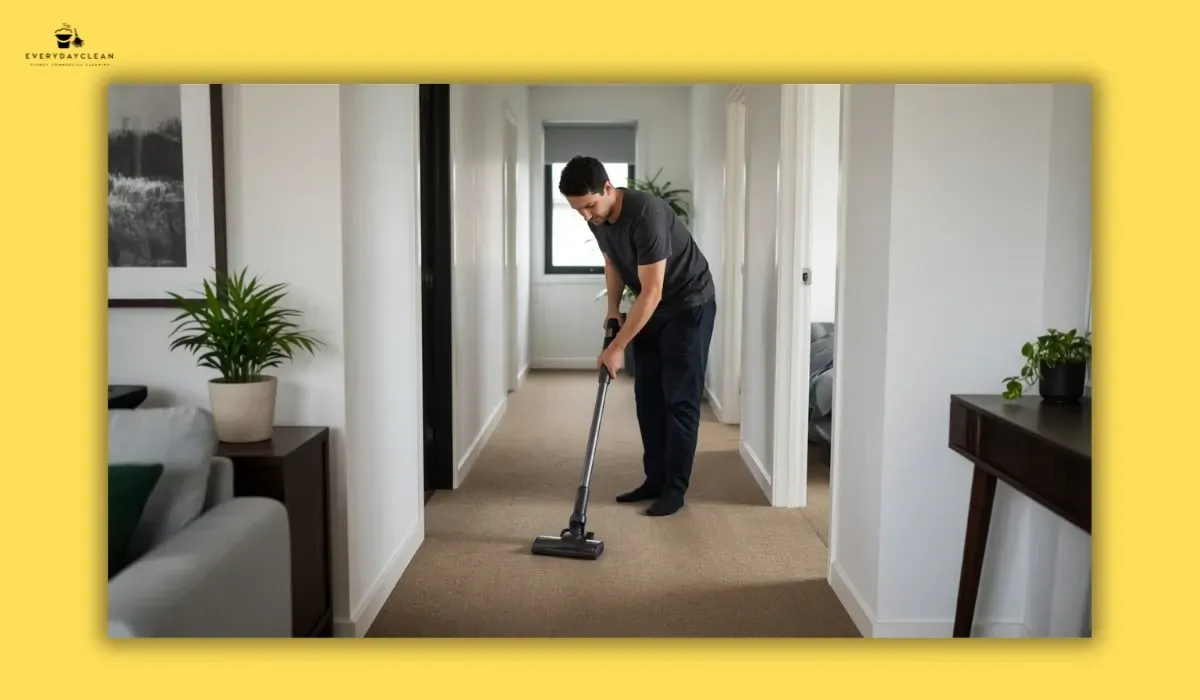
Vacuum carpets and mop hard floors, paying particular attention to entryways, hallways and living areas where dirt tends to build up fastest. Skirting boards and corners are often overlooked but can make a noticeable difference to how clean a room appears overall.
Under furniture and along the edges of rooms are common spots for dust and pet hair to collect, and a vacuum attachment can reach these areas more easily than a standard pass. Rugs and mats near entry points are worth shaking out or vacuuming separately, since they tend to trap the most dirt in a home.
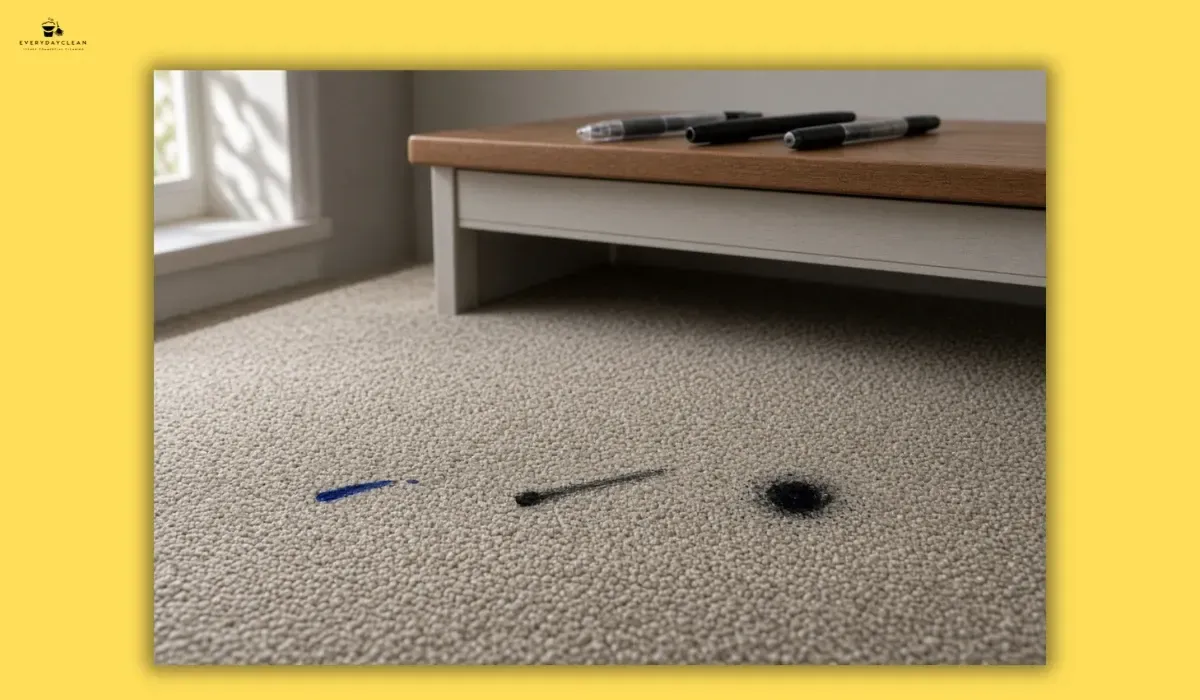
Spot-check for any visible stains and treat them where possible, though heavy stain removal is generally more suited to an end-of-lease clean rather than a routine inspection.
Windows And Glass Improve Natural Light And First Impressions
Streaky glass and dusty tracks are easy to notice but simple to fix. Wipe down interior glass, mirrors and any glass doors, and clear cobwebs from window corners and frames.
Full window track detailing is not usually necessary for a routine inspection, so a general wipe is normally sufficient.
Bedrooms And Living Areas Benefit From General Tidiness
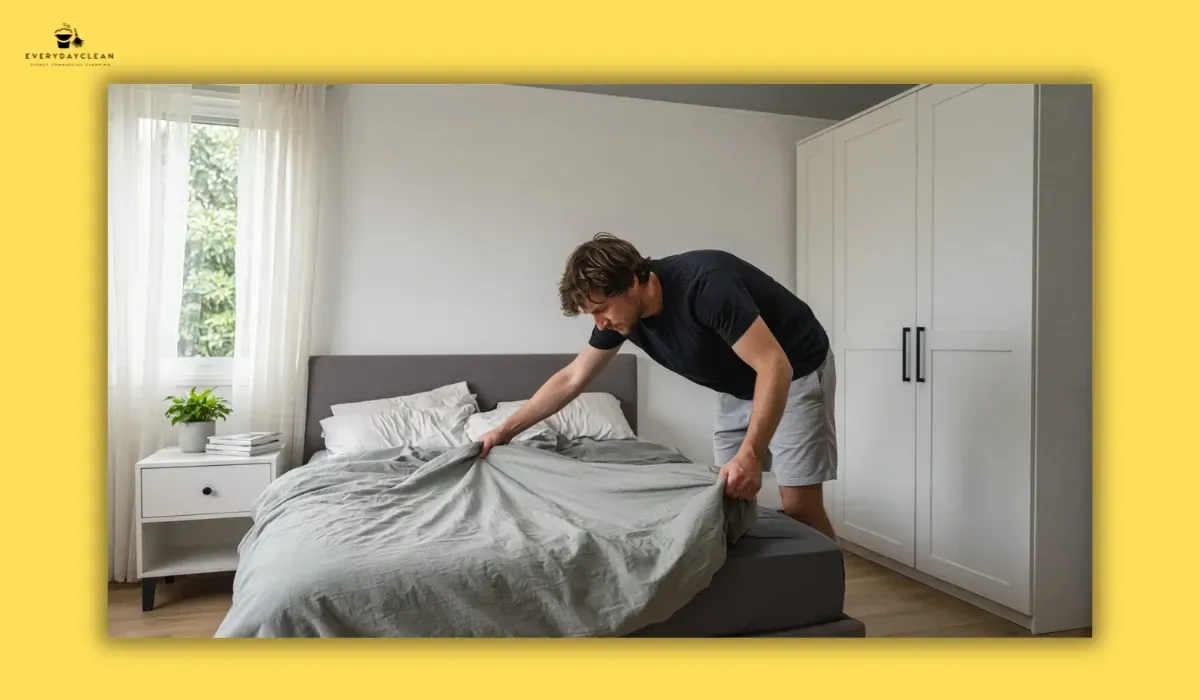
Make beds, clear surfaces of clutter and dust visible areas like skirting boards, light switches and door frames. Property managers are generally checking for general upkeep and any signs of damage rather than a spotless finish, so tidiness often matters more than deep cleaning in these rooms.
Laundry Areas Are Often Checked For Mould And Odour
Wipe down the washing machine exterior, clear lint from the dryer filter if applicable, and check for mould around taps or in corners. A musty smell in the laundry can stand out during an inspection, so ventilating the space beforehand can help.
Outdoor Areas, Bins And Odours Affect The Overall Impression
Sweep outdoor entry areas, clear cobwebs from doorways and tidy up any general clutter in yards, balconies or courtyards. Bins should be placed correctly and any rubbish cleared from bin areas.
A quick mow or edge trim, where the tenant is responsible for garden upkeep, can improve the overall street appeal and first impression before a property manager arrives. Sweeping paved areas, wiping down outdoor furniture and clearing leaves from gutters at ground level, where accessible, are also worth doing if these are noticeably untidy.
Odours from bins, pets or cooking can influence how a property is perceived even when the visible cleaning is otherwise thorough, so airing out the property an hour or two before the inspection is worth doing where possible.
Room-By-Room Checklist
| Area | Key Tasks |
|---|---|
| Entry and hallway | Sweep or vacuum, clear clutter, wipe light switches |
| Kitchen | Wipe benchtops, clean stovetop, empty bin, clean sink |
| Bathroom | Clean shower screen, toilet, mirror, check exhaust fan |
| Floors | Vacuum carpets, mop hard floors, check skirting boards |
| Windows | Wipe glass, clear cobwebs from frames |
| Bedrooms | Make beds, clear surfaces, dust visible areas |
| Laundry | Wipe machine exterior, clear lint, check for mould |
| Outdoor | Sweep entry, clear cobwebs, tidy bin area |
What A 24-Hour-Before Inspection Plan May Look Like
A short plan the day before an inspection usually covers the essentials without needing a full day of cleaning.
- Clean kitchen and bathroom surfaces, including sinks and stovetops
- Vacuum and mop main living areas and hallways
- Wipe down windows, mirrors and glass doors
- Tidy bedrooms and clear general clutter
- Take out rubbish and check bin areas
- Air out the property before the inspection time
Property Managers Often Notice A Few Common Things
Property managers commonly flag mould in bathrooms and laundry areas, dust on skirting boards and light switches, built-up grime around stovetops, and general clutter in living spaces. Odours from pets, bins or cooking are also frequently mentioned, even when the rest of the property is presentable.
What Not To Overdo Before A Routine Inspection
A routine inspection generally does not require oven interior detailing, full carpet steam cleaning, window track deep cleaning or wall washing. These tasks are more relevant to a bond or end-of-lease clean, where the standard expected is usually higher and more detailed. Overcleaning for a routine inspection can use up time and effort that is not needed for this type of visit.
If a property is due for an end-of-lease clean rather than a routine inspection, move-out cleaning support is generally better suited to meeting that higher standard.
Inspection Cleaning Frequently Asked Questions
How Long Does A House Inspection Clean Usually Take?
A routine inspection clean may take a few hours, depending on property size and condition, and how well it has been maintained day to day. Larger properties or those with more clutter may take longer.
How Soon Before The Inspection Should Cleaning Happen?
Cleaning the day before, or on the morning of the inspection for smaller tasks, generally works well. Bathrooms and kitchens can be re-checked closer to the inspection time since these areas show wear quickly.
Is A Routine Rental Inspection The Same As A Bond Clean?
No. A routine rental inspection generally checks for general upkeep and maintenance issues, while a bond or end-of-lease clean is a much more detailed clean required when moving out. The cleaning standard expected for each is different.
Do Property Managers Expect A Spotless Home For Routine Inspections?
Not usually. Most routine inspections focus on general tidiness, safety, and maintenance rather than a spotless finish. Consistently maintaining the property between inspections is generally more important than one intensive clean beforehand.
Blog