Household Cleaning Schedule Template and Planner
A household cleaning schedule template divides cleaning into daily, weekly, monthly and seasonal tasks, so the home stays manageable without long, exhausting cleaning sessions. Instead of tackling everything at once, small consistent jobs keep on top of the mess, while less frequent tasks are spaced out across the month and the year. This guide sets out that full template, a room-by-room task list, a weekly planner format, and a simple checklist to follow or adapt.
The idea behind any weekly cleaning planner template is consistency over intensity. A few minutes each day, a manageable set of weekly tasks, and a handful of monthly and seasonal jobs keep a home consistently clean with far less effort than an occasional big clean. Adjust the template to suit the home and household rather than treating it as fixed.
The Daily, Weekly, Monthly and Seasonal Template
The core of a household cleaning schedule is dividing tasks by how often they genuinely need doing. The table below is a starting template to adapt to your home.
| Frequency | Typical tasks |
|---|---|
| Daily (5 to 10 minutes) | Make beds, wipe kitchen benches, wash or load dishes, wipe bathroom surfaces, sweep high-traffic floors, tidy items away, wipe high-touch points |
| Weekly | Vacuum and mop floors, clean bathrooms, dust surfaces, change bed linen, wash towels, empty and wipe bins, clean mirrors, wipe appliance exteriors |
| Monthly | Wipe skirting and behind furniture, dust fans and vents, clean inside cupboards, clear expired food, descale where needed, wipe door frames and handles |
| Seasonal | Windows, tracks and screens, curtains and blinds, wardrobes, behind large appliances, oven and range hood, carpets and rugs, smoke alarm check |
Daily tasks are the everyday defence that keeps weekly and monthly cleaning lighter. Weekly tasks refresh the home, monthly tasks reach the areas that build up slowly, and seasonal tasks reset the home a few times a year. Larger yearly jobs, such as deep-cleaning behind appliances or professional carpet cleaning, can be folded into the seasonal reset.

Room-by-Room Task Examples
A schedule is easier to follow when tasks are grouped by room. These examples show how daily, weekly and less frequent jobs map across the home.
Kitchen
Daily: wipe benches and the table, clean the sink, wash or load dishes. Weekly: wipe appliances, stovetop and cabinet fronts, mop the floor. Monthly and seasonal: clean inside the microwave and oven, degrease the range hood, clear the fridge and pantry.
Bathroom
Daily: wipe the basin and surfaces, tidy items away. Weekly: clean the toilet, shower, bath and mirrors, wash bath mats, mop the floor. Monthly and seasonal: descale taps and showerheads, clean grout, wipe the exhaust fan.
Bedrooms
Daily: make the bed, tidy surfaces. Weekly: dust, vacuum, change and wash bed linen. Monthly and seasonal: clean under the bed, wipe skirting and vents, wash pillows, rotate the mattress, sort wardrobes.
Living areas
Daily: tidy and wipe high-touch points. Weekly: dust surfaces and electronics, vacuum floors and under cushions, wipe marks. Monthly and seasonal: vacuum behind and under furniture, clean windows and sills, wash curtains.
Laundry
Weekly: wipe the machine exteriors and tub, clear the lint filter, mop the floor. Monthly and seasonal: wipe the drum, seal and detergent drawer, clean behind the machines, tidy shelves.
Entryways
Daily: tidy shoes and clutter, wipe the door handle. Weekly: sweep or vacuum, shake out or wash mats, wipe the front door. Monthly and seasonal: dust ledges and light fittings, clean the entry windows and sills.
Simple Printable Checklist
For a household cleaning schedule printable to stick on the fridge, keep it short and tickable. This is the daily and weekly core that most homes run on.
Daily:
- Make beds
- Wipe kitchen benches and table
- Wash or load dishes
- Wipe bathroom surfaces
- Sweep high-traffic floors
- Tidy items away
- Wipe high-touch points
Weekly:
- Vacuum and mop floors
- Clean bathrooms
- Dust surfaces and furniture
- Change and wash bed linen
- Wash towels
- Empty and wipe bins
- Clean mirrors and glass
- Wipe appliance exteriors
Print it, tick tasks as you go, and reset each week. The same list works as a shared checklist in a household where tasks are split between people.

Weekly Planner Format Example
Spreading weekly tasks across set days stops cleaning piling up into a weekend-long job. This weekly cleaning chart template assigns one main focus per day alongside the daily basics.
| Day | Main task |
|---|---|
| Monday | Bathrooms: toilet, shower, basin, mirrors |
| Tuesday | Dusting: surfaces, shelves, skirting |
| Wednesday | Floors: vacuum and mop throughout |
| Thursday | Kitchen: appliances, stovetop, cabinet fronts |
| Friday | Bed linen and towels: change and wash |
| Saturday | Catch-up, bins, and a monthly task in rotation |
| Sunday | Rest or light tidy, plan the week ahead |
This weekly cleaning schedule format is a starting point. Shift the days to suit your routine, and if a day is missed, simply pick up where you left off rather than trying to double up. A digital version works the same way for anyone who prefers a weekly cleaning schedule template in a spreadsheet, with tasks in rows and days in columns.
Adjusting the Schedule for Your Household
No single schedule suits every home, so adjust the template to the household. The frequency of tasks should reflect how the home is used.
- Apartments and units: usually faster to clean, but tighter storage means decluttering matters more, and balconies, sliding tracks and limited ventilation are worth adding
- Families with children: expect more frequent kitchen, bathroom and floor cleaning, and share age-appropriate tasks across the household
- Shared houses: assign tasks and rotate them fairly, and keep a visible shared checklist so responsibilities are clear
- Busy households: focus on the daily basics that prevent build-up, and spread weekly tasks thinly across the week rather than saving them for one day
- Pet owners: add more frequent vacuuming and floor cleaning, and factor in fur and outdoor dirt
The aim is a schedule people will actually keep, so a lighter, realistic plan followed consistently beats an ambitious one that gets abandoned.
What to Outsource When the Schedule Slips
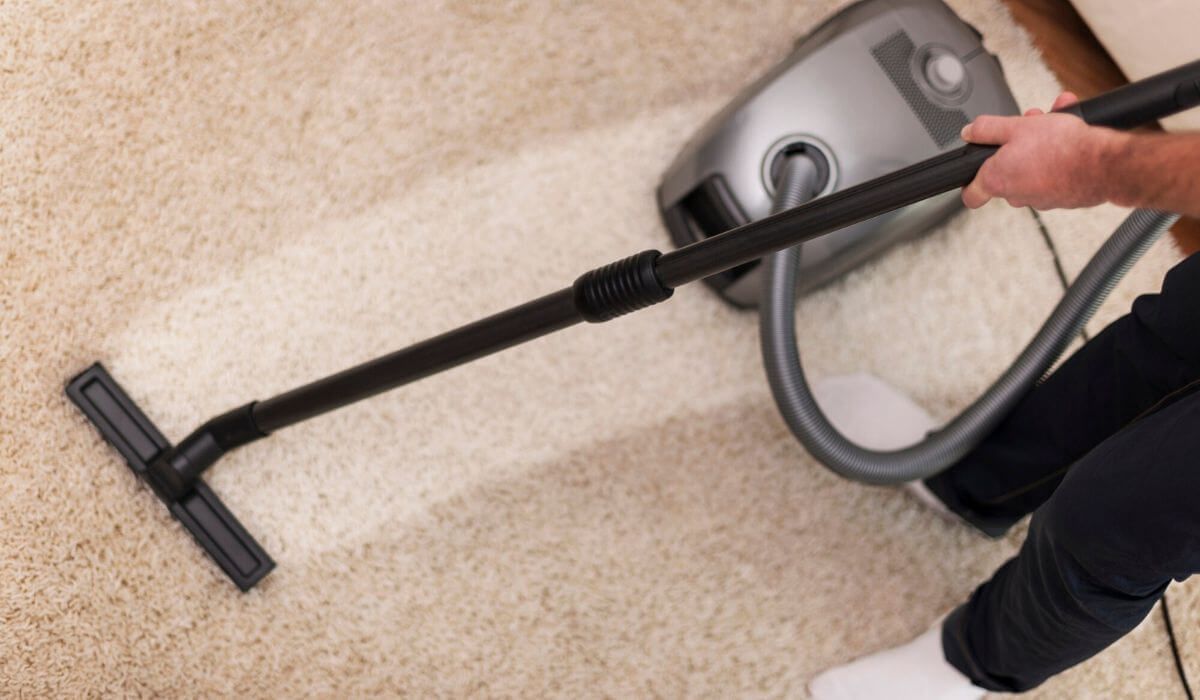
Even a good schedule can become hard to maintain during busy periods, and that is a practical point to bring in help rather than let the home fall behind. Seasonal deep cleans, carpet and upholstery cleaning, window cleaning, and behind-appliance or high-reach tasks are common candidates to outsource, since they take time and equipment many households do not have on hand. For larger homes or busy stretches, arranging professional cleaning support for the heavier work can keep the everyday routine achievable.
Outsourcing the heavier or less frequent work often makes the daily and weekly routine easier to keep up, because the big jobs are handled separately. Matching what you outsource to where the schedule keeps slipping is the clearest way to decide what to hand over.
Make the Schedule Fit the Home, Not the Other Way Around
A household cleaning schedule template works best when it is shaped around the home and the people in it: daily basics that prevent build-up, weekly tasks spread across set days, and monthly and seasonal jobs planned in rather than left to pile up. Print the checklist, use the weekly planner as a starting format, and adjust the frequency for your household size, pets and routine. When busy stretches make the bigger jobs hard to keep up, outsourcing the seasonal and heavy work keeps the everyday routine manageable and the home consistently clean.
Blog