Carpet and Rug Cleaning Products: Fibre-by-Fibre Guide
Carpet and Rug Cleaning Products: Fibre-by-Fibre Guide
Carpet and rug cleaning products fail most often not because the formula is weak, but because the wrong product category was applied to the wrong fibre type. A high-alkaline extraction detergent that cleans a nylon office carpet perfectly will cause irreversible shrinkage on a wool rug. A standard enzyme cleaner that eliminates pet urine odour from polypropylene can bleach the dye out of a hand-knotted Persian. A dry-solvent spotter that lifts grease from a synthetic broadloom will permanently stiffen a jute or sisal weave. This guide maps every major carpet and rug cleaning product category to the fibre types it is designed for, the stain chemistry it addresses, and the application conditions that determine whether the product works or causes damage.
Key Takeaways
- WoolSafe accreditation is the only independently verified safety standard for cleaning products applied to wool, wool-blend, and natural fibre rugs - any enzyme, oxidising, or surfactant-based product should carry this certification before being used on natural fibres.
- Enzyme-based carpet and rug cleaners permanently eliminate organic stains and odours (pet urine, blood, vomit, food) by digesting the source compound at the molecular level - not by masking the odour with fragrance or lifting only the visible surface layer.
- Viscose, art silk, bamboo silk, and rayon rugs should receive no liquid cleaning product of any kind without specialist assessment - these cellulose-based fibres yellow, stiffen, and develop permanent water marks from even diluted aqueous solutions.
- Encapsulation products are the most practical carpet and rug maintenance product for commercial settings, cutting dry time to 20-30 minutes versus 4-12 hours for hot water extraction.
- The most common cause of rug damage from DIY cleaning is applying a product before testing colourfastness - always apply to an inconspicuous area and wait 10 minutes before treating a visible stain.
Carpet and Rug Cleaning Products by Category
The categories below are organised by cleaning mechanism - the chemical or biological process by which each product type removes soil. Understanding the mechanism, rather than just the product name, is what allows correct selection across different fibre types and stain categories.
1. Enzyme-Based Carpet and Rug Cleaners
Enzyme cleaners are the most scientifically precise tool in the carpet and rug cleaning product category for organic stains. The formula contains live bacterial spores that produce specific enzymes on contact with moisture - proteases to break down proteins (blood, urine, vomit, food), lipases to break down fats and oils, amylases to break down starches, and urease to digest uric acid crystals specifically. The enzymatic process continues after application, digesting the contamination at its biological source rather than lifting only the surface layer.
The critical distinction from all other carpet cleaning product categories is odour elimination. Uric acid crystals from pet urine embed in carpet fibres and the underlying carpet pad, where they recrystallise every time humidity increases - which is why pet urine stains that were "cleaned" with a standard surface cleaner return with every weather change or steam cleaning session. Enzyme products dissolve those crystals permanently, which no other product category achieves.
Fibre compatibility: Enzyme cleaners are broadly compatible with synthetic fibres, including nylon, polypropylene, olefin, and polyester. For wool, wool-blend, and natural fibre rugs, a WoolSafe-accredited enzyme formula is mandatory - standard high-protease enzyme products will begin digesting wool proteins alongside the organic stain if contact time is extended. Products such as PawLab's WoolSafe-certified enzyme formula and Enzyme Wizard's plant-based carpet and upholstery cleaner (available in concentrate from 750mL to 20L) are specifically formulated to address organic stain removal without fibre degradation on natural materials.
Application protocol for maximum effectiveness:
- Remove all solids with a spoon edge - never rub, as rubbing drives the contamination deeper into the pile
- Blot excess liquid with a clean microfibre cloth, working from the stain perimeter inward
- Pre-moisten dried stains with warm (not hot) water - temperatures above 60°C deactivate the bacterial cultures and kill enzyme activity
- Saturate the stain area with the enzyme product, ensuring the solution reaches the carpet pad for urine contamination - surface-only application leaves the odour source untreated
- Allow a minimum dwell time of 15 minutes for fresh stains; 30-60 minutes for dried or repeat stains; cover with a damp cloth to prevent premature drying
- Blot dry with a clean microfibre cloth and promote airflow at ambient temperature - heat from a hairdryer or direct sunlight will deactivate remaining enzyme cultures before they complete the digestion process
Not suitable for: Viscose, art silk, rayon, jute, sisal, or any cellulose-based rug fibre.
2. Oxidising (Oxygen-Based) Carpet and Rug Spotters
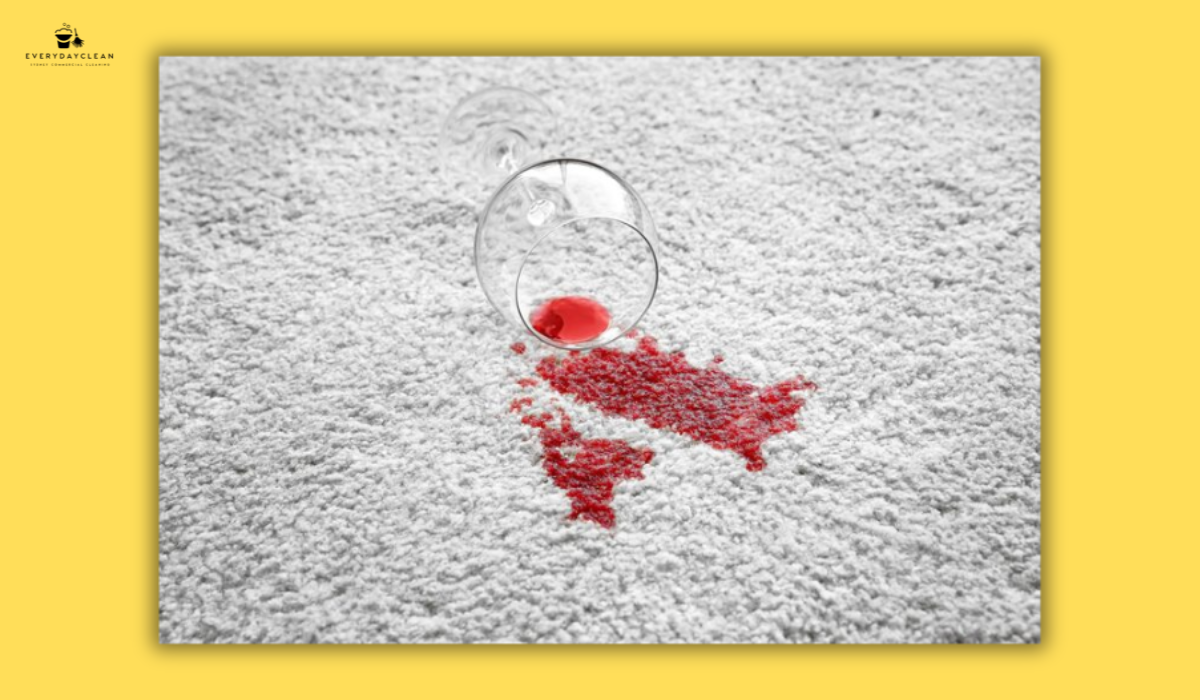
Oxidising agents use oxygen molecules to chemically break the molecular bonds holding pigment and organic matter to carpet fibres. Products containing hydrogen peroxide, sodium percarbonate, or proprietary peroxide-based compound spotters fall into this category. They are particularly effective on tannin stains - red wine, coffee, tea, fruit juice - and on general brightening of dulled carpet pile.
The risk profile of oxidising products on rugs is higher than on wall-to-wall carpet because rugs, particularly hand-dyed natural fibre pieces, use dye systems that are significantly more susceptible to oxidative bleaching. A hydrogen peroxide solution that safely brightens a nylon Axminster can strip the colour from a hand-knotted Turkish wool rug. WoolSafe certification is again the critical filter - products carrying WoolSafe accreditation for oxidising spotters have been tested to confirm they do not cause dye bleeding or colour alteration at the recommended application concentration.
The EWG (Environmental Working Group) and IICRC cleaning technician training both note that oxidising spotters should never be mixed with enzyme products in sequence without a full rinse between applications - the oxidising agent will deactivate the enzyme culture and potentially generate reactive oxygen species that accelerate dye damage on sensitive fibres.
Best for: Tannin stains (red wine, coffee, tea), blood on synthetic carpets, general carpet brightening on nylon and olefin. Not suitable for: Undiluted application on wool, direct contact with jute or sisal, or use on viscose or art silk under any conditions.
3. Encapsulation Products for Carpet and Rug Maintenance
Encapsulation products use polymer chemistry to surround soil particles as the solution dries, forming a crystalline shell that detaches from carpet fibres and can be vacuumed away. The cleaning action is not a chemical breakdown of the stain compound - it is physical encapsulation and mechanical removal. This makes encapsulation products highly effective for general soil maintenance and periodic refresh cleaning, but not suitable for heavy organic contamination or embedded staining.
The practical advantage of encapsulation in the carpet and rug context is the extremely fast dry time - 20 to 30 minutes in a ventilated room, compared to 4-12 hours following hot water extraction and up to 24 hours in high-humidity conditions. For commercial carpets in offices, retail floors, hotels, and hospitality environments, encapsulation is the standard interim maintenance method between scheduled deep extraction sessions. Monthly encapsulation cleaning combined with quarterly hot water extraction is the professional cleaning sequence endorsed by the IICRC for high-traffic commercial carpet.
Encapsulation products are applied with a cylindrical brush machine (CRB) or rotary buffer to ensure adequate mechanical agitation into the pile - hand-spray application without agitation does not produce sufficient polymer contact with fibre surfaces to allow proper crystallisation.
Fibre compatibility: Primarily designed for synthetic commercial carpet. Confirm WoolSafe certification before any encapsulation product is used on wool or natural fibre rugs - alkaline encapsulants damage natural fibre pH balance. Best for: Commercial carpet interim maintenance, high-traffic synthetic broadloom, office corridor cleaning with minimal business disruption. Not suitable for: Handmade or antique rugs, jute, sisal, viscose, or any rug not rated for aqueous cleaning.
4. Hot Water Extraction Detergents
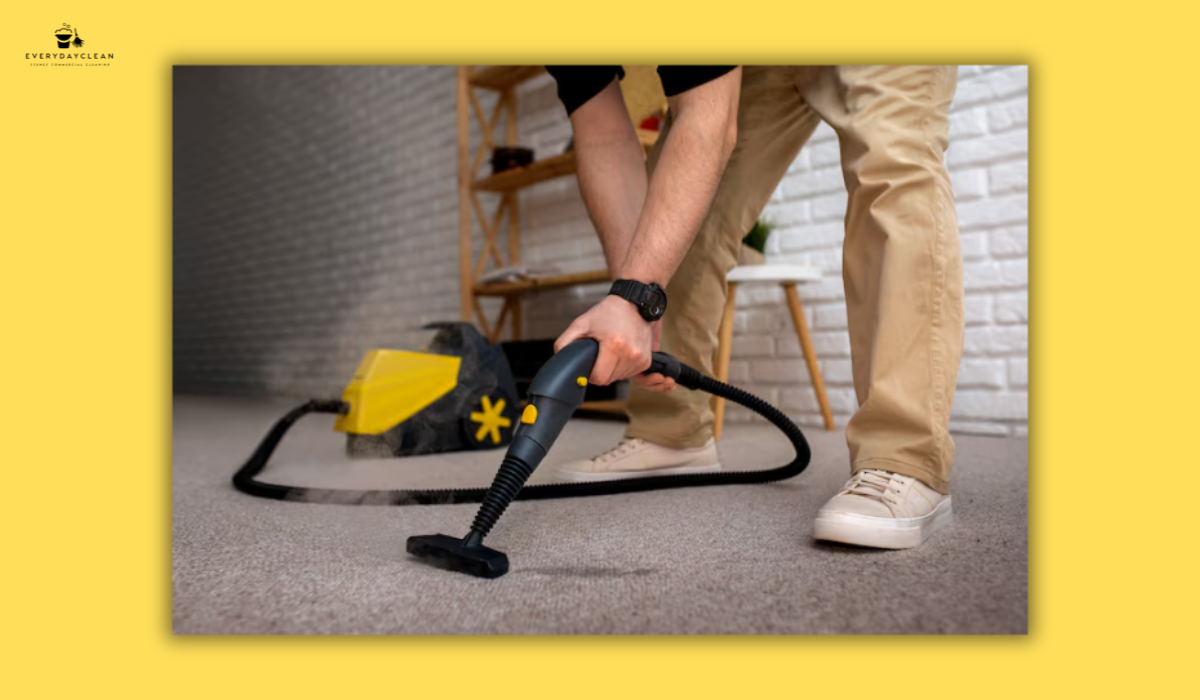
Hot water extraction (HWE) is the deepest soil removal method available for carpets and rugs, endorsed by the IICRC as the gold standard for commercial and residential deep cleaning and specified by major fibre manufacturers, including Shaw, Mohawk, and DuPont, as the recommended maintenance method for synthetic carpet warranties. The process injects a heated detergent solution under pressure directly into the carpet pile, then recovers it along with dissolved soil through high-powered vacuum extraction.
HWE detergents have a specific formulation profile that separates them from every other product in this category:
- Zero-foam or near-zero-foam - foam in an extraction machine reduces suction efficiency and risks motor damage. Standard carpet shampoos and upholstery sprays must never be used in HWE equipment.
- Low residue - the formula must rinse clean in a single extraction pass. Residue left in the pile after extraction accelerates resoiling by trapping ambient particulate matter and foot traffic soil.
- pH-matched to fibre - synthetic fibres tolerate a broader pH range (5-10), while wool requires near-neutral pH (6.5-7.5). Commercial traffic lane prespray products (high-alkaline builders) must be followed by an acid rinse when used on wool or wool-blend carpet.
- Temperature stable - HWE solution is heated to 50-90°C, depending on machine type and fibre specification. The detergent must remain effective and chemically stable across that temperature range.
For rugs specifically, hot water extraction carries a significant risk of shrinkage, colour bleeding, and backing delamination when applied to hand-knotted wool, jute-backed, or cotton-backed rugs that are not rated for full wet cleaning. Professional rug cleaning using HWE requires rug immersion washing facilities, controlled drying environments, and specialist knowledge of dye fixation and backing construction - it is not equivalent to commercial carpet extraction and should not be performed by generalist carpet cleaning companies without rug-specific training.
For
commercial carpet cleaning of large-area synthetic and wool-blend commercial carpet, professional HWE using pH-appropriate detergents and an acid rinse finish is the benchmark standard.
5. Dry Compound and Dry Foam Products
Dry cleaning products for carpet and rugs use two primary mechanisms. Dry compound products are absorbent powders or granules pre-treated with solvent, worked into the carpet pile, allowed to bind with soil particles, and then vacuumed away. Dry foam products are shampoo solutions that are aerated to foam before application, spread through the pile, allowed to dry, and then vacuumed. Both methods introduce minimal moisture compared to aqueous cleaning systems.
The primary application for dry compound and dry foam products in the rug context is on moisture-sensitive natural fibres that cannot tolerate aqueous cleaning - specifically jute-backed rugs, sisal rugs, and cotton-backed flat weaves where wetting causes fibre distortion, backing shrinkage, or brown staining from jute tannins migrating to the face fibre. Dry compound provides a cleaning action on the upper third of the carpet pile only - it does not penetrate to the backing or pad, which makes it unsuitable for heavily soiled or odour-affected pieces.
For dry carpet cleaning of synthetic area rugs between professional services, dry carpet cleaning products also serve as a low-disruption option for residential settings where room access cannot be restricted for several hours during drying.
Best for: Jute and sisal area rugs with surface-level soil, polypropylene and synthetic rugs where minimal moisture is required, and commercial carpet between extraction cycles. Not suitable for: Deep organic contamination, pet urine (dry products cannot reach the uric acid crystals in the backing), viscose rugs.
6. Spotters and Stain-Specific Treatments
Spotters are targeted, small-volume products applied directly to an isolated stain before or instead of a full cleaning treatment. They are the most fibre-type-specific product in the carpet and rug cleaning range - different stain chemistry requires different spotter formulations, and the wrong spotter can permanently set rather than remove a stain.
The following matrix maps stain type to the correct spotter category:
| Stain Type | Correct Spotter Category | Critical Application Rule |
|---|---|---|
| Pet urine (fresh) | Enzyme spotter | Saturate through to the backing; blot, do not rub |
| Pet urine (old/dried) | Enzyme spotter + warm pre-soak | Rehydrate crystals before applying the enzyme |
| Blood (fresh) | Cold water + enzyme spotter | Never use hot water - heat coagulates protein permanently |
| Red wine / coffee | Oxidising spotter (WoolSafe on natural fibre) | Colourfastness test first; work from stain edge inward |
| Grease / oil | Dry-solvent spotter | Apply before water; water disperses oil across a wider area |
| Ink | Isopropyl alcohol, blotting technique | Work from stain perimeter inward; blot repeatedly with clean cloth |
| Mud / dirt | Allow to dry completely; vacuum; then enzyme or general spotter | Never treat wet mud - water spreads the soil load deeper |
| Vomit | Remove solids first; then enzyme spotter | The solid component is as contaminating as the liquid residue |
The universal rule across all spotter applications: blot, never rub. Rubbing drives the stain compound deeper into the pile and spreads it laterally, increasing the treatment area. Work from the outer edge of the stain toward the centre to prevent spreading. For wool and natural fibre rugs, apply spotters with a soft, damp sponge and minimum mechanical pressure - the fibre scales on wool felt irreversibly under scrubbing friction.
Fibre-Type Reference: Which Products Are Safe on Which Rugs
The most useful reference for selecting carpet and rug cleaning products is a direct fibre-compatibility map. The table below covers every major rug fibre type and the product categories that are safe, conditional, or prohibited.
| Fibre Type | Safe Product Categories | Conditional | Prohibited |
|---|---|---|---|
| Nylon | Enzyme, oxidising, encapsulation, HWE detergent, dry compound, all spotters | - | None at correct dilution |
| Polypropylene / Olefin | Enzyme, oxidising, encapsulation, HWE detergent, dry compound | High-heat HWE (above 60°C) | |
| Polyester | Enzyme, encapsulation, mild HWE detergent | Strong alkalis - check pH | Strong alkaline prespray |
| Wool | WoolSafe enzyme only, WoolSafe oxidising only, near-neutral HWE with acid rinse | Oxidising spotters - test first | High-alkaline prespray, standard enzyme, bleach |
| Wool-blend | WoolSafe enzyme, WoolSafe encapsulation, near-neutral HWE | All others require WoolSafe certification | High-alkaline prespray, chlorine bleach |
| Jute / Sisal | Dry compound only for surface soil | Minimal moisture with dry foam | All aqueous products, enzyme, HWE, oxidising |
| Viscose / Art Silk / Rayon | None without specialist assessment | - | All liquid products including water, enzyme, HWE, spotters |
| Cotton | Mild enzyme, gentle HWE at low temperature | Oxidising - test colourfastness | High alkaline, chlorine bleach |
| Hand-knotted antique | Professional specialist only | All DIY products regardless of type |
FAQs
The following questions address the most common search queries about carpet and rug cleaning products, covering fibre safety, product selection, professional versus DIY treatment, and common application mistakes.
What is the best carpet and rug cleaning product for pet urine on wool?
The only product category that safely and permanently removes pet urine from wool is a WoolSafe-accredited enzyme cleaner - one that has been independently tested by the WoolSafe Organisation to confirm it does not damage wool fibre protein or cause dye bleeding at the recommended application concentration. Standard enzyme products contain high-protease concentrations that will begin digesting wool protein (keratin) alongside the uric acid compounds in pet urine if the dwell time exceeds the manufacturer's recommendation or the product is used at excess concentration. WoolSafe-certified enzyme products are formulated with enzyme concentrations calibrated to digest uric acid and organic contamination at a rate that completes the stain removal before any measurable wool protein degradation occurs. PawLab's WoolSafe-certified enzyme cleaner and Prochem's WoolSafe-rated Bio-Pro are examples used by professional rug cleaners on wool pieces. For antique or high-value wool rugs with deep urine saturation, professional rug immersion washing by a WoolSafe Approved Rug Care Specialist is the appropriate intervention rather than any DIY product application.
Can carpet cleaning products be used on all types of rugs?
No - and the damage from using the wrong product on the wrong fibre type is frequently irreversible. Viscose, art silk, bamboo silk, and rayon rugs cannot tolerate any liquid cleaning product, including water-diluted solutions, as these cellulose-based fibres yellow, develop permanent water marks, and lose structural integrity when wetted. Jute and sisal rugs cannot tolerate aqueous cleaning products, as wetting causes jute tannins to migrate to the face fibre surface as a brown stain that cannot be removed after the rug dries. Wool and natural fibre rugs require WoolSafe-certified products across every category - enzyme, oxidising, encapsulation, and HWE detergent - because standard formulations for synthetic carpets operate outside the pH range that wool can tolerate without fibre damage. The only universal safe starting point is a colourfastness test - apply the proposed product to an inconspicuous area such as a corner hem, leave for 10 minutes, and blot with a white cloth to check for dye transfer before any full stain treatment.
How often should rugs be cleaned with cleaning products versus professionally serviced?
The appropriate balance between home product application and professional cleaning depends on the rug's fibre type, pile construction, and use environment. For synthetic polypropylene or nylon rugs in residential settings, spot treatment with an enzyme or general spotter at the time of staining, combined with monthly vacuuming and annual professional hot water extraction, is a practical maintenance cycle. For wool rugs in low-to-moderate traffic areas, spot treatment with WoolSafe-certified spotters as needed, combined with bi-annual professional rug washing, is the recommended standard from the WoolSafe Organisation. For hand-knotted, antique, or high-value rugs of any fibre type, no DIY product should be applied beyond immediate blotting of fresh spills - professional rug assessment and cleaning by a WoolSafe Approved Rug Care Specialist is the appropriate maintenance method. For commercial carpets in office and retail environments, professional office cleaning programs typically schedule monthly encapsulation maintenance alongside quarterly deep extraction, with enzyme spot treatment applied to organic stains at the time of identification.
What carpet and rug cleaning products are safe around children and pets?
Enzyme-based carpet and rug cleaning products are the safest category for households with children and pets once the treated area has fully dried - typically 2-4 hours, depending on airflow. During the active dwell period, the treated area should be kept off-limits as the bacterial cultures in the enzyme formula can cause mild irritation if directly contacted or ingested. After drying, the enzyme-treated carpet is non-toxic and leaves no residue. Products certified by GECA (Good Environmental Choice Australia) and carrying Leaping Bunny cruelty-free certification - such as Enzyme Wizard's plant-based carpet cleaner (made in Australia, available in multiple concentrations) - meet both environmental and safety standards for sensitive environments. Avoid any carpet cleaning product containing ammonia, as ammonia compounds chemically resemble urine and attract pets back to the treated area, perpetuating the soiling cycle. Fragrance-free, pH-neutral enzyme products are the most appropriate choice for households where children have asthma or respiratory sensitivities. For eco-friendly carpet cleaners used in commercial environments, including childcare facilities, both GECA certification and WoolSafe accreditation should be confirmed before contract specification.
Selecting the Right Carpet and Rug Cleaning Product for Every Situation
Carpet and rug cleaning products work correctly when three criteria are matched simultaneously: the product category aligns with the stain chemistry, the formulation is compatible with the fibre type, and the application method suits the product's delivery mechanism. Enzyme cleaners for organic stains. Oxidising spotters for tannin stains on synthetics. Encapsulation for commercial maintenance between extractions. Dry compound for moisture-sensitive natural fibre rugs. WoolSafe certification for anything touching natural fibre.
The stain-type and fibre-compatibility tables in this guide provide a reference point for both residential and commercial cleaning decisions. For high-value rugs, antique pieces, or natural fibre constructions including wool, viscose, jute, and sisal, the margin for product error is small, and the damage from an incorrect choice is permanent. In those cases, professional assessment from a
commercial carpet cleaning specialist or a WoolSafe Approved Rug Care Specialist is the most cost-effective first step - before any product is applied.
Blog