Best Window Cleaning Robots in Australia
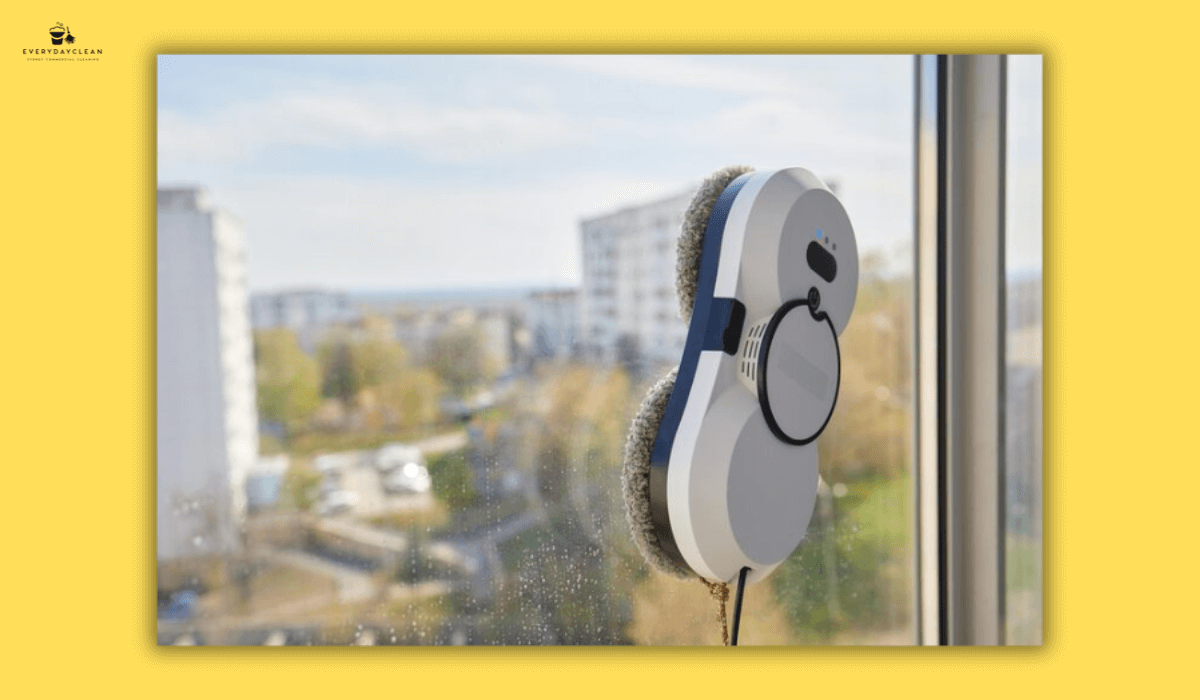
The best window cleaning robot for most Australian homes is a suction-based model matched to your glass type, window height, and how often you'll use it, rather than a single model that suits every household. As a general market guide, capable window cleaning robots in Australia typically range from around $200 for entry-level models to $900 or more for premium cordless options with backup safety features. Brands like ECOVACS WINBOT and HOBOT are commonly available through major Australian retailers and appear consistently across independent reviews, though the right choice still depends on your specific windows.
A high-rise apartment with floor-to-ceiling glass has different needs to a single-storey home with standard double-hung windows, and the safety feature set matters more the higher up you're cleaning. This guide breaks down which robot type suits which use case, the price tiers and feature sets available in the Australian market, and when a robot isn't the right solution at all.
Best Window Cleaning Robots by Use Case
Matching the robot type to your actual situation is more useful than chasing the highest suction figure on the box. The table below is a general guide to product categories and widely available brands, not a ranking or endorsement of a single model.
| Robot type/example | Typical AUD price range | Best for | Key safety feature | Avoid if |
|---|---|---|---|---|
| Entry-level suction robot | $200 to $450 | Standard flat glass, ground floor, occasional use | Manual safety rope (often sold separately) | Your windows are above ground floor |
| Mid-range robot (e.g. HOBOT series) | $450 to $700 | Larger windows, more frequent cleaning | Edge detection, some path-mapping | You need frameless glass compatibility |
| Premium cordless robot (e.g. ECOVACS WINBOT series) | $700 to $900+ | High-rise apartments, frameless or large glass | Backup battery/UPS function, app monitoring | Budget is the main priority over safety features |
| Magnetic double-sided robot | $150 to $400 | Older single-pane windows only | Physical connection between panels acts as fall prevention | You have double-glazed or laminated glass |
Treat this table as a category guide rather than a live product listing, and confirm the specific current model, exact specification, and price with the retailer at the time of purchase, since lineups and pricing change over the course of a year.
Understanding the Backup Power Feature
Window cleaning robots in Australia generally fall into three price bands: entry-level, mid-range, and premium, as shown in the use-case table above. Confirm current model names, exact specifications, and retailer availability directly with retailers before buying, since pricing reflects general market positioning rather than a live listing.
The backup power feature found in mid-range and premium models is worth understanding regardless of budget: if the robot loses suction unexpectedly, this feature is intended to hold it in place rather than let it fall, which matters more on upper floors than at ground level.
Confirm current model availability, specifications, and pricing directly with retailers before purchase, since window cleaning robot lineups change frequently and a model reviewed a year ago may no longer be current stock.
Glass and Window Compatibility
Not every window cleaning robot suits every type of glass or frame, and checking compatibility before buying avoids a returned or unused product.
Standard flat glass (most residential windows) is generally compatible with most robots on the market, including entry-level models. Double-glazed glass can be thicker than some robots are rated for, so checking the manufacturer's stated glass thickness range before buying is worth doing rather than assuming compatibility.
Frameless or edge-to-edge glass generally needs a robot with strong edge detection to avoid the unit going over the edge, a feature more commonly found in mid-range and premium models.
Tinted or reflective glass can occasionally interfere with a robot's sensors depending on the tint type, so checking manufacturer guidance for tinted glass compatibility is a reasonable precaution.
Safety Features That Actually Matter
For anyone using a window cleaning robot above ground level, the safety feature set matters more than raw cleaning performance.
- Backup battery or UPS function. Intended to hold the robot in place on the glass if main power or suction is interrupted, rather than let it fall. Generally considered a meaningful safety feature for upper-floor use rather than a nice-to-have extra.
- Anti-fall or safety rope. A physical tether, either included or sold separately, that some households use as an additional precaution regardless of the robot's built-in backup power.
- Edge detection. Helps prevent the robot travelling past the edge of the glass, particularly relevant for frameless windows without a frame to act as a natural boundary.
- App or remote monitoring. Lets you check progress without needing to watch the robot continuously, though this is a convenience feature rather than a safety one.
For windows above ground floor, a backup power feature and physical safety tether are both worth prioritising over cleaning speed or app features. A dropped robot on an upper floor is a genuine safety risk to anyone below.
What to Check Before Buying
A short checklist before purchase helps match the robot to your specific windows rather than choosing based on price alone.
- Glass thickness rating, checked against your actual windows, not just "standard glass" claims.
- Backup power or safety rope, particularly for any window above ground floor.
- Edge detection, especially important for frameless or edge-to-edge glass.
- Window frame compatibility, since some robots are designed for framed glass only.
- Battery life or corded operation, relevant if cleaning larger windows or multiple panes in one session.
- Current retailer stock and price, since availability and pricing change and this guide reflects general market tiers rather than live listings.
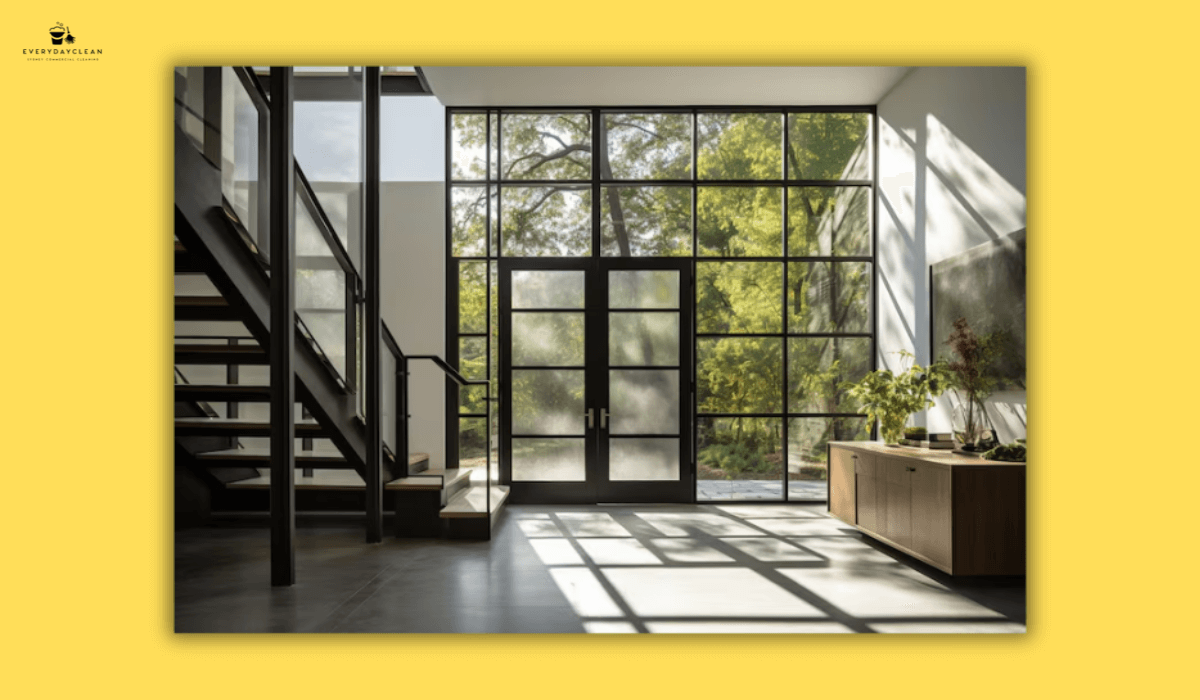
When a Window Cleaning Robot Isn't the Right Solution
A robot generally suits regular maintenance cleaning on accessible, standard-thickness glass. It's not usually the right tool for heavily soiled windows needing a deep clean, very large commercial-scale glass, or windows with unusual shapes and mullions that interrupt a robot's path.
For high-rise apartments, heritage windows, or glass that hasn't been cleaned in some time, a professional window cleaning service is generally a more reliable option than relying on a robot alone, particularly where access or safety is a genuine concern rather than just convenience.
For households weighing up a robot against a manual alternative for hard-to-reach windows from inside, a guide to tools to clean apartment windows from inside covers non-robotic options worth considering if a robot isn't the right fit for your setup.
Choosing the Right Robot for Your Windows
Choosing a window cleaning robot comes down to matching the price tier and feature set to your actual windows: glass type, access height, and how often you'll use it. Entry-level models generally suit standard ground-floor glass used occasionally, while mid-range and premium models with backup power and edge detection are worth the extra cost for upper floors or larger glass.
If your windows are above ground level, prioritising the safety features over cleaning speed or app convenience is the more important decision, and confirming current model specs and pricing directly with a retailer before buying is always worth the extra few minutes.
FAQ about The Best Window Cleaning Robot
Which window cleaning robot is best for apartments?
For apartments, particularly above the ground floor, a mid-range or premium model with a backup battery/UPS function and edge detection is generally the better choice over an entry-level unit, since the safety consequences of a dropped robot are higher in a multi-storey building. Frameless or floor-to-ceiling glass, common in newer apartments, also benefits from the stronger edge detection typically found in higher-tier models. Confirming the robot's stated glass compatibility against your specific windows before buying remains important regardless of tier.
Are cheap window cleaning robots worth it?
Cheap window cleaning robots can be worth it for ground-floor, standard flat glass used occasionally, where the safety stakes of a dropped unit are low. They're generally a poorer choice for upper floors, frameless glass, or frequent use, since entry-level models often lack backup power features and can have weaker suction or edge detection. Matching the price tier to your actual risk level and window type is more useful than assuming cheaper is always a false economy or premium is always necessary.
Are window cleaning robots safe for high-rise apartments?
Window cleaning robots can be used on high-rise apartments, but safety depends heavily on the specific model's backup power feature and whether a physical safety tether is used as well. A robot without a backup battery or UPS function carries more risk of falling if suction is interrupted, which is a genuine safety concern on upper floors. Checking for both a backup power feature and tether compatibility is worth prioritising over cleaning performance for high-rise use.
Do window cleaning robots work on all glass types?
Most window cleaning robots work on standard flat glass, but compatibility can vary for double-glazed, frameless, or tinted glass depending on the specific model's suction rating and sensor design. Checking the manufacturer's stated glass thickness range and any tinted-glass guidance before buying is more reliable than assuming a robot will suit every window type in a home.
How much do window cleaning robots cost in Australia?
As a general market guide, entry-level window cleaning robots in Australia typically start around AU$200, with mid-range models commonly falling between AU$450 and AU$700, and premium models with backup power and app features ranging from AU$700 to AU$900 or more. Exact current pricing varies by retailer and model, so confirming current listings before buying is recommended.
Can a window cleaning robot replace professional window cleaning?
A window cleaning robot can handle regular maintenance cleaning on accessible, standard-thickness glass, but it's generally not a substitute for professional cleaning on heavily soiled windows, large commercial glass, or windows with access or safety challenges a robot isn't designed to handle. For high-rise, heritage, or infrequently cleaned windows, a professional service is generally the more reliable option.
What safety feature matters most for a window cleaning robot?
A backup battery or uninterruptible power function is generally considered the most important safety feature, since it's intended to hold the robot in place on the glass if main power or suction is interrupted, rather than let it fall. This matters significantly more for windows above ground floor than for ground-level use, where a dropped unit poses less risk.
Blog