8 Steps for the Best Way to Clean a Colorbond Roof
The best way to clean a Colorbond roof is to follow an eight-step low-pressure washing method that protects the steel coating while removing dirt, moss, and algae. The process begins by inspecting the roof, clearing loose debris, and pre-wetting the surface to prepare it for cleaning. A Colorbond-safe detergent is then applied, followed by gentle brushing to lift embedded contamination. The roof is rinsed using controlled low pressure, treated with a biocide to prevent regrowth, and finished with a final rinse to leave the surface clean, safe, and uniform. This structured approach delivers a thorough clean without damaging the Colorbond finish.
8-Step Checklist: Best Way to Clean a Colorbond Roof
Before detailing each step, it is important to understand that Colorbond steel requires a cleaning method built around controlled pressure, mild cleaning agents and careful sequencing. This prevents paint degradation, corrosion risks and moisture intrusion. The checklist below presents the full cleaning process from inspection to final rinse.
1. Inspect the Colorbond roof and assess contamination
The cleaning process begins with a structured inspection, which establishes contamination levels and identifies zones requiring additional attention. This includes scanning for algae, lichen, darkened streaks, sap buildup, oxidation marks, tree debris and areas where moisture collects. Inspection also identifies vulnerable features such as flashing edges, screws, joins, and older painted sections where the finish may be thinner. Understanding the roof’s condition ensures cleaning products and pressure settings align with what the coating can safely tolerate. A precise inspection reduces the risk of surface abrasion and ensures the full eight-step method is tailored to the roof’s needs.
2. Remove loose debris to prepare the surface
Removing loose material ensures the cleaning agent makes direct contact with the steel surface. This step involves sweeping or blowing away leaves, sticks, dust, seed pods and debris caught beneath ridge capping or overlapping sheets. Clearing debris prevents scratching during the detergent stage and reduces the likelihood of clogging drainage points. This preparation step stabilises the surface for wet cleaning and reduces slip risks, which is especially important when working on angled Colorbond roofing. Colorbond roofs on newly built or renovated properties often require additional inspection due to construction dust, metal filings and residue left behind. In these cases, professional construction cleaning services ensure post-build contaminants are safely removed before standard roof maintenance begins.
3. Pre-wet the roof to moderate chemical absorption
Pre-wetting the roof prevents detergents from drying too quickly and ensures the surface remains cool enough for even chemical distribution. Colorbond steel heats rapidly, especially in summer, and applying detergent to a dry, hot surface can cause streaking. A gentle, low-pressure rinse hydrates the roof, helping cleaning agents spread uniformly. Pre-wetting also protects the baked-on finish from concentrated chemical exposure, supporting a smoother cleaning stage that maintains surface integrity.
4. Apply a Colorbond-safe detergent with controlled dwell time
This step introduces the primary cleaning action that removes dirt, pollution residue, and biological films. Colorbond-safe detergents are designed to lift contaminants without degrading the coating or affecting the paint’s long-term adhesion. Using a low-pressure sprayer ensures the solution is distributed evenly across the roof. Dwell time must be long enough for the chemical to break down grime, but never long enough for the detergent to dry out. Managing this window ensures the product softens buildup while protecting the finish. This stage forms the foundation of effective Colorbond roof cleaning.
5. Gently brush problem areas to lift stubborn contamination
Some zones accumulate thicker contamination, particularly shaded areas where moisture lingers. Gentle brushing using a soft-bristled tool dislodges algae, lichen, and dirt embedded in micro-textures. Brushing must remain controlled and directional to prevent micro-abrasions. When paired with detergent, brushing helps lift contaminants that washing alone cannot remove. This technique is especially important on roofs near trees, in coastal areas, or on surfaces affected by biological growth. Controlled brushing ensures thorough cleaning while preserving the roof coating.
6. Rinse thoroughly using low-pressure washing
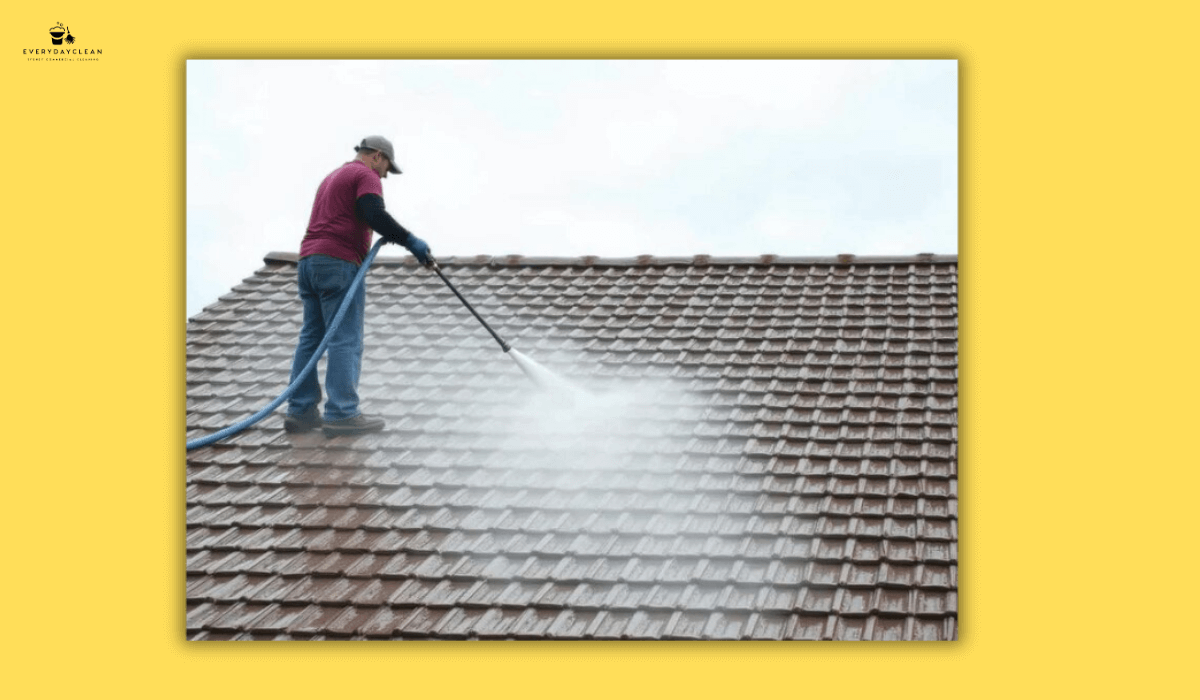
Low-pressure rinsing removes detergent, dislodged contaminants, and residue without damaging the Colorbond surface. High-pressure systems can strip paint, loosen screws, and force water beneath sheets, so only controlled pressure levels should be used. Rinsing should follow the natural flow of the roof—from ridge to gutter—to maintain directional consistency and prevent streaking. A thorough rinse leaves the roof clean, uniform, and free of chemical film. This step is one of the most critical components of safe Colorbond roof maintenance.
7. Apply a biocide treatment for moss, algae, and lichen control
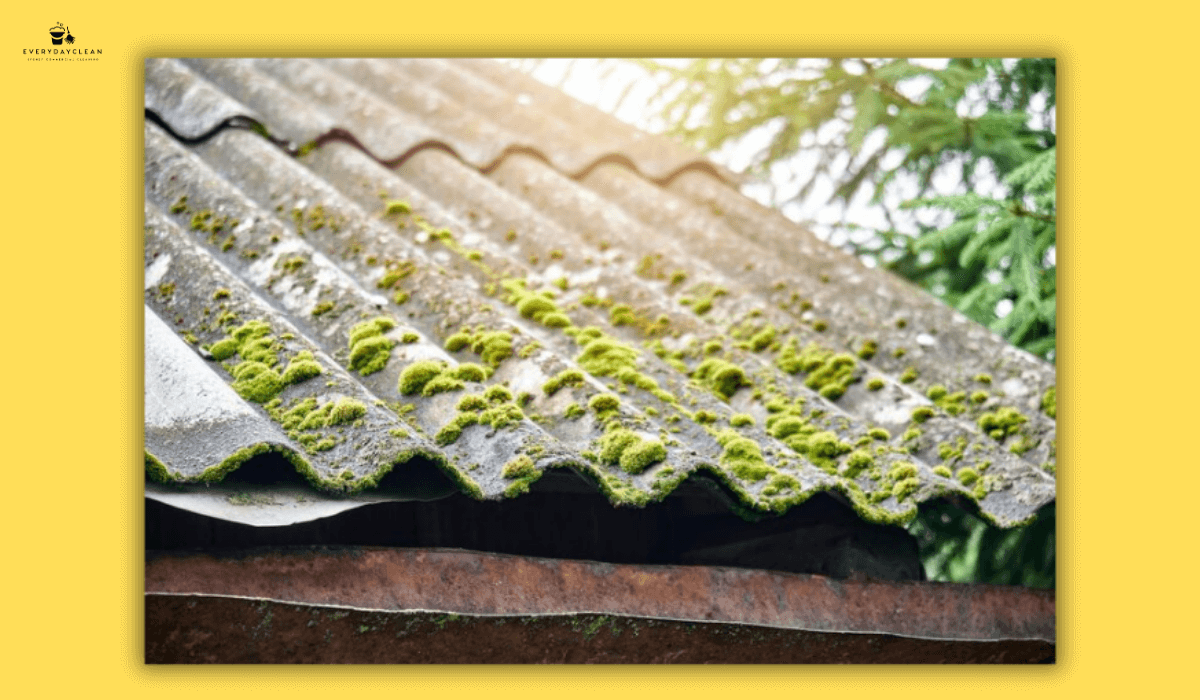
Biological growth requires targeted treatment after the main wash. A Colorbond-compatible biocide prevents regrowth by penetrating into microscopic textures where spores rest. This protective step reduces long-term staining and moisture retention, both of which can undermine the roof’s performance. The biocide must be formulated without harsh oxidisers or caustic components to ensure coating safety. This post-clean treatment supports extended cleanliness and reduces the need for frequent heavy-duty washing.
8. Final rinse and inspection to confirm a clean, safe finish
A final rinse neutralises any remaining cleaning agent and ensures the surface dries without residue. Once rinsed, the roof should be inspected again to confirm that problem areas have been resolved, gutters are clear, and streaking has not occurred. This final check ensures every stage of the process has been executed correctly, resulting in a clean, safe and visually consistent Colorbond roof.
What Cleaning Products Are Safe for Colorbond Roofs?
Before presenting a product table, it is important to clarify why product selection matters. Colorbond steel reacts adversely to caustic, abrasive, or high-alkaline cleaners, meaning only mild and compatible products should be used. The table below outlines cleaning product categories suitable for use within the eight-step process.
Colorbond-Safe Cleaning Product Overview
| Product Type | Description | Best Use Case |
|---|---|---|
| Non-caustic roof detergent | Mild, pH-balanced formula that lifts soil | General cleaning before rinsing |
| Enzymatic cleaner | Breaks down organic matter chemically | Moss, algae and lichen removal |
| Colorbond-approved biocide | Targeted anti-growth solution | Post-clean protection |
| Soft wash detergent | Low-foam mix for controlled washing | Large roof coverage with low pressure |
| Neutralising rinse additive | Removes chemical residues | Final rinse for older roofs |
These products ensure safe cleaning while preserving the protective Colorbond finish.
Pressure Washing vs Manual Cleaning for a Colorbond Roof
A brief transition helps clarify the reasoning behind comparing these cleaning methods. Homeowners often assume pressure washing is the fastest solution, but the coating on Colorbond steel requires caution when applying mechanical force.
Comparison Summary
Low-pressure washing is the preferred method because it balances cleaning effectiveness with coating protection. Manual cleaning with soft brushes is useful in high-contamination areas or on older roofs where surface wear is more pronounced. High-pressure washing should be avoided entirely. It can force water under sheets, chip paint and accelerate surface degradation. A combined manual and low-pressure approach delivers the safest results while supporting long-term durability.

Maintenance Tips for Colorbond Roofing
A transition paragraph is needed here to connect maintenance with the eight-step cleaning method. Once the roof is cleaned properly, long-term maintenance preserves outcomes and reduces cleaning frequency.
Maintenance Recommendations
Maintenance includes clearing gutters, removing debris from valleys, trimming overhanging branches, and scheduling periodic rinsing in dusty environments. Consistent upkeep prevents buildup that requires more aggressive cleaning later. Seasonal inspection of moss-prone areas helps identify biological growth early, reducing the need for heavy treatments. For multi-unit buildings and shared properties, consistent roof and exterior maintenance is essential to prevent long-term damage. Professional strata cleaning services help maintain Colorbond roofs across apartment complexes, townhouses, and managed properties by addressing debris buildup, biological growth, and drainage issues early.
DIY Colorbond Roof Cleaning Tips for Homeowners
To make DIY advice smoother and more practical, a short lead-in paragraph clarifies that homeowners must prioritise safety and avoid overly aggressive cleaning methods.
Practical DIY Guidance
DIY cleaning should follow the eight-step process, but with precautions around ladder stability, footwear grip, weather conditions and tool selection. Low-pressure garden attachment systems and soft brushes are preferred. Homeowners should avoid standing on steep, wet roof sections and never attempt high-pressure washing. Understanding one’s physical limitations and using extension tools increases safety while enabling a controlled, effective clean.
Safety Precautions for Cleaning a Colorbond Roof
Before listing the safety measures, a transition paragraph highlights that roof cleaning combines height, moisture, and chemical handling—making safety essential.
Essential Safety Measures
Roof cleaning requires non-slip footwear, fall protection, careful ladder positioning, eye and skin protection, controlled movement, and weather awareness. Chemical exposure should be minimised by using approved products. A spotter or second person increases safety and supports equipment management. These precautions significantly reduce slip, fall, and chemical-related incidents.
How Often Should a Colorbond Roof Be Cleaned?
This section requires a smoother transition linking cleaning frequency with environmental factors. Colorbond roofing responds differently depending on climate, debris load and moisture exposure.
A Colorbond roof should generally be cleaned every 12–24 months, with more frequent washing recommended in coastal, tree-heavy or shaded areas where algae and salt buildup are common. Regular cleaning prevents deterioration and reduces the need for heavy manual brushing. Following the eight-step cleaning process maintains the roof’s appearance and structural resilience.
FAQs About the Best Way to Clean a Colorbond Roof
Before starting the FAQs, this paragraph clarifies why the questions matter. Many homeowners search for practical advice on safety, cleaning methods, product compatibility, and timing—making detailed answers essential for clarity and confidence.
How to clean a Colorbond roof effectively?
The most effective method is the eight-step low-pressure routine that includes inspection, debris removal, controlled detergent application, gentle brushing and thorough rinsing. This structured process ensures contaminants such as dirt, algae and lichen are removed without harming the Colorbond coating. High-pressure cleaning is unsafe and should never be used; it can damage paint, loosen screws and force moisture under sheets. Using Colorbond-safe detergents and biocide treatments ensures results last longer, and the roof remains protected. Effectiveness depends not only on the products used but on sticking closely to each stage of the eight-step process.
What cleaning products are safe for Colorbond roofs?
Safe products include non-caustic detergents, enzymatic cleaners, soft wash solutions and Colorbond-approved biocides. These cleaning agents lift grime and treat biological growth without degrading the baked-on paint system. Products containing bleach, caustic soda, abrasive particles, or high alkalinity levels should be avoided because they weaken the coating and reduce the roof’s lifespan. Safe cleaning products are those that provide effective soil removal while maintaining coating integrity. Choosing the correct product ensures consistent cleaning performance aligned with Colorbond maintenance guidelines.
What are the best methods for removing moss and algae from a Colorbond roof?
The best method involves a controlled sequence: pre-wetting the roof, applying enzymatic cleaner, allowing calculated dwell time, gently brushing affected areas and rinsing with low pressure. Moss and algae bond strongly to shaded and moisture-prone sections of the roof, so biochemical action is essential to break down the organic structure. After cleaning, applying a Colorbond-compatible biocide prevents regrowth by penetrating and neutralising spores left behind. Avoid scraping or using abrasive pads, as these methods damage the protective coating and increase long-term cleaning needs.
Pressure washing vs manual cleaning Colorbond roof: which is better?
Low-pressure washing combined with manual brushing provides the safest and most effective result. High-pressure washing must be avoided because it strips coating layers, drives water beneath sheets, and weakens fixings. Manual brushing alone may not remove embedded dirt or biological films, especially on roofs with extended contamination. Low-pressure systems deliver even cleaning action across wide surfaces without compromising structural or coating integrity. This blended approach maintains the roof’s finish while preventing avoidable wear.
How often should a Colorbond roof be cleaned?
Most Colorbond roofs benefit from a full clean every 12–24 months. However, environmental conditions—such as coastal salt, leaf debris, industrial fallout, or shaded moisture—may require annual cleaning. Consistent cleaning prevents algae buildup, staining and surface degradation. Regular rinsing of gutters and roof valleys can extend the time between full cleans. Following a defined schedule not only maintains appearance but also enhances roof longevity by reducing surface stressors.
What should be avoided when cleaning Colorbond roofs?
Avoid high-pressure washing, chlorine-based cleaners, caustic chemicals, abrasive pads, metal scrapers, and any tools that apply direct force to the paint layer. These materials and techniques compromise the baked-on coating, introduce micro-scratches and increase the risk of corrosion. Avoid walking on wet or steep sections without appropriate grip and safety gear. Avoid cleaning during high winds or intense sunlight, both of which create safety hazards and reduce detergent effectiveness. Keeping to safe, compatible methods preserves the roof’s integrity.
Protect Your Colorbond Roof With Safe, Professional Cleaning
A clean Colorbond roof depends on using the correct eight-step process, gentle pressure levels, and compatible cleaning products that preserve the protective finish. Everyday Clean delivers roof-cleaning services that follow this exact methodology to achieve safe, consistent results.
For tailored Colorbond roof cleaning support, contact
Everyday Clean today.
Blog