Best Mould Removers in Australia: Top Products Reviewed
The best mould remover in Australia depends on the surface you are treating, how well the area is ventilated, how severe the mould is, and whether it is surface-level or keeps coming back. There is no single best mould killer for every situation, so matching the product type to the surface and the cause tends to matter more than picking a top-rated bottle.
This is a comparison guide to help choose between product types, not a step-by-step removal method. It works through the main mould remover categories, the surfaces each suits, the safety points that apply to all of them, and the situations where no product alone will fix the problem.
The Best Mould Remover Depends On The Situation
Before comparing products, it helps to be clear that the right choice shifts with the circumstances. A small patch of surface mould on bathroom grout has very different needs to mould on outdoor paving or recurring mould on a painted wall.
Key factors that decide the best mould cleaner for a given job include the surface material and whether it is porous, how much ventilation the area has, the severity and spread of the mould, whether it keeps returning, and any colour or finish that could be damaged. Weighing these together points to a product type far more reliably than a general best-of claim.
Main Mould Remover Product Types
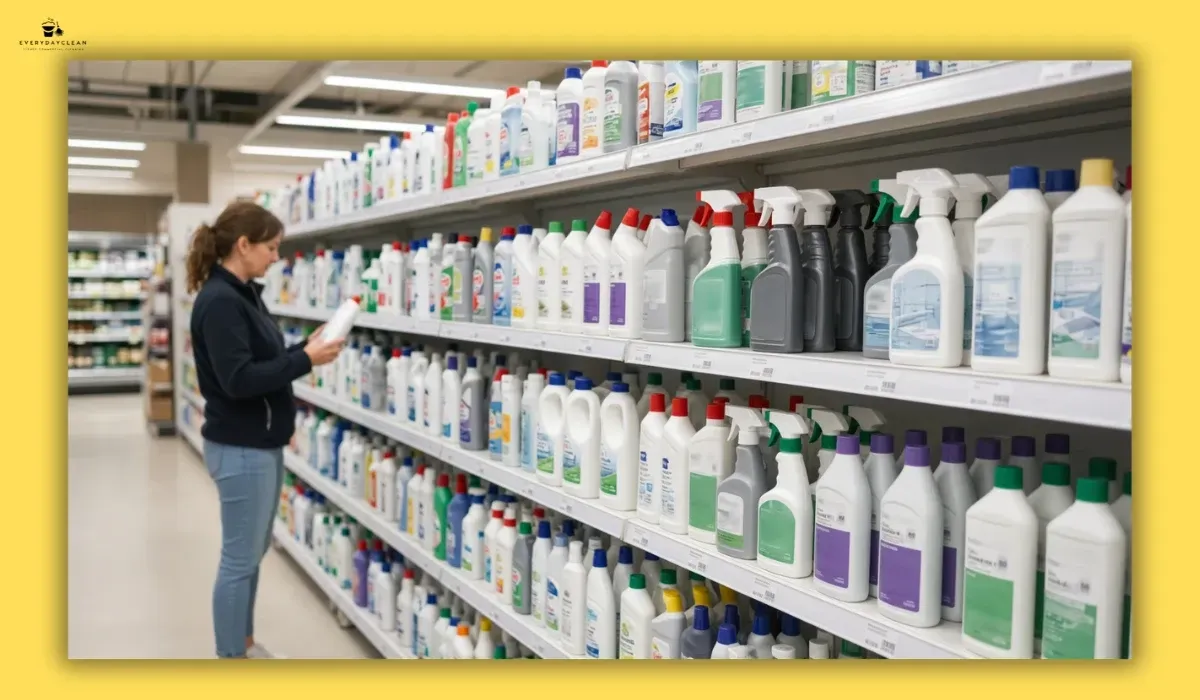
Australian shelves carry several categories of mould remover, each with different active ingredients and strengths. Availability, brand and exact formulation vary by state and retailer, so it is worth reading the label of the specific product rather than assuming all products in a category behave the same.
Hydrogen Peroxide Cleaners
Hydrogen peroxide-based cleaners are a common option that can work on a range of surfaces and are often chosen as a less harsh alternative to bleach. They can lighten some surfaces, so testing first matters, and they generally need the contact time stated on the label to be effective.
Benzalkonium Chloride Mould Killers
Benzalkonium chloride is the active ingredient in many products marketed specifically as mould killers, including some designed to leave a residual layer. These are often used on hard surfaces and outdoor areas. As with any product, the label directions and any residual claims should guide use.
Bleach-Based Products
Bleach-based mould removers are widely available and often used on hard, non-porous surfaces. They can lighten or damage some materials and colours, produce strong fumes, and must never be mixed with other cleaners, particularly ammonia. They are generally less suited to porous surfaces, where mould can sit below the surface that bleach reaches.
Vinegar-Based Cleaners
Vinegar is a milder, household option some people prefer for light surface mould. It is acidic, so it should be kept away from natural stone and other acid-sensitive surfaces, and it may need repeat application. It is generally better suited to light, surface-level mould than heavy growth.
Outdoor Mould Removers
Outdoor and exterior mould removers are formulated for paving, exterior walls, roofs and render, where mould, moss and lichen build up. Some are designed to be applied and left, sometimes working with rainfall over time. These are generally not intended for indoor use, so the label's surface and application guidance matters.
Commercial-Grade Options
Commercial-grade products are typically stronger or designed for larger areas and professional use. They often come with more specific handling and PPE requirements, so they suit trained users and shared or commercial settings rather than casual home use.
Best Use Cases By Surface
Matching the product to the surface is where most of the decision sits. The table below is a general guide, and the label of the specific product should always be checked for surface suitability.
| Surface | Often Suited To | Watch Out For |
|---|---|---|
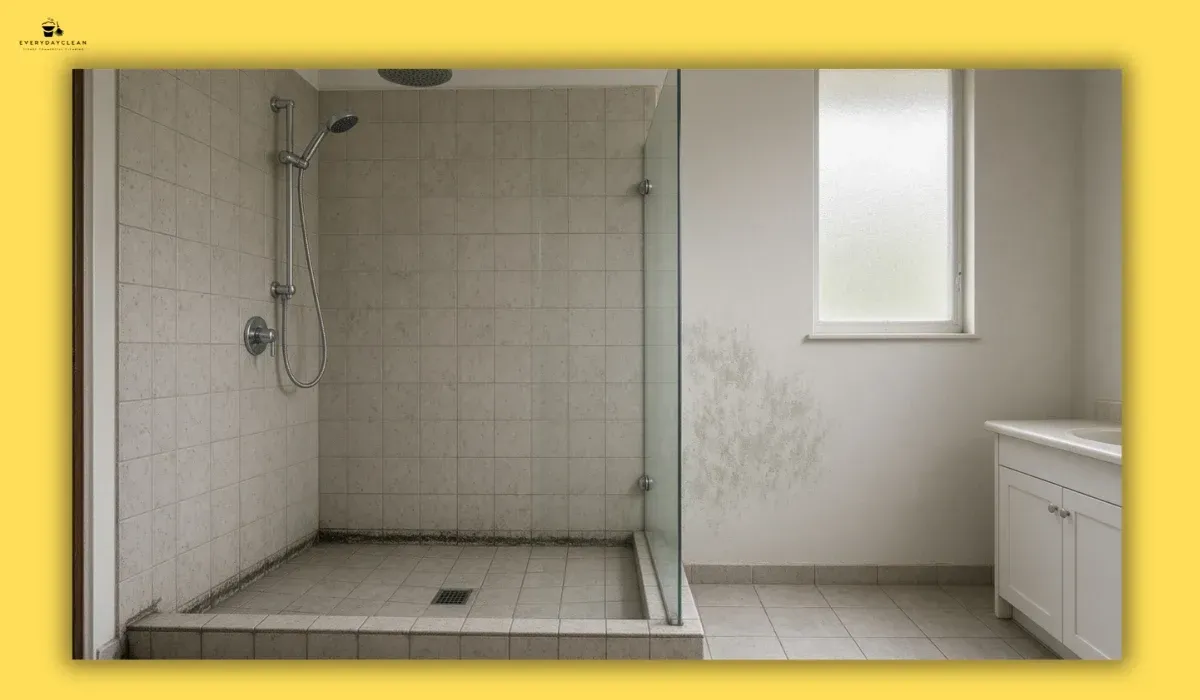
| Bathroom grout | Peroxide or dedicated mould killers | Coloured grout can lighten |
| Silicone seals | Products rated for silicone, gel formulas | Deeply stained silicone may need replacing |
| Painted walls | Milder or peroxide-based cleaners | Harsh products can strip paint |
| Ceilings | Gentle, low-drip application | Working at height, over-wetting |
| Tiles | Most hard-surface products | Acidic products on natural stone |
| Outdoor paving | Outdoor mould removers | Not for indoor use |
| Exterior walls and render | Exterior formulas | Surface compatibility, runoff |
| Shared or commercial spaces | Commercial-grade or professional support | Handling and PPE requirements |
Porous surfaces such as unsealed grout, silicone and some render can hold mould below the surface, so a product that cleans the visible layer may not reach all of it. Deeply stained silicone, for example, is sometimes better replaced than cleaned.
Safety Applies To Every Mould Product
Whatever product type is chosen, the same safety basics apply, since mould removers are cleaning chemicals and mould itself can irritate.
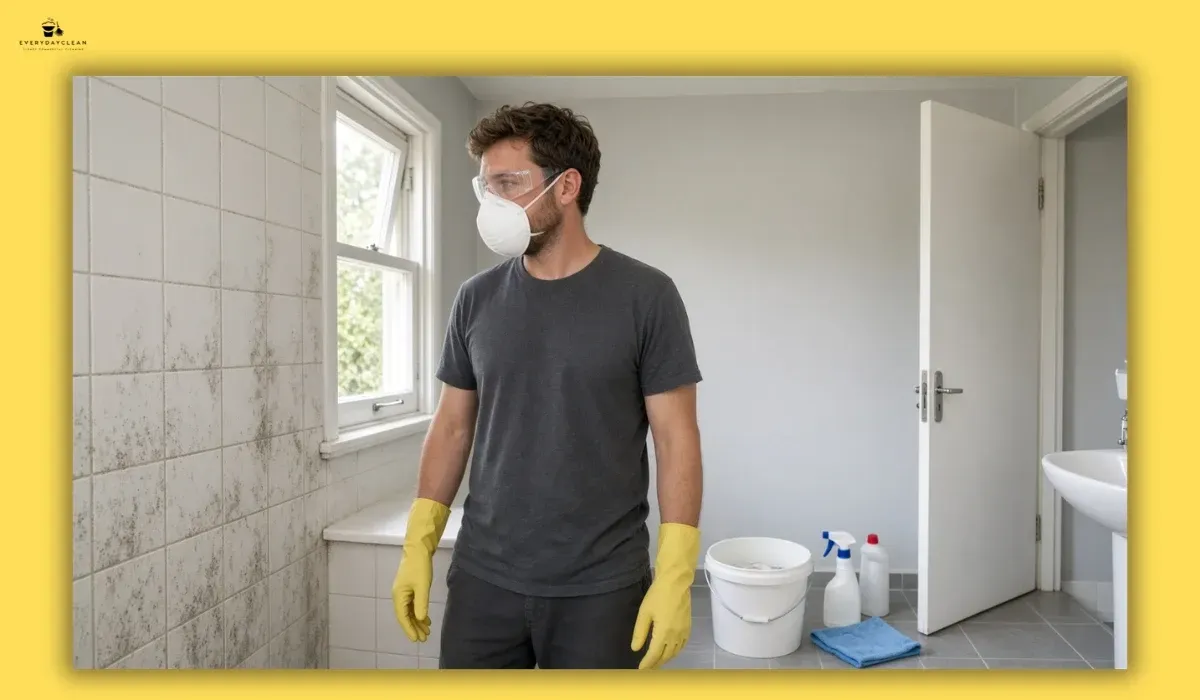
- PPE: wear gloves, eye protection and a suitable mask or respirator, since disturbing mould can release spores and products can irritate
- Ventilation: open windows and doors so the area is not enclosed while treating mould
- Never mix chemicals: combining products, especially bleach with ammonia or other cleaners, can create dangerous fumes
- Test first: try any product on a small hidden area to check for colour lifting or surface damage
- Follow the label: contact time, surface suitability, dilution and rinsing instructions vary between products
These steps reduce risk but do not remove it entirely, and any product should be used strictly according to its own label and Safety Data Sheet.
When A Product Is Not Enough
Even the right product has limits, and some mould problems are not really a product choice at all. A mould remover treats what it can reach on the surface, but it cannot fix why the mould is there.
Situations where a product alone is generally not enough include mould that keeps returning after treatment, large or widespread areas, porous materials where mould has penetrated below the surface, mould linked to a water leak or rising damp, and moisture hidden in HVAC systems, wall cavities or subfloors. In these cases the moisture source has to be addressed, and specialist assessment may be needed, since cleaning the surface repeatedly will not resolve an underlying damp problem.
Availability And Formulations Vary Across Australia
Which mould products are on the shelf, and their exact formulations, can vary by state, retailer and over time. A product available in one chain or region may be sold under a different name or formula elsewhere, and formulations can change.
Because of this, it is worth reading the current label for active ingredients, surface suitability and directions rather than relying on a product name alone. This guide compares general product types rather than endorsing specific tested products, and any specific product should be assessed on its current label and Safety Data Sheet.
Choosing And Using A Mould Remover Wisely
The most reliable way to choose a mould remover in Australia is to start from the surface and the situation, not the brand: identify the material, check whether it is porous or acid-sensitive, consider the severity and ventilation, then pick a product type suited to that combination and confirm it on the label. Testing first and following the directions matters as much as the product choice.
For larger, recurring or shared-space mould, professional cleaning help for commercial spaces can support planning and cleaning across bigger areas, while leaks, hidden moisture and porous damage may need specialist assessment. No product removes mould permanently on its own, so pairing the right cleaner with fixing the moisture source is what keeps mould from simply returning.
Frequently Asked Questions About Mould Removers
What Is The Best Mould Remover In Australia?
There is no single best option, since it depends on the surface, ventilation, severity and whether the mould recurs. Peroxide-based cleaners suit many surfaces, dedicated mould killers suit hard surfaces, and outdoor formulas suit paving and exterior walls. Matching the product type to the surface and cause matters most.
What Is The Best Mould Killer For Bathrooms?
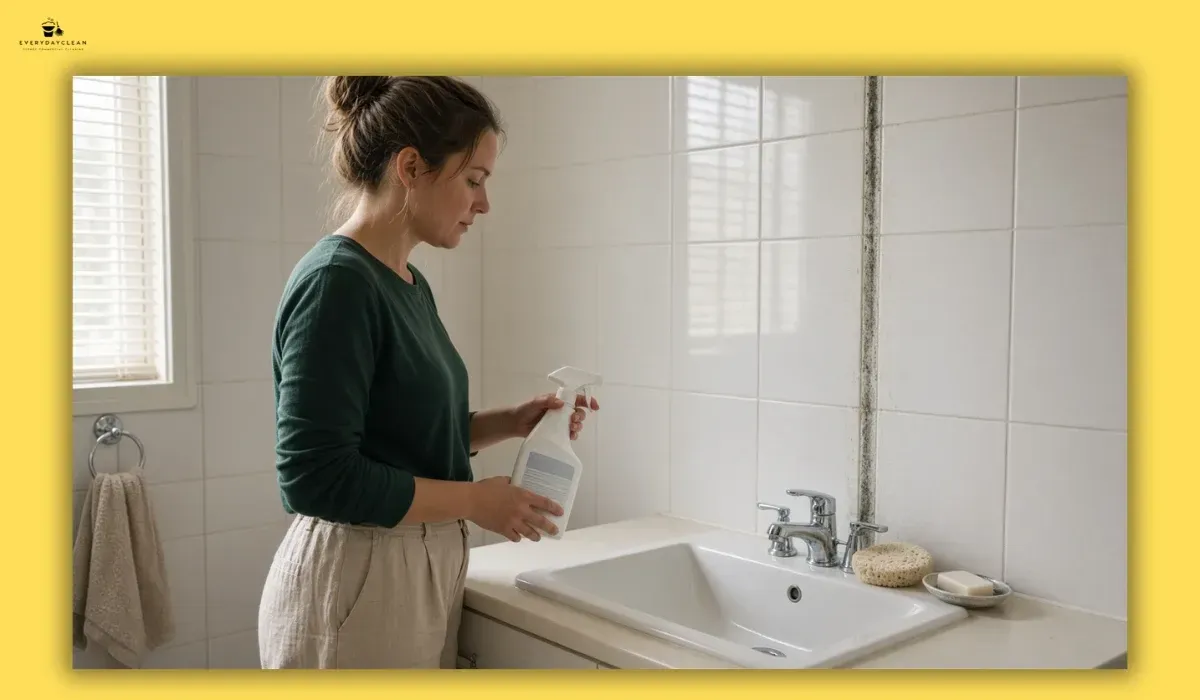
For bathroom grout and hard surfaces, peroxide-based cleaners or products made specifically as mould killers are common choices, tested first on coloured grout or silicone. Managing moisture and ventilation matters just as much, since bathroom mould returns if the damp is not addressed.
What Is The Best Outdoor Mould Remover?
Products formulated for exterior use on paving, render and walls are designed for outdoor mould, moss and lichen, and some are applied and left to work over time. They are generally not for indoor use, so the label's surface and application guidance should be followed.
Can Mould Removers Remove Mould Permanently?
No. A mould remover treats surface mould, but it does not remove mould permanently on its own. If the moisture source remains, such as a leak, condensation or poor ventilation, the mould generally returns. Lasting results come from fixing the cause alongside cleaning.
Blog