After Hours Commercial Cleaning: Room-by-Room Guide
After-hours commercial cleaning is a scheduled service window in which professional cleaners access a commercial premises after occupants have left - typically between 6 pm and 6 am - and complete a documented scope of cleaning tasks before the next business day begins. The service is structured around a pre-agreed checklist organized by area, task, and frequency. That checklist is the operational core of any after-hours contract: it defines what gets cleaned, how often, to what standard, and who is accountable for each line item.
The following room-by-room and task-by-task breakdown covers every component that should appear in a professionally managed after-hours commercial cleaning program. Each section includes daily essentials, periodic tasks, and compliance requirements relevant to commercial tenancies operating under the Work Health and Safety Act 2011 (Cth) and Safe Work Australia's workplace hygiene guidance.
The After-Hours Commercial Cleaning Checklist by Area
This is the operational section that drives results. A well-structured after-hours commercial cleaning checklist is not a generic one-page form - it is a living document organized by physical zone, assigned by task frequency, and signed off at each visit. The areas and tasks below represent the minimum standard expected in professionally managed commercial environments. Facilities with higher foot traffic, regulated environments, or multi-tenant arrangements will require expanded coverage within each zone.
Reception and Building Entry
Reception areas set the first impression for every client, visitor, and staff member who enters the building. After hours, this zone requires a full reset rather than a surface-level tidy.
Daily tasks:
- Vacuum all entry matting and entrance rugs thoroughly, including the underside edge where debris accumulates
- Dust and wipe all hard surfaces, including reception desk, counter top, signage, and any display shelving
- Disinfect the reception counter, particularly high-contact points such as the sign-in tablet, pen holders, and counter edges
- Remove all waste from bins and replace liners
- Spot-clean internal glass panels, sliding doors, and sidelight windows using a streak-free microfibre system
- Polish any stainless steel or chrome surfaces on door handles, push plates, and lift call buttons
- Vacuum or mop the flooring to the perimeter of the zone, including under seating
Weekly tasks:
- Dust ceiling vents, light fittings, and high ledges using an extension duster
- Remove cobwebs from corners and door frames
- Deep clean door tracks and thresholds
Workstations and Open-Plan Desks
Open-plan workstation zones require a consistent approach that respects personal belongings while meeting documented hygiene standards. The cleaning industry standard is to clean around items on desks rather than moving them, unless instructed otherwise in the scope of work.
Daily tasks:
- Empty all desk-side and zone bins; replace liners
- Wipe and disinfect shared surfaces, including standing desk frames, printer stations, and communal shelving
- Vacuum all chairs (fabric seating) using an upholstery attachment
- Vacuum or mop flooring throughout the zone, including under and behind workstation pods
- Spot-clean partition walls and screens at contact height
Weekly tasks:
- Damp-wipe monitor arms, cable management trays, and desk legs
- Wipe down window sills and internal ledges with a damp cloth
- Spot-clean wall marks at contact height around light switches and door frames
Periodic (monthly):
- Detail-dust blind slats, vertical blinds, and window coverings
- Clean skirting boards and the base of partition walls
- Deep-clean floor edges and corners not reached during standard mopping
Desk environments in offices where staff use personal peripherals - headsets, keyboards, mouse units - benefit from a written provision in the scope of works that clearly states which surfaces are included in daily disinfection and which require opt-in cleaning by the individual staff member.
Restrooms and Washrooms
Restrooms carry the highest hygiene risk of any zone in a commercial building and require the most rigorous task completion and documentation. The Cleaning Services Award 2020 (MA000022) and WHS Regulation 2025 both reinforce that washroom cleaning must follow documented procedures using colour-coded equipment to prevent cross-contamination between zones.
Daily tasks:
- Disinfect all toilet bowls, under-rim areas, and external surfaces using a TGA-registered hospital-grade disinfectant with the specified dwell time observed
- Wipe and disinfect all cisterns, flush plates, and seat hinges
- Clean and disinfect vanity basins, taps, and waste surrounds
- Disinfect all high-touch points: door handles, light switches, lock barrels, and hand dryer buttons
- Clean mirrors using a lint-free cloth and streak-free glass cleaner
- Mop all floor surfaces including around base of fittings and into corners
- Replenish all consumables: hand soap, paper towels, toilet tissue, and sanitary disposal units as required
- Remove all bin waste and replace liners
- Check and clean grout lines at floor level for visible build-up
Weekly tasks:
- Descale showerheads, taps, and basin drains
- Clean exhaust fan covers and ventilation grilles
- Scrub grout lines on floor tiles using a stiff brush and tile cleaner
The single most common compliance failure in commercial washroom cleaning is insufficient dwell time for disinfectant products. A product rated to kill target pathogens must remain wet on the surface for the contact time specified on the Safety Data Sheet (SDS) - typically 30 seconds to 5 minutes - before being wiped off. Spraying and immediately wiping constitute surface-level cleaning only, not disinfection.
Kitchen and Staff Break Room
Commercial kitchens and staff break rooms accumulate food residue, grease, and moisture daily. In shared tenancy environments, this zone is also the most frequently cited source of pest activity when cleaning standards lapse.
Daily tasks:
- Wipe and disinfect all bench surfaces, splashbacks, and sink surrounds
- Clean the exterior of all appliances: microwave, toaster, coffee machine, and refrigerator door handles
- Clean microwave interior - walls, ceiling, and turntable
- Wipe and disinfect table surfaces and chairs in dining areas
- Empty all bins and replace liners; wipe bin exterior and lid
- Mop all floor surfaces, including under movable furniture, where accessible
- Run dishcloths or sponges left in the sink - these should be removed or flagged as a hygiene risk
Weekly tasks:
- Clean inside the microwave cavity thoroughly, including the roof and hinge seal
- Wipe refrigerator shelves and interior walls
- Descale the kettle where applicable
- Clean coffee machine drip trays and visible internal components
- Degrease stovetop elements, rangehood filters, and splashback tiles
Monthly tasks:
- Pull out the refrigerator and wipe floor and wall behind unit
- Deep-clean oven interior if applicable to tenancy
- Inspect and clean waste bin enclosure areas and recycling zones
Meeting Rooms and Boardrooms
Meeting rooms often contain high-value furniture and AV equipment. After hours cleaning in these areas requires care around technology assets while still delivering a presentation-ready reset.
Daily tasks:
- Wipe and disinfect the conference table surface, including edges and legs at contact height
- Disinfect all chair armrests and back-of-chair handles
- Remove all waste from bins and replace liners
- Spot-clean internal glass walls and sliding doors
- Wipe remote controls, speaker units, and table-mounted AV panels using a lightly dampened microfibre cloth - never spray directly onto electronics
- Vacuum or mop flooring, moving chairs out to clean under the table
- Straighten chairs and reset table presentation to a neutral layout
Weekly tasks:
- Dust projector screens and ceiling-mounted AV housings
- Wipe whiteboard trays and clean the surface of whiteboards with an appropriate cleaner to remove ghost marks
- Clean window sills and internal sill surfaces
Floors Throughout the Building
Floor care is the most time-intensive component of any after hours commercial cleaning visit and has a direct impact on slip safety compliance under the WHS Act. Floor type determines the correct method, product, and equipment.
Daily floor care by surface type:
- Carpet - vacuum the full area using a HEPA-filter vacuum to capture dust and allergens without recirculating particles; use a crevice tool along skirting edges
- Vinyl and LVT - sweep or dust-mop to remove loose debris, then damp-mop with a pH-neutral floor cleaner at the manufacturer's recommended dilution rate; do not use excessive water on LVT seams
- Polished concrete and porcelain tile - sweep, then damp-mop; apply an appropriate floor cleaner and allow to air dry before foot traffic returns
- Timber flooring - dry sweep or microfibre-dust mop only unless the scope specifically permits damp mopping with a timber-safe product; excess moisture warps timber boards
Weekly floor tasks:
- Edge vacuum all carpeted zones along walls and under furniture
- Buff or burnish vinyl and polished floors, where specified in the scope
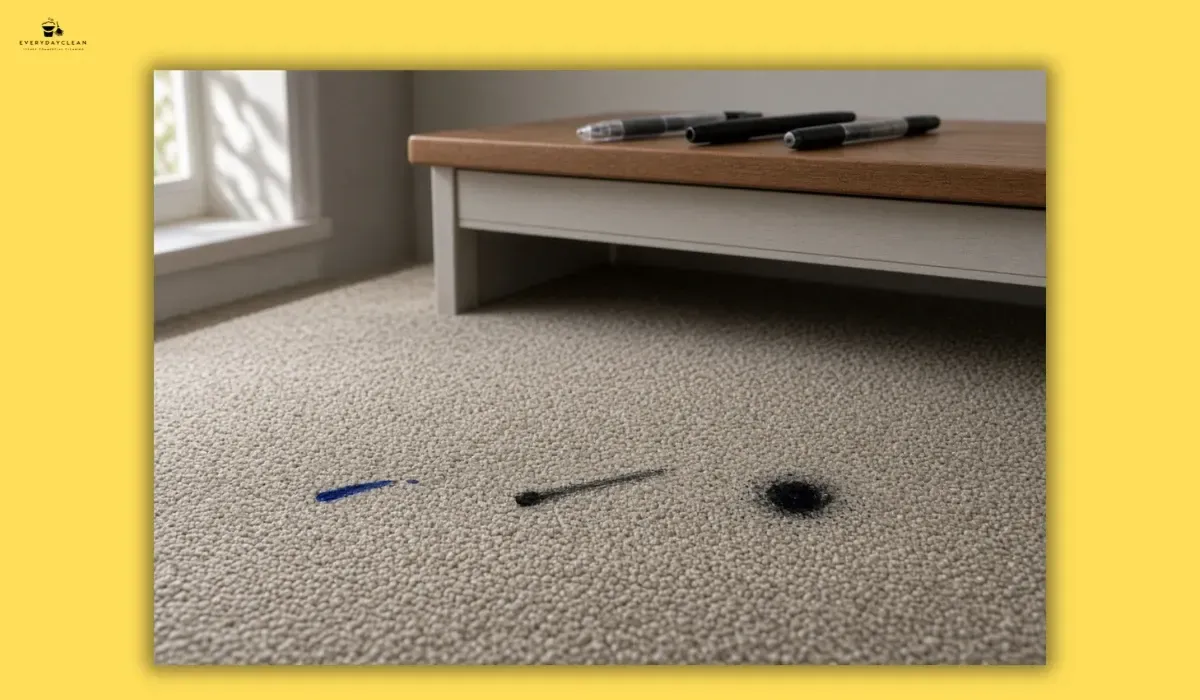
- Spot-treat carpet stains using an upholstery-safe spot cleaner
Quarterly or periodic floor tasks:
- Machine scrub tile and grout
- Carpet hot-water extraction
- Strip and reseal vinyl flooring where specified
For large or multi-level tenancies, staggering floor care tasks across the week prevents cleaner overload on any single visit and maintains consistent presentation standards between periodic deep-clean cycles.
High-Touch Surface Disinfection Protocol
High-touch surfaces are the primary transmission vector for pathogens in shared commercial environments. These points require daily disinfection as a standalone task category - not as an afterthought at the end of a mopping run.
The following surfaces require daily disinfection with a TGA-registered disinfectant applied at the correct dilution and observed contact time:
- All door handles, push plates, and pull bars on internal and external doors
- Light switches throughout the tenancy
- Lift call buttons and internal panel controls
- Stairwell handrails
- Communal photocopier touchscreens, scanner lids, and paper trays
- Kitchen appliance handles and shared refrigerator doors
- Bathroom fittings (already covered under restroom protocol)
- Reception counters and sign-in surfaces
A dedicated guide to disinfecting high-touch surfaces in commercial environments covers product selection, dilution rates, and dwell time compliance in detail - critical reading for facility managers updating their after-hours cleaning scope.
Access, Security and Safety Requirements for After Hours Cleaning
After hours commercial cleaning involves unsupervised access to a secured building - a set of conditions that carry specific procedural, legal, and insurance obligations for both the building manager and the cleaning contractor.
Key requirements that must be documented before service begins:
- Police clearances for all cleaning staff - required for any site with sensitive documents, data storage, financial records, or where site security protocols mandate it
- Working with Children Checks where after hours access occurs in a building that also contains childcare, healthcare, or educational facilities
- Site-specific induction covering alarm codes, access points, prohibited zones, after-hours entry procedures, lift booking requirements, and emergency contacts
- Safety Data Sheets (SDS) register maintained on-site for every chemical product used during the cleaning service, in compliance with WHS Regulation 2025
- Hazardous chemical dilution protocols where concentrated products require mixing; pre-mixed colour-coded spray bottles are the preferred operational standard
- Incident reporting procedure that the cleaning contractor must follow if a security breach, damage, or injury occurs during the after hours shift
For city-centre premises in high-security buildings,
office cleaning Sydney service agreements include documented access protocols and induction records as standard inclusions in the service contract.
Choosing the Right After Hours Commercial Cleaning Provider
A professional after hours commercial cleaning provider delivers a written scope of works before the first visit - not a verbal summary. The scope should specify every area, task, frequency, product type, and quality verification method. The following criteria separate providers operating to a professional standard from those that are not:
- Written service level agreement (SLA) with defined response times for quality complaints
- Documented inspection schedule - typically monthly site audits using a signed checklist with photo evidence
- Certificate of currency for public liability insurance (minimum $10 million) and workers compensation
- Colour-coded microfibre system that prevents cross-contamination between bathroom, kitchen, and general cleaning zones
- Named site supervisor assigned to the account, not an anonymous rotating team
- Digital or paper sign-in/sign-out record for every cleaning visit as proof of service delivery
For an understanding of what a professional inspection standard looks like across a commercial tenancy, the cleaning inspection checklist for offices provides a structured audit framework that facility managers can apply to any after-hours cleaning contract.
FAQs about After-Hours Commercial Cleaning
The questions below address the most common points of uncertainty raised by facility managers, operations teams, and commercial tenants when setting up or reviewing an after-hours cleaning contract.
What is typically included in after-hours commercial cleaning?
After-hours commercial cleaning covers the full reset of a commercial tenancy outside of occupied business hours. At a minimum, a standard scope includes waste removal from all bins with liner replacement, floor care (vacuuming, sweeping, and mopping by surface type), restroom disinfection and consumables replenishment, kitchen and break room cleaning, high-touch surface disinfection, and desk surface wiping. Meeting rooms, reception areas, and internal glass are included in most standard commercial scopes. Specialist tasks such as carpet extraction, window cleaning, floor stripping, and high-level dusting are scheduled separately as periodic or periodic services and are not typically included in a standard nightly rate.
How often should after hours commercial cleaning be scheduled?
Frequency depends on the number of daily occupants, the nature of the work conducted on the premises, and the building's presentation standard. Most commercial offices with 10 or more staff benefit from five-night-per-week cleaning. Smaller tenancies or low-traffic environments may operate on three-night rotations with supplementary weekly tasks completing the balance. High-traffic facilities such as medical centres, childcare buildings, and food-service environments require nightly cleaning as a minimum, with some zones - particularly restrooms and food preparation areas - requiring multiple cleaning cycles per day regardless of whether those cycles fall inside or outside business hours.
What is the difference between after hours cleaning and a deep clean?
After hours cleaning is a recurring maintenance service that maintains a baseline hygiene and presentation standard throughout the week. A deep clean is a periodic, intensive service that addresses the build-up of soiling that routine cleaning cannot remove - including carpet extraction, high-level dusting, grout scrubbing, floor stripping, and behind-appliance kitchen cleaning. Most commercial facilities require a scheduled deep clean every three to six months in addition to their regular after hours program. Running after hours cleaning without periodic deep cleans allows slow build-up in hard-to-reach zones that eventually breaches hygiene standards and damages surfaces.
What compliance documents should an after-hours cleaning contractor provide?
Before any after hours cleaning service commences, the contractor should provide a current certificate of currency for public liability insurance and workers compensation, a complete Safety Data Sheet register for every chemical product used on site, documented staff induction records for the specific premises, police clearance certificates where the site requires them, and a signed scope of works that forms the basis of the service level agreement. Contractors operating without this documentation are not compliant with WHS Regulation 2025 obligations and expose the building owner or facility manager to shared liability for any incident occurring during an after-hours cleaning shift.
Setting the Standard for Every Morning Handover
A professionally managed after hours commercial cleaning program is not measured by how quickly the team completes the shift - it is measured by the condition of the premises at 8am the following morning. Every checklist item missed, every bin not emptied, and every restroom consumable not replenished is visible to every person who walks through the door. The checklist exists to eliminate discretion from that outcome.
Businesses that treat the after hours cleaning scope as a living, audited document - reviewed against the commercial office cleaning cost benchmarks and updated when tenancy needs change - consistently maintain higher presentation standards, lower complaint rates, and longer contractor relationships than those operating on verbal agreements and informal expectations.
Everyday Clean delivers after-hours commercial cleaning across office, strata, medical, childcare, and specialized commercial environments. Scheduled service contracts and one-off after-hours cleaning are available with documented scope, named supervisors, and monthly quality inspection.
Blog