NDIS Carpet Cleaning Coverage & Claim Eligibility Guide
NDIS funding may cover carpet cleaning in limited circumstances, but it is not automatically included in a plan, and the type of carpet cleaning matters. Routine carpet maintenance, such as regular vacuuming as part of household task support, is more likely to fit within an NDIS plan than a one-off specialist steam clean. Whether either is funded depends on the individual participant's plan, goals, support category and whether the need connects to their disability.
This guide explains the distinction, when carpet cleaning may be relevant to NDIS support, what usually falls outside scope, and what to confirm before booking.
Routine maintenance versus specialist carpet cleaning
Not all carpet cleaning is the same under an NDIS plan.
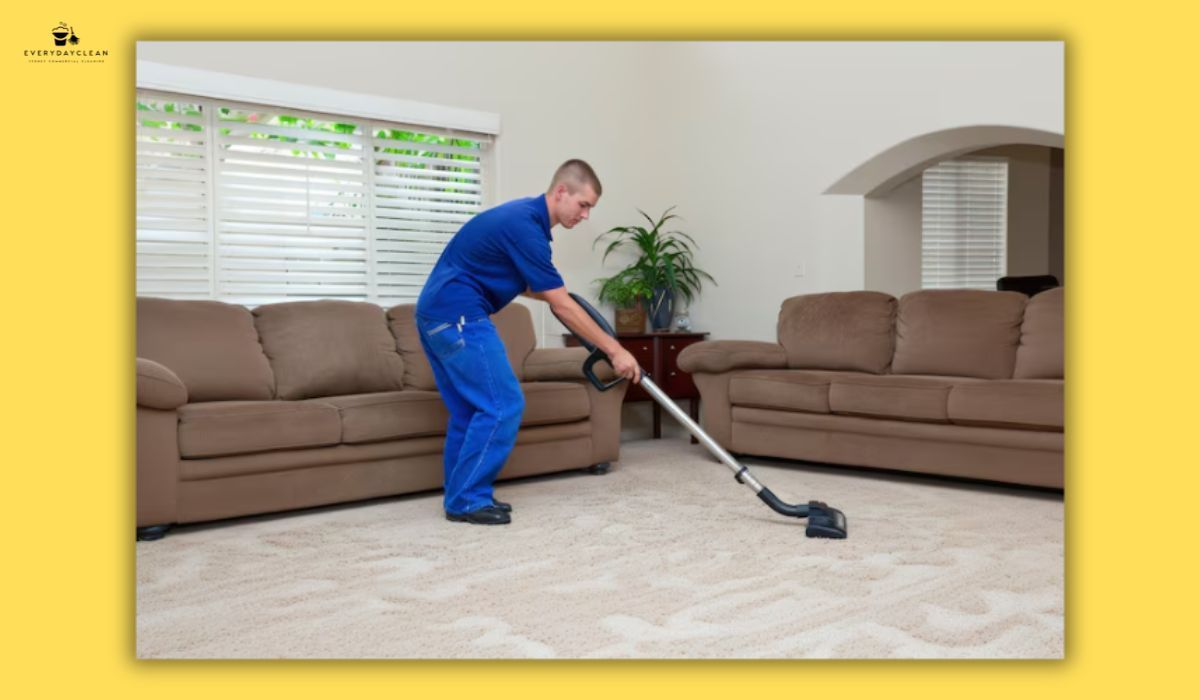
Routine vacuuming and carpet maintenance forms part of regular household cleaning. Where a participant's disability affects their ability to vacuum or maintain floor surfaces, this type of support may sit within the Household Tasks line item under Assistance with Daily Life. Regular vacuuming as part of a general cleaning schedule is the most likely form of carpet-related support to fit a plan.
Specialist carpet steam cleaning or hot water extraction is a separate service delivered by specialist equipment. It is generally treated as a one-off or periodic specialist service rather than a routine household task, and it is less likely to be automatically covered under standard household task funding. Whether it can be justified depends on what is in the plan, the reason for the request and whether it aligns with the plan and should be checked with a plan manager, support coordinator or the NDIA.
The distinction matters because claiming routine cleaning and claiming specialist equipment services under the same support item without specific justification may not align with how the plan was funded.

When NDIS carpet cleaning may be relevant
There are situations where carpet steam cleaning or periodic deep carpet care may have a connection to a participant's disability-related needs, and where it may be worth raising with a support coordinator or plan manager.
- Continence-related incidents. Where a participant experiences incontinence and this results in soiling of carpeted surfaces, there may be a case for carpet cleaning being linked to hygiene needs arising from the disability. This is a specific circumstance rather than a general one.
- Mobility equipment tracking soil. Wheelchairs, mobility aids and specialist equipment can transfer significant grime, oil or moisture onto carpeted surfaces. Where this is a regular consequence of equipment use rather than general wear, it may be relevant to document as a disability-related need.
- Hygiene and liveability. Where carpet condition has deteriorated to a point that affects the participant's safe use of their home, and this is connected to their disability or their support arrangements, a case may exist for addressing it through the plan. This requires clear justification rather than being assumed.
- Post-incident cleaning following a bodily fluid event. Where a specific incident requires urgent carpet attention for hygiene reasons connected to the disability, this may be considered, depending on the plan and the circumstances. What product or service is required would need to match the specific situation.
- None of these situations are automatic. Each requires a specific connection to the participant's disability and needs, and confirmation from the relevant plan manager, support coordinator or the NDIA before a booking is made.
What usually falls outside NDIS carpet cleaning scope
Several common reasons people book carpet cleaning generally do not connect to disability-related needs and are unlikely to be funded under a participant's plan.
- End-of-lease and bond cleaning. Carpet steam cleaning at the end of a tenancy is a landlord or real estate requirement, not a disability support need. This applies regardless of whether the participant is an NDIS participant.
- General preference or appearance. Carpet that looks tired or worn but does not create a hygiene or safety issue related to the participant's disability would generally not meet the reasonable and necessary test.
- Landlord or property manager requirements. Requirements imposed by a third party for the upkeep of the property are property maintenance matters, not disability support needs.
- Damage restoration. Carpet that has been damaged by a flood, mould, pests or a non-disability-related event falls under building maintenance or insurance rather than NDIS support.
- Mould remediation. This is a specialist trade and remediation service, not a household task, and is outside what NDIS household task support covers regardless of carpet condition.
- New tenancy preparation. Cleaning carpets before moving in is a rental requirement, not a disability-related need.
If carpet cleaning is needed for any of these reasons, it sits outside the NDIS scope and would need to be arranged privately or through the relevant party, such as the property manager or insurer.
What to confirm before booking NDIS carpet cleaning
Booking carpet cleaning and then attempting to claim it through a plan without prior confirmation is one of the most common reasons claims are disputed. Confirming eligibility before the service is delivered avoids that situation.
- Check the plan first. Confirm which support category is available, whether the Household Tasks or relevant support item is funded, and whether the plan includes any specific mention of carpet or floor care. This is a question for the plan documents or the plan manager.
- Speak with the support coordinator or plan manager. Before booking any specialist carpet cleaning, discuss whether it meets the reasonable and necessary test for the specific participant and their circumstances. This should happen before a booking is made, not after.
- Confirm the provider arrangement. NDIA-managed participants must use registered NDIS providers. Plan-managed and self-managed participants have more flexibility but should still confirm the provider can issue clear invoices. For general guidance on how provider types and pricing work, the NDIS cleaning rates guide covers this in more detail.
- Get the scope and quote in writing. The quote should specify what is being cleaned, the method, the area covered, the cost and whether specialist equipment is involved. This matters because routine vacuuming and steam cleaning are different services with different justifications under a plan.
- Confirm the invoice format. Invoices need to show the correct support item code, date, description, hours or units, rate and total. For specialist carpet cleaning, the relevant line item may differ from routine household task cleaning. A plan manager can confirm the correct code before the service is delivered.
- Keep records. Self-managed participants in particular should keep all quotes, invoices and any written confirmation from the support coordinator or plan manager that the service was approved before the claim is submitted.
NDIS pricing for carpet-related support
Standard household cleaning tasks, including regular vacuuming, fall under support item 01_020_0120_1_1, House Cleaning And Other Household Activities, with a price cap of $60.10 per hour for 2026-27 at the national rate. Remote and very remote areas have different caps.
Specialist carpet steam cleaning does not fall under this item in the same way. How it is billed, and under which line item, depends on the justification and the plan arrangement. This is another reason why confirmation from a plan manager or support coordinator before booking is important rather than optional.
How this fits within broader NDIS household task support
Carpet maintenance sits within the broader context of what NDIS household tasks can cover. Understanding the full scope of what is typically included, and what requires specific justification, helps participants and their support networks make informed decisions before booking any cleaning service.
The
NDIS household tasks guide covers which domestic activities are commonly supported, how eligibility works and what to check in a plan before arranging support. For participants working with a provider for general household cleaning that includes carpet maintenance as part of the regular scope,
NDIS cleaning services covers how those arrangements are typically structured.

Frequently asked questions
Does NDIS cover carpet cleaning?
NDIS may cover routine carpet vacuuming as part of household task support where the participant's disability affects their ability to maintain floor surfaces. Specialist carpet steam cleaning is less likely to be automatically covered and generally requires specific justification connected to the participant's disability-related needs. Prior confirmation from a plan manager, support coordinator or the NDIA before booking is strongly recommended.
Can I use NDIS to pay for carpet steam cleaning?
In some specific circumstances, such as hygiene needs arising from continence, mobility equipment soiling or a disability-related incident, there may be grounds to discuss carpet steam cleaning with a plan manager or support coordinator. Whether it is approved depends on the individual plan, the specific circumstances and the relevant funding. It is not a general inclusion and should not be assumed without prior written confirmation.
Is end-of-lease carpet cleaning covered by NDIS?
End-of-lease carpet cleaning is generally treated as a tenancy requirement rather than a disability-related support need, so it should not be assumed to be NDIS-funded. This type of cleaning would need to be arranged and paid for privately or as part of the tenancy exit.
What carpet-related tasks might fit an NDIS household tasks plan?
Regular vacuuming of carpeted areas as part of a routine cleaning schedule is the most common carpet-related task that fits household task support. Periodic deep cleaning of carpets may be relevant in specific circumstances connected to the participant's disability, but requires specific plan justification. Carpet restoration, damage repair, mould remediation and end-of-lease cleaning are generally outside scope.
Who decides whether carpet cleaning is covered under my NDIS plan?
The decision rests with the NDIA, based on the participant's plan, goals and assessed needs. Plan managers and support coordinators help interpret what a plan covers and advise on what can be claimed. They are the right starting point before booking any service that might be claimed through the plan, particularly for services outside routine household cleaning.
Blog