Childcare Cleaning Supplies: NQF-Compliant Product Guide
Childcare cleaning supplies are not selected the same way as general commercial cleaning products - every product used in a long-daycare centre, preschool, or family day care facility must satisfy a three-part compliance framework governed by ACECQA Regulation 77, Safe Work Australia chemical management requirements, and the Therapeutic Goods Administration (TGA), where disinfection claims are made. ACECQA does not publish an approved brand list; instead, Regulation 77 requires "adequate health and hygiene practices" and holds approved providers responsible for selecting products that meet the overlapping standards of the National Quality Framework (NQF), state health authority requirements, and Safe Work Australia's Safety Data Sheet (SDS) obligations. This guide maps every major category of daycare cleaning supplies to the zone it is used in, the compliance requirement it addresses, and the specific product characteristics that determine whether it is appropriate for use around children aged 0-5 years.
Childcare Cleaning Supplies by Zone and Compliance Requirement
Childcare facilities are structured environments where different zones carry different contamination risks, require different cleaning frequencies, and permit different product strengths. Applying a hospital-grade disinfectant to a general play surface where toddlers place their hands and mouths creates unnecessary chemical exposure risk. Applying only a general detergent to a nappy change station creates an infection control compliance gap. The zone-based framework below maps the correct product category to each area of the facility.
1. Nappy Change Area Supplies - Hospital-Grade Disinfectant Required
The nappy change station is the highest-risk contamination zone in any childcare facility. Every nappy change generates potential exposure to faecal pathogens including Rotavirus, Giardia lamblia, Salmonella, and E. coli - organisms that survive on surfaces for hours to days and spread rapidly through hand-to-mouth contact in settings where children share toys and surfaces. The NQF Quality Area 2 standard (Children's Health and Safety) requires that nappy change areas be cleaned and disinfected after every single use - not at the end of each session, not hourly, but between every individual child.
Required supplies for nappy change stations:
- TGA-registered hospital-grade disinfectant - a product listed on the Australian Register of Therapeutic Goods (ARTG) with a documented 99.9999% (6-log) kill rate against the relevant pathogens. The ARTG listing number must be recorded in the centre's chemical register. Quaternary ammonium compound (Quat)-based hospital-grade disinfectants are the standard product category for nappy change surface disinfection in childcare environments.
- Disposable paper barrier rolls - a fresh paper barrier must be placed on the change surface for each child and disposed of immediately after each change. The barrier does not replace disinfection of the underlying surface.
- Nitrile examination gloves - powder-free, single-use, changed between every nappy change. Powdered gloves are not appropriate as the powder is an airborne particle source in an environment with children who have respiratory sensitivities.
- Dedicated waste bin with foot-pedal lid - adjacent to the change station, lined with a sealed nappy waste bag, emptied after each session.
- Hand hygiene products - NHMRC (National Health and Medical Research Council) compliant hand soap and alcohol-based hand rub at 70% minimum ethanol concentration at the change station for staff use after glove removal.
SDS requirement: Every disinfectant used at the nappy change station must have a current Safety Data Sheet on file (reviewed within the last five years). Under Safe Work Australia's model WHS legislation, using a product without a current SDS on an accessible record carries penalties of up to $10,000 for individuals and $50,000 for corporations.
2. Toy Cleaning Supplies - Frequency Determines Product Strength
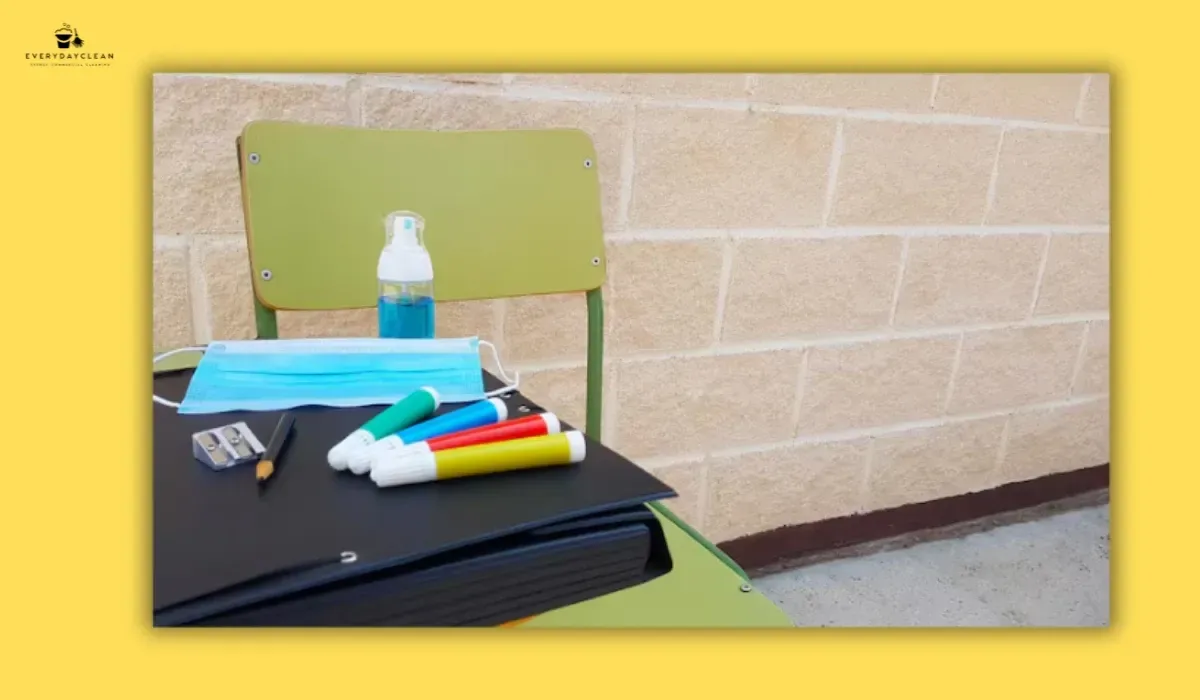
Toys are among the most frequently mouthed, shared, and contaminated objects in a childcare setting. ACECQA's guidance requires that toys children mouth are sanitised daily, that general shared toys are cleaned regularly, and that the cleaning frequency increases during illness outbreaks or following any incident where a child has been unwell. The product selection for toys depends on the toy's material and the cleaning method available.
Hard plastic and rubber toys (mouthed or high-contact):
- TGA-listed food-safe sanitiser or quaternary ammonium compound at the correct dilution for food-contact surface sanitisation
- Rinse with clean water after sanitiser contact time is achieved - any sanitiser residue on a surface that will be mouthed must be removed before the toy is returned to children
- Alternatively, steam cleaning using a commercial steam sanitiser provides chemical-free sanitisation at temperatures above 70°C that kill the relevant pathogens without product residue risk
Soft toys and fabric items:
- Machine washable at 60°C minimum - the temperature required to achieve pathogen kill in fabric materials
- Non-machine-washable soft toys should not be in shared use in a childcare setting; where unavoidable, UV-C sanitisation cabinet is the appropriate treatment method
- Tumble dry at high heat setting, not air-dry in the play space (air-drying in occupied rooms increases ambient humidity and can reintroduce ambient airborne particles to the damp item)
Wooden toys:
- Wipe with a damp cloth and mild detergent, then wipe with a food-safe sanitiser at the correct dilution
- Do not submerge wooden toys - saturation causes the wood to crack and swell, creating surface crevices that trap bacteria and cannot be cleaned
- Do not use alcohol-based products on painted wooden toys - alcohol strips water-based paint coatings and may expose underlying wood preservative chemicals
3. Bathroom and Toilet Cleaning Supplies - Daily Hospital-Grade Protocol
Childcare bathroom facilities - child-height toilets, urinals, hand basins, and nappy change areas where a separate change room is not provided - require daily cleaning and disinfection to hospital-grade standard, with additional spot-cleaning triggered by any visible contamination event throughout the day.
Required daycare cleaning supplies for bathrooms:
- Hospital-grade TGA-registered disinfectant applied with correct dwell time to toilet seats, cistern flush buttons, hand basin taps, and door handles on both sides - all high-touch surfaces that transfer pathogens between handwashing events
- Dedicated colour-coded cleaning equipment - red or designated-colour cloths and mop heads exclusively for bathroom use; never shared with kitchen, play area, or sleep room equipment. Colour-coded microfibre systems compliant with AS/NZS 4146 infection control guidelines are the standard specification for childcare cleaning supply kits.
- Toilet brush with holder dedicated to each toilet unit - shared toilet brushes are cross-contamination vectors
- Separate mop and bucket set for bathroom floors - floor water run-off from bathroom cleaning must not contact surfaces in adjacent areas
During gastroenteritis or respiratory virus outbreaks notified by the state health authority, bathroom cleaning frequency increases to a minimum of twice daily full disinfection, and the disinfectant product must be verified as effective against the notified pathogen. Norovirus, for example, requires a TGA-listed oxidising disinfectant (chlorine-based or hydrogen peroxide-based) - quaternary ammonium compounds alone are not reliably effective against non-enveloped viruses.
4. Kitchen and Food Preparation Cleaning Supplies - FSANZ Compliance Layer
Any childcare centre that prepares, stores, or serves food - including warming bottles, preparing snacks, and storing packed lunches - operates under an additional compliance layer governed by Food Standards Australia New Zealand (FSANZ) Standard 3.2.2, on top of ACECQA Regulation 77. The kitchen zone requires food-safe products distinct from the disinfectants used in bathrooms and nappy change areas.
Required cleaning products for childcare kitchen zones:
- Food-safe sanitiser - a product that achieves 99.9% (3-log) bacterial reduction on food-contact surfaces and is safe for those surfaces without rinsing, or safe after rinsing as specified by the manufacturer. Quaternary ammonium compound-based food-safe sanitisers at the correct concentration (200-400 ppm active Quat) are the standard specification.
- Neutral pH detergent for food contact surfaces - applied before sanitisation to remove food residue, fat, and protein. The clean-then-sanitise sequence is mandatory; applying sanitiser to a food-soiled surface reduces efficacy by up to 90%.
- Separate food preparation surface sanitiser spray clearly labelled and stored separately from bathroom and nappy change disinfectants - product misidentification in a childcare kitchen is a food safety breach under FSANZ Standard 3.2.2.
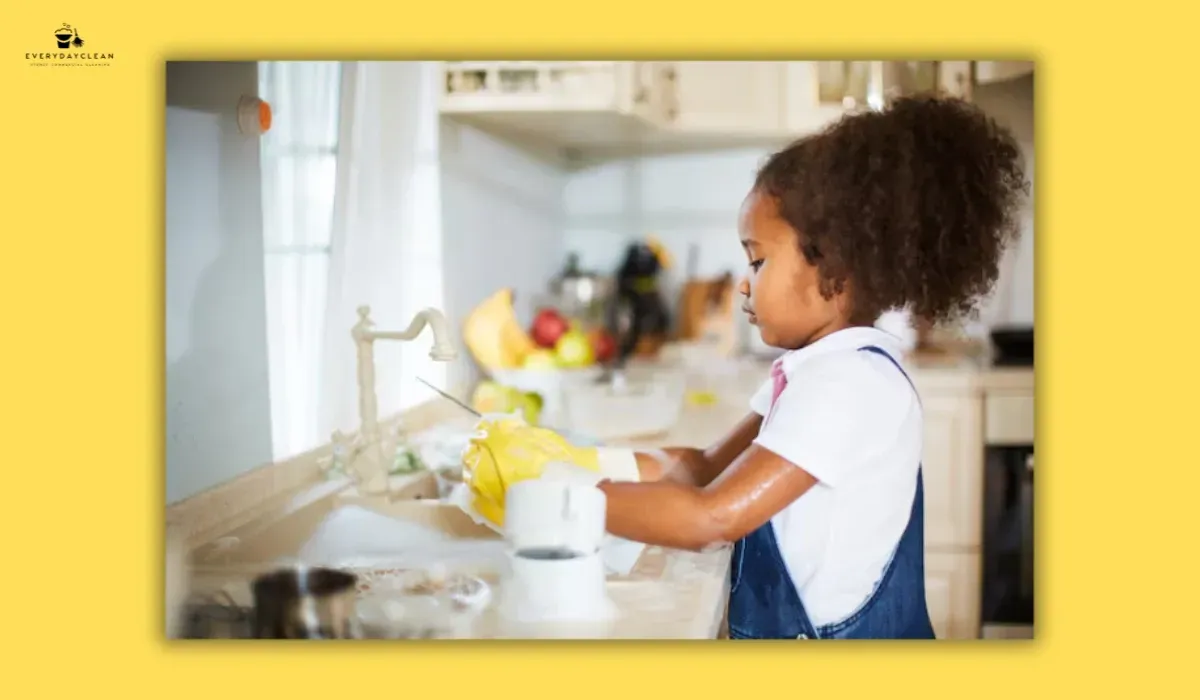
- Food-safe dishwashing detergent - if the centre handwashes bottles, cups, and utensils, a food-safe liquid detergent at correct concentration in a designated wash sink.
5. Floor Cleaning Supplies - Daily Vacuum and Mop Protocol
Childcare floors - carpeted playrooms, hard vinyl or timber activity areas, and bathroom floors - are primary contamination surfaces because children aged 0-3 years spend significant time on the floor and engage in hand-to-mouth behaviour at floor level. Standard floor cleaning products designed for commercial hard floors are not automatically appropriate for childcare environments where children crawl and sit on cleaned surfaces.
Floor cleaning supply requirements by surface type:
- Carpeted areas - HEPA-filtered vacuum for daily particulate removal; enzyme-based carpet cleaner for organic stain treatment (food, vomit, urine); hot water extraction carpet cleaning on a scheduled basis (minimum quarterly for high-use areas) using a low-residue, child-safe certified extraction detergent
- Hard floors (vinyl, timber, tiles) - pH-neutral floor cleaner that leaves no sticky or slippery residue; mopped with a flat microfibre mop system (flat mops distribute less contamination than string mops); floors must be dry before children return to the area
- Outdoor surfaces and equipment - mild detergent wash, rinse with clean water, and allow to dry. Outdoor hard surfaces do not require routine disinfection unless a specific contamination event has occurred.
Product selection for floor cleaning in childcare environments should prioritise GECA (Good Environmental Choice Australia)-certified low-VOC formulas, as children at floor level have significantly higher exposure to residual floor cleaner vapour than adults standing upright.
6. Sleep Room Supplies - Linen and Surface Protocol
Sleep rooms in long day care centres require specific cleaning supplies that address fabric surfaces (mattress covers, sheets, blankets) alongside the hard surfaces in the room (cot frames, sleep room doors, light switches).
Sleep room cleaning supply requirements:
- Waterproof mattress protector or fitted sheet for each cot - changed and laundered between each child who uses the cot, not between sleep sessions only
- Mattress sanitiser compatible with vinyl or PVC cot mattress covers - applied after removing the fitted sheet and before fitting the replacement. Must be child-safe rated and the mattress must be dry before a child is placed on it.
- Enzyme-based fabric stain treatment for laundry pre-treatment of soiled sheets, blankets, and sleep suits before machine washing at 60°C
- Unscented laundry detergent - fragrance compounds in laundry products cause respiratory irritation in children with asthma or atopic dermatitis. The National Asthma Council Australia's Sensitive Choice accreditation is the relevant certification for identifying appropriate laundry products for childcare settings.
7. Spill Response Supplies - Bodily Fluid Kit
Every childcare facility must maintain a dedicated bodily fluid spill kit accessible to all staff - separate from the routine cleaning supply station and clearly identified. Bodily fluid spills (vomit, urine, faeces, blood) require a specific response sequence that differs from routine surface cleaning.
Minimum spill kit contents:
- Disposable apron and nitrile gloves
- Absorbent granules or paper towels for physical removal of the spill (never wipe a liquid spill with a cloth that will then be used elsewhere)
- Sealed disposal bag for contaminated materials
- TGA-registered hospital-grade disinfectant at the concentration and dwell time specified for bodily fluid decontamination - this is typically a higher concentration than the routine surface disinfectant
- Separate sealable bag for contaminated clothing or linen pending laundering
Staff must be trained in the spill response sequence: contain and remove the physical material first, then disinfect the surface area, then remove and dispose of PPE in the correct order. Training records must be documented for the ACECQA Quality Area 2 assessment.
FAQs about the Childcare Cleaning Supplies
The following questions address the most common searches around childcare cleaning supplies, covering ACECQA compliance, product selection, and the specific requirements for daycare cleaning supplies.
What cleaning products are approved for use in childcare centres?
ACECQA does not publish an approved brand list. Regulation 77 of the Education and Care Services National Regulations 2011 requires "adequate health and hygiene practices" without specifying products. Centres are responsible for selecting products that satisfy three overlapping requirements: Safe Work Australia's chemical management obligations (current SDS on file for every product, accessible to all staff), TGA registration for any product making a disinfection claim, and state health authority requirements for infection control. In practical terms, childcare cleaning supplies for high-risk zones (nappy change, bathrooms) must be TGA-registered hospital-grade disinfectants. Food preparation zones require FSANZ-compliant food-safe sanitisers. General play areas require detergent-based cleaning followed by food-safe sanitisation for surfaces that children may mouth or touch. GECA-certified, low-VOC, fragrance-free products are the recommended specification for general surface cleaning in areas where children have prolonged floor-level contact.
What is the difference between cleaning and sanitising in childcare?
Cleaning removes visible dirt, food residue, and organic matter from a surface using a detergent and physical action. Sanitising reduces the bacterial count on a cleaned surface to a level safe for the intended use - 99.9% (3-log) reduction for food-contact surfaces, 99.9999% (6-log) reduction for hospital-grade disinfection of high-contamination zones. In childcare, both steps are mandatory for any surface that poses an infection risk - and in that order. Applying a sanitiser or disinfectant to a surface that has not been cleaned first reduces the product's efficacy by up to 90% because organic matter binds the active ingredient before it contacts the surface. For child-safe disinfectants specifically, the clean-then-sanitise two-step sequence must be documented in the centre's hygiene protocol and demonstrated during ACECQA assessment visits.
How often should toys be cleaned in childcare?
Toys children mouth must be sanitised daily under ACECQA's guidance for adequate hygiene practice. General shared toys used in play without mouthing require regular cleaning - the frequency determined by the centre's risk assessment and documented cleaning schedule. During an illness outbreak or following any notified case of gastroenteritis, hand-foot-and-mouth disease, or respiratory illness at the centre, toy cleaning frequency increases to after each play session. The daycare cleaning checklist approach is most effective for compliance, assigning toy categories (mouthed, high-touch, general) to specific cleaning frequencies and product types in a written schedule - assessors look for this documentation during NQF rating visits. Soft toys should be machine-washed at 60°C; non-washable soft toys should not be in shared rotation in a compliant childcare setting.
What are the NQF cleaning requirements for childcare centres?
The National Quality Framework governs childcare cleaning through two Quality Areas: Quality Area 2 (Children's Health and Safety) and Quality Area 3 (Physical Environment). Under Quality Area 2, Standard 2.1 requires each child's health to be promoted through hygiene practices. Standard 2.2 requires each child to be protected. Under Quality Area 3, Standard 3.1 requires that premises, furniture, and equipment are safe, clean, and well-maintained. The specific regulatory obligation sits in Regulation 77 of the Education and Care Services National Regulations 2011, which requires approved providers to ensure adequate health and hygiene practices are implemented. ACECQA quality assessors examine cleaning documentation - daily logs, sanitisation records, chemical registers, SDS files, and staff training records - during rating visits. Centres that maintain documented childcare cleaning products registers with current SDS, dilution ratios, and usage protocols consistently perform better in Quality Area 2 and 3 assessments. Non-compliance with chemical management requirements carries penalties of up to $10,000 for individuals under Safe Work Australia's model WHS legislation.
Do childcare cleaning supplies need a Safety Data Sheet?
Yes - every cleaning product used in a childcare facility requires a current Safety Data Sheet (SDS) under Safe Work Australia's model Work Health and Safety legislation. Manufacturers must review and reissue SDS documents at minimum every five years; using an SDS older than five years is considered evidence of poor chemical management during ACECQA assessments. The SDS must be accessible to all staff at the point of use - not filed in a locked office. Digital SDS management systems accessible by QR code at each cleaning station are the most practical compliance solution for multi-room childcare facilities. The SDS records the product's active ingredients, hazard classifications, correct dilution ratios, contact times for sanitisation claims, first aid procedures, and emergency response information. A full breakdown of how product selection, dilution, and documentation apply specifically to childcare environments is covered in the toy cleaning in childcare guide, which addresses the SDS obligations for the highest-frequency product use zone in any centre.
Selecting Childcare Cleaning Supplies That Satisfy Every Compliance Layer
Childcare cleaning supplies sit at the intersection of ACECQA Regulation 77, NQF Quality Areas 2 and 3, Safe Work Australia SDS requirements, TGA disinfectant registration, and FSANZ food safety standards where a kitchen is present. No single product satisfies all zones - nappy change areas need hospital-grade TGA-registered disinfectants, kitchen surfaces need FSANZ-compliant food-safe sanitisers, toy cleaning needs child-safe sanitisers with no required rinse-off on mouthing surfaces, and floor cleaning needs GECA-certified low-VOC formulas appropriate for children at floor level.
The most effective compliance approach is a zone-specific product schedule - a written document that assigns a specific product (with ARTG or GECA number), dilution ratio, contact time, and cleaning frequency to every zone in the facility. This document serves as the operational cleaning guide for staff, the evidence trail for ACECQA assessors, and the chemical register required under Safe Work Australia's WHS framework. For centres building this from scratch, the
daily cleaning checklist for child care centers provides a task-by-task framework that maps directly to the zone-specific product requirements covered in this guide.
Blog